Why Whitney Houston Still Owns Pop Culture in 2026
Published on 03/01/2026 at 15:26 | Editorial responsibility: Rafael Müller, Editor-in-Chief AD HOC NEWS
You can feel it again, can’t you? That sudden rush of Whitney Houston vocals all over your feed. Clips from The Bodyguard, TikToks blasting "I Wanna Dance with Somebody," deep-cut ballads popping up in sad edits, and fans trading theories about what’s coming next from the Whitney estate. More than a decade after her passing, Whitney isn’t fading into nostalgia. She’s becoming more present — in your playlists, on your screen, and across every social platform that lives on drama and emotion.
Visit the official Whitney Houston site for news, releases and archives
Fans are noticing the pattern: anniversary box sets, remastered music videos, new documentaries, unreleased demo talk, and even AI-assisted tributes stirring up big debates. The short version: Whitney Houston is having another moment — and it’s not just nostalgia; it’s a full-blown cultural re-centering of one of the greatest voices in pop history.
The Backstory: Breaking News in Detail
In the last few weeks, the Whitney Houston ecosystem has quietly gone into overdrive again. While there isn’t a new studio album in the traditional sense (Whitney passed away in 2012), the machinery around her catalog keeps moving. Labels, the estate, and streaming platforms have realized what fans already knew: Whitney content performs, and it performs globally.
Recent reporting from major music outlets has focused on a few key threads. First, catalog numbers. Since the boom of catalog streaming over the last few years, Whitney has consistently sat among the most-streamed legacy artists worldwide, especially with "I Will Always Love You," "I Wanna Dance with Somebody (Who Loves Me)," "How Will I Know," and "Greatest Love of All." Industry insiders point out that spikes keep happening around tentpole moments: biopics, docu-series, viral TikToks, and big anniversaries.
That’s exactly where we are now. The continued afterglow of the biopic Whitney Houston: I Wanna Dance with Somebody, plus ongoing playlist support on Spotify and Apple Music, has set the stage for more reissues and special releases. In fan circles, people are talking about expanded editions of classic albums like Whitney (1987) and My Love Is Your Love (1998), with B-sides, live cuts, and unheard studio takes. While nothing is officially confirmed at the time of writing, label chatter and catalog activity make it sound less like "if" and more like "when."
At the same time, the estate and partners continue to push the "Whitney experience" across formats. That includes ongoing interest in stage tributes and immersive shows that use archival audio, live bands, and advanced visuals to recreate the power of her performances without pretending she’s "still here" in a literal way. The earlier Whitney hologram tour was heavily debated, sometimes criticized by fans who felt it veered into the uncanny, but it also proved one thing: there is still massive appetite to gather in a room and feel Whitney’s music together, loud, with full production.
The implication for fans is pretty simple: the Whitney story is still unfolding. Yes, the albums you love are fixed in time, but how they’re presented, contextualized, and celebrated is changing every few years. More BTS footage, more remastered live recordings, more deep-dive docs, more vinyl variants, and likely more cross-genre collaborations where contemporary artists sample, reinterpret, or interpolate Whitney classics for a new audience.
For younger fans, especially Gen Z who may have first met Whitney through TikTok, this moment works like a crash course and a reintroduction. For long-time stans, it’s validation: the world is finally catching up to what they’ve been screaming at the top of their lungs since the eighties and nineties — this voice is not normal, and it never will be.
The Setlist & Show: What to Expect
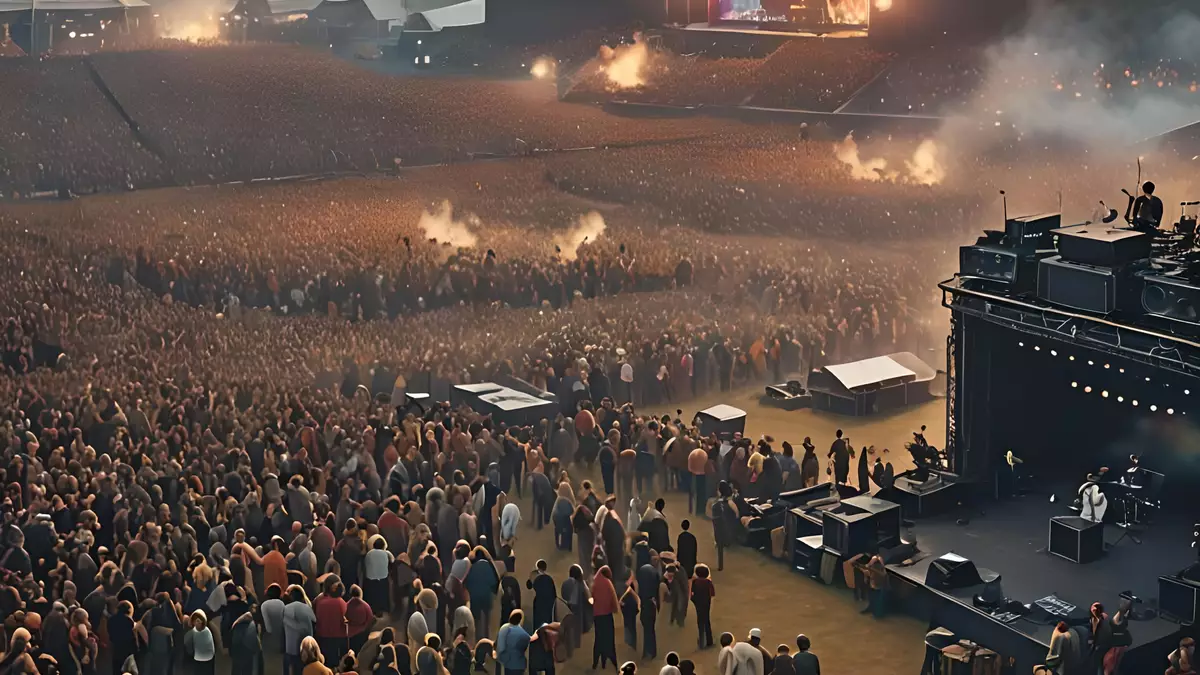
Because Whitney is no longer with us, what we talk about in 2026 isn’t a traditional tour schedule, but a wave of tribute shows, orchestral evenings, fan-led events, and themed club nights that treat her catalog like a living, breathing setlist. If you’re thinking of hitting one of these events in the US, UK, or Europe, here’s what you can realistically expect.
Most official or semi-official tribute productions lean into the biggest hits that defined Whitney’s global dominance. That usually means an opening run of high-energy pop smashes: "I Wanna Dance with Somebody (Who Loves Me)," "How Will I Know," "So Emotional," and "I’m Your Baby Tonight." These tracks tend to come early because they instantly lift the room. People don’t just sing; they scream. The choruses are so baked into public memory that you could mute the sound and still see mouths shaping every word.
From there, the pacing usually shifts into the power-ballad stretch — the part of the night where your throat starts burning from belting. This is where you’ll hear "I Have Nothing," "Run to You," "One Moment in Time," "Didn’t We Almost Have It All," and of course, "I Will Always Love You." Even in tribute form — whether sung by a dedicated vocalist, supported by tapes, or reimagined with orchestral arrangements — the emotional punch is brutal. People cry. Couples hold hands. Friends sway in ugly, open sobbing. If you’ve only ever heard these songs in headphones, the live-room effect is completely different: the key changes feel like the floor dropping out and the roof lifting up at the same time.
Deep-cut heads usually get a few surprises too. Many shows now recognize that Whitney’s later catalog, especially My Love Is Your Love, lives rent-free in a whole different corner of the culture. So don’t be shocked if you get "It’s Not Right But It’s Okay," "My Love Is Your Love," or "Heartbreak Hotel" dropped in the middle like a 90s R&B flex. In some club-focused events, those darker, more groove-based cuts can anchor long sections of the night with remixes or extended breakdowns.
Atmosphere-wise, the vibe sits somewhere between concert, church, and communal therapy. For a lot of fans, Whitney’s voice is tied to specific memories: childhood living rooms, parents’ wedding videos, the first time they ever tried to sing a high note and completely cracked. So when you’re in a room full of people hearing "Greatest Love of All" together, it’s not just "a cover" — it’s a collective time machine.
Production levels vary. Higher-end shows bring full bands, string sections, gospel choirs, LED screens playing rare footage, and sometimes commentary segments that break down Whitney’s achievements, charts, and impact between songs. Smaller club nights lean into pure energy: DJs cutting between original tracks, live mashups with contemporary hits, maybe a local powerhouse vocalist stepping up for one or two serious moments.
What you almost never escape, no matter the format, is the Whitney vocal culture in the crowd. You will hear people trying the ad?libs. You will hear the infamous key-changes belted at maybe 60% of Whitney’s power and 200% of Whitney’s drama. You’ll also hear a ton of respect — the spontaneous mid-song applause for crazy melismas, the screams when a song’s intro starts, the gasps when a beloved bridge kicks in. Expect goosebumps, expect bad singing, and expect to walk out with a new favorite track that isn’t the obvious one you came in for.
What the web is saying:
Rumor Mill: What Fans Are Speculating
Whitney fandom online is never quiet, but recently the rumor mill has gone into full spin. On Reddit threads (especially in pop-focused communities) and TikTok comment sections, a few themes keep coming up.
The big one: unreleased material. Fans are convinced there are still vault tracks from the 80s and 90s — alternate takes, demos, and maybe even full songs that didn’t make albums like Whitney, I’m Your Baby Tonight, and My Love Is Your Love. Every time a tiny new snippet surfaces in a documentary or a behind-the-scenes clip, people zoom in, scrape audio, and start asking, "What else are they hiding?" Some point to producers Whitney worked with — from Babyface to Rodney Jerkins — and speculate that entire sessions remain untouched on hard drives. The hope is for a carefully curated posthumous project built around this material, not a rushed compilation.
Another hot topic is collaboration in absentia. With AI-based vocal and stem separation tools getting more advanced, fans and critics are already debating where the line should be. Some TikTok producers have posted unofficial "duets" where Whitney’s isolated vocals are layered over modern beats or paired with current stars. The reaction is mixed. A lot of fans say, "No, don’t play with her legacy like that." Others argue that, done respectfully and officially, a modern collaboration project could introduce Whitney to a generation that mainly lives on 15-second hooks and viral sounds.
Then there’s the question of live experiences. After the mixed response to the past hologram-style show, fans are split about whether the estate should try another big theatrical run with newer tech. Some want a completely different format: think a massive live band, archived vocal stems, and guest singers, but no moving image of Whitney on stage. More like a celebration than a digital resurrection. Others say the only way they’d support a hologram reboot is if it moved away from "fake Whitney performing" and leaned more into a narrative show — using visuals of real concerts, interviews, and studio footage, while the music plays in full clarity.
Ticket-pricing discourse shows up too, especially around high-end tribute productions and orchestral Whitney nights. Screenshots of expensive seats often go viral with captions like, "Even in 2026 they know the voice is priceless." Some fans call out promoters for capitalizing on grief and nostalgia; others respond that live musicians, choirs, orchestras, and licensing aren’t cheap. The core frustration: Whitney’s story was rooted in accessibility — this was a voice that reached everyone, across class and borders — so locking the experience behind premium pricing feels off to some people.
On lighter corners of the internet, the conversation is surprisingly nerdy and wholesome. People argue over her single most powerful live note (Tokyo 1991? The 1991 Super Bowl anthem? South Africa "I Will Always Love You"?). Vocal stans make tier lists of eras: "Debut/Whitney era belts" vs. "Bodyguard era control" vs. the "raspier but emotional" late-90s and 2000s live runs. Clip threads on X (formerly Twitter) keep resurfacing performances where Whitney casually slides through impossible runs like she’s just warming up, and younger users discover them like hidden boss levels.
And running underneath everything is one shared hope: that whatever comes next — whether it’s a deluxe release, a doc, or a stage show — treats Whitney with care and context. Fans want detail: producer credits, liner notes, stories from the studio, full concert footage instead of chopped-up moments. The more respectful and transparent the projects feel, the more the fandom rallies behind them.
Key Dates & Facts at a Glance
- Birth: Whitney Elizabeth Houston was born on August 9, 1963, in Newark, New Jersey, USA.
- Passing: She died on February 11, 2012, in Beverly Hills, California, leaving behind one of the most influential catalogs in pop and R&B history.
- Debut Album Release: Whitney Houston was released in February 1985 and became a global smash, spawning hits like "Saving All My Love for You," "How Will I Know," and "Greatest Love of All."
- Second Album Release: Whitney (1987) debuted at No. 1 on the US Billboard 200, making her the first woman in history to debut atop the chart.
- Record-Breaking Singles Run: From 1985 to 1988, Whitney scored seven consecutive No. 1 singles on the Billboard Hot 100, a record at the time.
- The Bodyguard Era: The soundtrack, released in November 1992, became one of the best-selling soundtracks of all time, driven by "I Will Always Love You."
- Super Bowl National Anthem: Her performance of "The Star-Spangled Banner" at Super Bowl XXV (January 27, 1991) is widely regarded as the definitive rendition.
- Late-90s Reinvention: My Love Is Your Love (1998) introduced a more contemporary R&B and hip-hop-infused sound, producing hits like "It’s Not Right But It’s Okay" and the title track.
- Grammy Wins: Whitney won six Grammy Awards during her lifetime, including Record of the Year for "I Will Always Love You."
- Film Highlights: She starred in The Bodyguard (1992), Waiting to Exhale (1995), and The Preacher’s Wife (1996), each with major soundtrack tie-ins.
- Rock & Roll Hall of Fame: Whitney Houston was inducted into the Rock & Roll Hall of Fame in 2020, further solidifying her legacy.
- Streaming Milestones: Her signature tracks continue to cross major streaming thresholds, with "I Will Always Love You" and "I Wanna Dance with Somebody (Who Loves Me)" racking up hundreds of millions of plays worldwide.
- Official Hub: The estate and catalog updates are centralized via the official site at whitneyhouston.com, which acts as the anchor for news, releases, and archival projects.
FAQ: Everything You Need to Know About Whitney Houston
Who was Whitney Houston, in simple terms?
Whitney Houston was an American singer and actress whose voice basically redefined what mainstream pop and R&B vocals could sound like. Born in Newark, raised in a deeply musical family (her mother was gospel legend Cissy Houston, and cousins included Dionne Warwick and Dee Dee Warwick), she grew up on church harmonies and soul records. By the mid-1980s, she’d gone from modeling and background vocals to being a full-blown global superstar. Her tone was rich but clear, her range was wide, and she had that rare combination of technical control and raw emotional punch. If you’ve ever tried to sing one of her songs at karaoke and failed on the very first chorus, you already get it.
What made Whitney Houston's voice so special compared to other big divas?
Whitney’s voice sat at a unique crossroads. Technically, she had power, range, and agility — she could soar up to big money notes, float soft phrases, and flip between chest and head voice in a way that still sends vocal nerds into essays. But the real magic was how easy she made it all look. Live performances from the 80s and early 90s show her hitting enormous notes while barely breaking a sweat, smiling and interacting with the crowd. There was no sense of a singer "fighting" the song; the song moved around her.
She also popularized a particular kind of pop-gospel blend in mainstream ballads. Tracks like "Greatest Love of All" and "I Have Nothing" carry the spiritual intensity of church singing but are wrapped in pristine pop production. Many of today’s big-voice stars — from Ariana Grande and Beyoncé to younger contestants on every talent show — are building on vocal phrasing, melismas, and dynamics that Whitney helped normalize on Top 40 radio.
Why is Whitney Houston still so relevant for Gen Z and younger listeners?
On paper, Whitney’s peak commercial era is decades behind us. In reality, her songs live in internet time. "I Wanna Dance with Somebody (Who Loves Me)" is a permanent fixture in party playlists, queer club nights, wedding receptions, and TikTok edits. The synth intro triggers instant recognition like a social cue: this is the moment to jump, scream, and maybe repost a story.
Gen Z also connects with Whitney through clips that circulate on TikTok, YouTube, and Instagram Reels. Viral trends recontextualize her songs: "I Have Nothing" backing slow-motion heartbreak clips, "I Will Always Love You" as the dramatic punchline to meme edits, "It’s Not Right But It’s Okay" for revenge and glow-up videos. Many younger fans then follow the rabbit hole back to full concerts, documentaries, and interviews, discovering a complex human behind the impossible talent.
In a culture obsessed with authenticity and vulnerability, Whitney’s open emotional delivery — even in super-polished performances — feels more real than ever. When she looks like she’s about to cry on a climax note, it doesn’t feel like theater; it feels like a lived experience blasting through the mic.
What albums and songs should a new fan start with?
If you’re just diving into Whitney, there are a few clean entry points:
- Whitney Houston (1985): The debut. Classic mid-80s adult contemporary meets R&B. Must-hears: "Saving All My Love for You," "How Will I Know," "Greatest Love of All."
- Whitney (1987): Peak superstar moment. Bigger hooks, bigger choruses. Check out "I Wanna Dance with Somebody (Who Loves Me)," "So Emotional," and "Where Do Broken Hearts Go."
- The Bodyguard Soundtrack (1992): Home of "I Will Always Love You," plus "I Have Nothing" and "Run to You." This is the cinematic, mega-ballad era in full color.
- My Love Is Your Love (1998): For a more modern sound, this album brings in hip-hop and contemporary R&B vibes. Highlights: "It’s Not Right But It’s Okay," "My Love Is Your Love," "Heartbreak Hotel."
Once you know those, dive into live recordings — especially early tours and one-off events like the 1991 Super Bowl anthem and various awards shows — to understand how far past the studio versions she could go.
Where can fans follow official news and projects related to Whitney Houston?
The central, safest source is the official website, which aggregates updates on catalog releases, documentaries, merch drops, and archival projects. Social media accounts linked from the site tend to mirror these updates, plus share throwback clips, anniversaries, and curated moments from her career. Because misinformation and fake "leak" accounts are everywhere, especially when it comes to unreleased material, sticking to the official channels is the best way to avoid getting burned by rumors dressed up as news.
Will there be new Whitney Houston music in the future?
In the strict sense — new songs Whitney recorded in the present — no. But in the catalog sense, there’s a decent chance we’ll keep hearing "new" things for years. That might mean:
- Previously unreleased demos or alternate takes being cleaned up and released.
- Live performances from past tours being officially mixed and put on streaming services.
- Expanded deluxe editions of her classic albums with bonus disc content.
- Curated collaborations where her original vocals are paired with new arrangements or guest artists, assuming they’re handled with care.
What fans are watching closely is how this is done. Respectful curation, clear labeling of what’s vintage versus updated, and thoughtful storytelling around each release will determine whether projects feel like genuine tributes or quick cash-ins.
Why do people call Whitney Houston "The Voice"?
Because even in an era full of vocal giants, she was the standard people used to measure everyone else. When you say someone can "really sing," the mental reference point for millions of listeners is Whitney Houston — the clarity of "Greatest Love of All," the explosion of "I Will Always Love You," the agile joy of "How Will I Know."
The nickname "The Voice" isn’t just about volume or range; it’s about authority. When Whitney sang a line, it felt definitive, like there was no better or truer way to phrase that emotion. That sense of finality is why her songs keep getting used for life-defining moments — weddings, funerals, graduations, big movie scenes, and now, endlessly looping clips online where people try to capture a feeling in 20 seconds or less. You don’t need music theory to understand any of it. You just need ears and a heart.
Disclaimer regarding our articles: No investment advice, no buy or sell recommendation. Information on prices, companies, and markets is provided without guarantee; changes are possible at any time. Stock market transactions can lead to substantial losses. Our articles are created and reviewed in whole or in part automatically with the support of AI.