
Why Tom Petty Still Owns Rock in 2026
Published on 02/18/2026 at 09:41 | Editorial responsibility: Rafael Müller, Editor-in-Chief AD HOC NEWS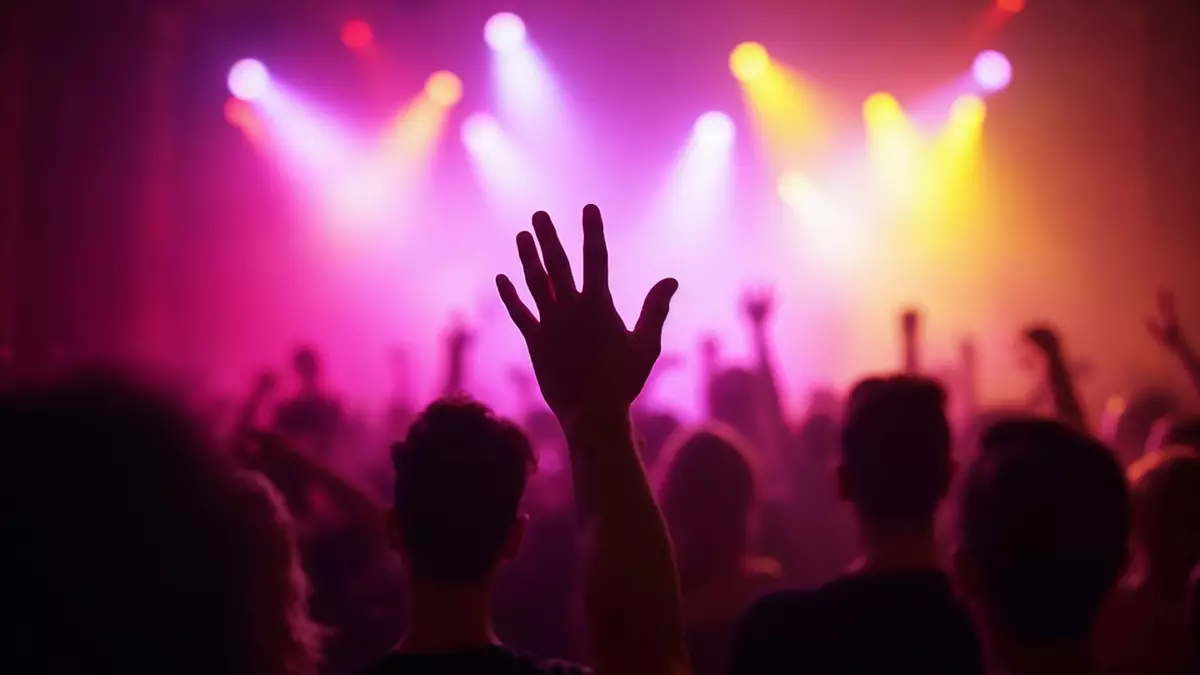
You can feel it again: that Tom Petty surge. Streams up, vintage shirts back out on the street, fan accounts posting deep cuts like it’s 2010 Tumblr all over again. For a whole new wave of listeners, Tom Petty isn’t just "your parents’ rock guy" anymore – he’s the soundtrack for driving too fast, leaving bad situations, and deciding you’re done being "someone else’s dream." Fans are revisiting the Heartbreakers era, the solo records, even the Mudcrutch days, and it’s starting to feel less like nostalgia and more like a live conversation that never really ended.
Explore the official Tom Petty universe here
Part of the buzz is anniversaries, part of it is posthumous releases and tribute shows, and part of it is TikTok teens suddenly crying to "Wildflowers" like it just dropped yesterday. The bigger truth? Tom Petty’s catalog hits a 2026 nerve: burnout, quiet rage, choosing yourself, refusing to be pushed around. So what exactly is happening right now in the world of Tom Petty – and what should you, as a fan or a curious newbie, be watching for?
The Backstory: Breaking News in Detail
Tom Petty died in 2017, but the story of his music really didn’t stop. In the years since, his estate, surviving Heartbreakers, and longtime collaborators have slowly opened the vaults and reshaped how his legacy lives online and on stage. In the last couple of years, we’ve seen expanded editions of key albums, upgraded remasters, deep-dive box sets, and carefully curated archival drops that highlight how much material he was sitting on.
Recent attention has focused heavily on the Wildflowers era – often described by Petty himself as the moment he finally made the record he’d always wanted to make. Labels and estate reps have leaned into that narrative with expanded releases and live versions, and fans have treated it almost like a cinematic universe: alternate takes, demo lyrics, evolving arrangements of songs like "You Don’t Know How It Feels" and "It’s Good To Be King." For younger listeners, Wildflowers has become the gateway drug; for older fans, it’s a chance to reframe a record they thought they already understood.
On the live front, what’s really driving conversation are tribute shows and all-star nights built entirely around Tom Petty songs. Across the US and UK, venues keep announcing "Tom Petty Celebration" nights – some run by serious touring tribute acts, some one-offs with local heroes, and others stacked with big-name guests covering Petty songs for charity or special events. Even without a traditional tour to track, fans are following who plays what, which deep cuts are finally getting stage time, and which artists seem to "get" Petty’s writing the deepest.
Behind all of this is a bigger shift in how estates handle legendary catalogs. For Tom Petty, the pattern has been slow but obsessive: instead of dumping everything on streaming overnight, the releases roll out like chapters. Each new project – a live collection from a specific tour, a box centered on one album, a rare radio broadcast cleaned up from the archives – gives fans a new lens. People on Reddit threads and fan forums dissect sequencing decisions, track selection, and which eras the estate seems to favor.
Industry watchers point out that Petty’s catalog streams consistently across generations: the big radio hits hook casual listeners, while the album cuts lock in the obsessives. That makes any new drop – a live cut, a surround mix, or a remastered video – feel weirdly current, because the songs are already woven into playlists with today’s indie, alt, and bedroom-pop acts. Every fresh release ends up sparking TikTok edits, long YouTube comment essays, and IG carousels about "how Tom Petty taught me to leave." In other words: this isn’t just remembrance, it’s active fandom.
The Setlist & Show: What to Expect
Since Tom Petty himself isn’t on stage anymore, the "setlist" now means three main things: what the surviving Heartbreakers choose to play when they appear at tribute nights, what official archival live releases focus on, and what tribute bands across the US/UK are building their shows around.
Let’s start with the obvious foundation. Any Tom Petty-centered night almost always anchors around these core songs:
- "Free Fallin'"
- "American Girl"
- "Refugee"
- "I Won’t Back Down"
- "Don’t Do Me Like That"
- "Runnin’ Down a Dream"
- "Mary Jane’s Last Dance"
- "Learning to Fly"
Those tracks are basically non-negotiable. Even more serious, album-focused shows tend to close with "American Girl" or "Runnin’ Down a Dream" because those riffs still light up a room in seconds. You’ll hear entire crowds – from gray-ponytail dudes to kids in thrifted Carhartt – shout-singing the choruses like it’s a communal exorcism. Recorded live sets from classic Petty tours confirm this energy: his shows often opened with a mid-tempo confidence builder like "You Wreck Me" or "Kings Highway" and then slammed directly into the hits.
What’s changed in the tribute era is the number of deep cuts creeping into setlists. Hardcore fans push for songs like:
- "Walls (Circus)"
- "Crawling Back to You"
- "Southern Accents"
- "Room at the Top"
- "The Waiting" (album version vibes, not just the radio memory)
- "It’ll All Work Out"
- "Straight Into Darkness"
When these show up, the room shifts. Instead of just "classic rock night," it becomes an emotional check-in. Couples hug, people go quiet, phones come out but often to film in near-silence, not scream. Tom Petty’s ballads and mid-tempo songs were always brutally direct – no metaphor overload, just someone naming the feeling you were trying to ignore.
Archival live sets and box sets often mirror that balance. You’ll get a spine of crowd-pleasers – "Even the Losers", "Breakdown", "You Got Lucky" – but in between are songs only deep fans know by heart. A live "Angel Dream (No. 2)" here, a surprise "Yer So Bad" or "It’s Good to Be King" there. On vinyl and digital reissues, sequencing matters: labels are careful to keep the emotional pacing Petty loved, where a freewheeling rocker is followed by something lonely and searching.
Atmosphere-wise, Tom Petty tribute shows feel strangely modern. You’ll see flares of indie, Americana, and alt-country fashion: boots, loose tees, denim everything, a sea of old tour merch. The vibe is less "stuffy legacy act" and more like a late-night festival slot: messy, sweaty, cathartic. That’s part of why his songs work so well in 2026 – you don’t need to know the entire catalog to feel like you belong. When "I Won’t Back Down" hits, people who’ve been through layoffs, breakups, or political burnout all sink into that chorus in the same way.
For anyone coming in fresh: expect loud guitars, huge choruses, and a surprising amount of tenderness. These are not songs built to show off; they’re built to live inside you. Whether you’re listening to a newly released live recording from the archives or walking into a tiny bar where a local band is covering "You Got Lucky," the setlist is built like a story – one that usually ends with you walking out feeling a little more sure of yourself.
What the web is saying:
Rumor Mill: What Fans Are Speculating
On Reddit, Discord servers, and TikTok, Tom Petty conversation right now lives in a weirdly specific place: halfway between mourning and hype. People aren’t just saying "RIP legend" anymore – they’re arguing over box-set sequencing, unreleased demos, and which future releases the estate might be sitting on.
One big theory floating around fan communities is the idea of a full-career live anthology, arranged like a single continuous tour through the decades. Fans point out how many pro-shot shows and soundboard recordings exist from the late '70s through the 2010s. The dream: a streaming-era box where each "disc" or playlist is a different era – early bar-band ferocity around "American Girl", MTV-era polish with "You Got Lucky", the lush Wildflowers sound, and the late-period swagger of songs like "Saving Grace" and "You Wreck Me" live. People speculate that the estate could roll this out slowly, tying each drop to an anniversary and exclusive vinyl pressings.
Another ongoing rumor: more stripped-back, acoustic Tom Petty recordings. Fans on r/music and r/TomPetty swap grainy clips of solo performances of "Southern Accents" or "Yer So Bad" and wonder how much clean, multi-track audio sits in vaults. The appetite is real – younger listeners especially seem obsessed with the idea of hearing Petty in more raw, almost bedroom-folk mode, closer to how they listen to modern singer-songwriters.
Then there’s the TikTok angle. Every few weeks, a Tom Petty song goes semi-viral on the app thanks to some edit – a girl leaving a toxic job scored to "I Won’t Back Down", late-night drive footage over "Runnin’ Down a Dream", someone quietly cleaning their apartment to "Wildflowers". That’s sparked theories that labels will start officially leaning into these trends with lyric videos optimized for vertical screens and targeted campaigns around specific songs. Fans half-joke that "American Girl" is one good TV sync away from fully taking over summer again.
There’s also constant speculation about tribute tours. With so many legacy bands doing "celebration of" runs without original singers, fans occasionally float the idea of a rotating-guest Tom Petty tribute tour anchored by surviving Heartbreakers. Names get thrown around – everyone from younger Americana stars to veteran rock vocalists – but opinions are split. Some feel it would be an incredible way to keep the songs alive at arena level; others argue Petty’s voice and presence are too central, and the best tribute is letting the songs live in smaller venues and playlists, not arenas.
Ticket prices are part of the discourse too. As big-name tribute acts get more popular, some fans complain that shows built on Petty's songs are drifting away from the every-person accessibility his music represented. On the flip side, defenders point out that most local tribute nights are still reasonably priced, with the bigger production tours offering massive light shows, visual backdrops, and long, career-spanning sets that justify the cost.
Underneath all the rumors is one shared assumption: there is more Tom Petty material out there, and it will keep coming. The questions that keep fans glued to forums aren’t if they’ll hear more, but how and when: full-album live runs? More home demos? Deluxe treatments for albums like Into the Great Wide Open or Echo? Even without hard confirmation, the speculation itself keeps the fandom active – playlists get refreshed, old interviews get resurfaced, and people discover songs like "Walls" or "You and I Will Meet Again" for the first time because someone mentioned them in a rumor thread.
Key Dates & Facts at a Glance
| Type | Detail | Location / Album | Date / Era | Notes |
|---|---|---|---|---|
| Birth | Tom Petty born | Gainesville, Florida, USA | October 20, 1950 | Grew up obsessed with rock & roll and The Beatles |
| Band Formation | Tom Petty and the Heartbreakers form | Los Angeles, California | Mid-1970s | Core lineup included Mike Campbell and Benmont Tench |
| Debut Album | Tom Petty and the Heartbreakers released | Self-titled debut | 1976 | Featured "American Girl" and "Breakdown" |
| Breakthrough | Damn the Torpedoes released | Studio album | 1979 | Includes "Refugee" and "Don't Do Me Like That" |
| Solo Era | Full Moon Fever released | Solo album | 1989 | Home to "Free Fallin'" and "I Won't Back Down" |
| Classic Album | Wildflowers released | Solo album (with Heartbreakers involvement) | 1994 | Widely considered one of his greatest works |
| Supergroup | Traveling Wilburys projects | Traveling Wilburys Vol. 1 & 3 | Late 1980s | With George Harrison, Jeff Lynne, Bob Dylan, Roy Orbison |
| Final Tour | 40th Anniversary Tour | North America | 2017 | Capped a four-decade run of touring |
| Passing | Tom Petty dies | Los Angeles, California | October 2, 2017 | Global outpouring of tributes and memorial events |
| Legacy | Ongoing archival and tribute projects | Global | 2018–2026 | Expanded releases, tribute shows, and fan-led events |
FAQ: Everything You Need to Know About Tom Petty
Who was Tom Petty, in simple terms?
Tom Petty was a singer, songwriter, and bandleader who wrote the kind of rock songs that feel both huge and deeply personal. Born in Gainesville, Florida in 1950, he came up obsessed with early rock & roll and The Beatles, moved to Los Angeles, and formed Tom Petty and the Heartbreakers. Over four decades he turned out a long run of records that blended jangly guitars, sharp storytelling, and instantly memorable hooks.
Unlike some rock stars who felt aspirational and distant, Petty’s persona was different: stubborn, wry, suspicious of power, always on the side of the underdog. Songs like "I Won’t Back Down", "Refugee", and "Even the Losers" aren’t just rock radio staples – they’re life mottos. He made arena-sized music that still felt like it was written for one person driving alone at night.
What are Tom Petty’s must-hear songs if I’m just starting?
If you’re new, start with a mix of huge singles and a couple of emotional deep cuts to get the full picture. Essential tracks most fans agree on:
- "Free Fallin'" – breezy on the surface, devastating if you really listen.
- "American Girl" – pure adrenaline, a forever road-trip song.
- "I Won't Back Down" – simple, stubborn, weirdly comforting.
- "Learning to Fly" – quiet, resigned, hopeful at the same time.
- "Refugee" – snarling, defiant energy.
- "Mary Jane's Last Dance" – dark, hypnotic, somehow still fun.
- "Wildflowers" – the title track that’s become a healing anthem.
Once those hit, go for full albums like Full Moon Fever and Wildflowers. They’re structured like emotional journeys: Petty loved sequencing, and you can feel him thinking about which song you should hear next, not just which single should be on the radio.
Why does Tom Petty feel so relevant to Gen Z and Millennials right now?
Because the problems he wrote about – burnout, being underestimated, trying to leave bad situations with your dignity intact – haven’t gone anywhere. A lot of his lyrics are basically soft anti-gaslighting anthems. There’s no manic positivity, no "it’s fine" mask; his characters are tired, hurt, and stubbornly hopeful.
"I Won’t Back Down" hits different when you’re fighting a landlord or a boss instead of a cartoon villain. "You Don’t Know How It Feels" sounds like someone trying to stay human while everything around them gets louder and more chaotic. "You Got Lucky" is the perfect track for anyone who’s finally walked away from a one-sided relationship. Add TikTok’s obsession with nostalgic guitar textures, and Tom Petty’s sound slides neatly into playlists next to indie, alt, and lo-fi acts.
There’s also the honesty factor. Petty didn’t over-sing, didn’t over-write, didn’t chase trends. In an era obsessed with aesthetic and branding, his straightforward delivery feels refreshing – like a voice you can actually trust.
Where should I go if I want to explore Tom Petty more deeply?
Your first stop online should be the official site, which centralizes news, releases, and legacy projects. Beyond that, streaming services host most of the core catalog – studio albums with the Heartbreakers, solo projects, and live records. Start with a greatest hits collection if you want quick context, then dive into full albums.
For community, Reddit has active threads where fans trade stories about their first Petty song, share bootleg setlists, and debate the most underrated tracks. On YouTube, full concert uploads and old TV appearances show how consistent a live performer he was. Instagram and TikTok are where you’ll see the newer wave of fans doing edits, tattoo reveals, and car-ride singalongs.
When did Tom Petty's career really take off – and when did it end?
Commercially, the ignition moment was the late 1970s. The Heartbreakers’ early albums broke through in both the US and UK, with "Refugee" and "Don’t Do Me Like That" making him a rock-radio fixture. Through the 1980s and 1990s, he stacked hits – "Don’t Come Around Here No More", "Free Fallin'", "I Won't Back Down", "Learning to Fly" – and by the time Wildflowers arrived in 1994, he was locked in as a multi-generational favorite.
Career-wise, he never really faded. The 2000s gave him late-career respect, festival headlining slots, and constant touring. His final major run was the 40th Anniversary Tour in 2017, celebrating four decades with the Heartbreakers. He died that October, just after the tour wrapped. What’s unusual about Petty is that he left while still playing at a high level; there was no long decline phase. That’s part of why his catalog feels so current – the last images people have are of a working, vital artist.
Why do fans and musicians talk about Tom Petty’s songwriting like it’s sacred?
Because it’s deceptively simple. Petty’s songs rarely lean on wild chord changes or elaborate metaphors. Instead, he strips everything down to emotional essentials. Lines like "Even the losers get lucky sometimes" or "You belong among the wildflowers" look almost too plain on paper – until you realize no one else wrote them first. That combination of clarity, economy, and melody is what working songwriters obsess over.
Musicians also respect his sense of structure. Verses feel like real conversations; choruses arrive exactly when you need them; bridges actually change the emotional angle instead of just killing time. And he knew when not to sing – those short, guitar-led breaks between lines are part of why songs like "Free Fallin'" and "The Waiting" stick in your head for years.
How can I experience Tom Petty’s music live now that he’s gone?
You obviously can’t see him in person anymore, but you can still feel the songs in real time. There are several routes:
- Tribute bands and celebration nights: Bars, theaters, and midsize venues across the US and UK frequently host Tom Petty tribute shows. Some acts are almost note-for-note recreations; others take more interpretive, indie or Americana spins on the catalog.
- Festival covers: Watch lineups and setlists – a lot of bands work at least one Tom Petty cover into their sets. Those moments usually turn fields into massive singalongs.
- Official live releases: Archival concert recordings give you a front-row seat to different eras – the young, hungry Heartbreakers, the stadium-level veteran, the stripped-back solo storyteller.
If you go out to a tribute show, expect imperfections. No one will sound exactly like Tom Petty, and that’s kind of the point. The real rush is hearing entire rooms shout "You don't know how it feels to be me" or "And I'm freeeee" in one huge voice. The songs are the headliner now.
What’s the best way to honor Tom Petty’s legacy as a fan?
Honestly: listen with intention and share the songs that moved you. Put "Wildflowers" on a playlist for a friend going through it. Bring "The Waiting" into your pre-move soundtrack when you’re leaving a city or relationship. Support tribute nights in your local scene. Buy or stream the official releases so the people maintaining his catalog know there’s demand for deeper cuts and thoughtful projects.
Most of all, live the energy he kept coming back to: protect your autonomy, fight quietly but firmly for yourself, and don’t let anyone bulldoze you. That’s built into every chorus you can’t get out of your head – and it’s why Tom Petty, in 2026, doesn’t feel like an old story. He feels like advice you still need.


