
Why Tom Petty Feels More Alive Than Ever in 2026
Published on 02/19/2026 at 13:45 | Editorial responsibility: Rafael Müller, Editor-in-Chief AD HOC NEWS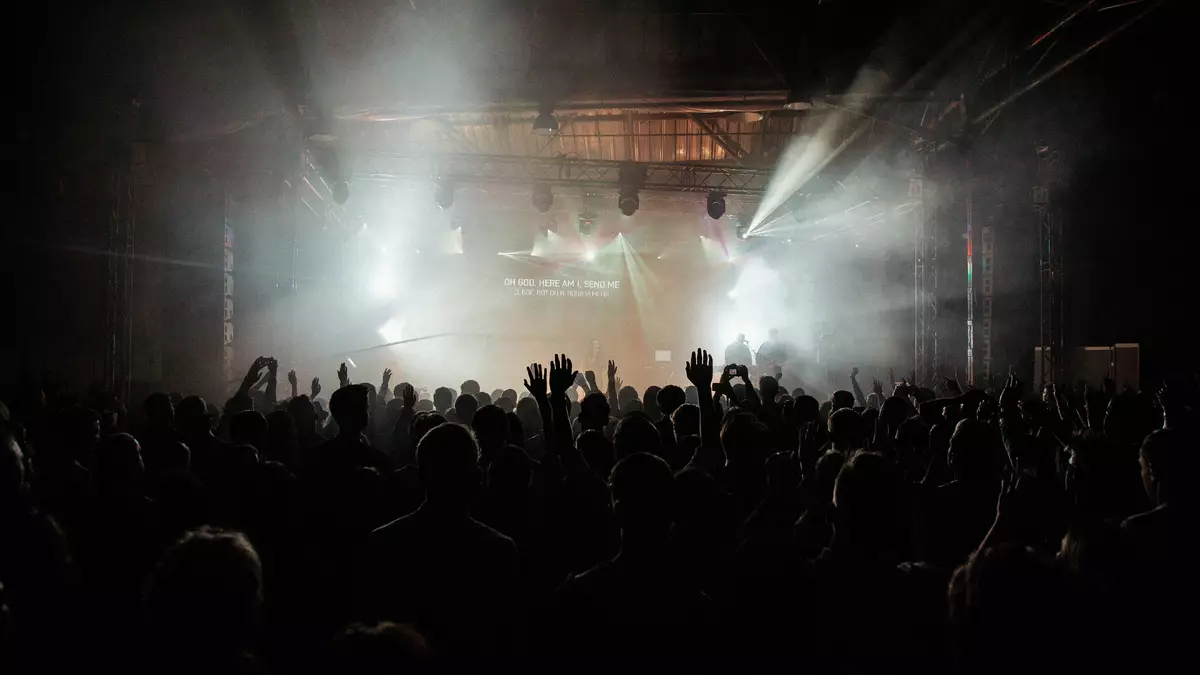
If it feels like Tom Petty is suddenly everywhere again, you’re not imagining it. From TikTok edits soundtracked by "American Girl" to college kids discovering Wildflowers for the first time, Petty’s music is moving through a whole new generation that wasn’t even old enough to see him live. Hardcore fans are trading bootlegs, vinyl reissues keep selling out, and tribute shows across the US and UK are pulling crowds that look more Gen Z than boomer.
Official Tom Petty site: news, music, and legacy projects
Even without Tom physically here, the Petty universe is very much active: archival releases, tribute tours, immersive listening events, and constant fan speculation about which era will get the next deluxe reissue. If you’ve ever screamed along to "Free Fallin'" in a bar at 1 a.m. or cried to "Wildflowers" in your car, this moment is built for you.
The Backstory: Breaking News in Detail
Since Tom Petty’s passing in 2017, his family and bandmates have taken a slow, careful approach to his legacy. Instead of dumping everything on streaming in one messy wave, they’ve been rolling out projects that actually feel curated: expanded editions, remasters, box sets and deep archival drops that give fans new angles on songs they thought they already knew.
In the last few years we’ve seen deluxe versions of Wildflowers, live collections from the Heartbreakers’ peak touring years, and a steady stream of unearthed live recordings and demos. Industry interviews with members of the Heartbreakers and Petty’s longtime producers make one thing clear: there’s still a lot in the vault. They hint at multi-track live shows from the late ’70s and early ’80s, alternate versions of hits like "Refugee" and "The Waiting", and entire runs of concerts that were professionally recorded but never released.
What’s fueling the current wave of chatter in 2026 is a combination of anniversary energy and algorithm magic. Multiple Petty classics have gone viral again on social platforms. "American Girl" is soundtracking nostalgic road-trip edits, "Runnin' Down a Dream" is getting synced under POV grind videos, and "You Don’t Know How It Feels" is all over stoned late-night TikTok. Every time a track spikes on social, streams jump, younger fans go digging, and suddenly there’s a new audience demanding vinyl, box sets and live footage.
Add to that the steady drumbeat of tribute projects: all-star shows where big names from rock, country, and even indie-pop reinterpret the catalog, orchestral tribute nights where full symphonies tackle "Learning to Fly", and small club bands doing full-album performances of Damn the Torpedoes or Full Moon Fever. Promoters know these shows sell; fans know they’re as close as they’ll ever get to the real thing. Behind the scenes, labels and rights holders understand the power of this moment and keep feeding it with carefully timed releases, often coinciding with key anniversaries of classic albums or legendary tours.
For you as a fan, the implication is simple: Tom Petty isn’t fading into “classic rock radio only” status. Instead, he’s quietly crossing into that rare zone where his music behaves like a living catalog: constantly resurfacing, constantly being reinterpreted, constantly finding new listeners. Whether the next big news is another box set, an immersive Dolby Atmos overhaul of a key album, or a documentary-style concert film hitting streaming, it’s clear that the Petty story hasn’t hit its final chapter.
The Setlist & Show: What to Expect
Because Tom Petty himself can’t tour anymore, the live side of his world in 2026 falls into three main lanes: official-leaning tribute productions, one-off all-star salute nights, and the hundreds of independent tribute bands packing theaters, clubs, and festival side stages.
Across all of them, the setlist energy is surprisingly consistent: fans want the hits, but they also want deep cuts. A typical tribute-night running order will usually slam right out of the gate with something like "Listen to Her Heart" or "I Won’t Back Down" to lock in the casuals, then move into a mid-set run that’s pure fan-service. That’s where you’ll hear "Here Comes My Girl", "Even the Losers", "Insider", "Walls (Circus)", or the title track from Wildflowers—songs that aren’t necessarily on every Spotify "Classic Rock" playlist but mean everything to the people who really know the catalog.
You can basically bet money that any credible Petty-focused show will close with a stretch anchored by "Refugee", "Runnin' Down a Dream" and "American Girl". Sometimes you’ll also get "Mary Jane’s Last Dance" or "Free Fallin'" tossed in near the end to guarantee a massive, everyone-singing shout-along. Expect call-and-response moments on "Don’t Do Me Like That" and full-crowd harmonies on "Learning to Fly"—it’s the kind of material that turns a random Tuesday night show into something that feels like a communal therapy session.
Atmosphere-wise, the vibe can change depending on the room. In theaters and bigger venues, you’ll see multi-generation crowds: parents in faded tour shirts from the ’80s next to teens who discovered "You Wreck Me" on a playlist, plus thirtysomethings who see Petty’s catalog as the soundtrack to growing up. In clubs and smaller rooms, it can lean younger and rowdier, with crowds shouting every word to "You Got Lucky" like it came out last week. Tribute bands who really commit to the Heartbreakers format—telecasters, Rickenbackers, Hammond organ, and those chiming, slightly ragged harmonies—tend to draw the diehards who will notice if a solo gets changed or a bridge is extended.
Musically, the key to doing this material right is respecting its simplicity without flattening its swagger. When bands cover "Breakdown", the temptation is to ramp it up into a rock banger, but the original works because it hangs back and smolders. On "Refugee", the groove sits deep in that late-’70s Tom Petty & The Heartbreakers pocket—half punk, half Stones, all attitude. Better tribute acts understand these feel details and nail the dynamics: quiet verses, explosive choruses, and those little guitar fills that make you go, "Oh yeah, that’s the part."
Some shows now incorporate visuals pulled straight from Petty’s eras: grainy late-’70s black-and-white shots, MTV-era neon from the "Don’t Come Around Here No More" video, or desert-highway imagery to match "Runnin' Down a Dream". Others go lo-fi and let the songs do the talking. Either way, if you walk into a Petty-themed night in 2026, expect two solid hours of hooks, stories, and the weird emotional weight that comes from yelling "I won’t back down" with a few thousand strangers who clearly need that line just as much as you do.
What the web is saying:
Rumor Mill: What Fans Are Speculating
Petty fandom online has always been passionate, but in the absence of new tours, the rumors and theories have become their own kind of sport. Scroll through Reddit threads on r/music or classic rock subs and you’ll see the same questions coming up over and over: What’s still in the vault? Are we getting a full official release of some legendary tour? Will there be a proper streaming-era documentary series that dives into every album cycle?
One recurring theory: a comprehensive live box drawn from a single iconic tour, like the late-’80s Heartbreakers run where the band famously blended psychedelic jangle, straight rock, and Petty’s increasingly sharp songwriting. Hardcore fans trade partial soundboards and audience recordings of shows where "The Waiting" segues into "Refugee" with extended jams, or where Petty slips in early versions of tracks that wouldn’t appear on record for years. The dream is a multi-disc or multi-volume project—think one full show from each decade, properly mixed, with liner notes from the surviving Heartbreakers and maybe even fan essays.
Another rumor zone: immersive formats. With streaming platforms now leaning hard on spatial audio, fans are convinced that big Petty albums like Damn the Torpedoes and Full Moon Fever will either get Atmos upgrades or new high-res remasters. Threads pop off over tiny details—people debating whether the acoustic guitars on "Free Fallin'" should sit wider in the mix, or whether "Don’t Do Me Like That" would lose its punch if you mess too much with the stereo field.
TikTok is its own different lane of speculation. Here, the energy is less technical and more emotional. Short clips ask, "What’s the most underrated Tom Petty song?" and you’ll see the same titles getting love: "Straight Into Darkness", "You and I Will Meet Again", "It’ll All Work Out", "Insider". There’s a whole micro-trend of fans ranking entire albums in under 30 seconds, complete with super-fast edits and chaotic text overlays: "You’re sleeping on Hard Promises, wake up!" or "How are we not talking about Into the Great Wide Open more?"
Then there’s the inevitable ticket-price discourse around tribute shows and anniversary events. Any time a bigger artist announces a Petty-honoring night in a major city—say, a London, New York, or LA one-off—people immediately argue in the comments about whether it’s fair to charge arena prices for a night where the honoree isn’t physically on stage. Some fans push back and say, "You’re paying for the full production, the band, the arrangements, the emotional hit." Others argue those nights should be more accessible, especially for younger fans just discovering the music.
Underneath all the noise, one feeling runs through almost every post: Petty’s songs still feel like they’re talking directly to now. People use "I Won’t Back Down" and "You Got Lucky" as personal mottoes, quote "You Don’t Know How It Feels" in mental health threads, and share "Room at the Top" when they’re going through a breakup. So even when the speculation gets wild—full-era box sets, surprise collab tributes, animated visual albums—what the fandom is really saying is: there’s still demand, and there’s still a deep emotional need to keep these songs active in the culture.
Key Dates & Facts at a Glance
| Type | Detail | Why It Matters |
|---|---|---|
| Career Breakthrough | Late 1970s success with Tom Petty & The Heartbreakers, powered by albums like Damn the Torpedoes | Established Petty as a mainstay in rock radio and live touring across the US and UK. |
| Iconic Solo Era | Release of Full Moon Fever, featuring "Free Fallin'", "I Won’t Back Down", "Runnin' Down a Dream" | Brought Petty to a new generation through MTV and global pop crossover. |
| Fan-Favorite Album | Wildflowers era, often cited by fans as his most emotionally honest work | Currently one of the most streamed Petty records among younger listeners. |
| Live Legacy | Decades of touring with the Heartbreakers, including marathon sets of hits and deep cuts | Fuel for ongoing tribute shows and archival live releases. |
| Posthumous Activity | Ongoing box sets, remasters, live collections, and curated archival projects | Ensures the catalog stays active on streaming and in physical formats. |
| Streaming Resurgence | Viral use of "American Girl", "Runnin' Down a Dream", and "Wildflowers" on social platforms | Driving younger audiences to discover entire albums, not just singles. |
| Tribute Events | All-star tribute concerts and orchestral Petty nights in major cities | Live gateway for new fans who never saw him perform. |
FAQ: Everything You Need to Know About Tom Petty
Who was Tom Petty, in simple terms?
Tom Petty was the songwriter you probably know even if you think you don’t. He fronted Tom Petty & The Heartbreakers, released massive solo hits, joined the Traveling Wilburys supergroup with George Harrison, Bob Dylan, Roy Orbison, and Jeff Lynne, and spent four decades writing songs that were immediate enough for radio but deep enough to live in people’s heads for years. He balanced punk energy with classic rock melody and folk storytelling. If you only remember him as "the guy with the hat and the Rickenbacker guitar", you’re barely scratching the surface.
What songs should a new fan start with?
If you’re coming in fresh, build yourself a starter pack like this:
- Free Fallin' – the obvious gateway, but it hits for a reason.
- American Girl – pure late-night, driving-with-the-windows-down energy.
- Refugee – snarling, defiant, and still weirdly modern.
- Learning to Fly – deceptively simple, heartbreak hiding inside hope.
- Runnin' Down a Dream – adrenaline, riffs, and a guitar solo that never gets old.
- Wildflowers – if this one breaks you a little, welcome to the fanbase.
- Mary Jane’s Last Dance – moody, smoky, and instantly recognizable.
Once those hook you, dig into full albums: Damn the Torpedoes for peak band rock, Full Moon Fever for late-’80s pop-rock perfection, and Wildflowers when you’re ready for something quieter and more personal.
Why do people say his music hits differently live, even in tribute shows?
Petty wrote in a way that feels almost casual on record: clear chords, clean choruses, nothing fussy. Live, that clarity turns into something huge. Every line is easy to sing; every chorus invites you in. So when a roomful of people shout "You can stand me up at the gates of hell" together, it stops being just a line in a song and starts feeling like a shared promise. Tribute acts that get it right lean into this: they’re not trying to impersonate him, they’re trying to recreate the shared release that defined his best shows.
There’s also the band dynamic. The original Heartbreakers had a very specific chemistry: Mike Campbell’s melodic, never-too-flashy leads; Benmont Tench’s warm, churchy keys; that steady, muscular rhythm section. Good tribute bands, and even orchestral or cross-genre tributes, try to honor that balance—no one instrument dominates for long, and the song always comes first. That balance is why people keep leaving Petty-themed nights saying, "I forgot how many of these I knew" and "Wow, those lyrics hit harder than I remembered."
Where can I legitimately dive deeper into his world in 2026?
Start with the official channels if you want the cleanest info and releases. The official site keeps tabs on new projects, reissues, and legacy news, and major streaming platforms host curated Petty playlists that highlight different sides of his work: "Heartbreakers Essentials", "Deep Cuts", "Storyteller Tom", and more.
From there, fan communities are where the real deep-dives happen. Reddit threads pick apart alternate takes, vinyl pressings, and live tapes. Discord servers trade listening-party links and compare setlists from past tours. On TikTok and Instagram Reels, you’ll find shorter, more chaotic content: ranking videos, "songs that saved my life" confessionals, and aesthetic edits built around specific tracks. Each platform reflects a different way of loving this catalog: head, heart, or pure vibes.
When did his influence start showing up in younger artists?
You can hear Tom Petty all over modern indie, pop, and alt-country, even when his name doesn’t get dropped directly. Those chiming guitars and steady mid-tempo grooves? That’s Petty DNA. The unpretentious, everyman songwriting voice—confessional but not self-indulgent, plain-spoken but not shallow? Also Petty.
In the 2000s and 2010s, a ton of acts basically graduated from the Tom Petty school of songwriting, whether they admit it or not. Bands that mix heartland rock with indie sensibility often cite him as an influence. Country and Americana songwriters borrow his storytelling style and his sense of pacing—verse, pre-chorus, chorus, all landing exactly when they need to. Even some pop artists have shouted him out as a model for how to write something catchy that doesn’t feel disposable.
Why does his catalog feel so timeless to younger listeners who weren’t alive for his peak years?
Part of it is that Petty never chased trends too hard. He updated his sound, sure—listen to the production shift between the rawness of the late ’70s and the slicker sheen of the late ’80s—but he didn’t bolt himself to any one fad. No obvious auto-tune era, no awkward genre pivots, no attempts to chase EDM drops. Because the writing stayed focused on melody, hooks, and very human feelings—boredom, craving freedom, anger, low-key hope—the songs slide easily into new eras.
The other part: his lyrics live in that sweet spot where they’re easy to grasp but never childish. "You belong among the wildflowers" hits whether you’re dealing with a breakup, burnout, or just trying to move to a new city and start over. "You can stand me up at the gates of hell" works as a meme caption and as a personal mantra. There’s a reason Gen Z kids use these lines on photo dumps and mental-health check-in posts: they hold up, no context needed.
What’s the best way to experience his music if you never saw him live?
Blend formats. Start with studio albums to get the songs as they were originally conceived. Then, queue up a strong live collection (official ones or high-quality unofficial recordings) to hear how the band stretched and reshaped those same songs on stage. Listen for the little differences: tempo bumps on "American Girl", extended solos on "Runnin' Down a Dream", slow-burn intros on "Breakdown".
If you can, catch a reputable tribute act or an all-star Petty night in your area. No, it’s not the same as being in the room with the real thing—but it is a way to feel these songs at full volume, surrounded by people who know every word. That combination of live volume, crowd energy, and lyrics you’ve half-memorized from streaming is probably the closest you’ll get to understanding why people talk about his shows with such raw affection.
And if none of that is accessible, there’s always the most timeless listening scenario of all: headphones, late at night, maybe a little heartbroken, "Wildflowers" or "Room at the Top" on repeat. That’s where a lot of fans, even in 2026, really meet Tom Petty for the first time.


