Why The Strokes Are Suddenly Everywhere Again
08.03.2026 - 18:27:46 | ad-hoc-news.de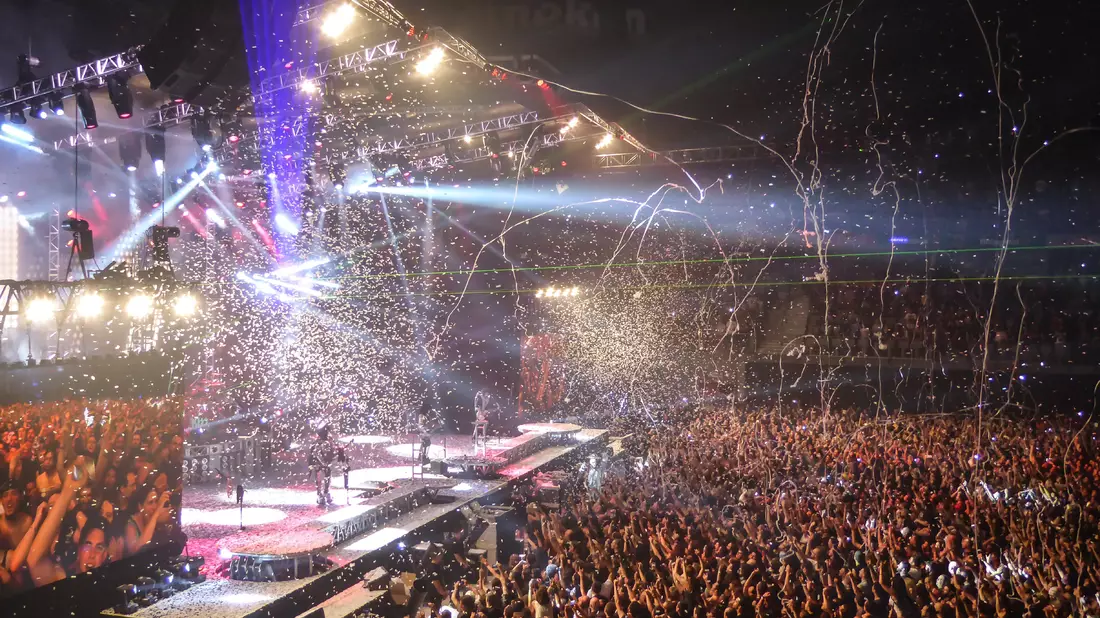
If you feel like The Strokes have quietly slipped back into every playlist, TikTok edit, and late-night group chat at the same time, you're not wrong. Between surprise festival sets, studio rumors, and fans dissecting every blurry clip of Julian Casablancas on stage, the New York indie legends are in one of their most talked?about phases since the early 2000s.
Head straight to The Strokes' official site for the latest drops
You're seeing people post "Last Nite" like it just came out, kids discovering "Reptilia" for the first time, and older fans quietly losing it over deep cuts slipping into recent setlists. It feels like a band gearing up for something bigger than just nostalgia.
The Backstory: Breaking News in Detail
Here's the current picture: veteran fans and newer TikTok listeners are watching The Strokes with the same question in mind — is a new era actually coming? While there hasn't been an officially announced brand?new studio album as of early 2026, everything around the band looks like classic "pre?cycle" behavior: selective shows, refreshed visuals, and interviews where they suddenly become a bit more reflective and cagey at the same time.
In recent conversations with major music media over the last year, members of the band have hinted that they're still writing and recording, just not on a hyper?public schedule. The tone has been pretty consistent: they don't feel like they owe anyone another early?2000s retread, but they also know there's an audience hungry for whatever weird, grown?up Strokes music looks like now. One interview had Julian basically saying that they avoid over?announcing things because it kills the fun — a very Strokes way to admit that yes, work is happening behind the scenes.
On the live side, the pattern is just as interesting. Instead of grinding out a year?long world tour, The Strokes have been popping up at carefully chosen festivals, iconic venues, and city?specific dates that feel more like events than routine gigs. Fans in the US and UK have clocked that their name still carries headliner energy: tickets vanish fast, resale prices spike, and timelines fill up with people posting grainy videos of "Under Cover of Darkness" like it’s a religious experience.
Another piece of the story: the band has leaned into their legacy without acting like a museum act. Their most recent festival and headline sets pull from across their catalog, not just Is This It. You'll get “The Adults Are Talking” alongside “Someday”, which does more than just satisfy fan service — it signals that the band sees their later work as just as essential as the early hits. For a group that once seemed kind of allergic to their own hype, that's a subtle but important shift.
And then there's the visual and social side. New photoshoots, updated stage production, refined setlists — none of it screams random nostalgia cash?in. It looks like a band carefully re?positioning itself in a world it accidentally helped create: a generation raised on guitar music that sounds exactly like, well, them.
For fans, the implication is clear: keep your notifications on. Whether it's a new album, a series of special shows, or a big anniversary moment, The Strokes are behaving like a band getting ready to make another statement, not like a group quietly coasting on old glories.
The Setlist & Show: What to Expect
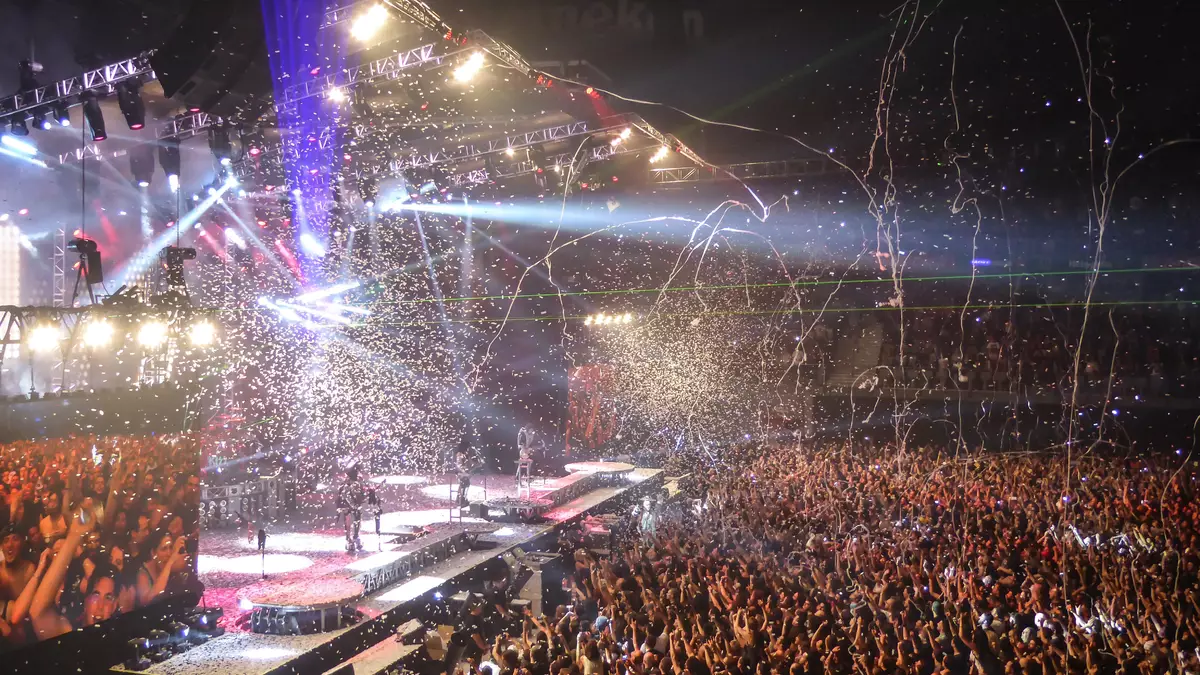
If you're trying to picture what a 2020s Strokes show actually feels like, think less chaotic dive bar and more cult movie screening where everyone already knows every line. The band leans hard into songs that defined entire eras of indie rock, but they keep the night from turning into a pure nostalgia binge by mixing in later?period highlights.
Recent setlists from high?profile gigs have followed a loose formula. You usually get an opening that sets the tone quickly — something like "The Adults Are Talking" or "Bad Decisions" as a way of reminding you that they're not stuck in 2001. From there, it’s a ricochet between eras:
- Early chaos from Is This It with songs like "Last Nite", "Someday", "Hard to Explain" and "New York City Cops".
- Mid?career cuts like "Juicebox", "Heart in a Cage", or "You Only Live Once" that hit way harder live than people expect.
- More recent favorites like "Under Cover of Darkness", "Life Is Simple in the Moonlight", and "Brooklyn Bridge to Chorus".
The atmosphere is uniquely Strokes: visually minimal but emotionally heavy. You’re not going for fireworks or giant LED storylines. You're going for the feeling when the first riff of "Reptilia" drops and a crowd of thousands moves like one person. You're going to watch Julian half?mumble, half?snarl his way through songs that people have been attaching to their own heartbreaks and comebacks for 20 years.
One thing fans keep pointing out online is how the band has tightened up musically without losing that slightly messy, too?cool energy that made them feel real in the first place. Albert Hammond Jr. and Nick Valensi lock in on guitar lines that feel almost mechanical in how precise they are, while still sounding like they could collapse at any second. Nikolai Fraiture's bass stays unbothered at the center of it all, and Fabrizio Moretti drives the songs live with a punch that doesn't always show up on the studio recordings.
Vocally, Julian is in an interesting place. Some nights he sounds eerily close to his younger self; other nights he leans into a more lived?in, raw delivery that adds weight to songs like "Under Control" or "Automatic Stop". Fans who grew up with the band seem to connect with that older, rougher tone — it feels like the songs aged with them.
Setlist?wise, there are a few things you can almost bank on: "Last Nite" is still basically unavoidable, "Reptilia" gets one of the loudest reactions of the night, and "The Modern Age" or "Barely Legal" are the kind of tracks that send long?time fans into emotional meltdown. Meanwhile, newer songs like "The Adults Are Talking" have slipped into the same untouchable category; people know every word already, and they sing it like it's been around as long as "Someday".
If you're heading to a show, expect a band that doesn't talk much on stage, doesn't overshare, but communicates completely through the songs. The energy builds in waves instead of one long scream, and by the time they hit the final run of the night — usually stacked with killers from across albums — you suddenly realize you've just watched 20 years of indie rock history fly by in 90 minutes.
What the web is saying:
Rumor Mill: What Fans Are Speculating
On Reddit, Discord, and TikTok, The Strokes conversation has shifted from pure nostalgia to detective work. Fans aren't just ranking albums anymore — they're analyzing every tiny clue that might point to what the band is plotting next.
One big theory floating around fan spaces is the idea of a surprise album or EP tied to a tour announcement. People point to little details: vague comments in interviews about "still writing", studio?adjacent photos that accidentally leak into social feeds, and the way the band has been teasing rarer songs in soundcheck. There are threads where fans obsess over setlist changes, arguing that the inclusion of deeper cuts from albums like First Impressions of Earth could hint at a reissue campaign or anniversary focus.
Another recurring rumor: a full celebration of Is This It hitting a major milestone. Fans speculate about special shows where the album could be played front to back, possibly in New York, London, or a series of smaller venues that fit the record’s scrappy origin energy. No one from the band has confirmed anything, but the idea refuses to die — especially every time a festival poster drops and their name sits mysteriously close to the top.
Ticket prices are another hot topic. On social media, you'll see a split: some fans insist that seeing The Strokes in 2026 is worth the cost no matter what, because it feels like a "bucket list" band. Others are openly frustrated at dynamic pricing and resale spikes. TikTok videos of people celebrating snagging tickets sit right next to rants from fans who watched prices double before their eyes. It's not unique to The Strokes, but because they tour less frequently than some peers, every show feels higher stakes.
Then there's the more emotional, unprovable theory: that The Strokes, as a band, are quietly coming to terms with their place in music history, and that whatever they release next will be their definitive late?career statement. Fans latch onto introspective lyrics from later songs and interviews where the band talks about friendship, burnout, and aging. People who discovered them in the quarantine era talk about how The New Abnormal soundtracked a weird, still chapter of their lives, in the same way Is This It captured early?20s chaos for an older generation.
On TikTok, audio snippets of "Someday", "Hard to Explain", and "The Adults Are Talking" dominate edits: breakup videos, city POVs, people filming blurry nights out with friends. There's even a mini?trend of parents showing their kids The Strokes for the first time, and the kids reacting like they've just discovered a brand?new band. That cross?generation hype is exactly why fans feel like something big is brewing — when you have nostalgia and discovery hitting at the same time, it's usually the perfect moment for a band to drop a new chapter.
Is any of this confirmed? Not yet. But if you scroll through Reddit or stan TikTok for 10 minutes, it's clear that fans aren't just reminiscing. They’re waiting — and they're ready to make a lot of noise the second The Strokes officially move.
Key Dates & Facts at a Glance
- Band origin: The Strokes formed in New York City in the late 1990s, with their classic lineup solidifying around Julian Casablancas, Nick Valensi, Albert Hammond Jr., Nikolai Fraiture, and Fabrizio Moretti.
- Breakthrough era: Their debut album Is This It first dropped in 2001, becoming one of the defining indie rock records of the 2000s.
- Signature tracks: Fan?defining songs include "Last Nite", "Hard to Explain", "Reptilia", "Someday", "Juicebox", and "The Adults Are Talking".
- Album highlights: Key releases across their career include Is This It (2001), Room on Fire (2003), First Impressions of Earth (2006), Angles (2011), Comedown Machine (2013), and The New Abnormal (2020).
- Live reputation: Known for intense, guitar?heavy shows with minimal on?stage banter and maximum sing?along energy.
- Fanbase: Global reach with core hotspots in the US, UK, Europe, and Latin America, plus a huge digital following among Gen Z discovering them through streaming and social media.
- Official info hub: Tour updates, merch drops, and official announcements typically go live first at their site: thestrokes.com.
- Festival demand: The Strokes remain frequent headliners or top?line acts on major US and European festival posters, often playing curated runs instead of endless touring.
- Side projects: Members also work in side projects and solo material, keeping the creative energy flowing between album cycles.
FAQ: Everything You Need to Know About The Strokes
Who are The Strokes, and why do people still care in 2026?
The Strokes are a New York rock band that exploded in the early 2000s with a raw, stylish sound that helped pull guitar music back into the mainstream. They arrived at a time when a lot of radio rock felt overproduced and safe, and their debut album Is This It hit like a reset button: short songs, sharp riffs, and lyrics that felt like overheard conversations from late?night city streets. Two decades later, people still care because those songs haven't aged out of relevance. Younger listeners hear them on streaming algorithms and TikTok edits and connect instantly with the same mood older fans felt the first time around.
On top of that, The Strokes never fully turned into a legacy act. They slowed down, took breaks, and followed their own timing, but they kept releasing new music — especially with 2020's The New Abnormal, which gave them a late?career boost and introduced them to a fresh wave of fans stuck at home with headphones and way too many feelings.
What kind of music do The Strokes actually make?
At their core, The Strokes play guitar?driven rock with strong melodies, tight rhythms, and a slightly detached, cool delivery from Julian Casablancas. It's not metal, it's not classic rock cosplay, and it's not pop?punk. Think sharp guitar lines, punchy drums, and lyrics that sound like someone processing life, love, boredom, and self?sabotage in real time.
Over different albums they’ve layered on synths, cleaner production, and experimental structures, but even on their more polished songs you can still hear that same DNA from the early days — a sense that the songs were written to be played loud in small, sweaty rooms before anything else.
Where can I see The Strokes live, and how do I not miss tickets?
The Strokes don't tour constantly, which is exactly why fans scramble whenever they announce dates. The first place you should always check is the official website at thestrokes.com, where they post tour stops, festival appearances, and links to official ticket sales.
Typically, they lean more toward big cities and festival main stages — US dates in places like New York, Los Angeles, or major festivals, plus frequent UK and European appearances when they do a cycle. If you want a real chance at tickets, sign up for email alerts, follow them on social media, and keep an eye on major festival announcements, because their name often sneaks into those lineups before stand?alone tours are revealed.
When is the next album coming?
As of early 2026, there hasn't been an officially confirmed release date for a brand?new Strokes album. What exists instead is a lot of smoke: hints in interviews that they're still writing, ongoing studio work between shows, and a live setup that feels like a band staying warmed up rather than winding down.
Fans love to theorize about surprise drops or sudden announcements tied to big festival performances. While nothing is confirmed, the safest approach is to assume that The Strokes will keep doing what they've always done: move at their own pace and let the music speak for itself the second it's ready. If you don't want to miss it, follow their official channels and don't rely solely on random rumor threads.
Why does everyone talk about Is This It so much?
Is This It is one of those albums that changed how a lot of people heard guitar music. It came out in 2001 and instantly became a reference point: short songs, gritty production, a mix of vulnerability and indifference in the vocals, and hooks that burrow into your brain. Critics and fans often credit it with pushing a new wave of indie rock into the mainstream and influencing a ton of bands that came after, from festival headliners to DIY bedroom projects.
It's also just incredibly replayable. Songs like "Last Nite", "Someday", "Barely Legal", and "Hard to Explain" all still feel fresh when they hit your headphones, which is why the album keeps being re?discovered by new listeners. For older fans, it's tied to a whole era of life; for new ones, it feels like a secret classic they somehow missed.
How have The Strokes changed since the early 2000s?
In some ways, they’ve changed a lot; in others, almost not at all. Musically, later albums play with more textures, cleaner production, and more introspective moods. Lyrically, you can hear the shift from early?20s chaos to grown?up reflection — relationships, self?doubt, the weirdness of having a legacy while still feeling like a regular person inside.
But some core things stayed the same: the interlocking guitars, the way the drums and bass snap together, and Julian's ability to make even the simplest line sound like it carries a lifetime of context. On stage, they’re tighter, more professional, and less likely to fall apart mid?set, but they still radiate that "we didn't over?rehearse this" cool that made them stand out in the first place.
What’s the best way to start listening if I'm new?
If you're starting from zero, a great route is:
- Begin with Is This It to understand why people fell in love with them in the first place.
- Jump to Room on Fire for songs like "Reptilia" and "12:51" that cemented their sound.
- Then skip ahead to The New Abnormal to hear how that sound evolved into something older, weirder, and more reflective.
From there, fill in the gaps with albums like First Impressions of Earth (for "Juicebox" and "You Only Live Once") and deeper cuts across the catalog. You'll hear the same band, but constantly shifting angles — which is exactly why they still feel worth talking about now.
Why do The Strokes still matter to Gen Z and Millennials?
Because their songs sit right in the emotional overlap of both generations. Millennials grew up with them in real time, soundtracking everything from house parties to existential crises. Gen Z found them through algorithms, movie soundtracks, and older siblings, and discovered that the lyrics about disconnection, pressure, and weird city life still hit, even in a totally different era.
In a world where everything feels hyper?curated and over?explained, The Strokes still sound like a band that just walked into a room, plugged in, and hit record — flaws, heartbreak, bad decisions and all. That kind of honesty doesn't really age, which is why each new wave of listeners keeps picking them up and refusing to let go.