
Why The Kinks Suddenly Feel Huge Again in 2026
Published on 03/07/2026 at 05:10 | Editorial responsibility: Rafael Müller, Editor-in-Chief AD HOC NEWS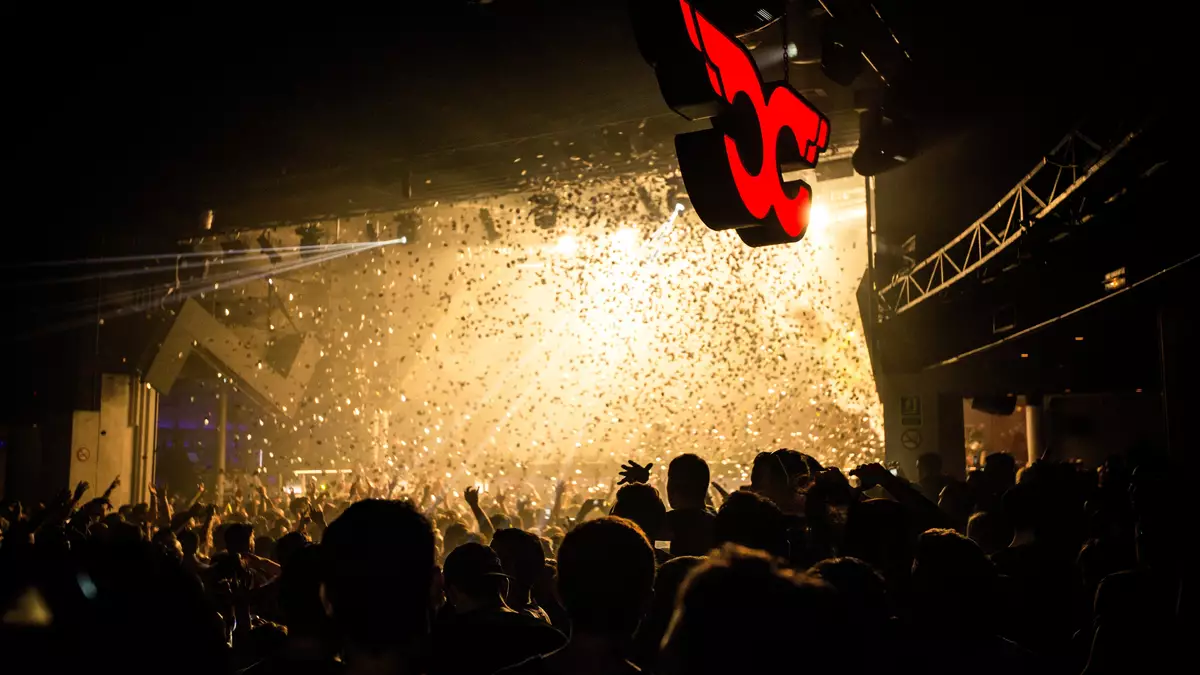
If you feel like you’re seeing The Kinks everywhere again, you’re not imagining it. Streams are spiking, classic rock playlists are quietly turning into Kinks playlists, and your favorite TikTok music nerd is probably raving about “Waterloo Sunset” right now. For a band that technically formed in 1963, The Kinks suddenly feel weirdly current in 2026.
Deep dive into all things The Kinks here
Between anniversary reissues, constant reunion chatter, and younger artists name?dropping them as a major influence, The Kinks are having one of those “wait, how were they ever underrated?” moments. And if you’re just getting into them, this is actually the perfect time to obsess.
The Backstory: Breaking News in Detail
So what is actually happening with The Kinks in 2026? Officially, the band still isn’t back as a full?time touring machine. Ray and Dave Davies have both been fairly cautious in interviews for years, talking about health, timing, and not forcing a reunion just for the cash. But the past few months have kicked the rumor door wide open again.
The most concrete thing: the ongoing wave of deluxe reissues and remasters. In recent years, The Kinks’ late?60s and early?70s albums have been getting carefully curated box sets, loaded with demos, alternate takes, BBC sessions, and thick liner notes that read like mini biographies. Industry press and UK music mags keep hinting that the catalogue campaign still isn’t finished, with insiders suggesting more expanded editions and potentially a career?spanning live anthology to come.
On the “are they getting back together?” front, the energy has picked up again thanks to recent comments from both Davies brothers in UK newspaper and radio interviews. They’ve repeatedly said they’ve been writing and recording in some form, even if it’s more studio collaboration than a conventional band comeback. One recurring line the brothers use is that they “owe the songs another life,” which fans instantly took as a hint that some sort of new release or special shows are on the table.
UK and US rock press have been speculating for weeks about a one?off London show tied to a major anniversary of The Kinks’ 60s breakthrough. While there’s nothing officially on sale, promoters have allegedly floated ideas around venues like the Royal Albert Hall or an outdoor date in London. US fans, as always, are watching that closely: if they do one London celebration, a short New York or Los Angeles run wouldn’t be a stretch, especially with so many legacy acts booking limited “residencies” instead of long tours.
At the same time, younger artists keep throwing gasoline on the fire. Indie and alt?rock bands in the US and UK have started covering Kinks songs in their sets again. Social media clips of modern acts ripping through “You Really Got Me” or “Lola” are going mildly viral, with comments full of “omg I forgot how good this band is.” Every time that happens, streams jump, and the streaming numbers make the reunion idea look even more profitable.
For fans, the implication is simple: the more noise there is online, the more likely labels and promoters are to push for something big. Even without a confirmed 2026 tour, The Kinks have already shifted from “classic band your parents loved” to “algorithm favorite that Gen Z is discovering in real time.”
The Setlist & Show: What to Expect
If you’ve never seen The Kinks live, the biggest question you probably have is: what would a 2026 Kinks show even look like? We’ve got a rough blueprint from their later tours and festival appearances, plus all the setlist nerdery that lives online.
Historically, Kinks shows lean hard on the songs that built their legend. You can almost guarantee core hits like “You Really Got Me,” “All Day and All of the Night,” “Lola,” and “Sunny Afternoon” anchoring any main set. Those riffs still sound feral compared to a lot of clean modern rock, and fans talk about that shock of hearing the opening chord of “You Really Got Me” cutting through the room like it’s 1964 again.
What makes their more recent setlists interesting is how much they mix in the introspective, more cinematic songs. Tracks like “Waterloo Sunset,” “Days,” “Strangers,” and “Celluloid Heroes” hit differently now that they’re basically generational comfort songs. At late?era shows, there was often this hush when “Waterloo Sunset” started; people didn’t just sing along, they kind of swayed and stared into the middle distance like they were watching their own coming?of?age movie.
Expect a good chunk of material from the so?called concept?album years too. The band has always been a little defensive about that catalog, and in later tours they threw in songs like “Village Green Preservation Society,” “Victoria,” “Shangri?La,” and “20th Century Man.” Those tracks are catnip for music nerds and critics, but they’re also weirdly relatable now: lyrics about media overload, class pressure, and nostalgia for a world that never really existed feel extremely 2026.
The show atmosphere, if they return, will be a generational collision. Older fans who saw them in the 70s and 80s will be there for the sing?along nostalgia. Younger fans, especially in the US where they toured less in later years, will treat it like a bucket?list event, similar to how Gen Z shows up for The Cure, Depeche Mode, or even Kate Bush pop?ups. Don’t be surprised if TikTok creators live?review the entire night from the pit, breaking down every deep cut that appears in the set.
Wardrobe?wise, you’ll likely see the full range: vintage mod looks, 70s glam jackets, thrifted Union Jack anything, plus kids in baggy jeans and graphic tees just there for the songs. Ray Davies has always worked a kind of eccentric English storyteller energy on stage rather than rock?god posturing, and that fits perfectly with today’s vibe, where personality and emotional honesty matter more than pyrotechnics.
As for pacing, recent historical setlists show The Kinks tend to build in arcs: starting with punchy early singles like “Till the End of the Day” or “Where Have All the Good Times Gone,” sliding into mid?tempo narrative songs, then ramping back up for a final run of bangers. Encores are usually where “Lola” and “You Really Got Me” land, complete with full?crowd chants and a sense that everyone in the room—no matter their age—knows they’re singing something that will still mean something 50 years from now.
What the web is saying:
Rumor Mill: What Fans Are Speculating
If you dip into Reddit or TikTok for even a minute, you’ll see that Kinks fans are deep in theory mode right now. The biggest obsession: are Ray and Dave actually going to reunite on a stage, or will the comeback only live on streaming services and deluxe vinyl?
On Reddit, threads in r/music and classic rock subs keep circling the same clues. Fans track every small interaction between the brothers: a casual quote in a radio segment, a photo from a studio, a passing comment about “working on something new.” When one of them hints at unreleased tracks or “new versions” of old songs, users immediately start guessing: is this just archival studio clean?up, or are we talking about new vocals and guitar parts laid down in the 2020s?
There’s also heavy debate about how a 2026 Kinks show would be structured. Some fans are convinced that if any live dates happen, they’ll be ultra?limited: think two or three London shows, maybe a special TV or streaming performance, and that’s it. Others argue that legacy acts keep discovering just how strong the demand is once tickets go on sale, pointing at rapid sell?outs for older bands and saying promoters will absolutely push for at least a short European and US run.
Ticket prices are another hot topic. Gen Z and Millennials have been burned by dynamic pricing and platinum packages, and there’s a loud contingent insisting that if The Kinks do return, they “owe it” to fans to keep prices humane. Realistically, if a reunion happens, expect premium pricing for the best seats—this is the music industry in 2026—but fans are already saying they’d rather have fewer shows with fairer prices than a giant stadium run that feels soulless.
On TikTok, the energy is a bit different. A surprising number of creators are discovering The Kinks through sync placements—clips of “Lola” soundtracking queer coming?of?age edits, “Waterloo Sunset” behind moody city videos, and “This Time Tomorrow” used in travel montages. That’s sparked a wave of “I just realized my favorite indie bands all sound like The Kinks” content, where creators pick apart chord progressions and lyrics and trace them back to 60s and 70s Kinks songs.
One fan theory making the rounds: if a major anniversary show happens in London, it’ll be filmed as a high?end concert movie and dropped on a global streamer shortly after. That would solve a lot of the accessibility complaints, and it mirrors what other heritage acts have done recently—small physical audiences, massive digital footprint.
There’s also speculation about guests. Fans are fantasy?booking a Kinks tribute section in any potential show, with younger British and American artists (think modern indie bands, singer?songwriters, maybe even a few pop wildcards) joining Ray and Dave onstage for one song each. Whether that happens or not, it shows how much the fanbase wants the band’s legacy to be explicitly tied to the artists dominating playlists today.
Key Dates & Facts at a Glance
- Formation: The Kinks formed in North London in the early 1960s, led by brothers Ray and Dave Davies.
- Breakthrough single: “You Really Got Me” hit in 1964 and is widely cited as one of the proto?punk, proto?metal blueprints thanks to its distorted, aggressive riff.
- Classic 60s run: Mid?60s singles like “All Day and All of the Night,” “Tired of Waiting for You,” and “Sunny Afternoon” cemented their status in both the UK and US.
- Concept?album era: Late 60s and early 70s records such as “The Kinks Are the Village Green Preservation Society,” “Arthur (Or the Decline and Fall of the British Empire),” and “Lola Versus Powerman and the Moneygoround, Part One” later became critic favorites.
- “Lola” era: “Lola” became one of their biggest global hits in 1970, known for its storytelling and then?controversial subject matter.
- US ban & return: The Kinks were effectively kept off the US touring circuit for several mid?60s years due to union and industry disputes, returning stronger in the 70s arena?rock era.
- MTV and 80s comeback: Songs like “Come Dancing” and “Destroyer” helped give The Kinks a second wave in the late 70s and 80s, especially in North America.
- Rock Hall: The band has long been included in lists of Rock and Roll Hall of Fame?level acts, and their influence is routinely cited by punk, Britpop, and indie artists.
- Streaming era: In the 2020s, catalog streaming for songs like “Waterloo Sunset,” “Lola,” and “This Time Tomorrow” has surged thanks to playlists, syncs, and social media.
- Official hub: Fans use resources like the official site and dedicated info pages to track reissues, archival drops, and any potential live activity.
FAQ: Everything You Need to Know About The Kinks
Who are The Kinks and why do people keep calling them underrated?
The Kinks are a British rock band that came up alongside The Beatles, The Rolling Stones, and The Who in the 1960s. They’re led by songwriter and singer Ray Davies, with his brother Dave Davies on guitar as the other key creative force. While they scored multiple global hits and helped shape rock music, they spent years slightly in the shadow of their peers in mainstream conversation, especially in the US. Critics and musicians, however, have never stopped talking about them. You’ll constantly see artists say things like, “Without The Kinks, my band doesn’t exist.”
Part of the “underrated” label comes from timing and bad industry luck. They were kept off the US live circuit right when British Invasion bands were building huge American fanbases in person. Meanwhile, Ray Davies shifted quickly into more character?driven, observational songwriting, which didn’t always fit radio’s obsession with more straightforward love songs. Over time, those choices aged incredibly well, turning albums that once felt niche into cult classics that now sound almost modern.
What songs should I start with if I’m new to The Kinks?
If you want the quick?hit tour, go straight for the obvious anthems first: “You Really Got Me,” “All Day and All of the Night,” “Lola,” “Sunny Afternoon,” “Waterloo Sunset,” and “Tired of Waiting for You.” That gives you the riff?heavy, sing?along core that made them famous. Once those are stuck in your head, slide into deeper emotional territory with “Days,” “Strangers,” “This Time Tomorrow,” and “Celluloid Heroes.”
From there, you can pick an era. If you love intricate lyrics and small?town stories, hit “The Kinks Are the Village Green Preservation Society” and let the whole album play. If you’re more into big 70s rock, jump toward “Lola Versus Powerman…” and the records that followed. The beauty of The Kinks is that you can treat each album as its own world; you don’t have to binge everything at once to understand why people obsess.
Are The Kinks actually going to tour or reunite in 2026?
As of early 2026, there’s no fully confirmed, ticketed global tour announced. What does exist is a heavy cloud of speculation, fueled by interviews where Ray and Dave Davies talk about recording together, unlabeled “projects,” and the desire to give the songs a new life. Industry insiders and fan communities keep floating the idea of a special London anniversary show or a limited run of dates instead of a massive tour.
Given their age and the realities of touring, any comeback is likely to be selective and carefully paced—think special events, residencies, or broadcast performances rather than long bus tours. The key thing for you as a fan is to stay alert: if a single date is announced, expect demand to be wild and tickets to vanish fast.
Why do so many modern bands sound like The Kinks?
You’re hearing The Kinks everywhere because they planted a lot of seeds other bands ran with. Their early distortion and raw power shaped hard rock and punk. Their mid?period storytelling and slice?of?life lyrics fed into Britpop (think Blur, Oasis, Pulp) and modern indie. Their comfort with theatrical concepts and character sketches can even be felt in some of today’s pop and alt artists who build albums around narrative arcs.
Also, Ray Davies wrote from the perspective of outsiders, misfits, and people quietly questioning the systems around them. That vibe resonates hard with listeners in 2026 who are also side?eyeing capitalism, class expectations, and media overload. So when a modern band sings about alienation over a jangly guitar, there’s usually at least a little Kinks DNA hiding in there.
What’s the best way to experience The Kinks in 2026: vinyl, streaming, or live?
Honestly, all three scratch different itches. Streaming is where most people start, especially if you’re just casually curious. Playlists and algorithm radio will feed you the hits plus a few deeper cuts, and it’s a low?friction way to figure out which era you like. Once you lock in on favorite albums, vinyl reissues and box sets come into play—they’re not cheap, but they usually sound great and come with outtakes, demos, and extensive notes that give context to what you’re hearing.
Live is obviously the holy grail. Because nothing is fully confirmed yet, it’s risky to pin your hopes on a tour, but if any shows go up, they’ll be essential viewing. Even one properly filmed concert on a streamer could become the gateway moment that pulls a new generation into full Kinks obsession. Until then, hunting down vintage live footage and recent tributes on YouTube is the closest thing to time?travel.
How do The Kinks fit next to The Beatles and The Rolling Stones in music history?
If The Beatles are seen as the great pop innovators and The Rolling Stones as the swaggering rock traditionalists, The Kinks are often framed as the sharp, observant storytellers in the corner of the room. They shared the same British Invasion starting point, but Ray Davies veered into a distinctly English, often theatrical songwriting lane faster than most of his peers. Their hit singles sit comfortably next to those of their rivals, but their album cuts often feel closer to short films or novels than standard rock tracks.
In the long view, that’s part of why The Kinks keep gaining cultural weight. Their songs don’t just sound like a particular era; they comment on it. In 2026, when everyone is re?evaluating the past through a modern lens, The Kinks’ catalog reads like a commentary on class, media, gender, and identity written decades before those conversations hit the mainstream.
Where can I keep up with The Kinks’ latest moves?
Your starting point should be the official web presence and long?running fan information hubs that track every announcement, reissue, and whisper about future plans. Pair that with a news alert for the band’s name so you catch interviews, anniversary features, and label press drops as they happen. On social media, follow fan accounts on Instagram and TikTok; they’re often the first to surface new rumors, spot Easter eggs in interviews, and share clips from radio segments that don’t always make it to global platforms.
Combine all that, and you’ll be ready the second anything—whether it’s a new track, a remaster, or that dream London concert—goes from rumor to reality.


