Why The Cure Still Own Every Stage in 2026
22.02.2026 - 11:47:58 | ad-hoc-news.de
If you've scrolled TikTok, Reddit, or even your group chat lately, you've probably seen the same four words come up again and again: The Cure are touring. For a band that formed before most of today's fans were even born, the energy around their live shows in 2026 feels wild, urgent, and honestly a little emotional. Tickets are getting snapped up by people who discovered them through their parents, on vinyl, or in the soundtrack of some life-shifting breakup.
Before you even think about waiting until "later" to check dates, do this first:
See The Cure's official 2026 tour dates and ticket links here
Whether you're a Disintegration superfan or someone who only knows "Just Like Heaven" from TikTok edits, this run of shows is shaping up to be one of those "you had to be there" eras. Let's break down what's going on, what they're playing, why fans are freaking out, and how to make sure you're not watching it from the outside on YouTube months later.
The Backstory: Breaking News in Detail
The Cure have turned what many people once assumed would be a nostalgia act into something that feels completely alive in 2026. Over the last touring cycles, they've been slowly rolling across Europe, the UK, and North America with marathon shows, deep-cut setlists, and a level of emotional intensity that you don't usually get from bands four decades into their career.
Recent interviews with Robert Smith in major music magazines and platforms have all circled the same themes: he still takes the band's live reputation seriously, he's deeply protective of fans when it comes to ticket pricing, and he refuses to let these gigs feel like museum pieces. He's been openly frustrated in the past with dynamic pricing and ticket fees, pushing back in a way that made headlines and earned him a ton of respect from younger fans who are used to getting squeezed by the live industry.
The current wave of dates continues that mindset. Instead of doing a short greatest-hits run, The Cure have been building long, emotionally heavy sets that move through their entire career: post-punk murk, goth anthems, pop-adjacent classics, and new or unreleased material that keeps older fans guessing. When setlists leak from early dates, you see timelines explode with people saying things like, "How are they playing for three hours and still leaving out songs I love?" That's how deep the catalogue is.
In the US and UK especially, there's an extra layer: a lot of fans missed previous runs either because of the pandemic, ticket chaos, or life getting in the way. Social feeds are full of posts saying some version of, "I'm not missing The Cure this time, even if I have to travel." It's become a bucket-list band for Gen Z and younger millennials who grew up seeing their logo on t-shirts, Tumblr moodboards, or their parents' CD shelves.
There's also the constant hum of new-album speculation. For years now, Robert Smith has mentioned a dark, intense record in the works, with working titles and descriptions that hint at something heavy and final-feeling. Each new round of touring re-ignites the question: Are these shows doubling as a soft rollout for that project? When new songs sneak into the set, fans immediately code them as evidence that The Cure aren't just trading on past glories.
For fans, the implication is clear: these aren't just nostalgia nights, they're part of the last big chapter of a band that basically rewired alternative music. That urgency is why pre-sales melt, why people obsess over seating charts, and why even casual listeners are thinking, "If I don't see them now, will I ever?"
The Setlist & Show: What to Expect
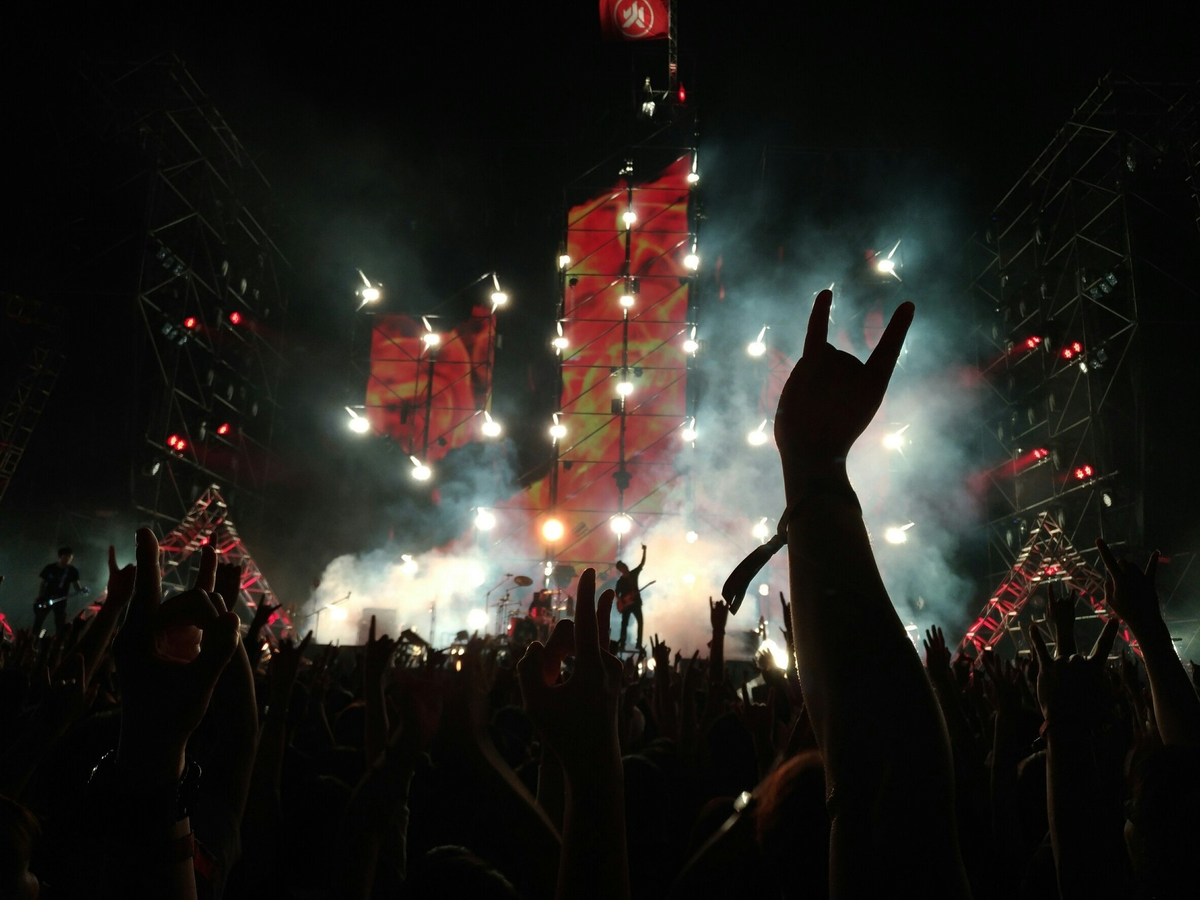
If you haven't kept up with The Cure's recent touring style, brace yourself: these aren't tight 90-minute festival slots. These are full-on epics. Shows often push close to the three-hour mark, structured in long arcs with multiple encores that feel like their own mini-sets.
Based on recent tours, you can expect a carefully balanced mix of:
- Stone-cold classics – Tracks like "Pictures of You", "Just Like Heaven", "Friday I'm in Love", and "Lovesong" are basically guaranteed because the crowd reaction is ridiculous. These are the songs that get people crying on the arena floor while strangers scream-chorus in your ear.
- Dark, heavy mood pieces – Fans live for the long, slow-motion moments: "Plainsong", "Disintegration", "The Same Deep Water as You", "A Forest" and other tracks where the band lock into this shimmering, haunted groove. These segments feel less like a rock gig and more like standing inside someone's memories for ten minutes.
- Post-punk and goth-era staples – Older songs like "One Hundred Years", "Primary", or "Shake Dog Shake" keep the edge sharp. Even if you don't know them going in, you feel the weight of them live.
- Surprises and deep cuts – One of the reasons hardcore fans travel to multiple dates is the unpredictability. You'll see songs like "The Figurehead", "At Night", "Faith", or b-sides pop up out of nowhere. Setlist threads online light up every time this happens.
- New or unreleased songs – In recent years, The Cure have been slipping in new material that lines up with talk of a darker new album. These tracks tend to sit closer to the Disintegration/Pornography mood than the pop side, which fits the later part of the set perfectly.
The structure of a typical night often looks something like this:
- Opening wave – A slow build, sometimes kicking off with something atmospheric like "Plainsong" before digging into a run of early albums and moodier songs. The lights are low, the stage is drenched in deep blues and purples, and you can feel the crowd settling in for the long haul.
- Middle stretch – This is where they lean into both intensity and experimentation. Rotating tracks, deep cuts, and the occasional curveball for long-time fans. It's the part of the show that gives each night its own identity.
- Anthem-heavy encore – Once Robert Smith shuffles off and comes back, you're usually in for a sequence of bangers. "Friday I'm in Love", "In Between Days", "Close to Me", "Just Like Heaven" – it turns into a singalong that even the most stoic fans can't resist.
- Final comedown or dark closer – The Cure love ending on something that lingers. "Disintegration", "A Forest", or another slow-burn classic often close the night. You walk out of the venue a little stunned, ears ringing, eyeliner running.
In terms of vibe, expect a crowd that's wildly mixed in age and style: original goths in black coats, 20-somethings in band tees and Doc Martens, couples who fell in love to this music decades ago, and kids seeing their first big show. The band itself feels locked-in and surprisingly physical for such long sets. Robert Smith still paces, gestures, and sings with this raw, cracked intensity, his voice aged just enough to make the sad parts hit harder.
The sound is loud but detailed: chiming guitars, thick bass, keys filling all the emotional gaps, and drums that keep everything driving forward, even on the slowest songs. This isn't a greatest-hits jukebox – it's more like stepping into a three-hour mood board of everything The Cure have been across the past forty-plus years.
What the web is saying:
Rumor Mill: What Fans Are Speculating
Any time The Cure hit the road, the internet doesn't just react – it theorizes. Reddit threads, X posts, Discord servers, and TikTok breakdowns all spin their own ideas about what's really going on behind the curtain.
One of the biggest talking points lately is the "final era" theory. Because Robert Smith has been candid about time, mortality, and the emotional weight of newer material, a lot of fans are convinced these runs of shows are quietly being treated as a last major chapter. Every time a tour is announced, you see versions of the same comment: "This might be the last time we get something like this." That belief fuels intense FOMO and pushes people to travel for multiple dates.
Then there's the album speculation loop. Whenever a new song appears in the setlist, Reddit immediately lights up with breakdowns of the lyrics, the guitar tones, and how it fits into the band's broader themes of loss, memory, and regret. Fans pick apart interviews where Robert hints at an album that's darker, more personal, maybe even intentionally difficult. The running theory: the band are road-testing songs and building emotional context for a studio release that could drop with little warning.
Another ongoing conversation: ticket prices and ethics. The Cure made headlines before by pushing back against dynamic pricing and demanding lower fees for fans. That move turned Robert Smith into a kind of unexpected hero for younger concertgoers used to getting wrecked by service charges. So every time new dates go up, people analyze the pricing like it's a spreadsheet final. On social platforms, you'll find side-by-side screenshots comparing what fans paid for The Cure versus other major acts in the same venues, often with comments praising how hard the band seem to fight for a fairer experience.
On TikTok, a slightly different conversation is happening. A whole wave of creators is posting "first time seeing The Cure" reaction videos, especially younger fans who grew up with bedroom playlists full of indie, emo, and alt-pop and are only now seeing where a lot of that emotional DNA started. Clips of "Just Like Heaven" or "A Forest" live are scoring everything from POV breakup edits to late-night drives, pulling the band into algorithm feeds of people who've never heard an album front-to-back.
There's also a softer theory running through fandom: the "healing show" narrative. You see comments over and over like, "I went in broken and came out feeling like someone understood me," or "I didn't know a band this old could hit me this hard." For a generation dealing with mental health openly and constantly online, The Cure's music – always about sadness, isolation, anxiety, but in a strangely comforting way – lands as something honest instead of purely bleak. That connection is a huge part of why these gigs are so emotionally charged.
Underneath all the wild theories is a simpler truth: fans don't want this to be over. Every rumor, every half-confirmed quote about albums or final tours, every unexpected deep cut in the setlist becomes another excuse to hold on a little tighter. Whether this is truly the last big stretch or not, the vibe across platforms is the same: if you can see them, see them now.
Key Dates & Facts at a Glance
Here's a quick-reference snapshot to help you plan around The Cure-related life decisions you're about to make.
| Type | Detail | Region | Why It Matters |
|---|---|---|---|
| Tour Dates | Current and upcoming 2026 shows listed on official site | US / UK / Europe | Primary source for venues, on-sale times, and last-minute updates – always check here first. |
| Set Length | Often around 2.5–3 hours with multiple encores | Global | Plan transport, babysitters, and next-day recovery accordingly. These are endurance shows. |
| Classic Albums | Seventeen Seconds, Faith, Pornography, The Head on the Door, Kiss Me Kiss Me Kiss Me, Disintegration, Wish | Global | The backbone of most setlists; binge these if you want to feel locked-in during the gig. |
| Signature Songs | "Just Like Heaven", "Friday I'm in Love", "Lovesong", "Pictures of You", "A Forest" | Global | Almost guaranteed live moments – huge singalongs and emotional peaks. |
| Live Reputation | Known for long, emotionally intense shows | Global | One of the main reasons younger fans are calling this a must-see legacy act. |
| Ticket Strategy | Band historically critical of inflated fees and dynamic pricing | US / UK | Fans keep a close eye here; it's part of why The Cure are seen as "on our side" in the live music economy. |
| Fan Demographic | Mix of original fans, millennials, and Gen Z | Global | Shows feel more like multi-generational gatherings than single-era nostalgia nights. |
FAQ: Everything You Need to Know About The Cure
If you're trying to catch up fast or convince a friend to grab a ticket with you, this is your crash course.
Who are The Cure, in simple terms?
The Cure are an English band formed in the late 1970s, often associated with post-punk, goth, and alternative rock. But if you strip away the genre labels, they're essentially a feelings machine: songs about heartbreak, anxiety, obsession, and hope, wrapped in echoing guitars, deep bass, and hooks that stay stuck in your head for years. Robert Smith – the voice, guitarist, and main songwriter with the iconic hair and smeared lipstick – is the core of the band. Across decades, they've moved from bleak and minimal to lush and romantic to near-pop – often within the same album.
Why are The Cure still such a big deal in 2026?
Because their music never stopped making emotional sense. Every generation rediscovering them finds something they recognize: the way "Pictures of You" sounds like scrolling through old messages, the way "Just Like Heaven" nails dizzy infatuation, the way deeper tracks capture depression without glamorizing it. Add to that a live show that refuses to shrink with age – three-hour sets, no half-hearted energy – and you get a band that never fully became "past tense". For younger fans raised on indie, emo, and bedroom pop, The Cure feel less like a retro curiosity and more like the root system everything else grew from.
What songs should I know before seeing them live?
You don't have to pre-study, but knowing the emotional landmarks will make everything hit harder. At minimum, queue up:
- "Just Like Heaven" – the perfect adrenaline rush of falling for someone.
- "Friday I'm in Love" – joyful, bouncy, and probably the most crowd-friendly song in the set.
- "Pictures of You" – slow, aching, ideal for screaming along while you think about every person you've ever lost.
- "Lovesong" – simple, direct, and devastatingly romantic.
- "A Forest" – dark, hypnotic, often extended live into a full trip.
- "Plainsong" and "Disintegration" – if you want to understand why older fans talk about this band with near-religious intensity.
Dive into full albums if you can: Disintegration is the emotional epic, Wish leans more melodic and open, early records like Seventeen Seconds and Pornography give you the rawer, colder side.
Where can I find legit tour info and tickets?
Always start with the official site: that's where dates, venues, and on-sale times land first, and where you're most likely to avoid outdated info and sketchy resellers. Promoters, venues, and official social accounts will mirror that information, but the band's own tour page remains the anchor. If something sounds off – wrong venue name, weird on-sale timing – cross-check it there before you hand over your card details.
When during the show do the big hits usually drop?
The Cure don't front-load their sets with the obvious songs. Instead, they build a long, slow emotional climb. That means a lot of the huge anthems pop up in the encores. You might be an hour and a half into the night before you hear "Friday I'm in Love" or "Just Like Heaven" – and by then, the crowd is fully locked in and loud. Earlier in the show, you get the brooding, atmospheric tracks and fan favorites that turn the room into this weirdly intimate space, even in giant arenas.
Why do people say seeing The Cure live is "different" from other legacy acts?
A few reasons:
- Length – They don't treat you like you're there for a quick nostalgia hit. You get a whole emotional arc, not a playlist of radio singles.
- Setlist variety – Because the band swap in and out deep cuts and rarities, hardcore fans don't feel like they're watching the same scripted show over and over.
- Emotional honesty – Robert Smith doesn't chatter endlessly between songs; he lets the music do the explaining. It feels intense, not theatrical in a fake way.
- Multi-generational energy – You don't just see people reliving the 80s; you see kids discovering their new favorite band in real time, standing next to someone who saw them in 1989.
How should I prep for a Cure show – practically and emotionally?
Practically: wear comfortable shoes, bring layers (their lighting can go from icy to blazing, and arenas are unpredictable), and plan transport home assuming a late finish. Hydrate, eat beforehand, and remember that this is more of a marathon than a sprint.
Emotionally: be ready to feel things. Even if you walk in as a casual fan, there's a good chance a song you barely know will blindside you. The combination of lyrics, lighting, and collective singalongs can flip you from fine to full-body goosebumps in seconds. If you're going through a breakup, a transition, or just a weird era of your life, don't be shocked if some line from a 30-year-old song somehow describes your 2026 brain perfectly.
Is it still worth going if I'm not a hardcore fan?
Absolutely. In some ways, you might get the purest experience. You're walking into a show with decades of emotional history built into it, surrounded by people deeply attached to this music. Even if you only recognize a handful of songs, the overall mood – the lights, the slow builds, the moments where the whole arena sings a line back – still hits. A lot of people who went "just to see what the hype is about" a few tours ago came out calling it one of the best shows of their life.
And if you do go, there's a good chance you'll leave wanting to dig into the albums properly on the way home.
So schätzen die Börsenprofis Aktien ein!

Für. Immer. Kostenlos.