Why The Cure's Timeless Sound Still Captivates North American Fans in 2026
08.04.2026 - 17:15:46 | ad-hoc-news.de
The Cure has been making music that tugs at the heartstrings since 1978. Led by the iconic Robert Smith, with his wild hair and smudged eyeliner, this British band created a sound that's equal parts dreamy, dark, and danceable. For young fans in North America, The Cure offers a gateway to alternative rock that feels fresh even today. Their songs explore love, loss, and teenage angst in ways that hit home, whether you're streaming on Spotify or discovering vinyl at a local record shop.
Why does The Cure matter now? In a world of quick TikTok trends, their deep, emotional lyrics and swirling guitars remind us of music's power to connect generations. Bands like The 1975 and Twenty One Pilots cite them as huge influences, keeping The Cure's vibe alive in today's charts. North American fans pack festivals like Lollapalooza and Coachella when Cure tracks blast, proving their cross-Atlantic appeal never fades.
Formed in Crawley, England, as Easy Cure, the band became The Cure in 1978. Robert Smith, Laurence Tolhurst, and Michael Dempsey started with punk energy but quickly evolved into something unique. Their early singles like 'Killing an Arab' in 1978 caught attention for bold lyrics inspired by Albert Camus' novel The Stranger. By 1979's Three Imaginary Boys, they mixed pop hooks with gothic shadows, setting the stage for post-punk greatness.
The Birth of Goth Rock Icons
The early 1980s saw The Cure dive into darker waters. Pornography (1982) is a cornerstone, full of brooding basslines and echoing drums. Tracks like 'A Short Term Effect' capture despair in a hypnotic way. This album helped birth the goth scene, influencing fashion from black lipstick to big hair. In North America, it resonated with kids in cities like Seattle and New York, where underground clubs spun it nonstop.
Smith's lyrics often feel personal, like diary entries set to music. He writes about isolation and longing, themes that speak to anyone feeling out of place. Pornography peaked modestly on UK charts but built a loyal cult following that spread to the U.S. via college radio. Stations like KROQ in Los Angeles championed them, introducing American teens to this moody sound.
Turning lighter, 1982's single 'A Forest' became a live staple. Its driving rhythm and haunting refrain show The Cure's range. Fans still scream every word at shows, a testament to its staying power.
1980s Breakthrough: Hits That Defined a Generation
The Cure exploded in the mid-80s with poppier anthems. The Head on the Door (1985) brought 'In Between Days' and 'Close to Me,' songs blending jangly guitars with catchy choruses. These tracks climbed UK charts and cracked U.S. airplay, making The Cure festival favorites.
1987's Kiss Me, Kiss Me, Kiss Me doubled down on romance. 'Just Like Heaven' is pure bliss, with Smith's soaring vocals over shimmering riffs. Inspired by a real trip to a French beach, it became a wedding staple and MTV darling. North American teens blasted it from boomboxes, dreaming of summer love.
The real game-changer? 1989's Disintegration. This double-platinum masterpiece blends melancholy with grandeur. 'Lovesong' is a tender ballad, while 'Pictures of You' evokes faded memories. The title track builds to an emotional crescendo, cementing The Cure's legacy. It hit No. 12 on the Billboard 200, their highest U.S. chart peak, thanks to heavy rotation on modern rock stations.
Disintegration captured Smith at his peak, wrestling with fame and aging. At 29, he feared losing his edge, pouring that into 70 minutes of catharsis. Fans in Chicago, Los Angeles, and Toronto connected deeply, forming fan clubs and trading bootlegs.
1990s Evolution and Global Stardom
The 90s brought experimentation. Wish (1992) spawned 'Friday I'm in Love,' a sunny hit that contrasted their usual gloom. It reached No. 18 on Billboard Hot 100, their biggest U.S. single, and soundtracks countless road trips. 'High' and 'A Letter to Elise' kept the momentum, with the album going platinum.
Wild Mood Swings (1996) leaned weirder, with 'Mint Car' offering quirky fun. Though less commercial, it showed The Cure's refusal to stagnate. North American tours sold out arenas, from Madison Square Garden to the Forum in LA.
2000's Bloodflowers returned to dark roots, earning critical acclaim. Tracks like 'The Last Day of Something Special' feel introspective. It didn't chart high but deepened their elder statesman status.
Robert Smith: The Eternal Frontman
Robert Smith's look—teased hair, red lipstick, oversized sweaters—is as iconic as his voice. He's vegan, teetotal, and famously hates flying, yet tours relentlessly. His guitar work, from clean arpeggios to fuzzy walls of sound, defines The Cure.
Smith collaborates sparingly but meaningfully, like with Placebo or producing for The Organ. He curates Meltdown Festival multiple times, showcasing his taste. At 67 in 2026, his energy rivals younger acts, belting high notes flawlessly.
Essential Albums for New Fans
Start with Greatest Hits (2001), featuring re-recorded gems like 'Boys Don't Cry.' It's perfect for playlists. Then dive into Disintegration for depth, Kiss Me, Kiss Me, Kiss Me for fun, and Pornography for intensity.
Staring at the Sea: The Singles 1978-1985 collects early magic. For rarities, Join the Dots (2004) compiles B-sides, revealing hidden gems like 'Hello Walkers.'
Key Songs Every Young Listener Needs
- 'Boys Don't Cry': 1979 punk-pop classic about hiding tears. Ultimate breakup anthem.
- 'Just Like Heaven': Ethereal love song, dreamy and uplifting.
- 'Friday I'm in Love': Joyful hit for weekend vibes.
- 'Lovesong': Simple, sincere declaration.
- 'Pictures of You': Nostalgic heartbreaker.
- 'Close to Me': Bouncy, claustrophobic gem.
- 'A Forest': Mesmerizing post-punk epic.
- 'Lullaby': Creepy spider-themed nightmare.
- 'The Lovecats': Jazzy, playful outlier.
- 'Disintegration': Climactic masterpiece.
Stream these on Apple Music or YouTube for full immersion. Many have official videos with trippy visuals.
The Cure's Influence on Modern Music
The Cure shaped indie, emo, and synth-pop. Billie Eilish samples their melancholy, Arctic Monkeys echo their riffs, and Olivia Rodrigo channels the angst. Festivals like Pitchfork honor them with tribute sets.
In North America, their impact shows in SoundCloud uploads tagged #TheCureVibes. TikTok dances to 'Just Like Heaven' go viral, introducing Gen Z. Covers by artists like Dorian Electra keep the flame alive.
Live Legacy: Unforgettable Shows
The Cure's concerts are marathons, often three hours with deep cuts and hits. Smith's between-song banter charms crowds. Historic U.S. shows include Glastonbury 1990 streams and Lollapalooza 1992.
Recent albums like 4:13 Dream (2008) and The Cure (2004) fueled tours. Fans cherish setlists mixing eras. Bootlegs, like those in fan archives, preserve magic from Chicago 1989 onward.
Fashion and Culture Beyond Music
The Cure aesthetic—layered clothes, pale makeup—inspires Hot Topic shoppers and Coachella outfits. Smith's androgyny challenged norms, paving for fluid styles today. Their videos, directed by Tim Pope, are art pieces.
Why North American Fans Love The Cure
From rainy Seattle to sunny Miami, The Cure fits every mood. College radio introduced them; now Spotify algorithms do. Canadian fans adore 'Plainsong' for vast landscapes. U.S. charts success with 'Friday I'm in Love' built bridges.
Communities like Curefans.com and Reddit's r/TheCure share stories. Annual fan meets in LA celebrate birthdays with screenings.
What to Watch Next: Albums, Docs, and More
After hits, try Faith (1981) for quiet gloom or The Top (1984) for psychedelia. Watch 'The Cure: Trilogy' concert film for live prowess. 'In Orange' captures 1996 Paris shows.
Read Smith's liner notes or Tim Pope's books. Follow @TheCure on socials for updates. Remix contests engage new creators.
Discography Deep Dive
Core studio albums: Three Imaginary Boys (1979), Seventeen Seconds (1980), Faith (1981), Pornography (1982), The Top (1984), The Head on the Door (1985), Kiss Me Kiss Me Kiss Me (1987), Disintegration (1989), Wish (1992), Wild Mood Swings (1996), Bloodflowers (2000), The Cure (2004), 4:13 Dream (2008).
Compilations like Boys Don't Cry (1980 U.S. version) broadened appeal. Live albums: Concert (1984), Entreat (1993).
Band Members Through the Years
Core: Robert Smith (vocals, guitar), Lol Tolhurst (drums, keys; left 1989, returned later), Simon Gallup (bass, since 1979 with breaks), Porl Thompson (guitar/keys), Boris Williams (drums 1989-1998), Perry Bamonte (multi-instrumentalist), Jason Cooper (drums since 1998), Reeves Gabrels (guitar since 2012).
Lineup shifts kept sound evolving without losing essence.
Awards and Milestones
Three Q Awards, Ivor Novello, MTV Moonman for 'Close to Me.' Inducted into Rock & Roll Hall of Fame 2019. Over 30 million albums sold worldwide.
The Cure for Every Mood
Sad? 'The Funeral Party.' Dancing? 'The Walk.' Loving? 'Mint Car.' Their catalog is a emotional toolkit. Playlists like 'Cure for Depression' trend on Spotify.
For young North Americans, The Cure bridges 80s nostalgia with future sounds. Dive in—you might find your soundtrack.
Let's break down 'Boys Don't Cry': Released October 1979, it hit UK No. 22. Lyrics: 'I try to laugh about it / Cover it all up with lies / I try to laugh about it / Hiding the tears in my eyes.' Punk energy with pop polish, produced by Chris Parry. U.S. version on Boys Don't Cry album boosted fame.
'Just Like Heaven': From 1987, No. 29 UK, No. 36 US Mainstream Rock. 'Show me how you do that trick / The one that makes me scream,' references a dizzying kiss. Simon Gallup's bass drives it. Covered by Dinosaur Jr., Goldfinger.
'Friday I'm in Love': 1992, No. 6 UK, No. 18 US Hot 100. 'I don't care if Monday's blue / Tuesday's gray and Wednesday too.' Written in 15 minutes. Dinosaur Jr. cover famous too.
'Pictures of You': Disintegration closer, 4:58 of longing. 'I've been looking so long at these pictures of you / That I almost believe that they're real.' Piano-led build-up iconic.
More: 'Lovesong' for Robert's wife Mary; 'Fascination Street' from Boston studio sessions; 'Plainsong' epic opener.
Influence on North America: Nirvana's Kurt Cobain loved them; early shows recorded by fans. Emo bands like My Chemical Romance owe debt. Festivals: Bonnaroo, Osheaga feature Cure sets or tributes.
Fan essentials: Collect Japanese Whispers (1983) for 'The Caterpillar.' Watch 'Play for Today' doc. Join Discord servers for live discussions.
Modern relevance: Samples in rap by Kid Cudi; K-pop covers. Vinyl reissues sell out at Urban Outfitters.
The Cure's magic? Universality. British roots, global heart. Perfect for late-night drives from Vancouver to Miami.
Album rankings by fans: 1. Disintegration, 2. Pornography, 3. Seventeen Seconds. Tracks for workouts: 'Push,' 'Shake Dog Shake.'
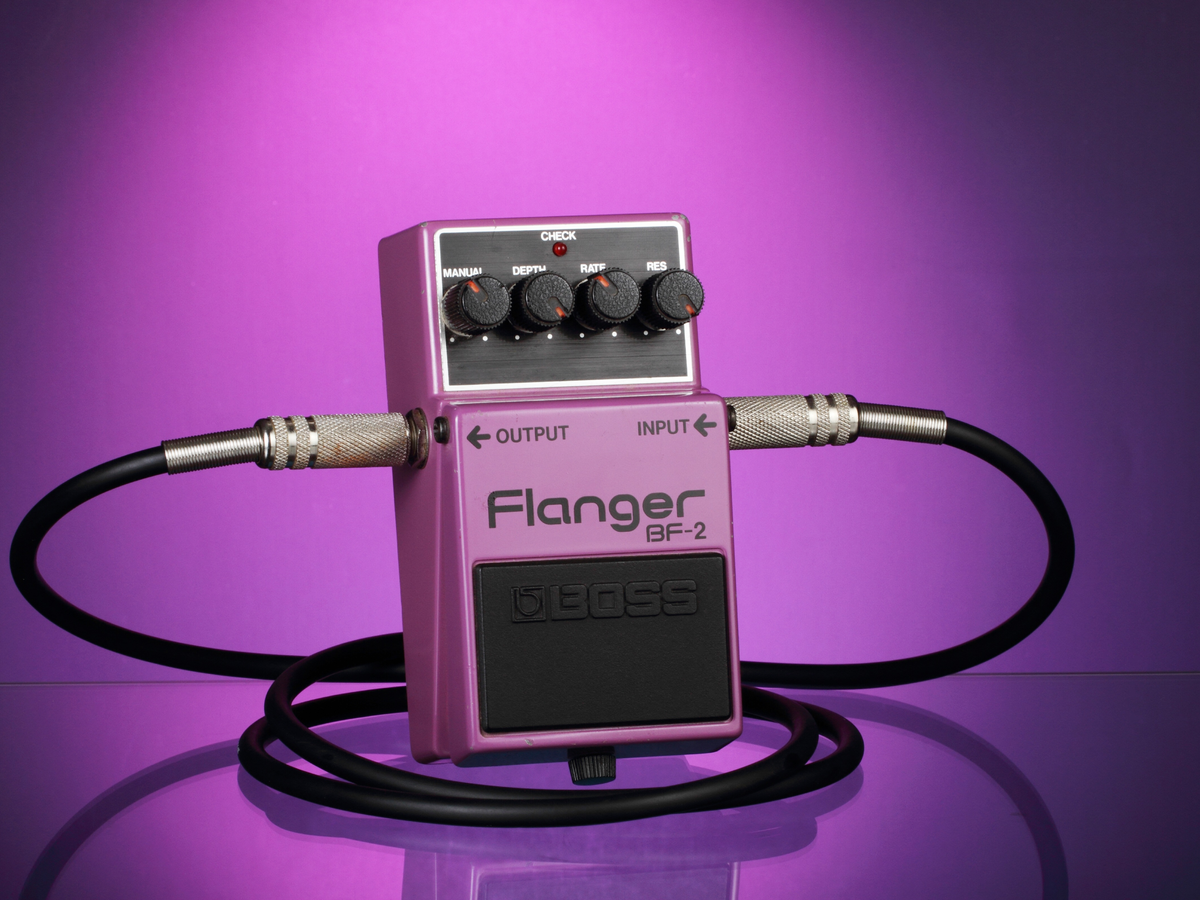
Smith's gear: Fender Jazzmaster, Roland Cube. Effects: chorus, reverb for that Cure shimmer.
Books: 'The Cure: A Perfect Dream' biography. Films synced to albums on YouTube.
Why enduring? Authenticity. No pandering, just pure expression. For Gen Alpha discovering via parents, it's new magic.
So schätzen die Börsenprofis Aktien ein!

Für. Immer. Kostenlos.