Why Santana's Timeless Guitar Riffs Still Define Rock and Latin Fusion for a New Generation
12.04.2026 - 21:50:03 | ad-hoc-news.de
Santana has been a game-changer in music for over five decades. The Mexican-American guitarist, born Carlos Santana in 1947, fused rock with Latin percussion, blues, and jazz into something uniquely powerful. His sound—those soaring, emotive guitar solos over driving rhythms—created anthems that transcended genres and borders. For young listeners in North America, Santana represents a bridge between classic rock's raw energy and the multicultural beats dominating playlists now.
Think about it: in an era of quick TikTok hits and algorithm-driven discovery, Santana's music endures because it's built for feeling. Tracks like "Black Magic Woman" or "Smooth" don't just play—they pull you in with layers of soul and groove. North American fans connect through massive streaming numbers, festival nods, and the way his style influences everyone from EDM producers to hip-hop samplers. His story is one of immigration, innovation, and unbreakable spirit, making him relevant whether you're at a Coachella afterparty or scrolling Spotify late night.
This isn't nostalgia for old heads. Santana's influence shows up in how young artists mix cultures today. His 1999 comeback album Supernatural smashed records, proving legends can reinvent. For 18-29-year-olds, it's a reminder that real artistry ages like fine wine, fueling conversations about legacy in a fast world.
Why does this topic remain relevant?
Santana stays fresh because his music speaks to universal emotions. In North America, where Latinx culture shapes pop—from Bad Bunny to Rosalía—Santana was there first. He arrived in San Francisco during the 1960s counterculture boom, blending Afro-Cuban rhythms with psychedelic rock. That fusion? It's the blueprint for today's global sound.
Streaming data backs it: Santana racks up billions of plays on Spotify and Apple Music. Young fans discover him via playlists like "Rock Classics" or "Latin Rock Essentials." Social media amplifies this—Instagram Reels with "Oye Como Va" riffs go viral, sparking debates on guitar gods. His spiritual side, drawing from yoga and activism, resonates in a wellness-obsessed generation facing social upheavals.
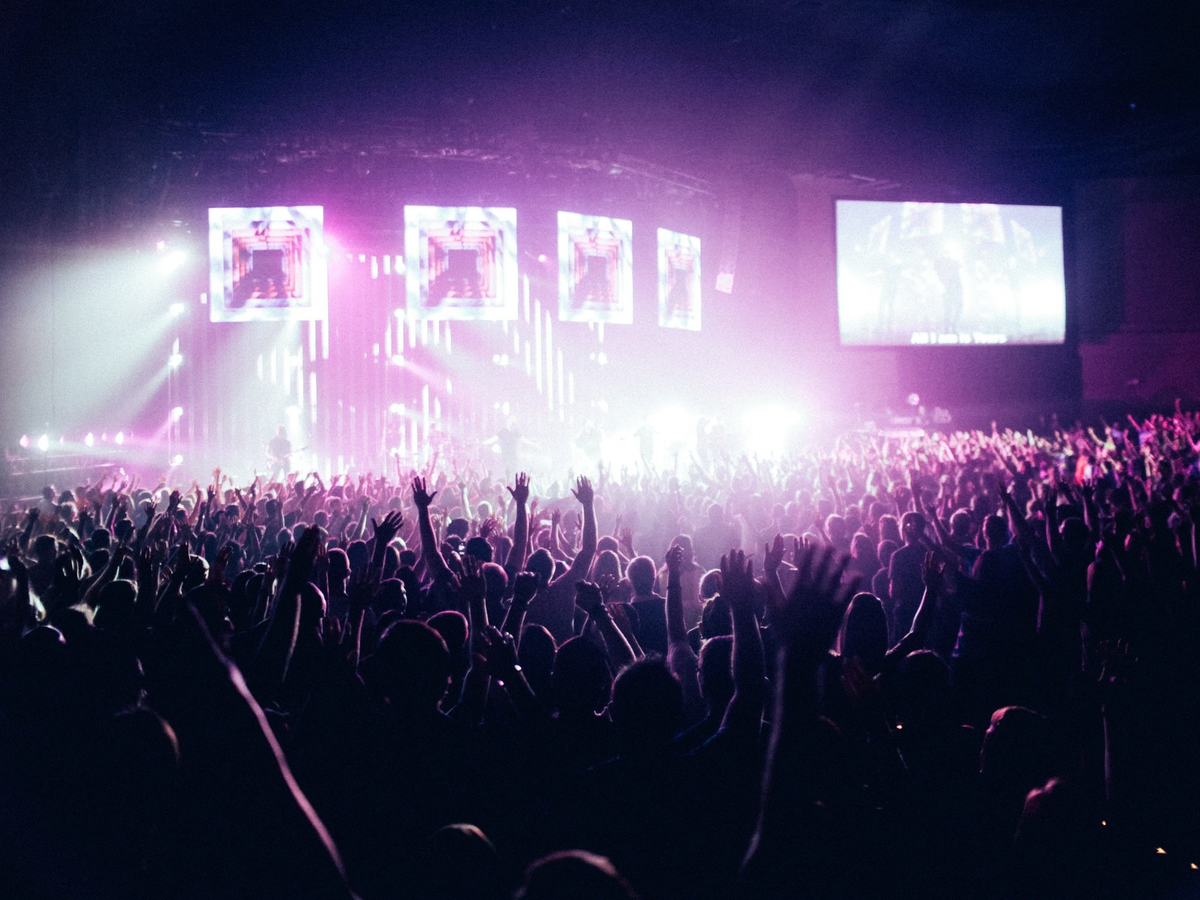
Plus, Santana's live prowess keeps him iconic. Those extended solos build tension like a story, perfect for festival sets that young crowds crave. In North America, his role in events like Woodstock '99 revival vibes ties him to live culture that defines summer plans for millennials and Gen Z.
How Santana's sound evolved over time
Early Santana was pure fire: debut album in 1969 exploded with Woodstock performance of "Soul Sacrifice." By the '70s, albums like Abraxas polished that raw edge. The '90s hiatus led to Supernatural, with collabs like Rob Thomas on "Smooth" topping charts for months.
This evolution mirrors North American music shifts—from hippie jams to pop-rock dominance. Young fans appreciate how he adapted without selling out, influencing acts like Cory Wong or Khruangbin.
The cultural impact beyond music
Santana's not just tunes; he's a voice for unity. His advocacy for immigrants and peace hits home amid U.S. debates. For 18-29-year-olds, his story fuels pride in diverse roots, sparking convos on identity in group chats.
Which songs, albums, or moments define Santana?
"Black Magic Woman" (1970) is peak Santana: Fleetwood Mac cover transformed into a hypnotic groove. That wah-wah guitar line? Timeless. It's everywhere—from car radios to gym playlists.
"Oye Como Va," Tito Puente's tune flipped into rock gold on Abraxas. The organ riff and percussion drive make it a dancefloor killer, still bumping at Latin nights in L.A. or Miami.
"Smooth" (1999) brought him back huge. With Matchbox Twenty's Rob Thomas, it won Grammys and defined late-'90s radio. For younger fans, it's that chill summer vibe on repeat.
Essential albums for newcomers
Santana (1969): Raw debut energy. "Evil Ways" sets the tone.
Abraxas (1970): Peak fusion. Must-hears: "Incident at Neshabur," "Samba Pa Ti."
Supernatural (1999): Comeback king. "Maria Maria" adds hip-hop flavor.
Shaman (2002): More collabs, proving staying power.
These albums total over 100 million sales, cementing Santana's legend.
Iconic live moments
Woodstock 1969: Muddy, epic "Soul Sacrifice" drum solo stole the show. Footage still gives chills.
1999 Grammys: "Smooth" debut with Thomas—pure magic, launching the hit.
Mile-high concert at Red Rocks? Legendary acoustics meet his soaring solos.
Young North Americans relive these via YouTube, fueling fandom.
What about it is interesting for fans in North America?
In the U.S. and Canada, Santana embodies the American Dream with a twist. Immigrant kid from Tijuana conquers San Francisco scene, influencing everyone from Carlos Vives to Post Malone samples. For 18-29-year-olds, it's aspirational—proof talent plus hustle wins.
Live culture thrives here: Santana's sets at Lollapalooza or Outside Lands draw diverse crowds. His guitar tone inspires bedroom players via Guitar Hero or online tabs. Streaming ties it together—Spotify Wrapped often lists him for Gen Z surprises.
Social buzz peaks around his influence: TikToks dissecting solos rack views, Instagram lives share stories. North American relevance? Direct—his music scores road trips from California coasts to Canadian festivals, blending heritage with modern life.
Style and gear that shaped a generation
Santana's PRS guitars and pedals create that singing tone. Young players chase it with affordable rigs. His white pants, headbands? Festival fashion OG.
Fandom in the digital age
Discord servers, Reddit threads (/r/Santana) dissect riffs. Fan cams from U.S. shows go viral, building community.
What to listen to, watch, or follow next
Start with Ultimate Santana playlist—20 tracks, perfect entry. Dive deeper: III for jazz-rock experiments.
Watch: Woodstock doc, "Smooth" video, live Red Rocks streams. YouTube has full '70s concerts.
Follow: Official channels for new drops. Collab history inspires hunting guests like Lauryn Hill or Maná.
Playlists and modern mixes
Spotify: "Santana Radio" mixes with Tame Impala, Black Keys. Apple: "Latin Rock" features him heavy.
Influenced artists to check
Goofy: Santana-esque grooves. Marc Ribot: Experimental nods. Gojira: Heavy riffs echo his power.
For North Americans, this path connects past to playlist present, making Santana a gateway drug to deeper sounds.
Santana's catalog is vast: 25+ studio albums, countless lives. "Europa (Earth's Cry Heaven's Smile)" from Amigos—emotional peak. "Winning" with Chicago horns, upbeat joy.
His band's percussion—congas, timbales—adds dance pulse rare in rock. Grego Viejo, Cindy Blackman (drummer wife)—legends.
Activism angle: Miraculous Love Foundation aids kids, resonating post-pandemic.
North America tie-in: Bay Area roots influence tech-music crossover; Santana friends with Jerry Garcia, Steve Winwood.
Revival potential: Younger producers sample him, like in lo-fi beats or trap fusions.
Grammy haul: 10 wins, including Record of the Year. Rock Hall 1998 inductee.
Personal life: Yoga guru devotion adds mystique, appealing to spiritual seekers.
For 18-29s, Santana = vibe curator. His music scores workouts, drives, chill sessions—versatile king.
Fun fact: Rejected by labels pre-Woodstock, then boomed. Underdog story gold.
Collaborations define eras: "Why Don't You & I" with Chad Kroeger, nu-metal twist.
Live albums like Moonflower capture magic—studio/live hybrid genius.
In Canada, influences Montreal jazz fest scenes. U.S. Southwest: Chicano pride booster.
Social media strategy: Rare posts, but fan content explodes. TikTok challenges on solos engage zoomers.
Merch: Custom guitars sell out, collector bait for young enthusiasts.
Podcast appearances dissect craft—great for commutes.
Books: "The Universal Tone" autobiography—must-read for aspiring artists.
Film soundtracks: "La Bamba" nod, cultural staple.
Legacy events: Tribute concerts feature young guns covering classics.
Why care now? Music industry's consolidation makes independents like early Santana inspiring.
Health journey: Back issues didn't stop performing—resilience icon.
Family band: Son Salvador tours, carrying torch.
Streaming economics: Royalties fund philanthropy, model for elders.
VR concerts potential: Imagine Woodstock Santana immersive.
Genre-blend masterclass for producers using Ableton.
North American tour history: Madison Square Garden sellouts, Hollywood Bowl residencies.
Fan stories: "Santana changed my life" Reddit tales abound.
Instrumental prowess: No vocals needed—guitar speaks volumes.
Holidays: "Hanukkah" track shows range.
2020s context: Post-COVID, his unity message vital.
Playlist recs expand: Pair with Santana with Bad Bunny for modern fusion.
Video essays on YouTube break down techniques—educational gold.
Apparel collabs: Streetwear nods to '70s look.
Podcast guests: Joe Rogan, Lex Fridman—broad appeal.
Statue in SF? Proposed, symbolizing impact.
Youngest fans via parents, creating multi-gen bonds.
Challenge: Learn "Samba Pa Ti" solo—gateway to shredding.
Final vibe: Santana = soul in strings. Dive in, feel the magic.
So schätzen die Börsenprofis Aktien ein!

Für. Immer. Kostenlos.