

Why Ray Charles Still Hits Hard in 2026
Veröffentlicht am: 22.02.2026 um 22:26 Uhr | Redaktionelle Verantwortung: Rafael Müller, Chefredakteur AD HOC NEWS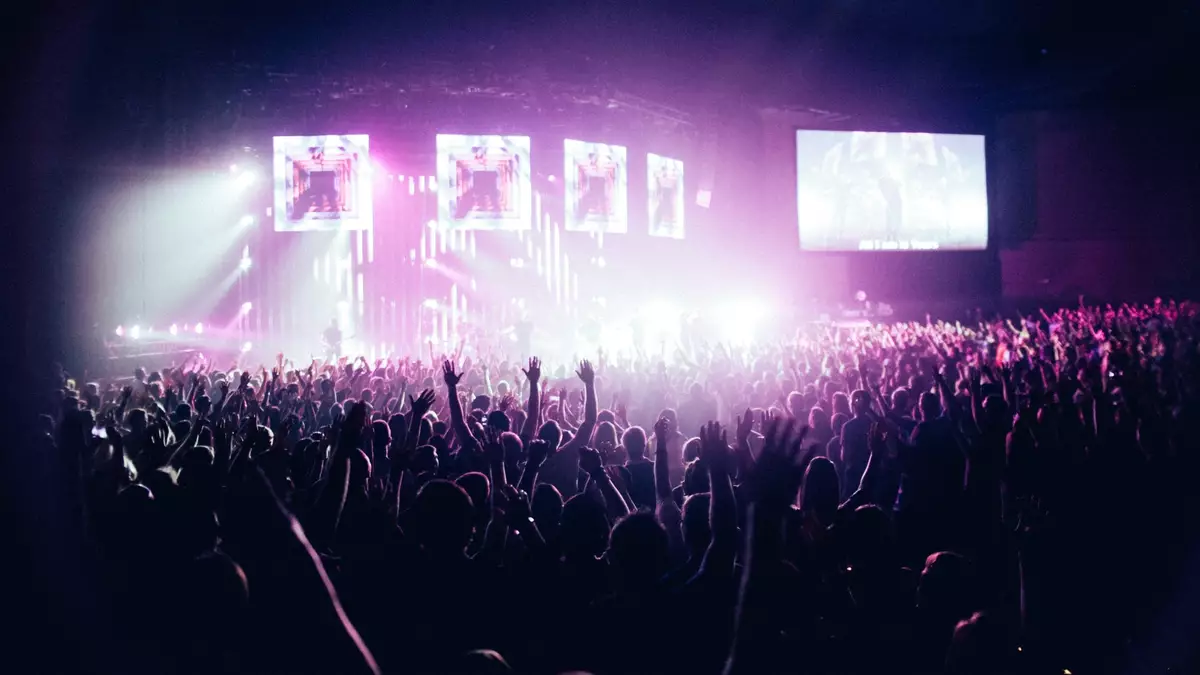
If you feel like you’re seeing the name Ray Charles pop up all over your For You page again, you’re not imagining it. Between high?fidelity remasters landing on streaming platforms, orchestral tribute shows selling out in major cities, and a new wave of TikTok edits using "What’d I Say" and "Georgia on My Mind", the Genius of Soul is having another very real moment with Gen Z and Millennials. For anyone curious where to dive in, the official hub for releases, projects, and legacy content is here:
Explore the official Ray Charles universe
So what exactly is going on with Ray Charles in 2026 — and why are fans talking about him like he just dropped a new album yesterday?
The Backstory: Breaking News in Detail
Ray Charles might have passed away in 2004, but his catalog is behaving like a living, breathing organism in 2026. In the last few weeks, US and UK music press have been buzzing about a fresh round of high?resolution reissues and immersive audio mixes rolling out on the major streaming platforms. You’ll see headlines talking about new Dolby Atmos masters of classic albums like "Modern Sounds in Country and Western Music" and curated playlists built around his Atlantic and ABC-Paramount years.
While there hasn’t been a surprise "new" studio album pulled from the vaults this month, label insiders quoted across multiple outlets have hinted that there are still live tapes, rehearsal recordings, and alternate takes in the archives. The current push focuses on two big themes: making the existing catalog sound better than ever on headphones and home setups, and reframing Ray Charles as a key influence for today’s genre?blurring artists.
For fans, that matters more than it might sound on paper. Older CD issues and early digital transfers of Ray’s work sometimes felt a bit flat or compressed, especially compared to how punchy modern mixes can be. The new masters hitting services in 2026 have more space: horns pop, the rhythm section has weight, and you can really hear the rasp and crackle in his voice without it turning harsh. If you put on a track like "What’d I Say" or "I Got a Woman" on a decent pair of headphones now, the groove finally feels as dangerous and alive as the stories say it was.
There’s another layer to the recent coverage: rights and legacy. Over the last few years, the Ray Charles Foundation and the estate have tightened how his image and recordings are licensed. Recent pieces in US media point out that this is part of a bigger move to keep his work from being reduced to lazy background music in ads or generic playlist filler. Instead, the strategy is to spotlight high?quality collaborations: think symphony orchestras, jazz festivals, carefully chosen film placements, and educational projects that use his songs to talk about the history of soul, R&B, and country.
For younger listeners who mostly discover music through playlists, this reframing is crucial. Curators are weaving Ray Charles into contexts that actually make sense to a 2026 ear: "Proto?Soul Bangers", "Blues to Bedroom R&B", "Country Rebels Before Country Was Cool". Music journalists in both the US and UK have been pointing out that once you hear something like "Hit the Road Jack" dropped between Amy Winehouse and Anderson .Paak, it just clicks: this isn’t dusty museum music, this is the DNA of a lot of what you already love.
On top of that, several venues in the US and Europe have quietly filled their 2025–2026 calendars with Ray Charles tribute nights, usually advertised as one?off events: a full band, often with horns and backing vocalists, performing his arrangements front to back. Ticketing pages show these nights doing solid business, especially in cities like London, New York, and Berlin where jazz and soul audiences overlap. As more fan videos from those shows surface online, the algorithms seem to be doing their thing — and that’s feeding the latest spike in curiosity.
The Setlist & Show: What to Expect
Because Ray Charles himself isn’t touring, the "setlist" conversation in 2026 is really about how his music is being performed and sequenced in tribute concerts, orchestral shows, and documentary screenings with live bands. Still, patterns have emerged, and if you’re thinking of grabbing a ticket to a Ray-themed night, you can make a pretty educated guess about what you’ll hear.
Most bandleaders start with a one?two punch of early hits: "Mess Around", "I Got a Woman", or "Hallelujah I Love Her So". Those songs are short, tough, and perfect ice?breakers. They throw you right into the world of late?50s R&B bars — stomping pianos, shouts from the band, that merge of gospel intensity and club energy that made Ray controversial in church circles and adored in dance halls.
From there, the sets usually lean into the bigger, more cinematic side of his music. Expect "Georgia on My Mind" as an early emotional peak, often arranged almost exactly like the original, with strings handled by a horn section or a small orchestra. When the vocalist nails the phrasing on "Georgia", you can feel the room change: conversation stops, phones go down, and people remember that this song is basically a second national anthem in parts of the US.
"Hit the Road Jack" and "What’d I Say" are non?negotiable in almost every show. They’re built for call?and?response, which makes them perfect moments for crowd interaction. You’ll hear the band split the vocal parts the way the Raelettes did with Ray — the lead singer throwing out the lines, the backing vocalists or audience snapping them back. The vamp at the end of "What’d I Say" can run long, and in a good band’s hands it becomes a jam section where the drummer, organist, and horn players get short, sweaty solos.
Tribute shows that lean into the country side of his catalog pull from "Modern Sounds in Country and Western Music": "You Don’t Know Me", "You Are My Sunshine", "I Can’t Stop Loving You". In a modern live mix, these tracks hit like power ballads with a gospel heart. Fans who came for the bangers often walk out talking about these as the unexpected tear?jerkers of the night.
Another recurring trend in recent setlists is crossing eras just like Ray did. Bands might slide from "Unchain My Heart" or "Busted" into his versions of standards like "Come Rain or Come Shine" or "Let the Good Times Roll". The point is to show how effortlessly he could jump from big band swing to gutbucket blues to sophisticated adult pop, often within the same show. A lot of musicians featured in interviews say that’s exactly what they want younger listeners to understand: genre walls were suggestions to Ray Charles, not rules.
Atmosphere?wise, you shouldn’t expect a quiet museum recital. Even with an orchestra, the best Ray Charles tributes feel like slightly chaotic celebrations. People sing along loudly (especially on "Hit the Road Jack"), and older fans will sometimes clap on the wrong beat, which younger music nerds find both adorable and annoying. Dress code is informal: sneakers, vintage band tees, maybe a blazer if it’s a more upscale venue. Drinks are absolutely part of the night, which adds to the loose, old?school club vibe.
One underrated highlight of these shows is when bands dig for deeper cuts. Songs like "Drown in My Own Tears", "Night Time Is the Right Time", or "Hard Times (No One Knows Better Than I)" give vocalists space to stretch and remind the room that Ray’s catalog isn’t just wedding?playlist standards. On social media, you’ll see comments from attendees saying things like, "Went for 'Georgia', left obsessed with 'Drown in My Own Tears'" — exactly the kind of re?discovery that keeps a legacy artist’s streaming numbers growing.
What the web is saying:
Rumor Mill: What Fans Are Speculating
Because there’s no living artist to stalk for airport photos or soft?launch relationship drama, the Ray Charles rumor mill in 2026 is focused on archives, biopics, and AI-driven projects. Most of the action is on Reddit music threads, Twitter/X, and TikTok comment sections — and the speculation falls into a few clear buckets.
The biggest ongoing rumor is that there’s a fully unreleased concert from the early 1960s in broadcast quality sitting in a vault, potentially filmed for European television. Fans claim to have heard snippets in various documentaries, and some swear that a short clip leaked years ago on YouTube before being taken down. Every time a label announces a new remaster campaign, Reddit lights up with people asking, "Is THIS when we finally get the full show?" So far, there’s no official confirmation — just carefully worded hints from archivists saying they’re "continually assessing" live material.
Another talking point is whether we’ll see a new scripted series or film focused on Ray’s life. The 2004 biopic "Ray" did huge business and won awards, but younger fans discovering him now often say on social platforms that they’d love a longer?form streaming series that spends more time on specific eras: his Atlantic Records grind years, the controversial move into country music, the touring band dynamics, the Raelettes, and the back?and?forth with church communities. A few entertainment trade sites have floated the idea that production companies are quietly sounding out the estate about something in this lane, but again, nothing has been announced.
The hottest and most divisive topic, though, is AI. Every time a label or tech company shows off AI "duets" or synthetic vocals using older artists, Ray Charles’s name gets pulled into the conversation. Some fans are openly curious about what it might sound like to have a tasteful, officially sanctioned AI reconstruction of Ray harmonizing with modern singers on new arrangements. Others are fiercely against it, arguing that his voice was too human, too tied to his own experiences with blindness, addiction, and faith to ever feel right when generated by an algorithm.
On TikTok, you’re starting to see unofficial AI mashups where a Ray?style vocal is dropped onto trap?soul beats or lofi hip?hop loops. Some of them are surprisingly convincing on a quick listen, which is exactly why they scare people. Comment threads often turn into mini ethics seminars: "Is this honoring the Genius or exploiting him?" That tension is likely to grow as tools get better, and a lot of fans are watching closely to see where the Ray Charles Foundation draws its lines.
There’s also a more wholesome side to the current buzz. Teachers and music?school kids have been swapping stories online about how they’re using Ray’s recordings as study material. Keyboardists talk about transcribing his solos on "What’d I Say" to understand how to make simple riffs feel massive. Singers break down the phrasing on "Georgia on My Mind" to learn how to bend notes emotionally without over?singing. A recurring theory on Reddit is that we’re about to see a mini?wave of young artists who sound "Ray?pilled": less auto?tuned perfection, more grit and swing, more songs that calmly ignore genre boundaries.
And then there’s the meme culture. Clips of Ray Charles grinning behind sunglasses at the piano have become reaction memes for "I know exactly what I’m doing" moments. Edits of him cutting loose with the band, head thrown back, are used as visual punchlines for "when the beat finally drops". It’s irreverent, sure, but it’s also a strangely effective form of promotion. Someone laughs at a meme, taps the audio, lands on "What’d I Say" — and suddenly they’re in a listening rabbit hole that leads straight to the core albums.
Key Dates & Facts at a Glance
| Type | Date | Location / Album | Key Detail |
|---|---|---|---|
| Birth | September 23, 1930 | Albany, Georgia, USA | Ray Charles Robinson is born; later becomes known worldwide simply as Ray Charles. |
| Passing | June 10, 2004 | Los Angeles, California, USA | Dies at age 73, leaving behind one of the most important catalogs in American music. |
| Breakthrough Single | 1954 | "I Got a Woman" | Early Atlantic Records hit that fuses gospel feel with R&B; often cited as a blueprint for soul music. |
| Iconic Hit | 1959 | "What’d I Say" | Improvised onstage, then recorded; becomes a global hit and live-show centerpiece. |
| Signature Ballad | 1960 | "Georgia on My Mind" | Ray’s version becomes a standard and later the official state song of Georgia. |
| Country Crossover Album | 1962 | "Modern Sounds in Country and Western Music" | Smashes genre barriers, topping charts and bringing country songs to pop and R&B audiences. |
| Major Award | 1986 | Rock and Roll Hall of Fame | Inducted in the first year of the Hall, cementing his status as a foundational figure. |
| Biopic Release | 2004 | Film "Ray" | Jamie Foxx’s performance as Ray Charles wins the Academy Award for Best Actor. |
| Recent Catalog Activity | 2025–2026 | Streaming & Reissues | New high?resolution and immersive audio versions of classic albums rolled out on major platforms. |
| Official Website | Ongoing | raycharles.com | Central source for news, releases, and legacy projects. |
FAQ: Everything You Need to Know About Ray Charles
Who was Ray Charles and why is he so important to modern music?
Ray Charles was an American singer, pianist, composer, and bandleader who reshaped what popular music could sound like. Born in 1930 and blind from his teenage years, he combined gospel, blues, jazz, and country into a new, emotionally raw style that helped define soul music. When you listen to modern R&B, pop, or even alt?country artists who mix influences freely and sing with gritty emotion, you’re hearing echoes of Ray’s approach.
His voice was instantly recognizable: rough but warm, capable of both playful shouts and whispered heartbreak. On top of that, he was a serious musician’s musician — a sharp arranger and pianist who could swing hard, write sophisticated horn charts, and reshape familiar songs into something deeply personal. That mix of technical skill and raw feeling is a big reason he still hits so hard in 2026.
What are the essential Ray Charles songs to start with if you’re new?
If you’re just starting, think of his catalog in three lanes: the jumpy R&B bangers, the emotional ballads, and the genre?bending covers. For instant energy, queue up "What’d I Say", "I Got a Woman", "Mess Around", and "Hit the Road Jack". These tracks show the swagger and rhythmic drive that made Ray a live legend.
For the tender, late?night side, go to "Georgia on My Mind", "You Don’t Know Me", "Drown in My Own Tears", and "A Song for You" (his take on the Leon Russell tune is devastating). Then, to understand why people call him a rule?breaker, play his versions of "I Can’t Stop Loving You", "You Are My Sunshine", and "Take These Chains from My Heart" from "Modern Sounds in Country and Western Music". Hearing a Black R&B star rework country songs with strings and gospel?style backing vocals in the early 1960s was quietly radical — and still sounds lush and surprising today.
How did Ray Charles influence artists you listen to now?
It’s not always about direct soundalikes; it’s about attitude and structure. Ray’s biggest influence on modern artists is the way he treated genre lines like suggestions. When you listen to someone like Alicia Keys blend classical?style piano with soul, or when The Weeknd pulls from 80s pop and gospel chords, or when Chris Stapleton blurs country, soul, and rock, you’re seeing a mindset that Ray normalized decades ago: "Use whatever tools you need to tell the truth of the song."
On a performance level, his phrasing — slightly behind the beat, stretching vowels, playing with dynamics — has been studied and absorbed by generations of singers. You’ll hear people from Bruno Mars to John Legend to Hozier talk about Ray Charles as a north star. Even hip?hop producers sample and reference him, not just for the melodies but for the swing in his rhythm sections.
Where can you watch or experience Ray Charles’s music in 2026?
For a lot of people, the first stop is streaming platforms, where his key albums and curated playlists are easy to find. But if you want more of a "live" feel, your best bet is tribute shows, jazz clubs, and orchestra events that put his music center stage. Many cities have recurring "Ray Charles Night" gigs — sometimes announced as part of broader "Soul Legends" programs, other times explicitly branded around him.
On video, YouTube is loaded with vintage TV spots, festival performances, and documented concerts. Watching him at the piano, you’ll understand why audiences lost their minds: the body language, the way he cues the band with tiny head movements, the grin when the groove locks in. Documentaries and the 2004 biopic "Ray" are also still widely available on major streaming services; just remember that dramatizations sometimes compress or rearrange real events for storytelling.
And if you want up?to?date info — including new releases, educational initiatives, or special projects — the official website at raycharles.com is the reference point.
When did Ray Charles start to break genre rules, and how risky was it?
He had already been bending gospel and blues together in the 1950s, but the clearest public line?crossing moment was the early 1960s, especially with "Modern Sounds in Country and Western Music" in 1962. At that time, country music and R&B were marketed to very different, often racially divided audiences in the US. A Black artist associated with R&B taking on country standards with lush arrangements was a commercial and cultural risk.
Labels and radio programmers didn’t know if it would land — but it exploded. The album topped charts and helped introduce mainstream pop listeners to songs they might never have touched otherwise. In hindsight, it looks obvious; in the moment, it took nerve. That willingness to ignore marketing categories and trust his ear paved the way for crossover moves that we now take for granted, from country?pop hybrids to R&B?rock experiments.
Why does Ray Charles still resonate with Gen Z and Millennials specifically?
Three big reasons: emotion, authenticity, and algorithm?friendliness. First, the emotion is unfiltered. In an era where vocals are often ironed flat by auto?tune, hearing the cracks and growls in Ray’s voice feels weirdly fresh. You don’t need any historical context to understand the ache in "Georgia on My Mind" or the joy in "What’d I Say" — your body gets it.
Second, there’s a strong narrative of authenticity around him. Stories of him fighting for artistic control, refusing to be boxed in by race or genre expectations, and standing up to unfair contracts line up with how a lot of younger fans want their heroes to behave. He wasn’t perfect, but he owned his choices and kept his musical standards high.
Third, his music just works in the algorithm. Short intros, clear hooks, distinctive textures — these are things that make songs sticky in 2026’s skip?happy environment. Once a few tracks start trending in playlists or edits, it’s easy for people to go deeper and not feel like they’re "doing homework". The songs are simply fun and powerful.
What’s the best way to deep?dive into Ray Charles’s catalog without getting overwhelmed?
Think in phases instead of trying to absorb everything at once. Start with a short playlist of 10–12 essentials that cover hits and emotional standouts: "What’d I Say", "Hit the Road Jack", "I Got a Woman", "Georgia on My Mind", "You Don’t Know Me", "I Can’t Stop Loving You", "Unchain My Heart", "Night Time Is the Right Time", and one ballad like "A Song for You".
Then move to full albums. For early raw fire, go to the Atlantic era compilations (often titled something like "The Best of Ray Charles: The Atlantic Years"). For the big, cinematic side, spin "The Genius of Ray Charles" and "Modern Sounds in Country and Western Music". If you’re into jazzier vibes, look for his collaborations with big bands and his versions of standards. Finally, explore live recordings to understand how much he fed off the crowd. Spreading this out over a few weeks turns a legendary catalog into an ongoing listening experience, not a one?time history project.
Get the professional edge. Since 2005, 'trading-notes' has provided reliable trading recommendations. Sign up for free now


