Why Ramones Still Feel Louder Than Ever in 2026
Veröffentlicht am: 01.03.2026 um 05:06 Uhr | Redaktionelle Verantwortung: Rafael Müller, Chefredakteur AD HOC NEWS
You keep seeing that logo everywhere — the eagle crest on hoodies, tote bags, TikTok edits, even on kids who probably couldn’t find CBGB on a map. The Ramones are all gone, yet somehow more alive in 2026 than at any point since the ’90s. Streams are up, punk fashion is back, and younger fans are discovering that three chords and a shout-along chorus sometimes hit harder than any 20-layer pop production.
Whether you’re a day-one punk lifer or you just Shazam’d “Blitzkrieg Bop” from a Netflix show, you’re part of the new wave of Ramones obsessives digging through live bootlegs, anniversary box sets, and fan theories about what could have been. And yes, there’s an official home base for all of it — merch, history, and deep-dive content straight from the source.
Official Ramones site – history, merch & more
So what exactly is happening with Ramones in 2026, and why does a band that broke up in the ’90s suddenly feel like the most relevant thing in your playlist again? Let’s break it down.
The Backstory: Breaking News in Detail
First, some reality: all four original Ramones — Joey, Johnny, Dee Dee, and Tommy — have passed away. There is no classic-lineup reunion on the horizon, no surprise comeback single lurking on Spotify. But that hasn’t stopped Ramones from becoming a massive presence again, especially for Gen Z and younger millennials.
What’s actually "new" in Ramones world in 2026 isn’t a fresh album, but a cluster of things bubbling at the same time: anniversary reissues, sync placements in streaming series, TikTok-fueled revivals, and a constant drip of archival content. In the last few years, we’ve seen expanded editions of albums like Leave Home, Rocket to Russia, and Road to Ruin with demos, live sets, and early mixes that show how brutally focused this band really was. Labels and estates have leaned in hard on that collector energy, packaging unheard live takes of "Judy is a Punk" or "Sheena Is a Punk Rocker" with thick liner notes and unearthed photos.
On the screen side, Ramones songs have quietly become the go-to shorthand for chaos, youth, or outsider energy. "Blitzkrieg Bop" is basically a cinematic meme at this point, but you’re also hearing deep cuts like "I Wanna Be Your Boyfriend" and "Do You Remember Rock ’n’ Roll Radio?" in prestige series, indie films, and even sports promos. Each placement sends a new wave of listeners to streaming platforms, where that first hit of guitar noise often leads to full-album rabbit holes.
There’s also the ongoing live legacy. While there is no official “Ramones” touring band, several tribute projects and former members’ bands keep the songs onstage. Marky Ramone has spent years performing Ramones classics with his own group, often billed as "Marky Ramone’s Blitzkrieg" or similar, blasting through 30-plus songs a night. These shows don’t pretend to be the original band, but for younger fans they function as a living conduit to that CBGB energy — sweaty, fast, and zero banter.
For fans, the implications are pretty simple: Ramones are shifting from “your older cousin’s favorite band” to “punk’s Beatles” — a permanent entry point into guitar music. Much like how teens discover Nirvana or Fleetwood Mac every few years, Ramones are sliding into that immortal rotation. The logo is fashion, the sound is back in clubs, and the story hits hard in a world where a lot of people feel like outsiders again.
In other words: no new studio album, but a constant surge of new context. Reissues, docs, playlists, and live tributes are turning Ramones from a cult punk act into a cultural language — one that today’s fans are happy to scream along with.
The Setlist & Show: What to Expect
If you’ve never seen a Ramones-style show — whether it’s an official legacy member band, a tribute night, or a full Ramones cover set in a tiny bar — you’re in for something that barely resembles a modern arena concert. No LED walls, no 10-minute speeches about self-love before the encore, no elaborate costume changes. Just downstroke guitars, leather jackets, and songs that start and end before your brain even has time to overthink them.
Classic Ramones setlists, especially from the late ’70s and early ’80s, read like a speed-run of punk history. A typical show would fling out "Blitzkrieg Bop," "Beat on the Brat," "Judy Is a Punk," "Now I Wanna Sniff Some Glue," and "53rd & 3rd" in the first 15 minutes. No breaks, no pauses, just a shouted "1-2-3-4" and straight into the next track. That approach has become the template for how tribute acts and surviving members present the songs today.
At a Marky Ramone show or a well-curated tribute gig in the US or UK, you can expect a core run of essentials: "Blitzkrieg Bop" (obviously), "Sheena Is a Punk Rocker," "I Wanna Be Sedated," "Rockaway Beach," "Teenage Lobotomy," "Do You Wanna Dance," "Pinhead" (yes, you will yell "Gabba Gabba Hey" with strangers), and "Cretin Hop." Deeper fans hope for gems like "I Don’t Wanna Walk Around With You," "We’re a Happy Family," or "Bonzo Goes to Bitburg."
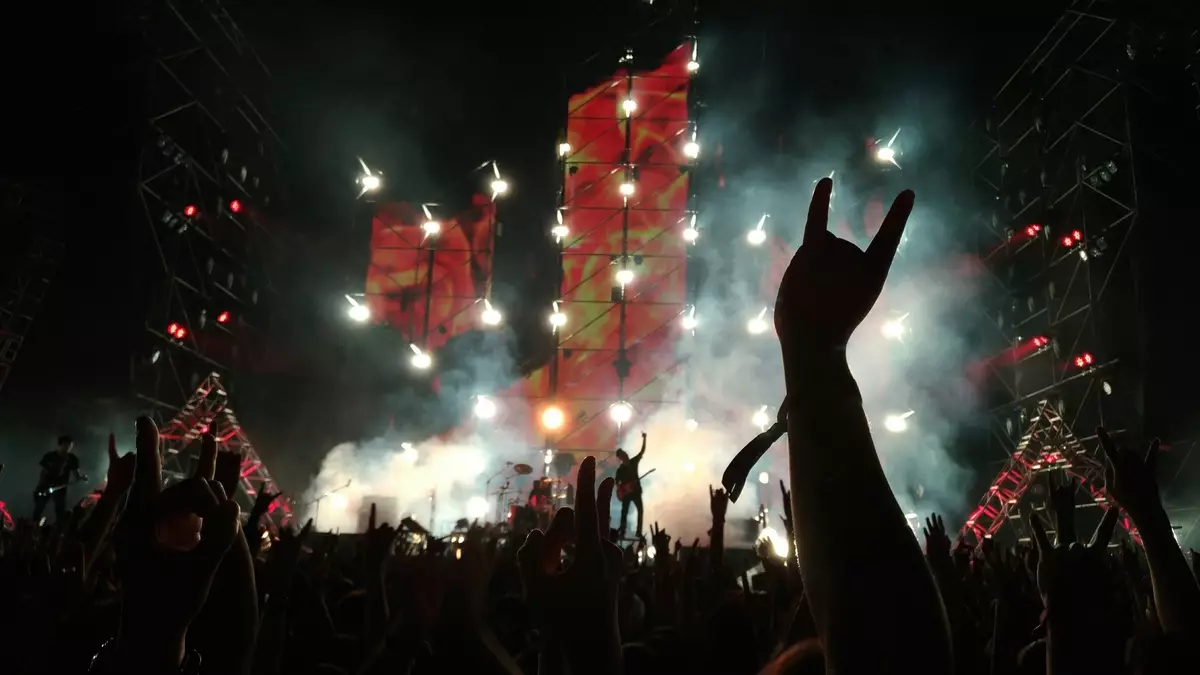
The atmosphere splits the difference between nostalgia night and full-on mosh pit. In smaller clubs, you’ll get a floor packed with lifers in vintage tour shirts up front and younger kids toward the back, phones half-raised, grinning as they finally feel the low end of "Rock ’n’ Roll High School" rattling their ribs. There’s also a surprising amount of pure joy. For a band that wrote about boredom, alienation, and weirdos, Ramones choruses feel like group therapy — loud, dumb in the best way, and weirdly healing.
Another thing to expect: speed. Tracks like "Gimme Gimme Shock Treatment" or "Havana Affair" were already fast on record; live, they often push beyond that. Tribute bands lean into that energy, sometimes pushing tempos until songs feel almost hardcore. There’s no space to be self-conscious; you’re just in it. If you’re used to pop shows with perfectly synced visuals, this will feel raw and maybe a little chaotic, but that’s the point.
And then there’s the visuals. The same few aesthetic pillars keep turning up: the black leather jacket, the ripped jeans, the bowl-cut or long shag hair, and that stark, blocky Ramones logo on backdrops and drums. Even if a modern band isn’t literally cosplaying the originals, they borrow the stance: dead-ahead, no-frills, heads down, chugging through "Commando" or "The KKK Took My Baby Away" without a wink.
So if you grab tickets to a Ramones-themed night in your city, what should you expect? A setlist that feels like a 75-minute playlist of pure hooks, a crowd that knows every "Hey! Ho! Let’s go!" cue by heart, and absolutely no patience for standing still. You’ll walk out sweaty, hoarse, and maybe with a new fixation on a band you thought you already knew.
What the web is saying:
Rumor Mill: What Fans Are Speculating
Because there’s no new studio album cycle, Ramones discourse in 2026 lives mostly online — on Reddit threads, TikTok comment sections, Discord servers, and very opinionated Instagram meme pages. The speculation isn’t about new music; it’s about legacy, ownership, and “what if” scenarios that refuse to die.
On Reddit, especially in general music subreddits, you’ll see recurring debates about who really defined the band’s sound: Joey’s voice and pop sensibility, Johnny’s rigid downstrokes, Dee Dee’s songwriting, or Tommy’s early production brain. Fans love to re-litigate whether later-era records like Too Tough to Die or Adios Amigos! secretly hold up better than the holy trinity of Ramones, Leave Home, and Rocket to Russia. Deep-cut enjoyers will swear that tracks like "Poison Heart" or "Pet Sematary" are every bit as essential as "Blitzkrieg Bop" if you give them time.
There’s also constant chatter about hypothetical reunions and hologram tours. Could there ever be a Ramones "virtual" show, like the ABBA Voyage project in London? Technically yes, but fans seem divided. Some argue that punk and holograms just don’t mix; the whole point of Ramones was sweat, danger, and imperfection. Others say that if it’s done tastefully with full cooperation from the estates and surviving members, it could be a powerful intro for younger kids who will never experience the real thing.
Another hot topic is ticket pricing for legacy-adjacent shows. When former members or high-profile tribute nights hit bigger venues, any price spike instantly sparks threads about punk ethics. "Would Johnny have approved of $120 tickets?" is a real argument you’ll see. The counterpoint: touring is expensive, and the people onstage aren’t living on 1977 rent. Fans end up negotiating in real time what “punk” means in an era of dynamic pricing and VIP packages.
On TikTok, the vibe is different: less debate, more vibes. You’ll scroll past edits of vintage Ramones footage cut to "I Wanna Be Sedated," fashion creators building modern outfits around classic Ramones tees, and guitarists showing how easy it is to bash out "Rockaway Beach" with just a few chords. One recurring trend pairs "I Wanna Be Your Boyfriend" with soft, lo-fi visuals, repositioning a scrappy punk song as something tender and almost indie-romantic.
Then there are the conspiracy-style theories: Was there a lost perfect Ramones album hiding between End of the Century and Pleasant Dreams? Did Phil Spector help or hurt the band’s trajectory? Would the band have stayed together longer if internal politics hadn’t been so brutal? None of these questions have clear answers, but arguing about them keeps the fandom emotionally invested.
Underneath all the noise, the core fan feeling is pretty simple: Ramones represent a version of music that feels pure and unfiltered in a hyper-curated age. Speculation is just a way of saying, "We’re still not done with this band." And for a group that used to bang out 20-song sets in under an hour, that’s a wild kind of longevity.
Key Dates & Facts at a Glance
- Band formation: Ramones formed in 1974 in the Forest Hills neighborhood of Queens, New York City.
- First show: One of their earliest gigs at legendary club CBGB in Manhattan took place in 1974, helping define the emerging New York punk scene.
- Debut album release: Ramones was released in April 1976, clocking in at around 29 minutes and flipping rock norms on their head.
- Classic singles to know: "Blitzkrieg Bop," "Sheena Is a Punk Rocker," "I Wanna Be Sedated," "Rockaway Beach," "Teenage Lobotomy," "Do You Remember Rock ’n’ Roll Radio?"
- Core studio albums (highlights): Ramones (1976), Leave Home (1977), Rocket to Russia (1977), Road to Ruin (1978), End of the Century (1980), Too Tough to Die (1984), Adios Amigos! (1995).
- Live essentials: It’s Alive (recorded 1977, released 1979) is often cited as one of the greatest live punk albums ever.
- Farewell era: The band’s final studio album, Adios Amigos!, came out in 1995, and their last shows followed shortly after in the mid-’90s.
- Hall of Fame status: Ramones were inducted into the Rock & Roll Hall of Fame in 2002, formalizing what fans already knew — they changed rock forever.
- Streaming era resurgence: Their songs rack up hundreds of millions of plays across platforms, with "Blitzkrieg Bop" and "I Wanna Be Sedated" leading the pack.
- Iconic logo: The presidential-style Ramones seal, originally designed by Arturo Vega, has become one of the most recognizable band logos in music history.
- Official hub: The band’s official site, merch, and legacy updates live at ramones.com.
FAQ: Everything You Need to Know About Ramones
Who were the Ramones, really?
Ramones were a New York City band that took the bloated, stadium-sized rock of the mid-’70s and smashed it into something short, sharp, and permanently wired. They weren’t blood relatives, but they all adopted the "Ramone" surname as a gang-style identity: Joey Ramone on vocals, Johnny Ramone on guitar, Dee Dee Ramone on bass, and Tommy Ramone on drums in the classic lineup. Later members like Marky, Richie, and C.J. Ramone kept the name alive through personnel changes.
Musically, they fused ’60s girl-group melodies and early rock ’n’ roll with distortion, speed, and dark humor. Lyrically, they leaned into boredom, broken love, bad movies, and suburban weirdness. They looked like a street gang, played like a runaway train, and wrote songs that could stick in your head for days after one listen.
What makes Ramones so important to modern music?
If you like any form of punk, pop-punk, emo, or even certain flavors of indie rock, you’re living in a world Ramones helped build. They didn’t invent loud guitars or power chords, but they stripped rock down to its bones and showed that you didn’t need a guitar solo or a ten-minute jam to be powerful. Bands from The Clash and Sex Pistols to Green Day, Blink-182, and countless DIY acts cite Ramones as a main reason they picked up instruments.
Their influence isn’t just about sound, it’s about attitude. Ramones proved that you could be weird, socially awkward, and not conventionally glamorous, and still own a stage. In a 2026 internet culture that’s constantly talking about authenticity and outsider identity, that energy feels more relevant than ever.
Why are Ramones trending again with Gen Z and millennials?
Partly: algorithms. Once a couple of Ramones tracks started hitting big in playlists and syncs, recommendation systems did the rest. But there’s more to it than that. Younger listeners raised on glossy pop and hyper-produced trap are finding something refreshing in the rawness of songs like "Judy Is a Punk" or "Gimme Gimme Shock Treatment." You can hear the room, the mistakes, the urgency.
Punk fashion’s return plays a role too. The leather jacket and band tee combo is all over Instagram and TikTok, and the Ramones logo is basically universal aesthetic shorthand for "I like loud guitars." That look sends people to the music, and the music actually holds up. Short attention spans also help: in a world of 15-second videos, a 2-minute blast of "Sheena Is a Punk Rocker" fits perfectly.
Can you still see Ramones songs performed live in 2026?
You can’t see the original Ramones — all four founding members have passed — but you can absolutely experience their songs live. Former drummer Marky Ramone has long toured with bands dedicated to playing Ramones material, and tribute acts in the US, UK, and Europe pack clubs with full-set runs through classic albums.
These shows aren’t museum pieces. They’re sweaty, loud, and often faster than the records. You’ll hear the core hits — "Blitzkrieg Bop," "I Wanna Be Sedated," "Rockaway Beach" — plus deeper cuts depending on the band’s obsession level. If you want that feeling of being crushed in a crowd yelling "Hey! Ho! Let’s go!" with strangers, these gigs deliver.
Where should a new fan start with Ramones?
If you’re coming in cold, the self-titled debut Ramones is the cleanest entry point. It’s short, it’s brutal, and it holds a ridiculous percentage of their all-time songs: "Blitzkrieg Bop," "Beat on the Brat," "Judy Is a Punk," "Now I Wanna Sniff Some Glue," "I Don’t Wanna Go Down to the Basement." From there, hop to Rocket to Russia for slightly fuller production and classics like "Sheena Is a Punk Rocker" and "Teenage Lobotomy."
After that, try the live album It’s Alive. It’s essentially a greatest hits set played at quadruple intensity, capturing the band at their live peak. If you’re more into hooky, radio-leaning tracks, the Phil Spector-produced End of the Century is a weird but fascinating pivot, with "Do You Remember Rock ’n’ Roll Radio?" and "Chinese Rock." And if you want to go full discography nerd, hit the later albums to find underrated songs like "Poison Heart" or "I Don’t Want to Grow Up."
Why do people say Ramones never “broke through” like they deserved?
In terms of influence, Ramones are giants. In terms of mainstream chart success during their active years, they were weirdly under-rewarded. They never racked up the kind of radio dominance that some of their followers would later enjoy. Part of that was timing: they were too raw for mid-’70s rock radio and too early for the MTV wave that would boost punk-adjacent bands in the ’90s.
Labels and producers also struggled to figure out how to package them. The Phil Spector experiment on End of the Century was supposed to break them big; instead, it sparked mixed reactions and showed that smoothing out their rough edges wasn’t necessarily the move. The irony is that in 2026, those very rough edges are a selling point. The culture finally caught up.
How can you go deeper into the Ramones universe?
Once you’ve hit the studio albums and the key live record, the rabbit hole widens. There are memoirs from band members, documentaries covering their CBGB days and later world tours, and entire YouTube channels dedicated to ranking every song. Fan forums and Reddit threads will point you to legendary bootlegs, alternate mixes, and obscure interviews where Joey or Dee Dee casually drop lines that explain whole eras of the band.
And then there’s the official hub at ramones.com, where you can grab official merch, check out archival photos, and keep up with legacy projects. For a band that used to blow through 25 songs in under an hour, there’s a surprising amount to explore — and in 2026, more people than ever are finally taking that deep dive.
Disclaimer zu unseren Artikeln: Keine Anlageberatung, keine Kauf- oder Verkaufsempfehlung. Angaben zu Kursen, Unternehmen und Märkten ohne Gewähr; Änderungen jederzeit möglich. Börsengeschäfte können zu hohen Verlusten führen. Unsere Beiträge werden ganz oder teilweise automatisiert mit Unterstützung von AI erstellt und geprüft.