
Why Pink Floyd Won’t Stay Quiet in 2026
Published on 03/07/2026 at 03:11 | Editorial responsibility: Rafael Müller, Editor-in-Chief AD HOC NEWS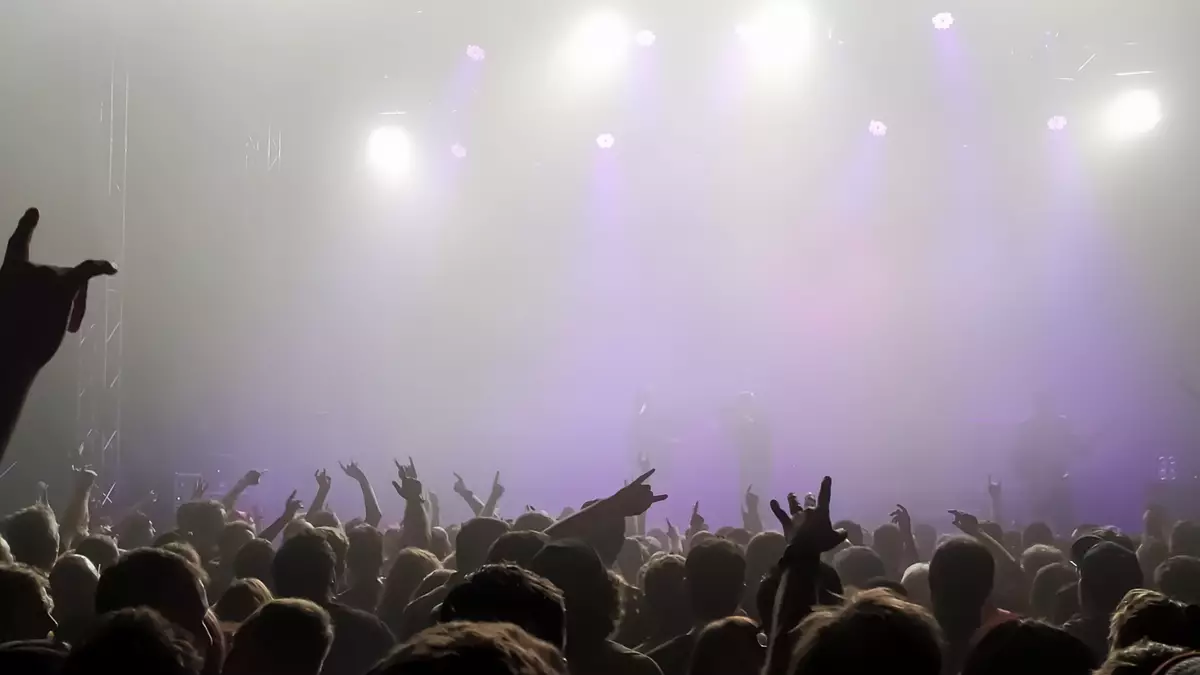
You can feel it again, can’t you? Every few years Pink Floyd surge back into your feed like a ghost signal on late?night radio – a box set teaser here, a remaster rumor there, another tweet from Roger Waters or David Gilmour that sends fans into full detective mode. 2026 is one of those years where, even without a traditional reunion tour on sale, the word "Pink Floyd" keeps trending, playlists keep spiking, and younger fans are discovering that this band from your parents’ vinyl shelf still hits harder than most of today’s releases.
Check the official Pink Floyd site for the latest drops, remasters & merch
If you’re wondering why Pink Floyd are suddenly everywhere again – from TikTok edits of "Breathe" to Reddit threads decoding The Dark Side of the Moon like it just landed – you’re not imagining it. Between big anniversaries, ongoing reissue campaigns, and a constant tug?of?war over the band’s legacy, 2026 is turning into another major chapter in a story that technically ended decades ago, but emotionally never really stopped for fans like you.
The Backstory: Breaking News in Detail
First, the blunt truth: as of early March 2026, there is no fully confirmed, classic-lineup Pink Floyd reunion tour. No official stadium dates, no massive worldwide trek. That’s important to say up top, because clicky fake posters and AI?generated "tour announcements" keep bouncing around socials and fooling casual fans.
What is happening right now is more subtle, and in some ways more interesting if you’re a deep fan rather than just chasing nostalgia. The band’s camp has been leaning heavily into anniversaries and archival releases. In recent years we’ve seen the enormous 50th anniversary edition of The Dark Side of the Moon, expanded sets around Animals, and fresh remasters for the classic ’70s run. In 2026, industry insiders and fans are laser?focused on the late?’70s and early?’80s era, because it lines up with key milestones for The Wall and the band’s later tours.
Here’s where the speculation kicks up: catalog activity around a legacy band is rarely random. When labels start teasing high?resolution remasters, new Atmos mixes, and unreleased live audio, it often lines up with a bigger storytelling arc – think documentaries, special cinema screenings, or huge one?off tribute shows featuring surviving members plus carefully chosen guests. With Pink Floyd, that storytelling is especially loaded because of the long?running friction between David Gilmour and Roger Waters.
Over the last few years, you’ve probably seen that tension spill back into public view – interviews where each side frames the band’s history in very different ways, carefully worded statements about who owns what, and occasional flashes of icy humor. Yet at the same time, we’ve also had moments of unexpected unity: the surprise 2022 single "Hey, Hey, Rise Up" under the Pink Floyd name to support Ukraine, or coordinated approvals for box sets that obviously required both camps to sign off.
That’s why 2026 feels like a weird mix of closure and open door. On one hand, both Gilmour and Waters have made it clear they’re proud of the past but prefer owning their solo futures. On the other, the continued effort going into polishing and re?presenting the Floyd era suggests nobody is ready to let the band fade into museum glass. Insiders in UK music media have hinted at more long?form documentary content in the pipeline, focusing on the late ’70s and early ’80s tours that changed the scale of rock shows forever.
The implication for fans: even if you never see a full Floyd reunion in a stadium, 2026 is likely to bring you closer to the peak years than ever. Better audio, sharper visuals, deeper liner?note stories, and possibly select live events – film premieres, listening parties, one?off tribute nights – where you can sit in a dark room with other obsessives and feel those opening heartbeats from "Speak to Me" ripple through your chest.
The Setlist & Show: What to Expect
Because Pink Floyd as a full band aren’t on the road, 2026 "setlists" fall into two buckets: the historical sets being remixed and resold to you, and the modern shows by individual members or tribute productions that keep Floyd’s music alive on stage.
Let’s start with the historical side. If you look at the classic Pink Floyd runs from the mid?’70s, the blueprint is burned into rock history. On the famous 1973–1975 tours, a typical night would often feature the entire The Dark Side of the Moon suite performed front to back: "Speak to Me" → "Breathe" → "On the Run" → "Time" → "The Great Gig in the Sky" → "Money" → "Us and Them" → "Any Colour You Like" → "Brain Damage" → "Eclipse."
Later, during the Animals period, sets grew darker and more politically charged, with "Dogs," "Pigs (Three Different Ones)" and "Sheep" stretching into long, unsettling jams beneath those huge inflatable pigs. By the time they hit The Wall shows around 1980–81, the concept had swallowed the entire night. Fans weren’t just watching a concert; they watched a literal wall of bricks built between band and audience while songs like "Another Brick in the Wall (Part 2)," "Mother," "Hey You," "Comfortably Numb," and "Run Like Hell" told the story of isolation and collapse.
The modern remasters and archival live releases are trying to drop you straight into that world with as much detail as possible – crowd noise, between?song tension, the way "Shine On You Crazy Diamond" slowly rises from silence like a ship in fog. Expect future releases and cinema screenings in 2026 to lean into complete concert experiences rather than scattered live tracks. That means full?album sequences, unbroken segues between songs, and the feeling that you’re sitting somewhere out on the pitch with the smell of fireworks drifting over you.
On the live front in 2026, the void left by Pink Floyd as a unit is being filled in three main ways:
1. Solo shows from Floyd members. Roger Waters and David Gilmour have both toured extensively in the last decade with setlists that lean hard on Floyd material. A typical Waters show in recent years has included epics like "Comfortably Numb," "Wish You Were Here," "The Happiest Days of Our Lives," "Another Brick in the Wall (Part 2)," and deep cuts from Animals such as "Dogs" or "Pigs (Three Different Ones)." Gilmour’s own sets often feature "High Hopes," "Sorrow," "Shine On You Crazy Diamond," and his definitive versions of "Money" and "Comfortably Numb." While no 2026 dates are locked in across the US/UK as of early March, any new solo run would almost certainly keep this core songbook alive.
2. High?end tribute and immersive productions. Cities across the US, the UK, and Europe have been hosting Pink Floyd–themed shows that go far beyond basic cover bands. Think laser spectaculars synced to The Dark Side of the Moon, planetarium experiences with surround sound, and symphonic Pink Floyd nights where orchestra and rock band rip through "Time," "Us and Them," and "Run Like Hell." These productions usually put the emphasis on the full?album experience, so if you go, expect the canonical tracks: the heartbeat intro, the cash registers of "Money," the vocal fireworks of "The Great Gig in the Sky," and the heaviness of "Eclipse" closing out the arc.
3. Fan?run listening events. Not official, but very real. From London to Los Angeles, bars, indie cinemas and student unions have been spinning complete Floyd albums in full, often on high?end vinyl systems. Setlists here are simple: you show up for the full Wish You Were Here or Animals experience and maybe stick around for a communal sing?along to "Wish You Were Here" or "Comfortably Numb." What you should expect is less mosh pit, more collective inhaling when that first four?note guitar figure from "Shine On You Crazy Diamond" hits the room.
Atmosphere?wise, Pink Floyd?related shows in 2026 are closer to cinema than typical rock gigs. People come to get lost. Lights are slow and precise, lasers still slice the smoke, surround speakers carry helicopter sounds and spoken?word snippets around the venue. Nobody’s rushing through three?minute singles. Songs stretch, pulse, fracture into sound collages. If you’re craving instant TikTok hype moments, this isn’t it. But if you want to melt into "Echoes" for 20 minutes and forget what day it is, you’re in the right place.
What the web is saying:
Rumor Mill: What Fans Are Speculating
No Pink Floyd news cycle is complete without fans on Reddit and TikTok building entire mini?universes from the smallest clue. Right now, the rumor mill is spinning around a few big themes.
1. A surprise one?off reunion for charity. Every time a major global event or charity megashow gets announced, r/music and r/pinkfloyd instantly light up with threads like "Could this be it?" Fans point to the band’s Live 8 reunion in 2005 – which seemed impossible until it happened – and the 2022 charity single under the Pink Floyd name as proof that, under the right conditions, old grudges can be parked for a cause. So far, there’s zero concrete evidence for a 2026 repeat, but users constantly analyze scheduling gaps in Gilmour’s and Waters’ calendars, plus any vaguely hopeful quote in interviews, as if it’s a Da Vinci code clue.
2. The ultimate The Wall box set. Another hot Reddit theory: that the band’s label is quietly building toward an all?in, definitive The Wall anniversary box with full live shows, demos, and restored film content. Any time a minor audio upgrade or leaked soundboard from that era surfaces, fans cross?reference catalog numbers and speculate that the vaults are being prepped. Video editors on TikTok are fueling that fire with lovingly restored clips of "Run Like Hell" and "Another Brick in the Wall" from old VHS rips, asking in captions: "Imagine this in 4K HDR with full Atmos?"
3. Ticket price discourse, even without a tour. This one’s wild: Pink Floyd aren’t touring, but people are still mad about ticket prices… for tribute acts and immersive shows. Threads on r/LiveMusic and TikTok comments call out $80?$150 prices for premium Pink Floyd experiences where not a single original member is on stage. Some fans argue that the production – lasers, projection mapping, surround sound – justifies it. Others feel like the mythology of the band is being milked a little too hard. That debate often spirals into nostalgia for the days when you could apparently see peak Floyd for what now sounds like pocket change.
4. AI vocals and the ethics of "new" Floyd songs. A very 2026?specific controversy: fan?made "new Pink Floyd tracks" created with AI?cloned versions of Gilmour’s guitar sound or Waters?style vocals. These clips go viral on TikTok and YouTube Shorts, with comments sections split between "this is insane" and "this feels wrong." Many lifelong fans argue that Pink Floyd’s whole message about humanity, alienation, and control is completely at odds with feeding an algorithm their voices to create fake songs. Others say it’s just the modern version of fanfic or mashups. Either way, the band’s name is in the middle of a very current tech?culture debate.
5. Young fan rewrites of the canon. Scroll through TikTok and you’ll see plenty of Gen Z listeners declaring that Animals is "actually the best Pink Floyd album," or that "Fearless" and "Echoes" are superior to the more playlist?friendly "Wish You Were Here" and "Another Brick in the Wall." That generational flip is huge: for decades, The Dark Side of the Moon was the unshakable center of the universe. Now, meme culture and deep?cut fandom are pushing moodier, stranger tracks up the ladder. Reddit AMAs and comment threads often turn into passionate debates over whether Floyd are better in their sprawling, psychedelic mode or their tight, concept?album mode.
Put simply, even in a year with no major tour announcement, Pink Floyd remain one of the most argued?about rock bands online. Every hint of a new remaster, every quote about band tensions, every fan?made visualizer becomes fuel for theories. And if you’re the kind of listener who loves turning music into a full?time obsession, this band gives you endless material.
Key Dates & Facts at a Glance
- Official website: The band’s current hub for releases, merch, and official statements is the site at pinkfloyd.com.
- Formation: Pink Floyd first formed in London in the mid?1960s, initially led by Syd Barrett before the classic era with David Gilmour, Roger Waters, Richard Wright, and Nick Mason took shape.
- Breakthrough era: The band’s global breakthrough is usually dated to the early 1970s, peaking with the release of The Dark Side of the Moon (originally released in 1973).
- Classic albums: Key albums that drive most of the 2026 buzz include The Dark Side of the Moon, Wish You Were Here, Animals, and The Wall.
- Live 8 reunion reference point: The last full?lineup major public reunion featuring Gilmour, Waters, Mason, and Wright took place at the Live 8 concert in London in 2005.
- Post?Floyd work: Roger Waters and David Gilmour have continued to tour and release solo music separately, often performing large portions of the Pink Floyd catalog in their live sets.
- Anniversary campaigns: Recent years have included high?profile anniversary editions and box sets, particularly around The Dark Side of the Moon and Animals, with industry chatter hinting at deeper dives into late?’70s material.
- Legacy status: Pink Floyd remain one of the most?streamed classic rock bands globally on major platforms, with songs like "Wish You Were Here," "Comfortably Numb," and "Another Brick in the Wall (Part 2)" pulling in new listeners every year.
FAQ: Everything You Need to Know About Pink Floyd
Who are Pink Floyd, in simple terms?
Pink Floyd are a British rock band who turned the idea of what an album – and a live show – could be completely upside down. Instead of cranking out short radio singles, they leaned into long songs, concept albums and huge visual performances. The lineup shifted over time, but the core classic era centers around four names: guitarist and singer David Gilmour, bassist and main conceptual architect Roger Waters, keyboardist Richard Wright, and drummer Nick Mason. Earlier on, Syd Barrett was the creative spark that set the whole thing in motion with more psychedelic, whimsical songs before his departure.
The band’s reputation comes from a mix of big ideas and big emotions. Their music dives into money and greed, mental health, war, fame, and the feeling of being cut off from the people around you. If you’ve ever felt weirdly seen by "Wish You Were Here" or "Comfortably Numb," that’s their entire thing – wrapping heavy feelings in monstrous guitar tones, spacey keys, and sound effects that make your bedroom feel like a cinema.
Are Pink Floyd touring in 2026?
As of early March 2026, there is no confirmed world tour under the official Pink Floyd name. No arena runs, no stadium dates with the classic logo at the top of the poster. The band, in the most official sense, is effectively retired from full?scale touring. However, you’ll still see Pink Floyd’s music live in a few ways:
- Solo tours by former members (Waters, Gilmour, sometimes Mason’s projects) where the setlists are stacked with Floyd songs.
- Licensed tribute shows and immersive experiences that use high?end visuals and sound to recreate famous albums in venues like planetariums, theaters, and arenas.
- Fan?organized listening parties and DJ nights focused on full?album playback.
So if your dream is to belt out "Wish You Were Here" with thousands of other people in the dark, that’s absolutely still a thing. If your dream is to see all surviving members walk on stage under the Pink Floyd name, that remains extremely unlikely – and any rumor that suggests otherwise should be backed by an official announcement before you believe it.
Why are Pink Floyd still such a big deal to younger fans?
For Gen Z and younger millennials, Pink Floyd land in a sweet spot: they’re "classic" enough to feel legendary but weird enough to feel fresh. In a music world where you can loop a 15?second sound on TikTok, discovering an 8?minute track like "Time" – with a slow intro, crushing guitar solo, and lyrics about wasting your life – can feel like finding a secret level in a game.
Their albums also play like binge?worthy seasons of a prestige TV show. The Dark Side of the Moon runs through money, madness and mortality in under an hour. The Wall is basically a long breakdown set to music – childhood, isolation, ego, collapse. That structure is perfect for deep?dive TikTok threads, YouTube explainers, and late?night Discord chats. You don’t just listen to a Pink Floyd song; you research it, argue about it, and slot it into your own life story.
Where should a new fan start with Pink Floyd?
If you’re just getting into them in 2026, the usual entry points still work:
- The Dark Side of the Moon – the classic for a reason. Put on headphones, press play, and don’t skip anything. Let "Time," "Us and Them," and "Brain Damage" hit in order.
- Wish You Were Here – shorter tracklist, huge emotions. The title track is almost a rite of passage, and "Shine On You Crazy Diamond" is a slow burn that rewards patience.
- The Wall – if you’re into stories and drama, this double album is basically a full psychological thriller in music form.
- Animals – once you’re ready for darker, more political Floyd, this is where a lot of hardcore fans live.
Don’t worry about getting everything "in the right order". Pick the vibe you’re in: anxious, reflective, angry, spaced?out – there’s a Floyd era for each mood.
Why did the band split, and why is a full reunion so unlikely?
The short version: clashing visions and heavy personal history. Through the late ’70s, Roger Waters increasingly steered the band’s concepts and lyrics, while David Gilmour’s playing and musical sense shaped the sound. That balance, which gave you masterpieces, eventually turned into friction over control, credit, and direction. Lawsuits over the name, public arguments and decades of separate careers have built thick layers of distance.
On top of that, Richard Wright passed away in 2008, which makes any true "classic lineup" reunion impossible. Even when Gilmour and Waters have briefly shared a stage for special events, both have emphasized that those moments are exceptional, not a pattern. They’re at different stages of life with different creative priorities. So any rumor promising a multi?year, full Pink Floyd reunion tour should be treated more like fan fiction unless and until the surviving members say otherwise in official channels.
What’s the best way to experience Pink Floyd’s music in 2026?
Honestly, you have more options now than fans did when the albums first dropped. You can:
- Stream high?resolution remasters on good headphones and let the surround mixes or new masters reveal details you’ve never noticed – background voices, tiny guitar lines, echo tails.
- Hunt down vinyl pressings or new box sets if you like the ritual: artwork, booklets, the physical act of flipping sides between "Money" and "Us and Them."
- Hit a cinema screening or immersive show where the music is synced to huge visuals with pro sound. The heartbeat and clocks in "Time" at punishing volume are a different thing entirely.
- Join online communities and watch live reaction videos of people hearing "Comfortably Numb" or "Great Gig in the Sky" for the first time. It sounds cheesy, but seeing someone else’s mind blown can make old songs feel new again.
Pink Floyd were always about creating a whole world around the music, and 2026 tech finally makes it easier to access that world at home or in public.
Why do people talk so much about their live shows if the band barely plays now?
Because those live shows basically set the template for modern arena and stadium production. Giant inflatable pigs and teachers, huge circular screens, lasers, surround sound, helicopters and aircraft sound effects, walls built and destroyed on stage – a lot of the stuff you take for granted in big pop or rock tours traces back, in some form, to Pink Floyd pushing budgets and imagination. Every current super?tour that sells a narrative, from massive LED stages to full?album performances, owes a debt to what Floyd did decades ago.
That legend is why tribute productions can still sell big tickets in 2026. People don’t just want the songs; they want some piece of that mythical scale. Even if you’re watching different musicians on stage, the idea of a Pink Floyd show – total sensory overload for two hours – is still powerful enough to fill rooms.


