Why Pink Floyd Still Owns Your Cosmic Imagination
05.03.2026 - 01:01:51 | ad-hoc-news.de
If you spend any time on music TikTok, Reddit or YouTube rabbit holes, you’ve probably noticed it: Pink Floyd are suddenly everywhere again. Gen Z is soundtracking late-night walks with "Wish You Were Here", vinyl nerds are arguing about pressings of "The Dark Side of the Moon", and every few days someone swears a reunion is about to be announced.
That’s wild for a band whose classic lineup hasn’t toured together since the mid-80s, and whose members are mostly busy arguing about box sets and credits instead of booking stadiums. Yet the pull of Pink Floyd is so strong that any tiny move from their camp triggers huge waves of speculation, streams, and hot takes.
Explore the official Pink Floyd universe
So what is actually happening in the world of Pink Floyd right now, and why does it feel like the band is more alive online than ever? Let’s break it down.
The Backstory: Breaking News in Detail
Here’s the reality check first: as of early 2026, there is no confirmed Pink Floyd reunion tour, no fully new studio album, and no official plan to bring the classic lineup back on stage. Most of the concrete activity lives in three lanes: reissues, archival projects, and solo moves from the surviving members.
Over the last few years, the band’s catalog has kept getting refreshed for new generations. Deluxe editions of "The Dark Side of the Moon" and "Animals" have resurfaced with remasters, surround mixes and book-style packaging. Every time a new edition lands, streaming numbers spike again, TikTok discovers another deep cut, and a fresh wave of think pieces explain why this album is secretly the band’s best.
Instead of arena tours, the real "events" have been these archival drops and immersive listening experiences. Planetariums and dome theaters in the US and UK have hosted full-album playbacks of "The Dark Side of the Moon" synced with custom visuals. Fans describe them almost like concerts without the band: strangers locked in a dark room, letting those heartbeat sounds and spoken-word snippets wash over them at thunder-level volume.
The members themselves are on different paths. David Gilmour has been leaning into occasional live appearances and solo material, still performing Floyd staples like "Comfortably Numb" and "High Hopes" in his own shows. Nick Mason has been touring with his project Saucerful of Secrets, focusing on pre-"Dark Side" songs such as "Astronomy Domine" and "Fearless". Roger Waters continues to tour his conceptual solo shows built around Floyd classics and his own catalog, though his political commentary has made headlines as much as the music.
Every interview with any of them still includes the same question: "Will Pink Floyd ever reunite again?" The usual answer is a version of no, or at best, "highly unlikely". The passing of keyboardist Richard Wright in 2008 and the band’s famously complicated relationships weigh heavy. Industry insiders quietly point out that at their age, a full-on global tour with Floyd-level production would be brutally demanding, physically and logistically.
So why does it feel like something big is always just around the corner? Because the fanbase and the internet behave as if any move could be the first domino: a rights deal could unlock more live archives, a remaster might come bundled with unseen footage, or a one-off performance could snowball into a mini-residency. In the streaming era, classic bands don’t retire; they just shift into a different mode of existing. Pink Floyd are the textbook case.
The Setlist & Show: What to Expect
Even without a current Pink Floyd tour, you can get a surprisingly vivid idea of what a modern Floyd show might look and feel like. The closest things we have are David Gilmour’s solo tours, Nick Mason’s Saucerful of Secrets concerts, Roger Waters’ arena productions, and those official immersive playbacks of core albums.
Start with songs. Any Pink Floyd-related night in 2026 still orbits around a few unshakeable pillars: "Shine On You Crazy Diamond", "Comfortably Numb", "Wish You Were Here", "Time", "Money" and "Another Brick in the Wall (Part 2)". Check the recent setlists from Gilmour and Waters, and you’ll see those titles again and again because fans basically demand them. Sing-along moments hit hardest on "Wish You Were Here", where entire arenas turn into choirs, and on the outro solo of "Comfortably Numb", which Gilmour famously stretches into long, emotional guitar lines that feel like someone reading your thoughts out loud.
For a more deep-cut angle, Nick Mason’s Saucerful of Secrets is almost like a live museum tour of the band’s psychedelic years. Their sets often dig into "Arnold Layne", "Set the Controls for the Heart of the Sun", "One of These Days" and the title track "A Saucerful of Secrets". Fans who discovered Floyd through "The Wall" or "The Dark Side of the Moon" end up getting their minds blown by how wild and experimental the early material is. It’s fuzz, echo, odd time signatures and long instrumental passages designed to hypnotize you.
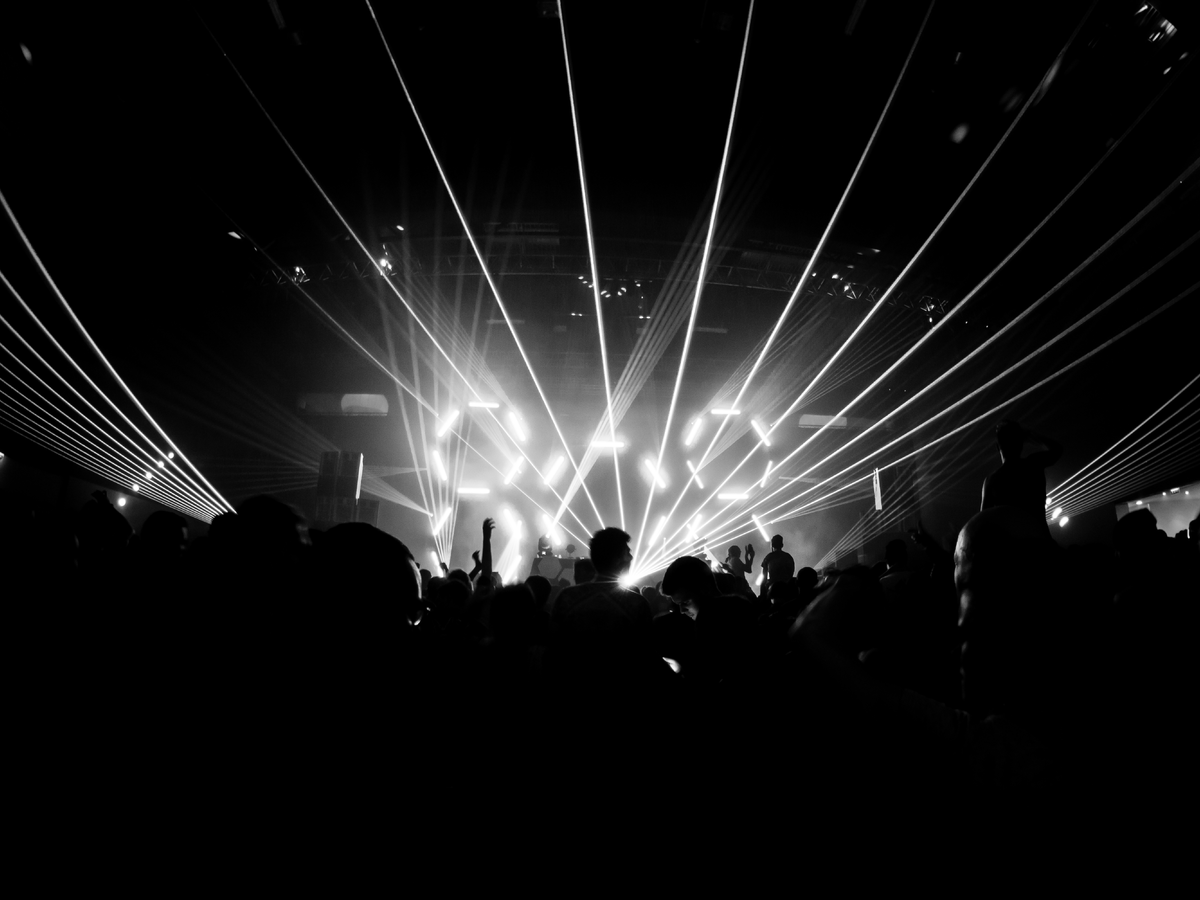
Atmosphere-wise, any Pink Floyd-adjacent show is about immersion as much as it is about notes and chords. Think: ultra-precise light design, massive circular screens echoing the classic "Mr. Screen" visuals, lasers slicing through cigarette smoke (or, these days, vape haze), and films synced perfectly to the music. On recent tours, Waters and Gilmour have both used surround-sound setups that send sound effects – helicopter flyovers, heartbeats, whispers – around the entire arena.
Imagine a hypothetical 2026 Pink Floyd show built from all of this. The first set could lean into "The Dark Side of the Moon" in full: "Speak to Me", "Breathe", "On the Run", "Time", "The Great Gig in the Sky", "Money", "Us and Them", "Any Colour You Like", "Brain Damage" and "Eclipse". That alone would be enough to melt a stadium. A second set might pull from "Wish You Were Here" (the full "Shine On You Crazy Diamond" suite), "Animals" ("Dogs" and "Pigs (Three Different Ones)"), and "The Wall" ("Another Brick in the Wall (Part 2)", "Hey You", "Run Like Hell").
The encore? Realistically: "Comfortably Numb" closing the night, maybe paired with "High Hopes" or "Learning to Fly" for the late-80s/90s fans. Visuals could evolve from the classic prism and marching hammers into modern LED art, but you’d still get flying inflatables, projected slogans, and that signature feeling that the show is one long, continuous piece instead of a playlist of singles.
Even the crowd behavior is part of the experience. At younger-leaning shows, you’ve got TikTok kids filming the solos and older fans closing their eyes through "The Great Gig in the Sky". It’s multigenerational in a way most rock bands would kill for: parents explaining lyrics to their teens, and college kids proudly wearing thrifted 80s tour tees they weren’t alive to buy.
What the web is saying:
Rumor Mill: What Fans Are Speculating
Because official news is rare, the Pink Floyd ecosystem runs on rumors. A lot of them start in familiar places: Reddit threads, TikTok theories, and speculative posts on X and Instagram that treat the smallest update like a secret code.
On Reddit, especially subs like r/music and dedicated Floyd communities, one recurring theory is that the band’s camp is quietly preparing a new wave of archive releases. Fans point to how other legacy acts keep opening their vaults – think multi-disc live recordings, demo collections, and alternate mixes. Every time someone spots a new copyright extension update or publishing change for a Floyd-era recording, threads blow up with guesses about upcoming box sets or previously unseen concert films.
Another favorite speculation: a one-off reunion performance in London, maybe tied to a charity event or a big anniversary. People still reference the 2005 Live 8 performance, where Gilmour and Waters unexpectedly shared the stage with Mason and Wright. That four-song set ("Speak to Me/Breathe", "Money", "Wish You Were Here", "Comfortably Numb") is now legend and fuels constant "it could happen again" energy. Every interview quote from Gilmour or Waters is dissected for any softening in tone. The reality? Both have repeatedly said that 2005 was a once-in-a-lifetime thing. But fans cling to the idea that a huge cause, or some emotional milestone, might convince them to do one more night.
On TikTok, the rumors skew younger and weirder. One chunk of creators is obsessed with syncing Floyd songs to modern visuals – anime edits to "Time", city-night montages to "Us and Them". Another swirl of content speculates about secret meanings: is "Brain Damage" actually about the pressures of fame, or is there a hidden political read that fits 2020s culture? TikTok loves those "You’ve been listening wrong" explainers, and Pink Floyd’s lyrics and concept albums are perfect fuel.
Then there’s the vinyl and ticket-price discourse. Whenever a new pressing or reissue drops at a premium price, older fans complain that the band of "We don’t need no education" has become high-end nostalgia for the rich. Younger fans counter that streaming keeps the music accessible, and premium editions are aimed at collectors. Meanwhile, with Waters, Gilmour and Mason selling out arenas under their own names, tickets regularly reach painful levels on resale sites. Threads explode with screenshots: upper-deck seats going for hundreds of dollars, floor seats hitting absurd numbers. People flirt with the idea that a true Pink Floyd reunion would break dynamic pricing systems altogether.
There are also softer, more emotional theories. Some fans argue that Pink Floyd is essentially already reunited "in the cloud". You’ve got remasters supervised by surviving members, tours by Waters and Gilmour that heavily feature Floyd material, and Mason celebrating the Syd Barrett era. In that sense, the catalog lives on as one giant shared project, even if the actual people are scattered. Others dream about a huge multi-artist tribute – imagine younger bands and pop stars covering Floyd songs in an all-star concert, with the surviving members just watching from the sidelines or guesting on a track or two.
Underneath all the speculation is something pretty simple: people aren’t done with Pink Floyd. The band’s music hits that rare mix of emotional, psychedelic, political and technically impressive, which means every generation finds a new way to own it. Rumors are just the internet’s way of saying, "We still care a lot."
Key Dates & Facts at a Glance
- 1965: Pink Floyd form in London, centered around Syd Barrett, Roger Waters, Richard Wright and Nick Mason.
- 1967: Debut album "The Piper at the Gates of Dawn" releases, establishing their psychedelic sound.
- 1968–1969: David Gilmour joins, Syd Barrett gradually leaves due to mental health struggles and other issues.
- 1973: "The Dark Side of the Moon" drops, becoming one of the best-selling albums of all time and a long-term chart fixture.
- 1975: "Wish You Were Here" is released, including the nine-part "Shine On You Crazy Diamond" and the title track dedicated to Syd Barrett.
- 1977: "Animals" arrives with extended tracks like "Dogs" and "Pigs (Three Different Ones)", heavily critical of power structures.
- 1979: "The Wall" is released as a double concept album, later turned into a massive stage show and feature film.
- 1983: "The Final Cut" comes out, widely seen as Roger Waters–dominated and deeply political.
- Mid-1980s: Roger Waters leaves the band; legal battles follow over the use of the Pink Floyd name.
- 1987: "A Momentary Lapse of Reason" is released under the Pink Floyd name led by David Gilmour with Nick Mason and Richard Wright.
- 1994: "The Division Bell" releases, leading to the massive Division Bell tour and the "Pulse" live album and video.
- 2005: Classic-lineup reunion performance at Live 8 in London – their last full appearance together.
- 2008: Richard Wright dies, making a full classic-lineup reunion impossible.
- 2014: "The Endless River" is released, built largely from "The Division Bell" sessions as a tribute to Wright.
- 2010s–2020s: Major reissue campaigns, box sets and remasters keep the catalog active on streaming and vinyl.
- Ongoing: David Gilmour, Nick Mason and Roger Waters tour separately, performing large portions of the Pink Floyd songbook.
FAQ: Everything You Need to Know About Pink Floyd
Who are Pink Floyd, in simple terms?
Pink Floyd are a British rock band that started in the mid-60s and became one of the most influential acts in music history. They’re known for long, atmospheric songs, concept albums that play like movies for your ears, and shows packed with lasers, films and huge stage designs. If you’ve ever seen the prism cover of "The Dark Side of the Moon" on a T-shirt or a dorm wall, that’s them.
Their key eras revolve around two guiding forces: Syd Barrett in the early psychedelic phase, and Roger Waters through the big concept-album run of the 70s, with David Gilmour’s guitar and voice forming the emotional core across most of their classic releases. Nick Mason’s drumming and Richard Wright’s keyboards glue everything together, giving the music its spacious, haunting feel.
What are Pink Floyd’s must-hear albums if I’m new?
If you’re just starting, three albums are non-negotiable:
- "The Dark Side of the Moon" (1973): It plays like one continuous piece. It deals with time, money, madness, and the grind of existence. It’s also ridiculously well-produced – headphones recommended.
- "Wish You Were Here" (1975): Emotionally heavier, built around the ghost of Syd Barrett. The opening and closing sections of "Shine On You Crazy Diamond" feel like a goodbye letter stretched into sound.
- "The Wall" (1979): An angry, theatrical double album about isolation, trauma and building emotional walls. "Another Brick in the Wall (Part 2)" is the hit, but the deep cuts like "Hey You" and "Comfortably Numb" are the ones that really land.
From there, you can explore "Animals" if you want political bite, "The Piper at the Gates of Dawn" for pure 60s psychedelia, and "The Division Bell" if you like more 90s-sounding production wrapped in that Floyd atmosphere.
Are Pink Floyd still together as a band?
In the strict, classic sense: no. There’s no active, touring band called Pink Floyd with multiple original members on stage together. The group effectively stopped as a functioning unit after the 1994 tour and later releases were more about finishing and presenting older material.
However, the name "Pink Floyd" still exists for catalog, reissues and official archival projects. When you see a new box set or remaster, it’s usually under the Pink Floyd branding, with surviving members signing off on it. And because Gilmour, Mason and Waters all play Floyd music live, the line between "band" and "legacy" stays intentionally blurry for many fans.
Will Pink Floyd ever reunite for a full tour or album?
It’s honestly very unlikely. Roger Waters and David Gilmour have had a long, public history of creative and personal tension. While there was a fragile peace around Live 8 in 2005, both have downplayed the idea of another full reunion multiple times since then.
On a practical level, the members are older now, and the scale expected from a Pink Floyd tour is massive. Pulling off that kind of production today would be intense even for younger bands. If anything happens, it would more likely be a one-off appearance or a special event, not a world tour and not a brand-new studio album with everyone in the same room. The safer bet is more archive releases rather than a surprise "new Pink Floyd" project.
How have Pink Floyd influenced today’s artists and music culture?
Pink Floyd’s fingerprints are everywhere. Sonically, they helped normalize long songs, concept albums and heavy use of studio effects in rock and beyond. You can hear their influence in progressive rock, post-rock, ambient, psychedelic pop, even in some hip-hop production that leans on spacey, cinematic textures.
Visually, they set a template for the idea of a concert as a full-body experience: not just playing songs, but building a narrative with films, lighting, props and staging. Modern pop megatours with massive screens, story arcs and recurring motifs owe a lot to what Floyd were doing decades ago with "The Wall" and "The Dark Side of the Moon" tours.
Gen Z and Millennials pick up on a different layer: the lyric themes. Anxiety, alienation, burnout, systems that chew people up – all of that is baked into albums like "The Wall" and "Animals". In an era of constant online pressure and political chaos, those records feel weirdly current, which is why they still trend on platforms built for people who weren’t alive when the albums dropped.
Where should I start if I want to watch Pink Floyd live content?
You’ve got a few essential routes:
- "Pulse" (1994): A visually intense live document of the mid-90s Gilmour-led band, with "The Dark Side of the Moon" performed in full.
- "Live at Pompeii": A cult-classic film of the band playing in an empty Roman amphitheater in the early 70s – no audience, just pure mood.
- Live 8 (2005) performance clips: The last time the classic-era members shared a stage. Even four songs feel historic.
- Recent solo tours: Waters, Gilmour and Mason all have pro-shot material floating around, often under their own names but packed with Floyd tracks.
Most of this is easy to find on mainstream video platforms, with plenty of fan-shot angles if you want the raw, in-the-crowd feeling.
Why does Pink Floyd still matter in 2026?
Because they scratch an itch that playlists and algorithms rarely hit: the desire to sit with a full story, told in sound. In an age of short-form everything, Pink Floyd albums ask you to slow down for 40, 50, 80 minutes and live inside one carefully built world. That’s weirdly refreshing now.
They also sit at the intersection of head and heart. You can nerd out about chord progressions and production tricks, or you can just lie on the floor in the dark and let "Us and Them" or "The Great Gig in the Sky" make you cry a bit about time passing. That flexibility – casual or obsessive, background or life-changing – keeps the band lodged in culture long after the last encore faded.
Pink Floyd might never stand on a stage together again, but for a lot of listeners, they’re more present than half the bands actively touring. The music is still discovering new ears every day, and those prisms and marching hammers keep showing up in places the band never imagined. In 2026, that feels less like nostalgia and more like proof that some records just refuse to age.
So schätzen die Börsenprofis Aktien ein!

Für. Immer. Kostenlos.