
Why Pink Floyd Is Suddenly Everywhere Again
Published on 02/22/2026 at 13:36 | Editorial responsibility: Rafael Müller, Editor-in-Chief AD HOC NEWS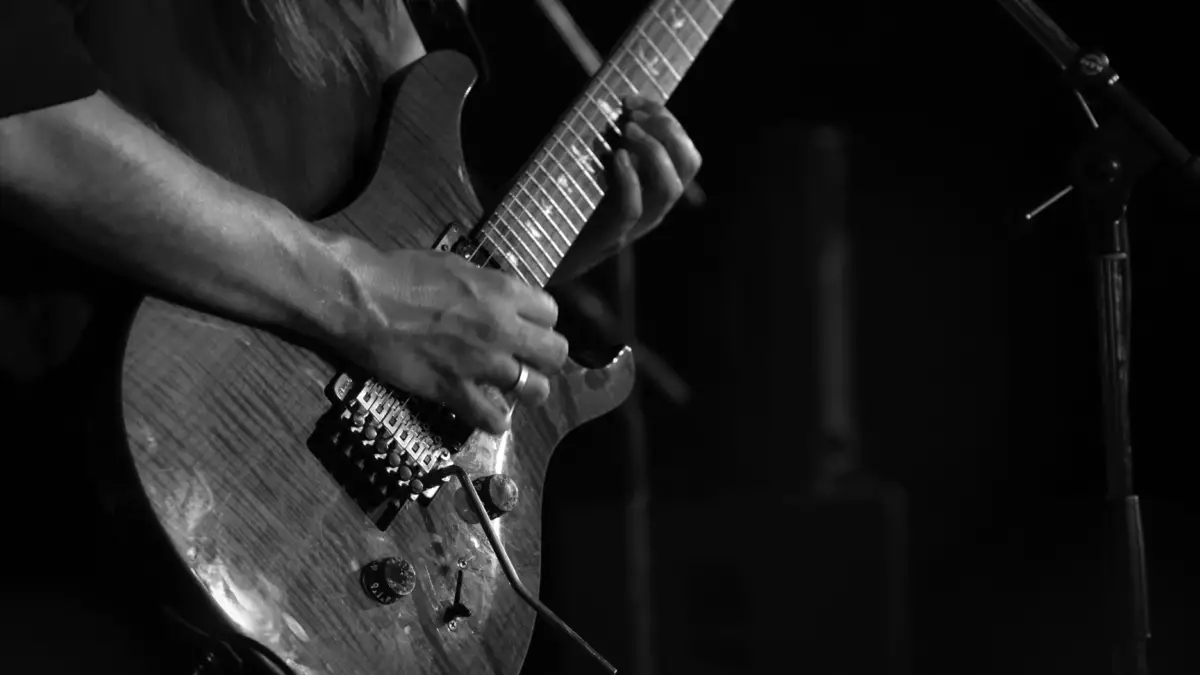
If you feel like Pink Floyd is suddenly all over your feed again, you're not imagining it. Between anniversary chatter, fresh remaster debates, wild reunion theories, and a new wave of Gen Z fans discovering The Dark Side of the Moon on vinyl and TikTok at the same time, the buzz around the band is loud. And honestly, it feels weirdly emotional seeing a group that once soundtracked your late?night headphone moments turn into shared culture again.
Explore the official Pink Floyd universe here
Even without an active full-band tour on the road right now, Pink Floyd is having one of those cyclical comebacks that doesn't rely on radio or playlists. It's coming from fans, from online communities, from upgraded reissues, and from a sense that in a pretty chaotic world, the band's mix of emotion, politics, and absolutely huge sound feels more relevant than ever.
The Backstory: Breaking News in Detail
Let's clear the air first: as of late February 2026, there is no officially confirmed full Pink Floyd reunion tour. No stadium dates on sale, no verified tour poster, nothing locked in from the surviving classic members under the "Pink Floyd" name.
What is happening, and why everyone is suddenly talking again, comes from a mix of recent anniversaries, ongoing solo activity, and a steady drip of catalog moves that keep throwing fuel on the rumor fire.
In the last few years, the band's world has looked like this:
- Massive deluxe editions and remasters of their core albums, including yet another wave of attention around The Dark Side of the Moon and Wish You Were Here, with audiophile press and forums dissecting every mix choice.
- Roger Waters and David Gilmour each continuing solo work and tours, playing huge chunks of the Pink Floyd songbook live, which keeps the music in circulation and constantly leads fans to ask: "If they're playing this stuff anyway, why not do it together one last time?"
- Legal and business stories around the band's catalog and potential catalog sale, which industry press has framed as "one of the last mega-classic rock prizes." Whenever there's noise about rights or masters changing hands, fans immediately jump to: new reissues? new mixes? box sets?
On top of that, the 50+ year milestones keep landing. Every time an album crosses another big anniversary—50 years of Dark Side, 50 years of Wish You Were Here, the long tail of The Wall—you get official statements, archival footage, limited vinyl runs, and brand new thinkpieces. Those pieces usually include some version of, "Will we ever see Pink Floyd onstage again?" The effect is a constant low-level heartbeat of expectation.
Meanwhile, individual members have kept the music in headlines:
- Gilmour continues to be asked in interviews about a Pink Floyd reunion and has consistently pushed back, stressing that the band, as a functioning unit, is essentially finished. His focus: solo material, curated live sets, and high-quality presentations of the catalog.
- Waters has toured immersive shows built heavily around Floyd classics like "Time," "Money," "Comfortably Numb," and "Another Brick in the Wall (Part 2)," adding pointed political visuals that stir debate every time.
- Nick Mason has been out on the road with his band Saucerful of Secrets, dedicated to early Floyd deep cuts—stuff from The Piper at the Gates of Dawn and the pre-Dark Side era that even serious fans never expected to hear live again.
Put it all together and here's the picture: Pink Floyd as a studio band is long done, but Pink Floyd's music, brand, and mythology are more alive than a lot of current acts with new albums. You've got three directions at once: legacy curation, solo reinterpretation, and fan-driven rediscovery. For younger fans, the "news" isn't a press release; it's the moment they see "Comfortably Numb" on a festival clip for the first time and realize the song is older than their parents.
For longtime fans, the implication is more emotional: this might be the final era where key members are still actively playing this material in person. That adds urgency to every whisper of a one-off reunion, every archival release, every festival rumor. When people talk about Pink Floyd right now, they're not just talking about music—they're talking about the last chance to be physically in the same room as it.
The Setlist & Show: What to Expect
Because there's no confirmed full-band tour, the best way to understand what a "Pink Floyd experience" looks like in 2026 is to look at the recent solo and related shows. If you're hunting ticket pages or stalking fan uploads on YouTube, this is the rough shape of what you can expect from the different camps.
David Gilmour-style shows: guitar tone heaven
Gilmour's recent tours have leaned into the lush, expansive side of Floyd. Think:
- "Shine On You Crazy Diamond" (often as an opener, stretching out those layered guitar lines with slow-build lighting)
- "Wish You Were Here" (sung loud by the crowd, nearly every time)
- "Comfortably Numb" (usually saved for late in the set or the encore, solo reinterpreted but still exploding on that final solo)
- "High Hopes" and "Coming Back to Life" from the later-era Floyd catalog
You get a carefully produced light show, pristine sound, and a band that leans into texture—backing singers, extended sax solos, those slow, aching bends in "Time" that feel like they're about to break you. The atmosphere skews emotional and almost cinematic; you're not moshing, you're quietly losing it during a single sustained note.
Roger Waters-style shows: full narrative immersion
Waters' setlists have been more theatrical and politically charged, but if you're here for classic material, you get plenty. Recent tours have featured:
- "Another Brick in the Wall (Part 2)" with massive singalongs and stark, confrontational visuals
- "Money" and "Us and Them" from Dark Side, re-framed with updated imagery
- "Time," "The Great Gig in the Sky," and "Brain Damage/Eclipse" sequences that basically turn sections of the show into a live concept-film
- Deeper cuts from The Final Cut or solo work slotted in like scenes in a movie
These concerts feel less like "a band playing songs" and more like a full-on stage production, with huge screens, story arcs, and bold statements. Some fans love it, some argue online about tone and messaging, but nobody walks out saying it was dull.
Nick Mason's Saucerful of Secrets: the deep-cut flex
If you're a Reddit-core fan who can name B-sides without blinking, this is the lane that lights you up. Nick Mason's project has been built around the Syd Barrett/early-era Floyd catalog. Setlists have included:
- "See Emily Play"
- ">Arnold Layne"
- "Astronomy Domine"
- "Set the Controls for the Heart of the Sun"
- and, of course, "A Saucerful of Secrets"
These shows feel more like a fan-club fever dream—smaller venues compared to stadiums, lots of storytelling energy, and arrangements that keep the psychedelic chaos intact but tighten it just enough for a modern crowd.
So what if a Pink Floyd-branded show ever did happen again?
Based on the last decade of setlists, any hypothetical "one night only" or special event would almost certainly hit a core run of tracks:
- "Speak to Me / Breathe"
- "Time"
- "The Great Gig in the Sky"
- "Money"
- "Us and Them"
- "Wish You Were Here"
- "Shine On You Crazy Diamond"
- "Another Brick in the Wall (Part 2)"
- "Comfortably Numb" closing, because anything else would start a riot in the comments
The real wild card would be whether they'd dare to pull from forgotten corners like "Echoes" or early Syd tracks. Hardcore fans are obsessed with the idea of a surprise "Echoes" performance with surviving members, mostly because the song is long, emotional, and basically the band's entire evolution in one piece.
Atmosphere-wise, you know the script: lasers, circular screens, surround-style sound design where footsteps and voices wrap around the arena, and that weird tension where you're both watching history and watching a group of people in their 70s trying to do justice to a sound they defined in their 20s. That mix—nostalgia vs. realism—is a huge part of the emotional charge fans are feeling in 2026.
What the web is saying:
Rumor Mill: What Fans Are Speculating
If you hang out on r/music, r/pinkfloyd, or even wander into TikTok's "classic rock side," you'll notice something: people talk about Pink Floyd like they're still an active, messy, unpredictable band. There are theories, fights, conspiracy-level reading of interviews—basically, stan culture but for a group that technically hasn't existed for decades.
The "one last show" obsession
One of the loudest threads: pure speculation about a final, all-surviving-members show. Fans dissect every quote from Gilmour, Waters, or Mason. If someone softens language from "never" to "very unlikely," threads light up. If an interviewer mentions "it would mean a lot to people" and gets a non-zero reaction, TikTok fan edits pop up with "Wish You Were Here" over text saying "this is not a drill."
Realistically, the long-running tensions inside the band plus age and logistics make a full-scale tour almost impossible. But does that stop people from building fantasy lineups, mock festival posters, and AI-generated "2027 Pink Floyd World Tour" teasers? Absolutely not. The rumor mill lives on "what if."
Ticket-price discourse, even without a tour
Another big talking point lives in the "what if they toured" economy: ticket prices. After years of seeing stadium shows crack $300+ for mid-tier seats, fans are already pre-mad about what a hypothetical Pink Floyd reunion ticket would cost.
On Reddit and X, you'll see comments like:
- "If they ever do one show, it's going to be $1k for the nosebleeds."
- "They'd sell out any stadium but only the rich would be there."
- "I'd literally sell my car to hear 'Echoes' live with them once."
Even shows by individual members get caught in that debate. Fans compare prices from Gilmour or Waters tours to what they paid (or their parents paid) to see Pink Floyd in the '70s or '80s, and it turns into a generational conversation about how live music has shifted from "every teen could go" to "this is a luxury purchase."
TikTok and the "Dark Side & chill" aesthetic
On TikTok, Pink Floyd has been folded into a weirdly cozy aesthetic. There are:
- Vinyl setup videos with The Dark Side of the Moon spinning under LED lights.
- Study and "late night overthinking" edits that use "Time" or "Us and Them" under text about growing up, losing friends, or feeling stuck.
- POV clips from old concert footage repurposed as "You in 1973, front row at Pink Floyd, not knowing your life is about to change."
There's also the eternal stoner side: compilation edits where that iconic prism artwork is overlayed with space visuals, vaporwave fonts, and slow zooms into the moon. For some younger fans, their first real encounter with the band isn't a full album—it's 20 seconds of "Breathe" over someone's moody bedroom clip.
AI remasters, mashups, and ethics debates
A more niche but growing conversation: AI-enhanced or AI-mashup Pink Floyd clips. You'll see fans posting:
- Cleaned-up, AI-enhanced live audio from '70s bootlegs, sparking arguments over whether this "improves" history or rewrites it.
- AI mashups like "What if Pink Floyd wrote a song with modern trap drums" or Lana Del Rey x Pink Floyd vocal crossovers, which always split the room.
Purists are furious, others are like, "If this is what it takes to get my friends to listen, fine." Underneath all of it is a simple truth: the band's sonic world is big enough that people want to keep reimagining it, even when there's no new official music dropping.
The catalog sale and "who should own Pink Floyd?"
Any time there's a whisper about the band possibly selling its catalog—or parts of it—to a major label or investment firm, fans jump into speculation mode: will this mean more immersive shows, like high-tech "Dark Side" planetarium experiences? Will there be biopics, scripted series, or officially licensed hologram tours? The big fear: the music gets sliced into ad-friendly pieces and used in ways that clash with everything the band once stood for.
So far, what we have is a lot of "could" and "might." But if you're wondering why Pink Floyd feels so culturally loud right now, it's because fans refuse to let the story end. Every little move from the surviving members, every anniversary headline, instantly mutates into 20 different theories about what it really means.
Key Dates & Facts at a Glance
| Type | Title / Event | Date (Original) | Notable Detail |
|---|---|---|---|
| Album Release | The Piper at the Gates of Dawn | 1967 | Debut album, heavy Syd Barrett influence and psychedelic roots. |
| Album Release | The Dark Side of the Moon | 1973 | One of the best?selling albums ever; spent years on the Billboard 200. |
| Album Release | Wish You Were Here | 1975 | Tribute to Syd Barrett with "Shine On You Crazy Diamond." |
| Album Release | The Wall | 1979 | Rock opera featuring "Another Brick in the Wall (Part 2)." |
| Album Release | The Final Cut | 1983 | Last studio album with Roger Waters as a member. |
| Album Release | A Momentary Lapse of Reason | 1987 | First post?Waters studio album, led by David Gilmour. |
| Album Release | The Division Bell | 1994 | Spawned the massive mid-'90s world tour. |
| Album Release | The Endless River | 2014 | Final Pink Floyd studio release, built from '90s sessions. |
| Historic Concert | Live 8 Reunion | 2005 | Rare performance with Waters, Gilmour, Mason, and Wright together. |
| Band Member | Richard Wright's passing | 2008 | Keyboardist whose loss makes a full classic reunion impossible. |
FAQ: Everything You Need to Know About Pink Floyd
Who exactly are Pink Floyd, and why do people still care?
Pink Floyd are a British rock band formed in the mid-1960s, known for sprawling songs, concept albums, and some of the most ambitious live shows ever staged. The most famous lineup centers around David Gilmour (guitar, vocals), Roger Waters (bass, vocals, key songwriter), Richard Wright (keyboards), and Nick Mason (drums), with Syd Barrett as the band's original creative engine before he left due to mental health struggles.
People care in 2026 because their music doesn't feel trapped in its original decade. Themes like isolation, mental health, war, greed, and the pressure of time land just as hard now as they did in the '70s. Albums like The Dark Side of the Moon and The Wall are practically emotional rollercoasters; they're made to be heard start to finish, which hits differently in a playlist world. Add in the visual side—prism art, flying pigs, giant stage walls—and you get a band that feels huge, mysterious, and strangely timeless.
Is Pink Floyd still together as an active band?
No, not in the traditional sense. There's no current full-band lineup writing new songs and booking a world tour. The members have, at various points, said that Pink Floyd as a creative entity is done. Richard Wright passed away in 2008, which means the classic four-piece can never fully reunite.
However, the brand "Pink Floyd" still operates. The official website and social channels highlight catalog news, reissues, merch, and archival content. On the live side, you have different ex-members carrying parts of the legacy:
- David Gilmour playing big Floyd hits and deep cuts in his solo sets.
- Roger Waters staging immersive, Floyd-heavy tours built around concept and visuals.
- Nick Mason reviving the early psychedelic material with Saucerful of Secrets.
So while "Pink Floyd" as a single touring unit no longer exists, Pink Floyd's music is still in motion—and that can feel almost the same if you're seeing these songs live for the first time.
Will there ever be another Pink Floyd reunion show?
The only honest answer: it's extremely unlikely, but fans will speculate until the end of time. The band famously reunited in 2005 at Live 8, which is now legendary partly because it seemed to close the book on any major beef long enough for one powerful night.
Since then, interviews from the surviving members have leaned heavily toward "no." Gilmour has talked about wanting to move forward and not repeat the past. Waters has focused on his own shows and creative direction. Without official confirmation, any rumor about "a secret gig" or "final concert" should be treated like fan fiction unless you see it on the official site or verified social feeds.
That said, one-off appearances, tribute events, or archival "concert experiences" using old footage and cutting-edge tech are more plausible. In a world where "ABBA Voyage" exists as a high-tech avatar show, a fully immersive Pink Floyd "Dark Side of the Moon Live" cinema or arena experience doesn't sound unrealistic at all—and fans talk about that possibility constantly.
What are the must-hear Pink Floyd albums if I'm just starting out?
If you're new, you don't have to listen in strict chronological order. A solid starter route:
- The Dark Side of the Moon (1973) – It's famous for a reason. Put on headphones and let it play straight through. Notice how everything flows, from heartbeat to final chord.
- Wish You Were Here (1975) – Fewer tracks, massive emotion. The title song and "Shine On You Crazy Diamond" basically define the band's reflective side.
- The Wall (1979) – A double album rock opera. It's more narrative and theatrical, with hits like "Another Brick in the Wall (Part 2)" and "Comfortably Numb."
- Meddle (1971) – For the 23?minute "Echoes" alone, which many fans see as the secret masterpiece.
- The Piper at the Gates of Dawn (1967) – If you like psychedelic, weird, and whimsical, this is Syd Barrett's era in all its glory.
Once those click, you can dig into later albums like The Division Bell or the moodier The Final Cut to hear how the band changed across decades.
Where can I follow official Pink Floyd updates?
The safest place to avoid rumor chaos is the official site: pinkfloyd.com. That's where you'll see verified news on reissues, box sets, official live releases, and significant announcements. From there, you can branch into:
- Official social media channels (Instagram, X, Facebook, YouTube) for clips, archival footage, and merch drops.
- Individual member pages—David Gilmour, Roger Waters, and Nick Mason—for tour announcements and solo project news.
Fan accounts, Reddit, and TikTok are great for vibes and discovery, but if someone is posting "LEAKED TOUR POSTER" and it's not mirrored by official channels, assume it's either wishful thinking or pure trolling.
Why do people talk so much about the sound and production of Pink Floyd records?
Beyond songwriting, Pink Floyd albums are famous for how they sound. You're dealing with:
- Meticulous engineering and mixing—especially on Dark Side—that still sets the bar for how immersive stereo and surround sound can feel.
- Creative use of tape loops, found sounds, and early analog effects, like the cash registers and coins in "Money" or the heartbeat motif that runs through Dark Side.
- Layered guitars, vocal harmonies, and synths that create space rather than just volume.
For audiophiles, each new remaster or remix is a big deal—they debate whether the new version reveals details that were buried, or messes with the original character. For casual listeners, it just means these albums feel incredibly present on modern headphones and speakers. In a TikTok era full of crushed, loud masters, firing up "Time" or "Us and Them" feels like opening a window.
How has Pink Floyd influenced current artists and scenes?
You can hear Floyd's fingerprints across genres:
- Indie and alt bands borrowing the slow-build dynamics of songs like "Echoes" and "Shine On."
- Hip-hop and R&B artists sampling or channeling Floyd's mood, especially around isolation and mental strain.
- Electronic producers citing the band as a reference for long-form, album-length journeys rather than just singles.
Visually, the idea of a concert as an immersive, narrative-driven experience—screens, story arcs, surround audio—is now standard for massive pop tours. Pink Floyd helped define that. When you step into a modern arena show with synchronized visuals, animations, and a loose plot, you're basically watching a generation that grew up studying tours like The Wall reinterpreting those ideas in their own language.
So when you see Pink Floyd trending again in 2026, it's not nostalgia doing all the work. It's the fact that so much of what the band pioneered—concept albums, full-sensory shows, vulnerable lyrics under huge sound—is exactly what fans still crave, even if they're discovering it through clips, memes, and reissues rather than brand new songs.


