Why Nirvana Still Hits Hard in 2026
08.03.2026 - 19:43:29 | ad-hoc-news.de
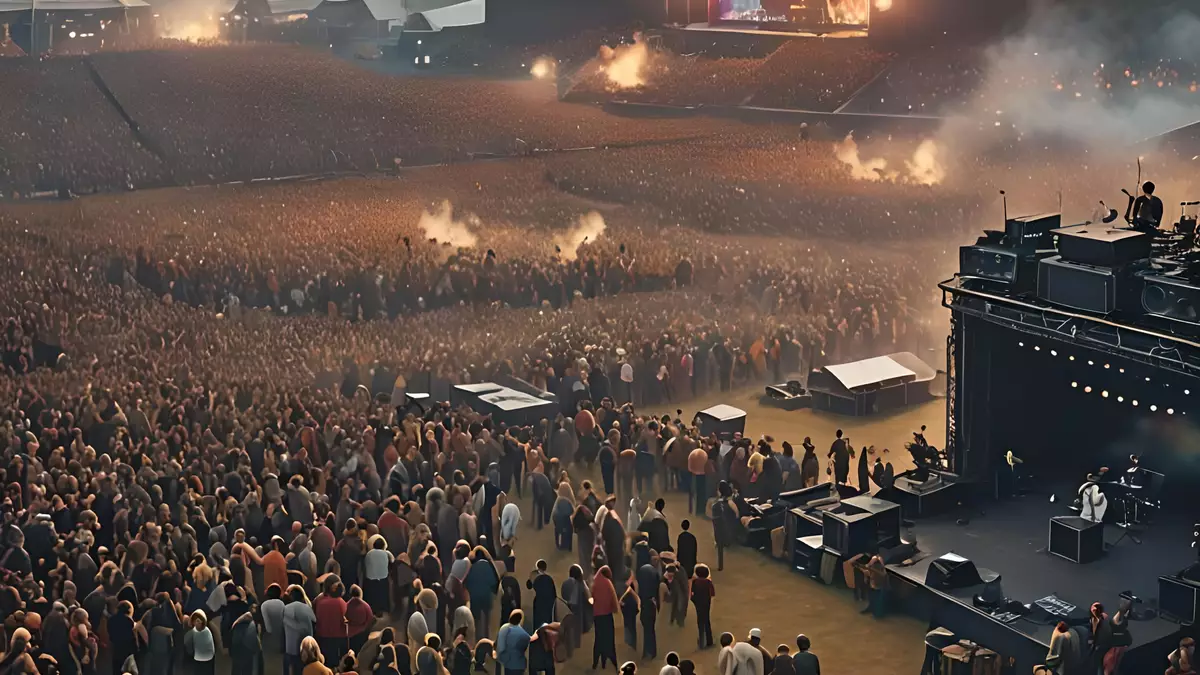
You can feel it every time "Smells Like Teen Spirit" drops on a random TikTok or in a grimy bar at 1 a.m. — the room shifts, people shout the words, and for three and a half minutes it’s 1991 again. In 2026, Nirvana is technically a band that can’t exist anymore, but somehow the energy around them keeps getting louder. From fresh remasters to fan-made "new" live edits, from teens discovering Nevermind on cheap Bluetooth speakers to collectors hunting first-press vinyl, "Nirvana" is showing up everywhere in your feeds.
Explore the official Nirvana universe here
There’s no comeback tour, no surprise reunion single. Instead, the story now is about how a band that imploded in 1994 is suddenly acting like a brand?new discovery for Gen Z, and a raw, emotional time capsule for everyone who grew up with them the first time. New box sets, cleaner live footage, AI-remastered audio, endless discourse about Kurt Cobain’s legacy — it all adds up to one question: why does this band still feel urgent in 2026?
The Backstory: Breaking News in Detail
Let’s clear one thing up: there is no secret Nirvana tour hiding around the corner. With Kurt Cobain gone and the surviving members focused on their own lives and projects, a full reunion in the classic sense is off the table. What is happening, and why so many people are talking about Nirvana again, has more to do with how the band’s story keeps getting repackaged and rediscovered for a new era.
In the last few years we’ve seen an aggressive wave of archival activity around Nirvana: expanded anniversary editions of Nevermind, In Utero, and MTV Unplugged in New York, upgraded live recordings from legendary shows like Reading ’92 and Live and Loud ’93, and a steady drip of studio outtakes and demos. While there hasn’t been a brand?new album of unheard songs, the catalog keeps getting cleaned up, remastered, and recontextualized. Labels and estates know that a new generation is streaming instead of crate?digging, so they keep feeding the algorithms with deluxe versions and curated playlists.
On top of that, every major anniversary of a key Nirvana moment creates another surge in attention. The 30th and 35th anniversaries of Nevermind and In Utero have been used to revisit the band’s impact, re?issue merch, and drop new liner notes and interviews with Dave Grohl and Krist Novoselic. Music magazines and podcasts keep returning to the same questions: was Nirvana the last truly culture?shifting rock band? Did they kill hair metal? Did the success of Nevermind ruin the underground they came from?
There’s also a tech twist. Fans and creators have been using AI tools to clean up muddy bootlegs, isolate instruments, or rebuild entire shows from scattered footage. While the band’s camp has to walk a legal and ethical tightrope around this stuff, the reality is that YouTube and TikTok are flooded with HD upscales of grainy VHS-era performances. To a kid scrolling in 2026, that "vintage" show can feel shockingly immediate and alive.
So when you see Nirvana trending now, it’s usually not because of a sudden headline like a stadium tour announcement. It’s a mix of anniversaries, reissues, fan restorations, heated debates about Cobain’s writing, and the never?ending cycle of viral clips. The implication for fans is huge: even without new music, the Nirvana universe keeps expanding sideways, and there’s always another angle, another mix, another story to fall into.
The Setlist & Show: What to Expect
Nirvana aren’t walking onstage in 2026 — but their setlists absolutely are. If you’ve fallen into a YouTube hole of old tours, you’ve probably noticed how much their live approach shaped what we think of as a "Nirvana show" today, including the way tribute acts and one?night all?star homage concerts structure their sets.
A classic Nirvana gig from the Nevermind or In Utero era rarely opened with the big hit. Instead of blasting into "Smells Like Teen Spirit" right away, they’d warm up with songs like "Breed," "Drain You," or "School," building tension rather than dumping all the energy in the first five minutes. Modern tribute bands who want to keep a room bouncing for 90 minutes follow that exact template: start fast, stay loud, save the obvious anthem until people are already dripping in sweat.
Look at a reconstructed set from the 1993–94 In Utero shows and you’ll see staples that now function like a canon: "Serve the Servants," "Scentless Apprentice," "Heart?Shaped Box," "Pennyroyal Tea," alongside older cuts like "About a Girl," "Love Buzz," and "Negative Creep." The mood swung constantly — one minute a feral blast of noise like "Tourette's," the next a painfully intimate performance of "Dumb" or "All Apologies." That emotional whiplash remains part of the appeal. When tribute acts or orchestral "Nirvana reimagined" nights put together their tracklists, they mimic that chaos: quiet verse, explosive chorus, then a left?turn deep cut for the real heads.
The most mythologized "setlist" of all, of course, is the MTV Unplugged in New York performance. It rewrote what an acoustic show could feel like: opening with "About a Girl" instead of "Teen Spirit," folding in heartbreakers like "Come As You Are" and "Something in the Way," and closing with that shattering cover of Lead Belly’s "Where Did You Sleep Last Night." If you attend any acoustic Nirvana tribute, you will hear at least half of that tracklist, in that order, because fans now treat it like scripture.
Atmosphere-wise, Nirvana shows were messy, unpredictable, and human. Kurt would change lyrics on the fly, mock the crowd, or drift into feedback?soaked noise jams. Guitars got smashed, vocals cracked, tempos wobbled. That imperfection is a big reason people are still obsessed; it feels real in an era where a lot of big tours are synced to backing tracks and strict lighting cues. Watching a high?quality restored video of the Reading ’92 set in 2026 can feel more "alive" than many stadium shows happening right now.
So when we talk about "what to expect" from Nirvana today, we’re really talking about how their shows live on via other people: tribute bands recreating the chaos in sweaty UK clubs, orchestras reshaping the songs for seated U.S. theaters, or just fans pressing play on a reconstructed 1991 setlist and blasting it through a cheap soundbar. The songs still work in every configuration, from grimy bar PA to lush strings, and that’s why they keep showing up in live contexts even without the original band.
What the web is saying:
Rumor Mill: What Fans Are Speculating
Nirvana fandom has never been quiet, but social media has turned it into a 24/7 group chat that never ends. Scroll Reddit or TikTok and you’ll see a mix of reverence, conspiracy, and wishful thinking about what could still happen with the band’s legacy.
One recurring topic: will the surviving members ever stage another one?off Nirvana celebration with guest singers, like the Paul McCartney?fronted "Cut Me Some Slack" performances or the rare tribute sets where Dave Grohl, Krist Novoselic, and friends run through a short list of classics? Every time Grohl shares a story about Kurt in an interview or Novoselic posts about digging through old tapes, fans start guessing. Some imagine a full "Nirvana night" with different vocalists trading songs, others hope for a charity show where the original rhythm section revisits deep cuts for a single evening.
There’s also constant speculation about the vault. How much unreleased material is still sitting on tapes? Have we already heard most of the workable demos, or is there a fully formed song that could still surface? People analyze every box-set track listing, compare notes from old studio engineers, and argue about whether it would even feel right to release anything that Kurt didn’t sign off on.
On TikTok, another type of rumor thrives: the "I just discovered Nirvana and it fixed my brain" narrative. Short clips of teens hearing "Lithium" or "Something in the Way" for the first time rack up millions of views. Comment sections turn into mini?forums debating which album hits hardest during a breakup, what the "real" meaning of "Polly" is, or whether In Utero is secretly better than Nevermind. These aren’t rumors in the tabloid sense, but they shape how younger listeners approach the band — as a kind of emotional toolkit rather than classic?rock homework.
Then there’s the darker corner: people still spinning conspiracies about Kurt’s death, rehashing every detail of 90s reporting, and dragging Courtney Love into endless blame games. While most fans have moved toward a more nuanced understanding of mental health, addiction, and the pressures of fame, those threads never fully disappear. They flare up every time a new documentary clip or quote resurfaces, forcing the community to relitigate old wounds.
Amid all this, a softer kind of rumor keeps popping up: the idea that a new tribute album or massive all?star concert might be on the horizon, especially when big anniversaries line up. Fans fantasy?cast current rock and pop singers into Nirvana songs — "What if Billie Eilish did ‘Something in the Way’?" or "Imagine Post Malone tackling ‘All Apologies’ with a full choir." Whether or not any of that ever happens, the speculation itself is a sign that Nirvana still occupies mental real estate in the same way an active band does. People don’t gossip this much about something they’ve filed away as "oldies."
Key Dates & Facts at a Glance
- 1987: Nirvana forms in Aberdeen, Washington, with Kurt Cobain and Krist Novoselic at the core.
- 1989: Debut album Bleach is released on indie label Sub Pop, capturing a heavier, sludgier version of the band.
- September 24, 1991: Nevermind is released, fronted by the single "Smells Like Teen Spirit" and quietly expected to sell modestly.
- January 1992: Nevermind knocks Michael Jackson off the top of the U.S. Billboard 200, signaling a massive cultural shift.
- December 1993: MTV Unplugged in New York is recorded, later becoming one of the most acclaimed live albums of all time.
- September 21, 1993: In Utero is released, a noisier, more abrasive follow?up that still debuts at No. 1 in several countries.
- April 5, 1994: Kurt Cobain dies in Seattle, effectively ending Nirvana.
- November 1994: MTV Unplugged in New York is released posthumously and goes multi?platinum.
- 2002: Nirvana, a best?of compilation, introduces the previously unreleased song "You Know You’re Right" to a new generation.
- 2014: Nirvana are inducted into the Rock and Roll Hall of Fame; surviving members perform with guest vocalists.
- Streaming Era: Songs like "Smells Like Teen Spirit," "Come As You Are," and "Heart?Shaped Box" rack up billions of streams globally.
- 2020s: Deluxe anniversary editions of Nevermind and In Utero keep the band active on charts and playlists, with remastered live sets and demos.
FAQ: Everything You Need to Know About Nirvana
Who were the members of Nirvana?
Nirvana’s core lineup centered on three people: Kurt Cobain (vocals, guitar, primary songwriter), Krist Novoselic (bass), and Dave Grohl (drums, joining in 1990). Earlier on, the band cycled through several drummers — Chad Channing being the most notable pre?Grohl player, featuring heavily on Bleach. Live and in the studio, the group sometimes expanded; Pat Smear joined as a touring guitarist during the In Utero era, thickening the sound on stage. But when most people say "Nirvana," they’re talking about that Cobain/Novoselic/Grohl axis that powered Nevermind and In Utero.
What is Nirvana best known for?
Nirvana are best known for pushing alternative rock — especially what came to be called grunge — from the margins into the absolute center of global pop culture. Songs like "Smells Like Teen Spirit," "Come As You Are," "Lithium," and "Heart?Shaped Box" blurred punk’s aggression with pop melody and deeply personal lyrics. The band’s look and attitude — thrift?store clothes, messy hair, a visible discomfort with fame — clashed hard with the polished, glam?leaning rock stars that dominated MTV before them. In less than five years, Nirvana went from playing tiny clubs to symbolizing a whole generation’s disillusionment.
Why does Nirvana still matter to younger listeners?
For Gen Z and younger millennials, Nirvana hits in a different way than most legacy rock acts. The songs feel emotionally naked and weirdly modern — "I’m so ugly, but that’s okay" from "Lithium" could be a self?deprecating meme caption today. Nirvana’s rejection of perfection, their noisy guitars, and Kurt’s shredded vocals all line up with a social media culture that’s suspicious of anything too polished. Combine that with themes of alienation, anxiety, depression, and not fitting in, and you get music that still sounds like it’s talking to you rather than at you.
Also, Nirvana’s catalog is short. Three studio albums, a landmark acoustic live record, and a handful of compilations — which makes it easier for new fans to dive in completely without feeling overwhelmed. In a weekend, you can know their entire discography well enough to argue fiercely about whether Bleach is underrated or if "Polly" is their most chilling song.
Is there any chance of a new Nirvana album?
A true new Nirvana album of original material is not on the table. Kurt Cobain’s death in 1994 ended the band as a creative unit. What can happen — and has happened several times — are archival releases: remastered demos, alternate takes, unearthed live shows, or expanded editions of the existing albums. Some fans fantasize about AI "collaborations" or reconstruction of unfinished songs, but that crosses into an ethical gray zone and would likely face intense scrutiny from both the estate and the fan community.
If you see talk of a "new" Nirvana release now, it almost always means one of two things: a re?packaging of older material in higher quality, or a previously unheard live recording finally getting a proper release. That can still be exciting — a pristine mix of a legendary chaotic gig is its own kind of revelation — but it’s different from the band being active in the present.
What are Nirvana’s must?hear albums and songs?
If you’re starting from zero, the essential albums are:
- Nevermind (1991) – The breakout record with "Smells Like Teen Spirit," "Come As You Are," "Lithium," and "In Bloom."
- In Utero (1993) – Rougher, more abrasive, and arguably more revealing, with "Heart?Shaped Box," "Rape Me," "Dumb," "Pennyroyal Tea," and "All Apologies."
- MTV Unplugged in New York (recorded 1993, released 1994) – Stripped?down versions of their own songs plus devastating covers like "The Man Who Sold the World" and "Where Did You Sleep Last Night."
- Bleach (1989) – The heavy, raw debut showing their punk and metal influences more openly, featuring "Blew," "School," and "Negative Creep."
For individual tracks beyond the obvious hits, fans often point newer listeners toward "Aneurysm," "Sappy," "Serve the Servants," "Frances Farmer Will Have Her Revenge on Seattle," and "You Know You’re Right" to understand the full range of what the band could do.
Where can you experience Nirvana in 2026 — without a time machine?
Your entry points are everywhere. Officially, the band’s site and major streaming platforms host remastered albums, curated playlists, and classic live sets. On YouTube, fan?uploaded or label?sanctioned videos cover everything from early club shows to festival blowouts; many have been upscaled and cleaned so they play easily on a modern screen. Vinyl reissues and deluxe box sets keep popping up for collectors who want physical artifacts.
In the real world, Nirvana lives on in tribute bands packing out 200?cap UK venues, orchestra?backed reinterpretations hitting mid?size U.S. theaters, and themed club nights built around 90s alt?rock. You’ll also catch their songs woven into movie soundtracks, TV shows, and even lo?fi edits on TikTok. It’s less about one official narrative now and more about a constellation of tiny, personal experiences — hearing "Something in the Way" on a late bus, screaming "Territorial Pissings" in a small bar, or quietly looping "All Apologies" in your headphones while you try to fall asleep.
Why does the story of Kurt Cobain still feel so heavy?
Part of Nirvana’s gravity is the way the story ends. Kurt Cobain’s death at 27 locked the band into a tragic arc that people still wrestle with. For older fans, it’s a memory of a very specific cultural shock. For younger listeners, it’s often an introduction to how brutal fame can be, and how serious mental health struggles are, even for people who seem wildly successful.
Over the years, the conversation has shifted from tabloid speculation to more thoughtful discussions about depression, addiction, and the pressure of becoming a generational voice overnight. Grohl and Novoselic have both spoken about the emotional cost of those years, while also celebrating how much joy the music still brings people. That tension — between catharsis and grief, between loud guitars and quiet pain — is built into almost every Nirvana song. It’s one of the reasons that pressing play in 2026 doesn’t feel like nostalgia; it feels like opening a diary that someone wrote in real time while their world was spinning out.
In other words: Nirvana’s not coming back. But the story, and the songs, refuse to fade. And if you’re just discovering them now, you’re not late — you’re right on time.