
Why Marvin Gaye Still Hits Harder Than Ever in 2026
Published on 02/18/2026 at 09:21 | Editorial responsibility: Rafael Müller, Editor-in-Chief AD HOC NEWS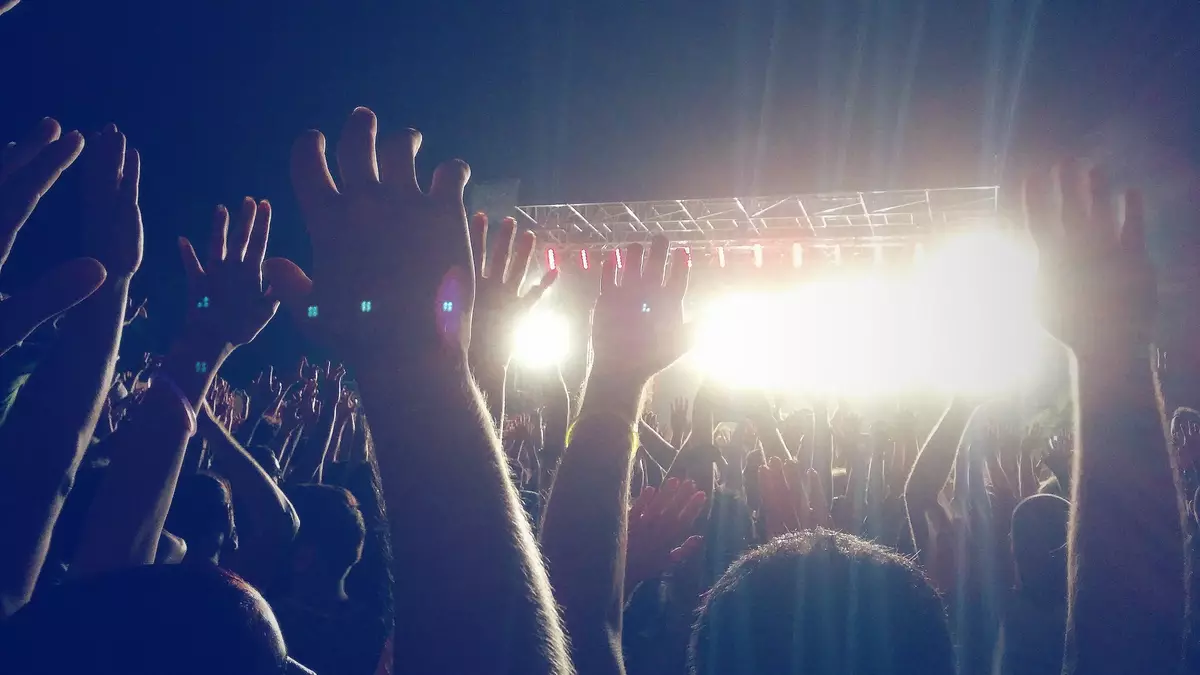
If you've opened TikTok, Reels, or even gaming streams lately, you've probably heard Marvin Gaye's voice drifting through your feed. New fans are discovering him through slowed-down edits, wedding playlists, and protest montages. Older fans are quietly losing it because the songs that sound brand-new in 2026 are actually 40–60 years old. That's how deep Marvin Gaye runs. For anyone catching the renewed buzz and wondering where to start, there's a whole world of music, lore, and receipts waiting for you.
Explore the official Marvin Gaye universe here
Even without new interviews or a modern tour to track, Marvin Gaye is weirdly present: chart re-entries, biopic buzz, viral remixes, brand syncs, and constant fan debates about which era of his career was the strongest. This isn't just nostalgia; it's an entire generation claiming his music as a live, current thing.
The Backstory: Breaking News in Detail
Let's talk about what's actually happening with Marvin Gaye in 2026, because the buzz isn't random. While Marvin passed away in 1984, the last few years have seen a serious lift in how his catalog is handled, heard, and reimagined.
First, streaming. Since the late 2010s, What's Going On has been a permanent fixture on "Best Albums of All Time" lists, but that respect has turned into raw numbers. Major platforms have quietly pushed his music to the front of curated playlists: "Soul Classics," "Sunday Morning," "Neo-soul Roots," and endless "Slow Jams" mixes. Every time new political protests or social movements erupt, tracks like What's Going On and Inner City Blues (Make Me Wanna Holler) spike again. The songs weren't written for 2026, but they keep fitting it a little too well.
Second, syncs and samples. Major brands keep licensing Got to Give It Up, Let's Get It On, and Mercy Mercy Me (The Ecology) for ads, trailers, and prestige TV. Producers still flip his grooves: you can hear Marvin's DNA scattered through R&B, lo-fi hip-hop, and Alt R&B playlists. There's constant conversation in producer forums about "how to get that Marvin room sound" or "how to stack harmonies like Marvin Gaye" without leaning on obvious samples.
Third, live tributes and re-stagings. Since there can't be a new Marvin Gaye tour, artists and orchestras have started treating his catalog like a classical songbook. Full-album live performances of What's Going On with orchestras have popped up in London, New York, and European festival circuits over the past several years. You'll see lineups like: "A Night of Marvin Gaye" with guest vocalists rotating through his hits, backed by a big band and string section. Critics and fans consistently describe these shows less as nostalgia trips and more as emotional events. For younger fans, it's the closest thing to a Marvin concert they'll ever get.
On top of that, Hollywood has been circling a Marvin Gaye biopic for ages. Every few months, industry outlets float updates about casting, directors, or music rights, keeping the conversation going even when nothing is locked. The idea of seeing Marvin's story told with full estate support, original masters, and modern film craft has fans both hyped and nervous. Get it right, and you introduce him to millions of new listeners. Get it wrong, and you flatten one of the most complex figures in soul music.
All of this points to one thing: Marvin Gaye is no longer just a "legacy" act sitting in the background. His catalog behaves like an active artist's feed — constantly resurfacing, reinterpreted, and fought over online. For fans, it means you can expect more reissues, more remasters, more tribute projects, and more arguments about who should and shouldn't touch his songs.
The Setlist & Show: What to Expect
You might not be able to buy a ticket to a Marvin Gaye concert in 2026, but that hasn't stopped fans and musicians from building their own "ideal" Marvin show. Between tribute tours, orchestral performances, and obsessive online setlist debates, a kind of unofficial "dream set" has emerged — and it tells you everything about how people connect to his music now.
Most modern tribute shows built around Marvin Gaye follow a rough narrative arc. They usually open with the early Motown singles: Stubborn Kind of Fellow, Hitch Hike, Pride and Joy, and the sweeping ballad How Sweet It Is (To Be Loved by You). It's the "young Marvin" era — clean suits, tight arrangements, the sound of an artist still fitting into the Motown system. In a live setting, these tracks feel like a fast warm-up, a way to get everyone singing before the heavy stuff lands.
From there, a lot of shows move into the duet era: Ain't No Mountain High Enough, Ain't Nothing Like the Real Thing, You're All I Need to Get By, and If I Could Build My Whole World Around You. When contemporary singers tackle these, it usually turns into a vocal flex moment — call-and-response, playful runs, dramatic key changes. For fans, it's also a way to feel the chemistry Marvin had with partners like Tammi Terrell, even if it's being reimagined by new voices.
The emotional center of any Marvin Gaye-inspired set is almost always the What's Going On album performed front-to-back or heavily represented. Expect some mix of:
- What's Going On
- What's Happening Brother
- Mercy Mercy Me (The Ecology)
- Flyin' High (In the Friendly Sky)
- Inner City Blues (Make Me Wanna Holler)
In a modern venue, these songs hit like a film soundtrack playing over the news. Visuals often show archival protest footage, environmental imagery, and cityscapes, making the performance feel uncomfortably current. Younger fans, many hearing these songs live for the first time, are stunned at how directly Marvin sings about war, poverty, addiction, and systemic pressure. There's usually a hush in the room during Flyin' High and a cathartic singalong by the time Inner City Blues reaches its famous "Make me wanna holler" line.
The back half of a typical Marvin set is pure release. That's where you'll hear:
- Let's Get It On
- Sexual Healing
- Got to Give It Up
- I Want You
- After the Dance
In tribute shows, Got to Give It Up often stretches into a long jam, with extended percussion breaks and audience participation. Sexual Healing becomes a phone-flashlight moment, while Let's Get It On is equal parts romantic and slightly ironic, because it's so iconic it borders on meme — yet still works emotionally when delivered with conviction.
What you can expect at any serious Marvin-focused show is a journey through mood and message: protest, vulnerability, joy, sensuality, and spiritual searching. Musically, it means live horns, thick bass lines, background singers stacked in gospel-style harmonies, and arrangements that leave room for improvisation. Emotionally, it means a crowd that skews across generations — OG fans mouthing every word, Gen Z attendees discovering how much of their favorite artists' sound comes back to this one man.
Even if you're only experiencing Marvin "live" through YouTube performances, remastered TV appearances, or tribute streams, the setlist logic is the same: start with the charm, go through the questions, and end in the groove.
What the web is saying:
Rumor Mill: What Fans Are Speculating
Because Marvin Gaye himself can't drop a surprise album or announce a tour, the rumor mill around him looks different from a current pop star — but it's no less intense. Most of the speculation lives in three areas: unreleased material, the long-gestating biopic, and online debates about who has the right to "inherit" Marvin's sound.
On Reddit and music forums, fans regularly trade stories about rumored vault recordings from Marvin's later years. There are always whispers about "lost tracks" from the Midnight Love era, or alternate versions of songs like Sexual Healing and Third World Girl. Some users claim to have heard rough tapes via industry friends; others dig into bootleg tracklists and publishing credits, trying to piece together what might exist. The big question: will the estate ever approve a full "lost sessions" release, or are they more protective of his unfinished work?
Then there's the biopic discourse. Every time a new casting rumor surfaces — whether it's a singer-turned-actor or a serious film star — social feeds light up with arguments. Is it more important to match Marvin's vocal tone or his emotional presence? Should the film lean into his activism, his sensuality, his personal struggles, or all of it? Some fans want a raw, R-rated look at his life. Others want something closer to a respectful celebration focused on the music. Underneath the casting memes is a real anxiety: can any two-hour film possibly capture someone who was a hit-maker, a protest poet, a sex symbol, and a deeply conflicted human being?
On TikTok, the vibe is lighter but just as obsessive. There are ongoing trends built around Let's Get It On glow-up videos, Sexual Healing late-night edits, and "POV: you just discovered Marvin Gaye for the first time" reaction clips. Another recurring trend pairs serious world events with What's Going On, using the song almost like narration for current headlines. In the comments, you'll see teens saying things like "why does this sound like it was written last week?" and older users replying, "We were saying that in the '70s, too."
There's also a constant, low-level controversy around interpolation and influence. Whenever a modern artist releases a track with a familiar groove or melody, someone on Stan Twitter will yell "That's Marvin Gaye-coded" or bring up past lawsuits involving his catalog. It's turned Marvin into a symbol of "don't play with the classics" — even as younger producers genuinely try to honor his sound. Debates break out over questions like: What counts as homage vs. copy? Can you ever top the original Let's Get It On vocal? Should his music be off-limits for AI recreations?
Interestingly, a lot of fans seem more open to reinterpretations in live settings than in studio tracks. A singer belting Ain't No Mountain High Enough on a TV show? Love. A random bedroom producer dropping an AI Marvin Gaye verse on a trap beat? That crosses a line for many. The underlying fear is clear: people want Marvin Gaye to stay human, imperfect, and specific — not just a "voice pack" you can download.
So while there's no official tour to track or release date on the calendar, the "Marvin Gaye rumor mill" is very real. It's powered by longing: for more music, for a definitive film, and for new ways to keep his voice alive without erasing who he actually was.
Key Dates & Facts at a Glance
| Type | Event | Date | Notes |
|---|---|---|---|
| Birth | Marvin Gaye born in Washington, D.C. | April 2, 1939 | Originally Marvin Pentz Gay Jr.; later added the "e" to his surname. |
| Debut Album | The Soulful Moods of Marvin Gaye | 1961 | Early jazz-pop leanings before full Motown soul dominance. |
| Breakthrough Single | Stubborn Kind of Fellow | 1962 | One of his first big R&B hits on Motown. |
| Classic Album | What's Going On (studio release) | May 21, 1971 | Widely ranked among the greatest albums of all time. |
| Hit Single | Let's Get It On | 1973 | Became one of the most famous slow jams in music history. |
| Hit Single | Sexual Healing | 1982 | Return-to-form hit from the album Midnight Love. |
| Passing | Marvin Gaye dies in Los Angeles | April 1, 1984 | Shot by his father, one day before his 45th birthday. |
| Posthumous Honor | Inducted into Rock & Roll Hall of Fame | 1987 | Recognized for his impact on soul, R&B, and pop. |
| Milestone | 50th Anniversary of What's Going On | 2021 | Expanded reissues, think pieces, and tribute performances worldwide. |
| Streaming Era | Catalog streaming resurgence | 2010s–2020s | Sustained monthly listeners in the tens of millions globally. |
FAQ: Everything You Need to Know About Marvin Gaye
To really get why Marvin Gaye still hits so hard in 2026, you need a quick, honest crash course. Here are the questions people keep asking — and the context that usually gets left out of short bios.
Who was Marvin Gaye, in simple terms?
Marvin Gaye was an American singer, songwriter, and producer from Washington, D.C., who became one of Motown's defining artists and a crucial architect of modern soul and R&B. Born in 1939, he started out singing in church, joined doo-wop groups, and eventually landed at Motown in the early '60s. There, he evolved from a clean-cut hit-maker into a deeply personal artist who wrote about war, faith, racism, addiction, love, and desire.
If you love artists like Frank Ocean, SZA, The Weeknd, H.E.R., or Anderson .Paak, you're already living in a world Marvin helped build — emotionally honest R&B with big, cinematic production and lyrics that read like diary entries or open letters.
What are the essential Marvin Gaye songs I should hear first?
If you're new, you don't need the whole catalog on day one. Start with a core starter pack that shows his range:
- What's Going On – soulful, political, and strangely soothing.
- Mercy Mercy Me (The Ecology) – environmental anxiety in gorgeous harmony form.
- Inner City Blues (Make Me Wanna Holler) – raw frustration over a hypnotic groove.
- Ain't No Mountain High Enough (with Tammi Terrell) – pure duet joy.
- Let's Get It On – sensual, vulnerable, and more emotionally complex than memes suggest.
- Sexual Healing – 80s synths, healing-as-intimacy, still sounds fresh.
- I Heard It Through the Grapevine – paranoia and heartbreak delivered with unbelievable control.
Run through those in one sitting and you'll get a sense of how he moved from clean soul singles to immersive, concept-level storytelling.
Why is What's Going On considered such a big deal?
What's Going On, released in 1971, is the moment Marvin Gaye stopped just being a hit singer and became an album artist in the modern sense. Instead of a loose collection of singles, it plays like one uninterrupted piece — connected songs, recurring motifs, and a clear emotional arc. Lyrically, he reacts to the Vietnam War, police brutality, environmental damage, and spiritual confusion. Musically, it blends jazz, gospel, soul, and orchestral touches.
For younger listeners used to "no skips" projects from their faves, What's Going On feels surprisingly familiar. It's immersive, personal, and political without turning into a lecture. That's why critics keep calling it one of the greatest albums ever; it's both a protest record and a comfort blanket.
How did Marvin Gaye change R&B and pop?
Marvin didn't just sing pretty; he pushed the genre forward in concrete ways:
- He blurred sacred and sensual. Songs like Let's Get It On and Sexual Healing talk about physical intimacy with the weight and drama of gospel. That mix of desire, guilt, and reverence echoes in almost every "slow jam with feelings" you hear today.
- He made concept albums mainstream in soul. Projects like What's Going On and Here, My Dear (a brutally honest divorce album) inspired later artists to treat R&B albums like full stories, not just singles collections.
- He normalized vulnerability in male vocals. His falsetto, his confessions about anxiety and addiction, and his willingness to sound fragile at times opened the door for generations of male singers to be emotional, not just cool or tough.
- He fought for creative control. At Motown, pushing for self-produced, self-directed albums helped future artists demand their own space in the studio.
Why does Marvin Gaye feel so relevant in 2026?
Because the issues he sang about never really went away. Lines about war, police, money pressure, and "trigger-happy police" from over 50 years ago read like they were pulled from recent headlines. Environmental lyrics in Mercy Mercy Me hit especially hard in a climate-crisis era. On top of that, the emotional themes — isolation, wanting connection, craving healing, trying to find God or meaning — line up perfectly with the mental health conversations you see online now.
There's also the sonic factor. Modern producers love warm analog textures, vinyl crackle, and live-in-the-room drums. Marvin's recordings are full of those details. Drop a Marvin track into a current lofi or neo-soul playlist and it doesn't feel out of place; it feels like the source code.
Is there any way to experience Marvin Gaye "live" now?
Not in the literal sense, but there are strong options:
- High-quality live recordings. Look for remastered concert audio and TV performances on official channels and fan-curated playlists. You'll hear him stretch songs, ad-lib, and interact with crowds.
- Tribute concerts. Many cities host "Marvin Gaye nights" with local or touring vocalists and full bands running through his catalog. Some are straightforward tribute acts; others are more creative re-interpretations with jazz or orchestral arrangements.
- Virtual performances and playlists. YouTube and streaming platforms host curated "live" experiences, including full-album playthroughs, lyric videos, and fan-made concert edits combining archival footage.
It's obviously not the same as breathing the same air in an arena, but the depth of his live recordings means there's still a lot to experience.
Where can I go deeper into his story and catalog?
If you've burned through the obvious hits and want more, dive into full albums like I Want You, Here, My Dear, and Let's Get It On in order. Listen to the deep cuts: Distant Lover, Save the Children, God Is Love, When Did You Stop Loving Me, When Did I Stop Loving You. They show you a Marvin Gaye who's less polished, more conflicted, and more human than the "Motown legend" tagline suggests.
For context, serious music histories and documentaries dig into his complicated relationship with Motown, his family, his faith, and his sense of purpose. They don't always make for easy watching, but they explain how someone who sang such healing music could live with so much inner turmoil.
Once you've gone down that rabbit hole, that moment when his voice shows up randomly on your feed hits different. It's not just a vintage aesthetic — it's a whole lifetime of questions and beauty compressed into a three-minute song, still echoing across generations.


