
Why Marvin Gaye Still Feels Shockingly New in 2026
Published on 03/04/2026 at 16:59 | Editorial responsibility: Rafael Müller, Editor-in-Chief AD HOC NEWS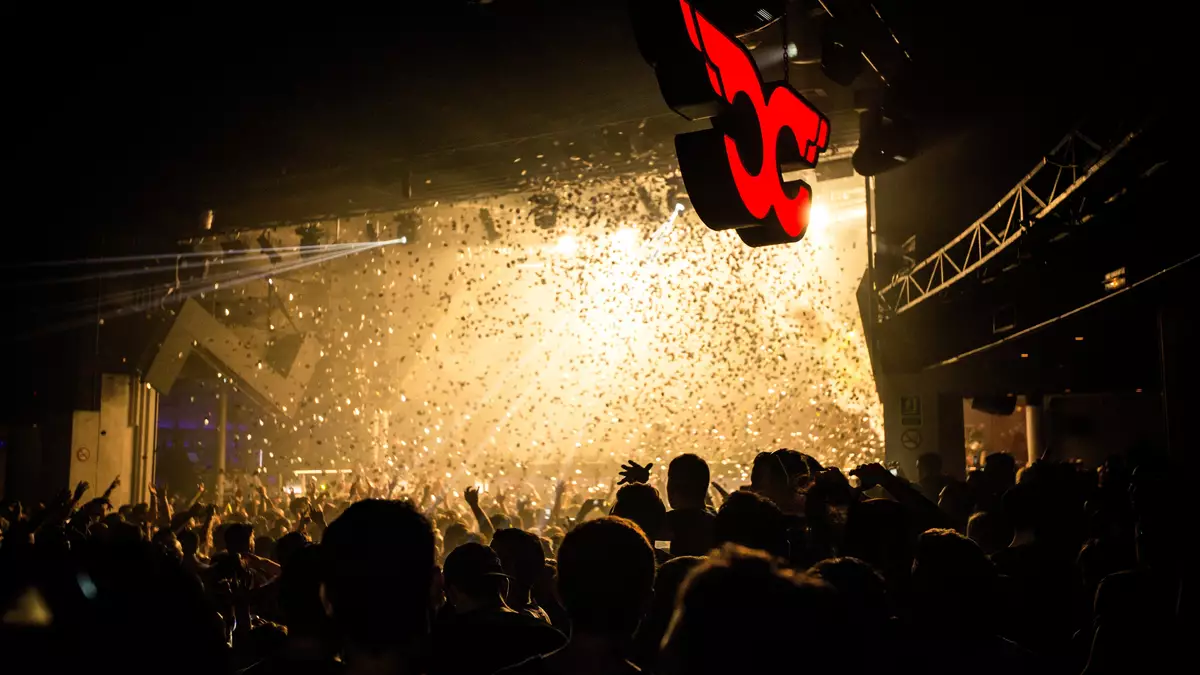
You’re not imagining it: Marvin Gaye is quietly taking over your feed again. Old soul clips are sliding between hyper-pop edits, “What’s Going On” is soundtracking climate reels, and slow, grainy live footage is getting stitched into brand-new TikTok thirst edits. For an artist who passed away in 1984, Marvin Gaye is having a very real 2026 moment.
Explore the world of Marvin Gaye on the official site
This isn’t some random nostalgia wave. Between anniversary box sets, sample-heavy remixes from younger producers, and a new wave of R&B singers openly calling him their blueprint, Marvin’s name is everywhere again. And if you’re only just slipping past the obvious hits, this is a perfect moment to understand why his catalog still cuts so deep.
The Backstory: Breaking News in Detail
Even without a brand-new album, Marvin Gaye has been in the news cycle more than you’d expect this year. A big driver is the continued run of high-quality reissues and deluxe editions focused on his classic 1971 album What’s Going On and the deeply intimate 1978 record Here, My Dear. Labels have realized that Gen Z and younger millennials aren’t just streaming these tracks casually; they’re buying vinyl, digging into alternate takes, and hunting down live versions.
Curators and archivists have been teasing restored concert footage from Marvin’s early-70s appearances in Europe and the US. While there aren’t “new tour dates” for obvious reasons, there are remastered shows being prepped for cinema-style screenings, museum installations, and high-res streaming drops. Multiple outlets have reported that producers are working through mountains of live tapes and studio outtakes, carefully deciding what feels respectful and essential rather than just cashing in.
There’s also a growing conversation around Marvin Gaye’s political and social voice. In a year where climate marches, voting rights debates, and economic frustration are everywhere, tracks like “Inner City Blues (Make Me Wanna Holler)” and “Mercy Mercy Me (The Ecology)” sound painfully current. Writers in US and UK music press have been reframing him not just as a sensual R&B icon, but as a protest artist whose soft delivery carried brutally honest lyrics. For fans, that shift matters: it changes Marvin from “your parents’ slow-jam guy” into someone whose catalog can sit next to Kendrick Lamar, H.E.R., and J. Cole on a playlist without feeling retro for the sake of it.
Behind the scenes, music supervisors keep clearing Marvin Gaye songs for film and prestige TV. Any time a new trailer lands with “What’s Going On” under the final emotional montage, streams spike. Sync deals may sound dry, but they’re a massive reason younger fans discover older artists. The more syncs Marvin gets, the more people slide into his deeper cuts and start asking: “Wait, why does this sound more emotionally honest than half the stuff on today’s charts?”
On top of all that, ongoing legal discussions around how heavily modern hits can echo Marvin’s melodies and grooves keep his name in more technical music circles. Even when he isn’t on the radio, producers, songwriters, and copyright lawyers are still treating his songs as a gold standard for what a soul groove can do.
For fans, the implication is simple: this is a once-in-a-generation reset of Marvin Gaye’s reputation. Instead of being flattened into background “oldies,” he’s being presented as complex, political, sensual, spiritual, and sonically daring. It’s the kind of framing that invites binge-listening rather than a casual greatest-hits skim.
The Setlist & Show: What to Expect
Because Marvin Gaye isn’t touring, the closest you can get to a “show” in 2026 is the mixture of official live albums, restored concert films, tribute nights, and VR-style experiences that fans and curators are building around his music. Knowing Marvin’s classic setlists makes these events way more satisfying.
Take his early-70s shows built around What’s Going On. Bootleg recordings and official releases show a flow that feels surprisingly modern: he’d often open with “What’s Going On” itself, not as a finale but as an invitation. From there, he might slide into “What’s Happening Brother”, then “Flyin’ High (In the Friendly Sky)” and “Save the Children,” creating a continuous emotional arc. If you’ve ever been to a concept-heavy R&B show where the artist plays a whole album front to back, Marvin basically pioneered that format.
Later, as the sensual side of his catalog exploded, a different kind of live energy took over. Imagine a mid-set run like “Let’s Get It On”, “Distant Lover”, and “I Want You” back-to-back. Live recordings capture crowds screaming every word, with Marvin stretching lines, ad-libbing confessions, and letting the band ride slow, heavy grooves. Modern tribute shows and DJ sets that honor his work often recreate this section almost exactly, knowing how devastating that trio of songs still feels in a room full of people.
Expect to hear the Motown-era duets as well, especially “Ain’t No Mountain High Enough”, “Ain’t Nothing Like the Real Thing”, and “You’re All I Need to Get By”. Even if the live band or tribute singer changes partners, those songs are structurally built for call-and-response. It’s no accident that clips from these tracks dominate TikTok edits: they’re written like emotional dialogue, and modern audiences eat that up.
Atmosphere-wise, a Marvin-focused event in 2026 tends to mix museum and club energy. You get the nerdy commentary about how “What’s Going On” used multitracked lead vocals and jazz chords that Motown initially thought were too risky, but you also get the collective scream when “Sexual Healing” finally kicks in. Lighting designers lean into warm, analog looks: reds, ambers, subtle film grain if it’s on a big screen. The vibe is less stadium fireworks, more late-night confession.
If you stream one of the official live albums like Marvin Gaye Live! or watch a concert film, notice how he treats tempo. He’ll start “What’s Going On” slightly faster than the studio cut, as if he’s rushing to get the message out, then slow songs like “Distant Lover” down to the edge of collapse. That push-and-pull is exactly what many contemporary R&B stars try to copy when they break their hits down into piano-only sections on tour. Marvin did it first, and often did it without losing a single person in the crowd.
The closest modern reference point might be a Frank Ocean or SZA live moment: a mix of spiritual, chaotic, and hyper-intimate. The difference is that Marvin’s bands were relentlessly tight in a very Motown way. Horn sections, backing vocalists, and rhythm players were drilled to hit every stop and accent, so when Marvin broke structure, it felt like a real risk, not a loose jam.
What the web is saying:
Rumor Mill: What Fans Are Speculating
Without a living artist to track, the Marvin Gaye rumor mill works differently. Instead of “Is he dropping a surprise album?” the questions sound more like: “What’s still in the vault?”, “Will we finally get a definitive live box set?”, and “Are they ever going to do a proper biopic that feels honest?”
On Reddit, especially corners like r/music and R&B-focused threads, fans often trade theories about unreleased material. There are persistent stories about full live shows from the mid-70s that were professionally recorded but never mixed for release. Some users claim engineers have hinted at multi-track tapes that capture Marvin in a darker, more improvisational mode, experimenting with extended jams of “I Want You” or stripped-down runs of “Trouble Man”. Until those recordings are confirmed and scheduled, they’ll live in that gray zone between fan fantasy and label strategy.
Another hot topic: will the industry keep pulling Marvin Gaye’s music into courtroom drama? High-profile copyright cases in recent years have triggered endless comment threads questioning how “inspired by” a song can be before it becomes “too close”. Fans sometimes split on this. Some argue that protecting Marvin’s melodies matters because his ideas built the foundation of so much modern R&B and pop. Others worry that aggressive lawsuits could chill creativity and stop new artists from exploring similar grooves.
There’s also strong sentiment about a potential biopic. Every few months, social media spins up new “fan casts” for who should play Marvin. Names get thrown around, arguments get heated, and someone inevitably points out that any film will need to face the complicated realities of his life—childhood trauma, addiction, and the circumstances of his death—without softening them into something neat and inspirational. The overall fan mood: if it’s not honest, don’t bother.
On TikTok, the speculation is less technical and more emotional. Users stitch clips of “What’s Going On” over news footage, asking whether Marvin would be furious or numb if he saw the world today. Others use “Sexual Healing” for tongue-in-cheek self-care content, transforming a song about physical and emotional need into a meme about turning off your notifications and taking a long bath. The line between reverent and irreverent is thin, but that’s also what keeps Marvin’s music active instead of frozen.
One recurring theory: that if Marvin were alive in 2026, he’d be collaborating with left-field R&B experimenters and politically charged rappers instead of chasing pop radio. Fans picture him on tracks with artists like Kendrick, Solange, or Little Simz, using those layered, multi-tracked vocals over glitchy drums and jazz chords. No one can prove that, of course, but the theory itself says something about how people see him: not as a polished Motown puppet, but as a restless creator who would have kept evolving.
Underlying all of these rumors and fan debates is a quieter fear: that if labels push too hard—too many remixes, too many repackaged hits—Marvin Gaye could get flattened into “playlist wallpaper”. The dream scenario most fans describe is careful curation: restored live sets, thoughtful documentaries, maybe one or two genuinely new archival projects, and then space for listeners to form their own connections.
Key Dates & Facts at a Glance
- Birth: Marvin Gaye was born on April 2, 1939, in Washington, D.C., setting the stage for a career that would help define soul and R&B.
- Motown Breakthrough: In the early 1960s, he signed with Motown’s Tamla imprint, first working as a session drummer before becoming one of the label’s key vocalists.
- Early Hits Era: Singles like “Stubborn Kind of Fellow” (1962), “How Sweet It Is (To Be Loved by You)” (1964), and “Ain’t That Peculiar” (1965) made him a star before the social commentary phase.
- Duet Classics: Throughout the mid-to-late 1960s, Marvin scored massive hits with Tammi Terrell, including “Ain’t No Mountain High Enough” (1967), “You’re All I Need to Get By” (1968), and “Ain’t Nothing Like the Real Thing” (1968).
- What’s Going On Release: His landmark album What’s Going On was released in May 1971 and is repeatedly ranked among the greatest albums of all time by US and UK music publications.
- Sexual Healing Era: “Sexual Healing” was released in 1982, earning Marvin two Grammy Awards and becoming one of his most enduring hits.
- Passing: Marvin Gaye died on April 1, 1984, in Los Angeles, one day before his 45th birthday.
- Rock & Roll Hall of Fame: He was inducted into the Rock & Roll Hall of Fame in 1987, cementing his legacy in popular music history.
- Streaming Legacy: In the 2010s and 2020s, songs like “Let’s Get It On” and “Sexual Healing” consistently registered hundreds of millions of streams, introducing him to new generations.
- Ongoing Influence: Marvin Gaye continues to be cited as a key influence by contemporary R&B, neo-soul, and hip-hop artists across the US and UK.
FAQ: Everything You Need to Know About Marvin Gaye
Who was Marvin Gaye, in simple terms?
Marvin Gaye was an American singer, songwriter, and producer whose work helped shape soul, R&B, and pop music. If you’ve ever fallen into a slow jam that feels both romantic and a little bit painful, or heard a smooth protest song that sounds gentle but hits hard, you’ve felt his influence. He came up through Motown in the 1960s, became known as the “Prince of Motown” and “Prince of Soul,” and then broke the label’s formula wide open with albums that were deeply personal and socially aware.
What is Marvin Gaye best known for?
For most casual listeners, Marvin Gaye is “the guy who sings ‘Let’s Get It On’ and ‘Sexual Healing.’” Those songs are everywhere—from rom-com trailers to TikTok edits. But among music fans and critics, he’s equally known for the concept album What’s Going On, which tackled war, poverty, police brutality, and environmental damage at a time when Motown largely stayed away from open politics in its lyrics. That combination—seductive love songs and politically charged soul—makes him unique.
He’s also known for his duets with Tammi Terrell and others, which give a very different side of his artistry: playful, hopeful, and full of chemistry. Tracks like “Ain’t No Mountain High Enough” and “You’re All I Need to Get By” still sound like the template for every big, heartfelt duet that came after.
Why is Marvin Gaye so important to today’s music scene?
Even if younger listeners don’t always realize it, a lot of the modern R&B and pop they love is built on Marvin Gaye’s blueprints. He pushed for albums that worked as complete emotional journeys instead of just collections of singles. He blended jazz chords, gospel-inspired vocals, and tight rhythm sections with lyrics that talked honestly about anxiety, faith, lust, and anger. That mix of vulnerability and groove shows up in artists as different as The Weeknd, Frank Ocean, Janelle Monáe, SZA, and Sam Smith.
Producers also study his arrangements. The way “Inner City Blues” layers bass, congas, and strings is still referenced when people talk about building moody, cinematic R&B tracks. And the multi-tracked vocal style he used—where it sounds like different versions of his own voice are in conversation with each other—feels weirdly close to the inner-monologue experimentation in current alt-R&B.
Where should a new fan start with Marvin Gaye’s music?
If you only know the biggest hits, a good starter route might look like this:
- First stop – The obvious bangers: “What’s Going On”, “Let’s Get It On”, “Sexual Healing”, “Ain’t No Mountain High Enough”. Just to ground yourself in the songs you already half-know.
- Second stop – The full album experience: Listen to What’s Going On all the way through, no shuffle, no skips. It’s short, focused, and designed to be heard as a continuous piece.
- Third stop – The intimate records: Try Let’s Get It On and I Want You for deep, slow, late-night listening. They show how he turned desire and doubt into full sonic universes.
- Fourth stop – The overlooked sides: Check out Here, My Dear, the divorce album that blends anger, vulnerability, and humor in a way that feels eerily modern.
From there, you can dip into live albums and compilations to catch alternate versions and extended jams.
When did Marvin Gaye’s career really change direction?
The most important pivot point was the lead-up to What’s Going On in 1971. Before that, Marvin was a star, but he was playing the Motown game: slick, radio-friendly singles, carefully curated image, not too much rock-the-boat content in the lyrics. After experiencing personal loss, witnessing social unrest, and dealing with battles inside the label, he pushed for more control. The result was an album that Motown executives initially resisted, worried that its socially conscious focus would scare stations away.
Instead, it became one of the label’s most important releases, and it opened the door for Marvin to experiment harder with structure, subject matter, and production. From that moment, you can hear him moving away from being just an entertainer toward being an artist with a very specific point of view.
Why does Marvin Gaye’s story feel so heavy?
Part of what makes Marvin’s music hit so hard is that you can hear the tension between the public star and the private person. He dealt with intense family conflict, religious pressure, addiction, depression, and industry stress. The fact that his life ended violently—killed by his father after years of turmoil—adds a tragic weight that listeners can’t fully separate from the music.
But that heaviness is also why people keep coming back to his work. When he sings about needing healing, about feeling hollowed out by the world, or about longing for peace, it doesn’t sound like a pose. It sounds like someone working through real pain and desire in real time. For listeners navigating their own mental health struggles or personal chaos, that honesty can be strangely comforting.
How can fans connect with Marvin Gaye’s legacy in 2026?
Beyond just streaming the hits, there are a few easy ways to engage:
- Support curated reissues and documentaries that treat his work with respect, not just as nostalgia content.
- Share deeper cuts—post “Distant Lover (Live)” or “What’s Happening Brother” instead of only the same two songs everyone uses.
- Go to listening parties, vinyl nights, or tribute shows in your city; hearing these songs loud, with other people, changes how they feel.
- Pay attention to liner notes and credits so you learn which musicians and producers were shaping those sounds.
At a time when music can feel disposable, digging into Marvin Gaye’s catalog is a reminder that some records are built to outlive trends—and still feel uncomfortably relevant decades later.


