

Why Jimi Hendrix Still Inspires a New Generation of Guitar Heroes in North America
Published on 04/29/2026 at 18:35 | Editorial responsibility: Rafael Müller, Editor-in-Chief AD HOC NEWS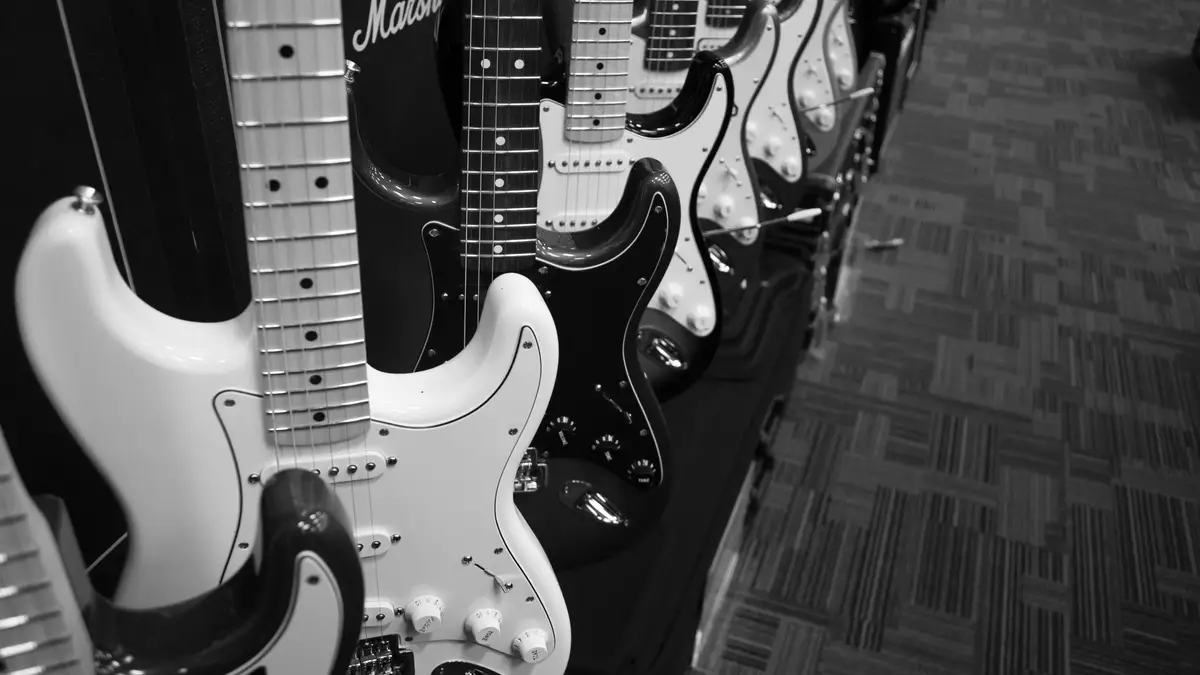
Jimi Hendrix remains one of the most electrifying figures in rock history, and his influence pulses strongly among young listeners in North America today. Born in Seattle in 1942, Hendrix transformed the electric guitar into a voice of raw emotion and innovation, blending blues, rock, and psychedelia in ways that still captivate new generations. For teens and young adults aged 18 to 29 in the US and Canada, his tracks rack up millions of streams on platforms like Spotify and Apple Music, proving his music feels as fresh and powerful as ever.
What makes Hendrix stand out? His playing wasn't just technical—it was revolutionary. He used feedback, distortion, and effects pedals like no one before, creating sounds that mimicked wailing sirens, crying babies, or exploding fireworks. This boldness resonates with today's guitar heroes who experiment in garages and online tutorials, drawing direct inspiration from Hendrix's fearless style.
Growing up poor in Seattle, young Jimmy Hendrix—born Johnny Allen Hendrix and later renamed James Marshall—found his first instrument in a ukulele with just one string. He taught himself by listening to blues legends like Muddy Waters and B.B. King. By 19, he joined the Army but quickly schemed his way out, faking incompetence to get discharged. From there, he hustled in Harlem clubs as a backup guitarist for acts like Little Richard, honing his chops before exploding onto the world stage.
In 1966, Hendrix moved to London and formed The Jimi Hendrix Experience with bassist Noel Redding and drummer Mitch Mitchell. Their debut album, Are You Experienced, dropped in 1967 and included hits like "Purple Haze" and "Foxey Lady." That same year at the Monterey Pop Festival, Hendrix's guitar-burning finale shocked and awed the crowd, cementing his legend. Two years later at Woodstock in 1969, his scorching rendition of "The Star-Spangled Banner" became an anthem of the era, blending patriotism with psychedelic chaos.
Hendrix's life ended tragically young on September 18, 1970, at age 27 in London, joining the infamous "27 Club." Asphyxiation from barbiturates cut short a career that had barely begun, but his three studio albums with the Experience—Are You Experienced, Axis: Bold as Love, and Electric Ladyland—left an indelible mark. Electric Ladyland, released in October 1968, was his final studio album during his lifetime, a double-disc masterpiece he produced himself, featuring epics like "Voodoo Child (Slight Return)" and covers like Bob Dylan's "All Along the Watchtower."
How Hendrix Hooks Young North American Fans Today
In the US and Canada, Hendrix's Seattle roots make him a homegrown hero. Northwest pride runs deep, with fans in cities like Seattle, Vancouver, and Portland claiming him as their own. Streaming data shows his songs dominating playlists for Gen Z guitar enthusiasts, who remix his riffs into modern trap beats or shred them in TikTok challenges. Festivals across North America—from Coachella to Lollapalooza—regularly feature tributes, keeping his fire alive.
Why does he matter now? In a world of digital production, Hendrix reminds young musicians that raw talent and a cheap amp can change everything. Bedroom producers in Toronto or Los Angeles study his wah-wah pedal techniques, while high school bands cover "Hey Joe" at local gigs. His story of rising from poverty to icon inspires kids dreaming big in music scenes from Nashville to Austin.
Key Tracks Every New Fan Should Blast First
Start with "Purple Haze." This 1967 banger introduced Hendrix's fuzzy tone and cryptic lyrics about a dream-induced haze. It's short, explosive, and perfect for cranking in your car. Next, "All Along the Watchtower," his 1968 Dylan cover that outshines the original with soaring solos and building tension—ideal for late-night drives.
Don't miss "Voodoo Child (Slight Return)" from Electric Ladyland. Clocking in at over four minutes, it's Hendrix at his most godlike, declaring "Well, I stand up next to a mountain / And I chop it down with the edge of my hand." Young shredders attempt (and fail) to replicate its riffs daily.
"Little Wing" offers a softer side, a dreamy ballad with gentle strumming that influenced everyone from Stevie Ray Vaughan to modern indie acts. And for pure fun, "Foxy Lady"—Hendrix's flirtatious rocker that gets crowds dancing at any party.
Hendrix's Gear: Tools of a Guitar God
Hendrix played a white Fender Stratocaster, often flipped upside down because he was left-handed but learned right-handed. He modded it with Marshall amps cranked to distortion heaven, inventing techniques like the "Hendrix chord" (a funky E7#9 shape). Today's affordable pedals like the Cry Baby wah let kids recreate his sound without breaking the bank.
His stage antics—playing behind his back, with his teeth, setting it ablaze—weren't just show; they expanded what a guitar could express. Modern artists like Billie Eilish's brother Finneas or Tame Impala's Kevin Parker cite him as a blueprint for innovation.
From Harlem to Woodstock: Hendrix's Rapid Rise
After the Army, Hendrix gigged relentlessly in New York, backing soul stars. A fateful meeting with Animals bassist Chas Chandler led to London, where he became Jimi overnight. The Experience's chemistry was magic: Redding's bass locked with Mitchell's jazz-infused drums, letting Hendrix soar.
Monterey's 1967 performance was pivotal. Closing the festival, he knelt, doused his Strat in lighter fluid, and torched it—a nod to Pete Townshend but bigger. Footage still gives chills. Woodstock followed, where rain-soaked, he played to 400,000 at dawn, his "Star-Spangled Banner" distorting bombs and rockets into anti-war protest.
Electric Ladyland: Hendrix's Masterpiece
Released October 16, 1968, in North America, this double album was Hendrix's most ambitious. He built Electric Lady Studios in New York to record it, inviting guests like Traffic's Dave Mason and the Rolling Stones' horns. Tracks range from the funky "Crosstown Traffic" to the 16-minute jam "1983... (A Merman I Should Turn to Be)."
It topped charts and showcased his growth as a producer. The cover art stirred controversy—a nude photo shoot—but the music inside redefined possibilities. It's the album that solidified his genius before his death.
Hendrix's Lasting Legacy in North America
From Seattle grunge pioneers like Soundgarden to Toronto's blues revivalists, Hendrix's DNA runs through North American rock. Museums like the Experience Music Project in Seattle house his artifacts, drawing young pilgrims. Annual festivals honor him, blending old footage with new covers.
For 18-29-year-olds, he's not dusty history—he's TikTok fuel, Spotify Wrapped staple, and Fender ad muse. His story teaches resilience: from one-string ukulele to guitar god in four years.
Learning to Play Like Hendrix: Tips for Beginners
Grab a Strat copy and free amp sim apps. Practice the "Purple Haze" intro: bend that opening note slow. Watch YouTube breakdowns—millions view them yearly. Join online communities like Reddit's r/JimiHendrix for tabs and stories.
Key lesson: feel over perfection. Hendrix missed notes but made them sing. Experiment with effects: fuzz, wah, Uni-Vibe. Record yourself jamming "Wind Cries Mary"—his tender tribute to ex-girlfriend Kathy Etchingham.
Hendrix in Pop Culture: Movies, Games, Everywhere
He's in Almost Famous, Forrest Gump (Woodstock scene), and games like Guitar Hero. Documentaries like Jimi Hendrix: Electric Church stream on Netflix, introducing him to newbies. Even rappers sample him—check OutKast's nods.
In North America, his face graces murals in Austin and Vancouver alleys, a reminder of rock's rebellious heart.
Why Seattle Still Claims Him
Hendrix's childhood home is a landmark. The Northwest damp weather mirrors his moody blues. Local acts like Pearl Jam echo his intensity. Annual birthday bashes at the Tractor Tavern keep the spirit alive for young crowds.
Albums Guide: Start Here
Are You Experienced (1967): Perfect intro, all killers.
Axis: Bold as Love (1967): Deeper psych exploration.
Electric Ladyland (1968): The pinnacle, sprawling and soulful.
Posthumous gems like Band of Gypsys (1970) capture live fire.
Fan Essentials: Must-Know Moments
- Isle of Wight 1970: Final major show, epic "Machine Gun."
- Meeting Dylan: Mutual respect fueled covers.
- Studio innovator: Layered guitars before multitrack norm.
What New Listeners Should Watch Next
Stream the Monterey clip. Binge Woodstock doc. Buy a cheap wah pedal. Jam with friends. Hendrix isn't past—he's your next riff obsession. In North America, where rock was reborn, he's eternal fuel for dreamers picking up guitars today.


