
Why Janis Joplin Still Hits Hard in 2026
Published on 03/12/2026 at 15:49 | Editorial responsibility: Rafael Müller, Editor-in-Chief AD HOC NEWS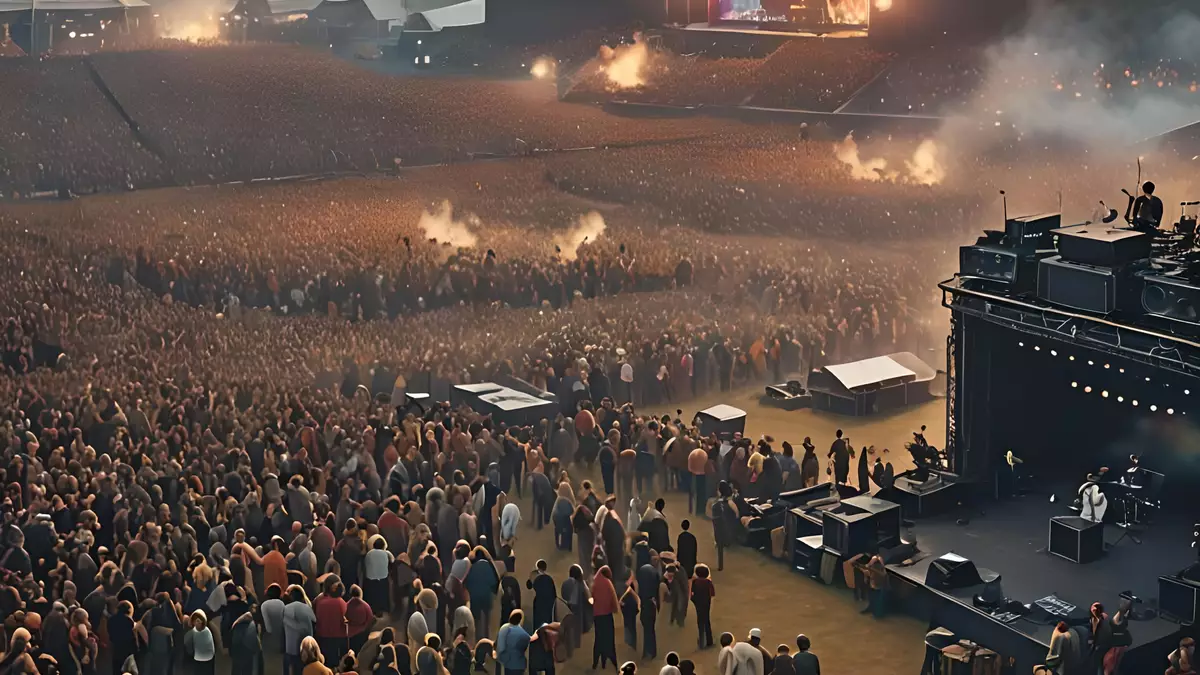
If your FYP has suddenly turned into a raspy howl of vintage soul, you’re not imagining it. Janis Joplin is having a serious 2026 moment. Clips of her Monterey Pop and Woodstock sets are racking up millions of views, new vinyl pressings are selling out, and a fresh wave of tribute shows is introducing her to fans who weren’t even born when the iPod existed, let alone when Janis was alive. Her mix of pain, power, and pure chaos feels weirdly right for the world you’re living in now.
Discover the official Janis Joplin hub for music, merch & stories
So what’s actually going on with the renewed obsession over Janis Joplin? It’s not just nostalgia from boomers. It’s TikTok edits, vinyl culture, vocal coaches breaking down her technique on YouTube, and a push from labels to spotlight classic festival performances in pristine remasters. In 2026, "Piece of My Heart" is showing up on breakup playlists right next to Olivia Rodrigo and SZA, and somehow it makes perfect sense.
Let’s break down the new buzz, the music that’s pulling you in, the fan theories spinning on Reddit, and why Janis still feels like the blueprint for raw, unapologetic rock emotion.
The Backstory: Breaking News in Detail
Janis Joplin has been gone since 1970, but her catalog and image are very much alive as a business and a cultural force. Over the last year, several threads have converged: renewed focus on late-60s counterculture, a boom in archival releases, and a spike in younger listeners discovering her through short-form video. Labels and rights-holders have clearly noticed—and they’re leaning in.
Recent music press coverage in US and UK outlets has highlighted three big things. First, a fresh wave of high-resolution remasters of her signature records—Cheap Thrills, I Got Dem Ol’ Kozmic Blues Again Mama!, and Pearl—is quietly rolling out across major streaming platforms. You might not see a huge banner ad, but you can hear the difference: more grit in the guitars, more space around that unmistakable voice, and more detail in crowd noises on live takes.
Second, there’s a strong push around historic live shows. Think Monterey Pop 1967, Woodstock 1969, and the legendary Festival Express tour across Canada. Music writers have been revisiting those sets and pointing out how shockingly modern Janis’s energy feels—screaming one second, whispering the next, teetering between total control and apparent emotional freefall. For TikTok and YouTube culture, those moments are gold: meme-able, dramatic, endlessly re-editable.
Third, a string of tribute tours and orchestral shows has been popping up in major US and European cities. These aren’t hologram gimmicks; they’re real bands fronted by powerhouse singers tackling Janis’s catalog with full brass sections, gospel-style backing vocals, and visuals drawn from 60s concert posters and psychedelic art. Promoters frame these nights as "experiencing Janis live" for a generation that never could. Critics note that a lot of these singers grew up on Beyoncé and Amy Winehouse, and you can hear that in how they attack Janis’s songs—less imitation, more reinterpretation.
Why is this happening now? Culturally, people are burned out on polished, filtered perfection. Janis’s whole appeal is the opposite: she sounds like someone tearing their chest open on stage. Her life story—small-town Texas misfit, bullied for how she looked, fleeing to San Francisco, finding a tribe in music, burning out fast—is painfully relatable in the age of online harassment and hyper-visibility. Music journalists keep pointing to that: she was body-shamed, mocked, and pushed to the edge, and still managed to take up space in the loudest possible way.
For fans, all of this means more entry points. You can walk in through a viral clip of "Ball and Chain" on your phone, discover there’s a 10-minute version on a live album, then suddenly you’re researching Big Brother and the Holding Company at 3 a.m. The implication is simple: Janis is being treated less like a relic and more like an active artist in the streaming era. Her team and labels know there’s a young audience ready to claim her as one of their own—and from the numbers on socials, that’s exactly what’s happening.
The Setlist & Show: What to Expect
Because Janis Joplin herself isn’t touring, the "setlist" conversation in 2026 is really about how tribute shows, festival slots, and orchestral projects are reimagining her songs. If you’re eyeing a Janis-themed night in your city, here’s what you’re almost guaranteed to hear—and why each track still lands like a punch.
"Piece of My Heart" is non-negotiable. Originally recorded by Erma Franklin, Janis turned it into a full-body scream-along with Big Brother and the Holding Company on Cheap Thrills. Modern singers tackling it have to make a choice: go full rasp and try to match her intensity, or lean into dynamics and let the band carry some of the weight. Most tribute setlists place it toward the back half of the show, right when the audience is loosened up enough to shout every line. You’ll see phones come out, but you’ll also see people clutching their chests like they’re living the lyrics in real time.
"Cry Baby" and "A Woman Left Lonely", both central to the Pearl era, usually anchor the emotional core of the night. These songs show a different side of Janis—less psychedelic chaos, more blues diva. They’re built on slow burns, with room for extended vocal runs and dramatic pauses. Younger crowds, raised on big ballads from artists like Adele and Miley Cyrus, latch onto these songs quickly. They feel familiar in structure, just rawer in delivery.
Then there are the spiritual centerpieces: "Ball and Chain" and "Summertime". Live arrangements in 2026 often stretch these out, mimicking Janis’s habit of turning a four-minute song into a nine-minute emotional purge. Expect long instrumental intros, spoken monologues about heartbreak or being misunderstood, and moments where the band almost drops out completely so the singer can scream a line into near silence. Audience reactions at these points tend to split: some people close their eyes like they’re in a church, others film obsessively, trying to capture the intensity.
On the lighter side, setlists nearly always include "Mercedes Benz". It’s short, funny, and brilliant—a sarcastic a cappella prayer to consumer culture. Modern shows sometimes turn this into a call-and-response moment, inviting the audience to sing along with minimal instrumentation or none at all. It’s a reminder that Janis wasn’t just tragic; she was biting, clever, and fully in on the joke.
Deep cuts appear too, depending on the act: "Move Over" and "Get It While You Can" from Pearl, "Kozmic Blues" from her soul-heavy middle phase, and early tracks like "Down on Me". Hardcore fans watch these choices closely—Reddit threads often dissect which acts "get" Janis’s evolution and which ones just cherry-pick the Spotify hits.
Atmosphere-wise, you can expect a lot of retro visuals without a museum vibe. Psychedelic liquid light projections, 60s fonts, San Francisco poster art, and footage of Janis herself are common. But the crowd won’t be a room full of boomers in tie-dye. You’ll see 20-somethings in oversized leather jackets, Doc Martens, messy eyeliner, and DIY flower crowns; basically, Tumblr grunge meets Haight-Ashbury. The energy swings from loud bar gig to emotional seance, often in the same song.
Vocally, no one can "be" Janis—and most of the good tribute singers don’t try. Instead of a strict impression, they channel her freedom: sliding off pitch and then snapping back, growling one line and speaking the next, flirting with the edge of losing control. That unpredictability is part of the thrill. Modern pop concerts are often synced to tracks and visuals; a Janis-inspired night feels riskier. Notes crack. Tempos wobble. But that’s the point. You walk away feeling like you saw something alive, not rehearsed to death.
For anyone used to clean, Auto-Tuned shows, this can be a shock. But it also explains why younger fans keep coming back to Janis on streaming: she sounds like someone telling the truth, even when it’s ugly. In 2026, that’s its own kind of relief.
What the web is saying:
Rumor Mill: What Fans Are Speculating
When an artist’s no longer here to clear things up, the rumor mill never stops. Janis Joplin is a perfect example. On Reddit’s r/music, r/popheads, and niche classic rock subs, she’s become a lightning rod for debates about authenticity, influence, and what she would be doing if she’d survived into the streaming era.
One recurring theory fans love to kick around: Janis as a modern-day collaborator. Threads imagine her teaming up with artists ranging from Hozier and Brittany Howard to Miley Cyrus and Demi Lovato. A lot of Gen Z listeners hear direct echoes of Janis in Miley’s rasp on tracks like "Nothing Breaks Like a Heart" or Demi’s more rock-leaning vocals, and speculate that we’d be in a full-blown Janis revival wave anyway—just with her onstage, not just in samples.
Another hot topic: the ethics of posthumous releases. Every time there’s a remastered live show or a reassembled outtake collection, fans argue about where the line is between honoring her legacy and exploiting it. Some commenters point out that Janis was famously self-critical and hated certain early recordings; they question whether she’d approve of every studio scrap being polished and sold. Others counter that live recordings, especially those where she’s clearly on fire, deserve to be heard in the best quality tech can offer.
Then there’s the TikTok factor. A specific fan discourse pops up whenever a gritty, emotional classic gets chopped into a 15-second lip-sync or thirst trap soundtrack. We’ve already seen waves built around "Summer Wine," "Dreams," and "Running Up That Hill." Janis is in that lane now. Users are syncing "Piece of My Heart" to chaotic breakup edits and glow-up videos, and some older fans find it disrespectful. Younger fans push back, arguing that songs survive by being used, not protected in glass cases. In their view, Janis would probably prefer her music scoring messy real life instead of being treated like a museum piece.
Ticket pricing is another mini-controversy, especially around prestigious tribute tours and orchestral nights. Threads on r/LiveMusic and TikTok comments complain that "the spirit of Janis" doesn’t exactly match VIP packages and four-figure resale prices. For an artist who sang about feeling like an outsider and performed for freaks, weirdos, and the broke, that tension is impossible to ignore. Some promoters respond by adding cheaper standing-room options or free live streams, but for many fans, the conversation sticks: who actually gets to experience this legacy live?
There’s also a more emotional, introspective vein of speculation: would Janis have survived the modern internet? Fans compare her struggles with addiction, self-image, and loneliness to current pop stars talking openly about mental health. Commenters draw parallels between Janis and artists like Billie Eilish or Selena Gomez, who’ve spoken about online scrutiny and anxiety. The consensus in many threads is bittersweet: if Janis had had therapy, a supportive queer community, and a less sexist industry, maybe she would’ve lived longer—or maybe the always-on pressure would’ve broken her sooner.
Finally, a more positive rumor circle: talk of future biopics, prestige TV series, and Grammy tribute segments. Any time an awards show announces a 60s theme, Janis’s name starts trending from fans predicting who might perform her songs. Suggestions range from Lady Gaga—who’s already covered "Piece of My Heart"—to Florence Welch and even newcomers from the alt and indie scenes. Whether or not those performances actually happen, the speculation itself shows something important: Janis is still a role that big voices dream of stepping into, even for one night.
Key Dates & Facts at a Glance
| Type | Detail | Date / Period | Notes |
|---|---|---|---|
| Birth | Janis Lyn Joplin born in Port Arthur, Texas (USA) | January 19, 1943 | Grew up in a conservative oil town, often bullied and isolated. |
| First major band | Joined Big Brother and the Holding Company | 1966 | San Francisco–based psychedelic rock band; her launchpad. |
| Breakthrough performance | Monterey International Pop Festival | June 1967 | Explosive "Ball and Chain" performance that stunned critics and peers. |
| Iconic album | Cheap Thrills (with Big Brother) | August 1968 | Features "Piece of My Heart"; hit No. 1 on US charts. |
| Solo shift | Forms Kozmic Blues Band | 1968–1969 | Move toward soul and R&B; heavy horn arrangements. |
| Key solo album | I Got Dem Ol’ Kozmic Blues Again Mama! | September 1969 | Includes "Try (Just a Little Bit Harder)" and "Kozmic Blues". |
| Woodstock era | Performs at Woodstock Festival | August 17, 1969 | Late-night set; sound issues but intense delivery. |
| Classic record | Pearl (posthumous) | Released January 1971 | Recorded with the Full Tilt Boogie Band; includes "Me and Bobby McGee". |
| Death | Dies in Los Angeles (age 27) | October 4, 1970 | Heroin overdose; often cited in the "27 Club" conversation. |
| Hall of Fame | Rock & Roll Hall of Fame induction | 1995 | Recognized as one of rock’s most powerful vocalists. |
| Legacy release | Various live recordings & box sets | 1990s–2020s | Monterey, Woodstock, Festival Express, and studio rarities. |
| Streaming surge | New generations discover Janis via playlists & TikTok | 2020s | Key tracks trend on short-form video and mood playlists. |
FAQ: Everything You Need to Know About Janis Joplin
Who was Janis Joplin, in simple terms?
Janis Joplin was a singer who turned every performance into an emotional meltdown in the best possible way. Born in Texas in 1943, she didn’t fit her environment at all—too loud, too unconventional, too drawn to Black blues and beat poetry. She moved to San Francisco, linked up with the psychedelic rock scene, and eventually became the wild, aching voice of Big Brother and the Holding Company before stepping out on her own. In just a few years, she shifted from being mocked as a "weird" kid to headlining festivals and re-writing what a rock frontwoman could look and sound like.
What made Janis Joplin’s voice so different?
On paper, she wasn’t a "perfect" singer. She yelled. She cracked. She slurred lines. But that’s exactly why she stands out. Her sound came from worshipping blues and soul icons like Bessie Smith, Big Mama Thornton, and Otis Redding. She dragged those influences into the white rock world with almost no filter. Technically, she used intense chest voice, growls, and distortion that most vocal teachers would probably warn you about. But those choices made her feel human, not polished. When she sang "Take another little piece of my heart," you believe she’d already given away all of hers and was still willing to keep going.
Vocal coaches on YouTube in 2026 often break down how hard her style is to sustain; her technique is a mix of instinct and risk, not textbook safety. That’s part of why her recordings still feel dangerous. You keep waiting for her to lose control, and somehow she rides that edge instead.
Why do Gen Z and Millennials care about Janis now?
For a lot of younger listeners, Janis Joplin feels like the messy friend who tells you the truth too loudly at 2 a.m. Her story maps onto themes you already see in current pop: mental health struggles, addiction, body image pressure, industry exploitation, and the search for chosen family. She was bullied for how she looked and dressed long before TikTok comments existed, and she channeled that pain directly into her music.
In an era where everything is curated and filtered, her rawness feels almost rebellious. You can hear every crack in her voice, every breath, every lost note. That’s the opposite of the heavily processed, algorithm-chasing tracks crowding playlists. When someone stumbles on a live clip of "Ball and Chain" and sees Janis thrown back from the mic, hair everywhere, screaming like her life depends on it, it hits like an antidote to the gloss.
Plus, streaming flattens time. Your playlist can jump from Phoebe Bridgers to Travis Scott to Janis Joplin without anyone blinking. Algorithms don’t care that she’s "old"; they care that people don’t skip.
Which Janis Joplin songs should you start with?
If you’re brand new, here’s a quick starter path that a lot of fans recommend:
- "Piece of My Heart" – The obvious gateway, from Cheap Thrills. Loud, desperate, and instantly iconic.
- "Me and Bobby McGee" – Her most famous posthumous hit from Pearl. A road-trip ballad that builds into a full-throated release.
- "Cry Baby" – Perfect if you love big, vocally dramatic breakup songs.
- "Ball and Chain" (Live) – Watch a live version, don’t just stream the studio cut. This is the clip that converts skeptics.
- "Mercedes Benz" – Short, sarcastic, a cappella, and weirdly relatable in the influencer age.
- "Move Over" – If you’re into rock with a sharp, almost punk edge.
Once those hit, you can dive deeper into Pearl front to back. It’s the closest thing Janis has to a fully realized studio masterpiece, even though she didn’t live to see it released.
What’s the deal with Janis and the "27 Club"?
Janis died in October 1970 at age 27, joining a grim list of artists like Jimi Hendrix, Jim Morrison, Kurt Cobain, and later Amy Winehouse who also died at 27. The "27 Club" has become a morbid pop-culture myth, mixing real conversations about fame and mental health with a lot of superstition.
In Janis’s case, the focus tends to fall on how fast everything escalated: a few years from total obscurity to headlining, mixed with intense drinking, heroin use, and deep loneliness. Interviews from people who knew her describe someone desperate for love and recognition, constantly pushing herself harder on stage, even as she broke down off it.
For younger fans, the "27 Club" framing often feels less like spooky numerology and more like a giant red flag about how the music industry chews through sensitive people. Janis becomes both a cautionary tale and a symbol of what can happen when someone channels all their pain into art without a safety net.
How can you explore more of Janis Joplin’s world in 2026?
Beyond hitting play on your favorite app, there are a few solid ways to go deeper:
- Official site & socials: The official home at janisjoplin.com pulls together discography info, merch, archival photos, and news on reissues or tribute events.
- Documentaries: Look for films and longer docs that stitch together performance footage with interviews from bandmates, family, and industry people. They give useful context about how fast fame hit and how chaotic the scene was.
- Books & biographies: Several biographies dig into her childhood, letters, and inner circle. They’re not always comfortable reading, but they help rewrite her as a full person, not just a tragic headline.
- Live albums & bootlegs: Janis is one of those artists you don’t really understand until you hear a stretched-out performance with crowd noise and stage banter.
The more you dig, the clearer it becomes: the myth of "Janis Joplin" can be heavy and melodramatic, but the reality was a funny, sharp, needy, generous human being trying to survive being extraordinary in a world that constantly told her she was wrong.
What is Janis Joplin’s legacy in modern music?
You can hear Janis’s fingerprints everywhere: in every pop star who screams through a chorus instead of smoothing it out, in every festival set where a frontwoman paces the stage like it’s a cage, in every confessional ballad that sounds a little too close to a breakdown. Artists from Stevie Nicks to Pink, from Alanis Morissette to Amy Winehouse, have cited her as an influence or spiritual ancestor. Even if someone doesn’t name-check her directly, the idea that a woman in rock can be messy, loud, sexual, vulnerable, and unpretty on her own terms owes a lot to Janis.
In 2026, her legacy also lives in how younger fans talk about emotion. Screaming along to "Cry Baby" or "Piece of My Heart" becomes a way to process your own drama. She gives permission to feel too much and not apologize for it. That’s why, decades after she left, new generations keep pulling her voice into their own stories. She doesn’t sound like a distant relic; she sounds like someone who would absolutely lose her mind moshing in your front row.


