
Why Janis Joplin Still Feels Shockingly Now
Published on 03/04/2026 at 17:59 | Editorial responsibility: Rafael Müller, Editor-in-Chief AD HOC NEWS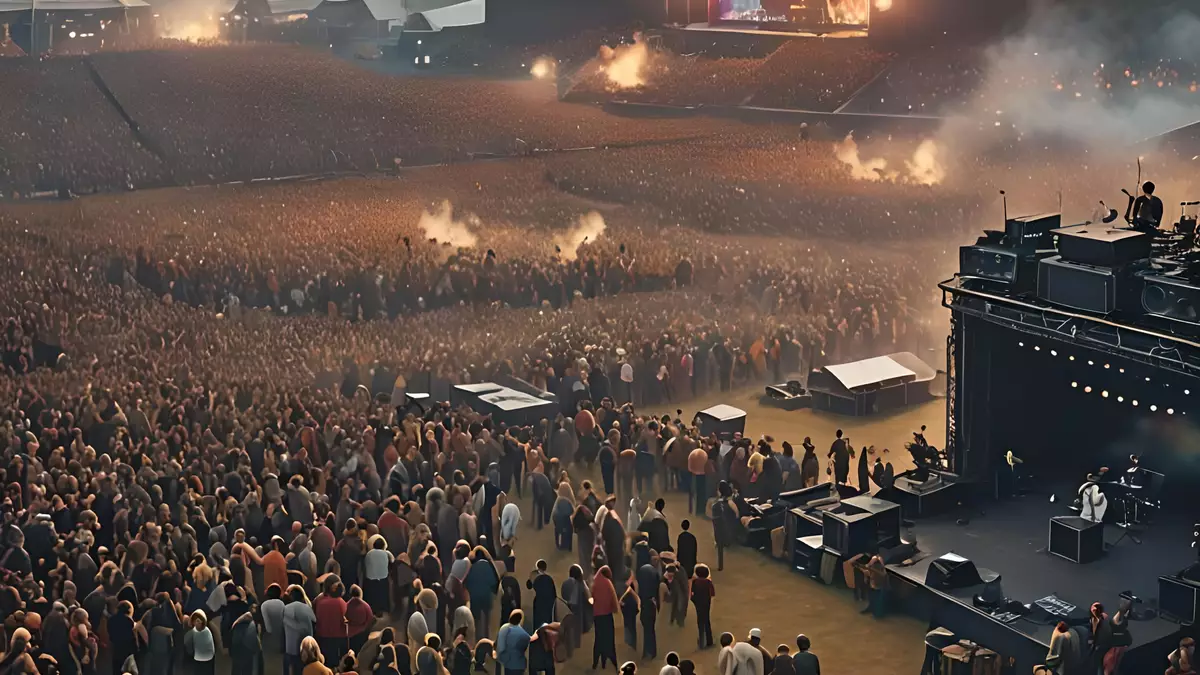
You can feel it if you hang around music TikTok or vinyl Reddit for more than five minutes: Janis Joplin is having a moment again. Gen Z kids are discovering that this wild, raspy voice from the late 60s somehow feels more honest than half the hyper-polished pop in their playlists. Old live clips are racking up new views, bootleg performance audios are spreading in Discord servers, and every few weeks another creator posts: “How did nobody tell me Janis Joplin was like this?”.
Official Janis Joplin site: music, archives, merch
At the same time, labels keep raiding the vaults, festivals keep threading her name into tribute sets, and Hollywood can’t stop whispering about the long-cursed idea of a major Janis Joplin biopic. Even without new studio music, the Janis Joplin story is updating itself in real time – through remasters, anniversaries, documentaries, and a new wave of fans treating her as the original "sad girl" icon who never got to see her own impact.
The Backstory: Breaking News in Detail
There may not be a surprise “lost” album dropping this Friday, but there is a swirl of activity that explains why Janis Joplin is suddenly back in your algorithm. In the last stretch of months, her catalog has been pushed once more into the spotlight with fresh high-resolution remasters on streaming platforms, timed around key anniversaries of her most legendary performances and releases. Labels have understood what fans already know: Janis doesn’t feel like a museum piece. She sounds like someone who could headline a modern rock festival if she walked on stage today.
Recent box sets and reissues have bundled together her work with Big Brother & the Holding Company, her explosive "Cheap Thrills" era, plus solo milestones like "I Got Dem Ol’ Kozmic Blues Again Mama!" and "Pearl". Each cycle of new editions pulls in more listeners who only knew the name from t?shirts and posters. The hook is always the same: you think you know classic rock, then you actually hear Janis.
Industry insiders have been hinting on podcasts and in music press that rights holders are increasingly open to carefully curated new projects: expanded live recordings, documentaries built from never-seen footage, and deeper dives into her studio takes. For fans, that means more context, more stories, more raw tape. For the music industry, it’s also a recognition that Janis is culturally crucial in 2026’s conversations about women in rock, addiction, mental health, and what "authentic" performance really means.
There’s also the persistent drumbeat around a big-screen biopic. Every couple of years the rumor wheel spins: different actresses, different directors, different angles on the story. While nothing concrete has locked publicly this year, the noise has kicked up again via Hollywood trades and insider chatter. The idea is simple: the world is finally in a place where a Janis Joplin movie wouldn’t just be a tragic rock cliché, but a serious, emotionally literate character study for an audience that has already embraced raw, messy, complex women’s stories on TV and in film.
For you as a fan, all of this has real impact. Remasters mean you’re hearing her voice with more clarity and punch than ever. Anniversary features on big outlets make it easier to navigate the discography without getting lost. New documentaries and podcasts give you emotional entry points if you’re coming in from Billie Eilish, Olivia Rodrigo, Phoebe Bridgers, or Amy Winehouse. What’s “breaking” isn’t one isolated press release; it’s that Janis Joplin is re?entering the mainstream culture cycle, not as a relic, but as a reference point for how intense and vulnerable music can be.
The Setlist & Show: What to Expect
Janis Joplin can’t walk on stage in 2026, but her shows are still being experienced in a different way: via official live albums, YouTube uploads, modern tribute concerts, and full-show restorations from festivals like Monterey Pop and Woodstock. If you’re a newer fan, it helps to think of a “typical” Janis set as a controlled explosion built around a few must-play songs, with everything else shifting depending on the band and the era.
Core songs you’ll see over and over in classic setlists and live releases include:
- "Piece of My Heart" – The Big Brother-era anthem that turned heartbreak into a scream-along. Live, she stretched it, shredded it, and tore her voice to ribbons on the last chorus.
- "Summertime" – Her blues-soaked take on the Gershwin standard; slow, humid, and almost painfully intimate, often performed under low light with the crowd holding its breath.
- "Ball and Chain" – Famously performed at Monterey Pop; this one is less a song, more a full-body exorcism. Expect long wails, spoken asides, and that sense that she’s barely holding herself together, in the best way.
- "Cry Baby" – A solo-era highlight, mixing full-throttle belting with almost conversational ad?libs. On live recordings, this often turns into a one?woman therapy session onstage.
- "Me and Bobby McGee" – From "Pearl", released after her death; it’s bittersweet, tender, and strangely free. Crowds often sing along to every word on modern tribute tours.
- "Mercedes Benz" – The a cappella plea to consumer culture and God, recorded in a single take. Onstage, it becomes a communal chant, equal parts joke and prayer.
The atmosphere of a Janis show—reconstructed through audio, shaky 16mm festival footage, and modern tributes—isn’t polished. It’s sweaty, chaotic, and deeply emotional. She laughs mid?verse, tosses in half-slurred monologues about love and loneliness, and then rips into a note that sounds like it should break her lungs. Modern artists chase “crowd connection”; Janis lived in it. You can hear her coaxing the audience, begging them to feel things with her, sometimes scolding, sometimes flirting, always in the moment.
When contemporary bands and orchestras put on Janis Joplin tribute shows, they build their setlists around this energy flow. They usually open with something high-energy like "Combination of the Two" or "Move Over", slide into a bluesy pocket with "Kozmic Blues" or "Try (Just a Little Bit Harder)", and save the big emotional payoffs—"Piece of My Heart", "Cry Baby", "Me and Bobby McGee"—for the climax. The goal isn’t to imitate her note-for-note; it’s to recreate that sense that anything could crack wide open at any second.
For you watching at home or in the back row of a tribute night, expect zero chill. Janis performances work best when they feel close to falling apart. That’s why these shows, and the vintage videos, land so hard in 2026: we’re used to tightly synced light shows and backing tracks. Seeing someone stand there and risk total emotional collapse in front of strangers? That still hits.
What the web is saying:
Rumor Mill: What Fans Are Speculating
Head over to Reddit or scroll through TikTok and you’ll see it: fans treating Janis Joplin like a current artist, not a distant legend. That means theories, arguments, and plenty of wishful thinking.
One recurring thread: would Janis Joplin survive the current music industry? Posters on r/music and r/popheads love to compare her to modern artists who write about pain and self-destruction. Some argue that social media would have crushed her—constant exposure, trolling, hot takes on every bad night. Others push the opposite idea: that she would’ve found a healthier scene with today’s conversations around therapy, rehab, and boundaries. Underneath the debate is a simple truth fans are chewing on: Janis was a human, not just a myth, and her story still feels unnervingly close to what young artists go through now.
Another popular topic: unreleased material and the vault. Any time a label promotes a remastered edition or live set, Reddit spins up with speculation: How many full concerts are still sitting on tape? Are there alternative takes of "Me and Bobby McGee" or "Cry Baby" that could change how we hear them? Hardcore collectors trade notes on bootlegs, soundboard recordings, and rare TV appearances, dreaming of a definitive, "everything in one place" box that actually lives up to the promise.
On TikTok, the vibe is more emotional and less archival. Clips of "Piece of My Heart" and "Cry Baby" get paired with breakup edits, coming-of-age montages, and quiet room POVs. People caption them with lines like "she was doing sad girl rock before sad girl rock" or "if my ex heard this he’d burst into flames". Younger listeners are genuinely shocked at how unfiltered she sounds. No auto?tune, barely any smoothing, just this woman throwing herself into a microphone like the world is ending.
There’s also the eternal biopic casting argument. Every few weeks a new thread goes: Who could play Janis Joplin now? Names from music and film get tossed around. Some fans want a relative unknown with the acting chops to handle the emotional weight and the singing roughness. Others push for a bigger name who could get the project financed and actually made after decades of stalled attempts. Underneath the fantasy casting is a broader fan fear: a movie that flattens her into pure tragedy or gritty cliché. People want her mess, her joy, her dirty jokes, her friendships, the full picture.
Finally, ticket price discourse finds a way in—even when it’s about tribute shows or orchestral concerts built around her catalog. Fans are split: some say paying premium prices for a high-quality, full-band celebration of Janis is worth it, especially when original vintage footage is limited. Others vent that rock tributes are starting to feel like nostalgia cash grabs. But even those rants usually end with some version of: “I’d still go, because hearing "Ball and Chain" live with a real band is something I need to feel once.” That’s the pull she still has.
Key Dates & Facts at a Glance
- Full Name: Janis Lyn Joplin.
- Born: January 19, 1943, in Port Arthur, Texas, USA.
- Died: October 4, 1970, in Los Angeles, California, at age 27.
- Key Band Era: Fronted Big Brother & the Holding Company in the late 1960s.
- Breakthrough Album: "Cheap Thrills" (with Big Brother & the Holding Company), released August 1968.
- Major Solo Albums: "I Got Dem Ol’ Kozmic Blues Again Mama!" (1969) and "Pearl" (released posthumously in 1971).
- Essential Tracks: "Piece of My Heart", "Summertime", "Ball and Chain", "Cry Baby", "Me and Bobby McGee", "Mercedes Benz", "Move Over", "Kozmic Blues".
- Iconic Festival Appearances: Monterey International Pop Festival (1967), Woodstock (1969).
- Famous Posthumous Hit: "Me and Bobby McGee" became a No. 1 single after her death.
- Hall of Fame: Inducted into the Rock & Roll Hall of Fame in 1995.
- Tribute Shows & Musicals: Her legacy has inspired multiple stage productions and tribute tours built around her songs and story.
- Signature Style: Raspy powerhouse vocals, improvisational phrasing, and deeply emotional, blues-driven rock.
- Cultural Status: Widely considered one of the defining female rock singers of all time and a central figure in the 1960s counterculture.
FAQ: Everything You Need to Know About Janis Joplin
Who was Janis Joplin, in plain language?
Janis Joplin was a singer who made rock and blues feel like a confession. Born in small-town Texas, she grew up feeling like an outsider—too loud, too weird, too intense for the space she was in. When she moved into the San Francisco scene and joined Big Brother & the Holding Company, everything clicked. Her voice, which sounded almost wrong by traditional standards—gritty, cracked, explosive—turned out to be exactly what that era needed. She sang like she was fighting for her life, and that energy turned her into a legend in just a few years.
What makes Janis Joplin’s voice so special?
Technically, you could talk about her phrasing, her power, the way she slid between notes and bent them like a blues veteran. But fans don’t fall in love with Janis because of technique stats. They fall for the way she sounds like she’s risking something every time she opens her mouth. There’s no emotional filter. On songs like "Cry Baby" or "Ball and Chain", you can hear her voice tear at the edges, and that roughness makes the performance feel more human, not less professional. In a world where a lot of vocals are tuned to perfection, Janis feels like the opposite of safe. That’s her magic.
Where should a new fan start with Janis Joplin’s music?
If you’re just stepping into her world, a good starter path looks like this:
- Begin with "Piece of My Heart" to get the full-force rock side of her voice.
- Then hit "Me and Bobby McGee" to understand her softer, storytelling side.
- Listen to "Summertime" for the smoky blues vibe and slow-burn drama.
- Add "Mercedes Benz" to hear how she could turn a simple a cappella moment into something iconic.
After that, go for full albums. "Cheap Thrills" captures the wild, garage-psych energy. "Pearl" is tighter, more focused, and shows how far she’d come as an artist in a short time. Streaming platforms and the official site help you navigate, but honestly, there’s no wrong door in.
When did Janis Joplin die, and what happened?
Janis Joplin died on October 4, 1970, at age 27, in Los Angeles. The cause was a heroin overdose, with alcohol also in the mix. She was in the middle of recording "Pearl", the album that would become both a career peak and a goodbye note. The timing folded her into what people later called the "27 Club"—the cluster of major artists who died at that age. For modern fans, her death isn’t just rock trivia. It connects directly to ongoing conversations about fame, addiction, depression, and how little support systems there used to be for artists living on the edge.
Why is Janis Joplin so important for women in rock?
Before Janis, most women in mainstream rock and pop were expected to fit narrow boxes: polished, controlled, pretty in a safe way. Janis walked on stage in feather boas and beads with a voice that sounded like it had been dragged through every bar in America, and she refused to apologize for it. She didn’t try to be "ladylike" onstage. She got sweaty, she shouted, she cried, she made dirty jokes. That raw visibility cracked something open.
Modern artists—from punk vocalists to indie singer-songwriters—often cite her as a proof point that women don’t have to sand down their edges to be powerful. She made it normal to sound raw, to be emotionally messy, and to take up space as a bandleader instead of just a featured voice.
What is Janis Joplin’s legacy in today’s music culture?
In 2026, Janis Joplin sits right beside artists like Amy Winehouse, Kurt Cobain, and Nina Simone when people talk about singers who gave everything and paid a high price. Her influence shows up sonically—in gravelly vocal styles, in blues-rock revivals—and emotionally, in how younger artists talk about turning personal pain into performance without faking it.
She’s also become a reference point in online convos about authenticity. Any time people complain about music feeling too safe, too sanitized, someone posts a clip of Janis wailing at Monterey or tearing into "Ball and Chain" and writes “this is what I mean.” That’s her legacy: not just a handful of great songs, but a universal standard for how real a performance can feel.
How can fans today connect deeper with Janis Joplin beyond the hits?
If you’ve already looped the obvious tracks, there’s a lot more to dive into. Live albums and archival releases show the improvisational side of her voice. Interviews and letters reveal her insecurities: how she felt about love, about her looks, about trying to prove herself. Documentaries and books add context about the pressures of the era, the sexism she faced, and the way she used the stage as both escape and confrontation.
For many fans, the deeper you go, the more Janis stops feeling like a distant icon and starts feeling like someone you might’ve known: a chaotic, big-hearted friend trying to outrun her own demons with music. That’s why her story still lands so hard in 2026—and why her songs keep finding new ears every single year.


