
Why Janis Joplin Still Feels Shockingly Now in 2026
Published on 03/02/2026 at 04:05 | Editorial responsibility: Rafael Müller, Editor-in-Chief AD HOC NEWS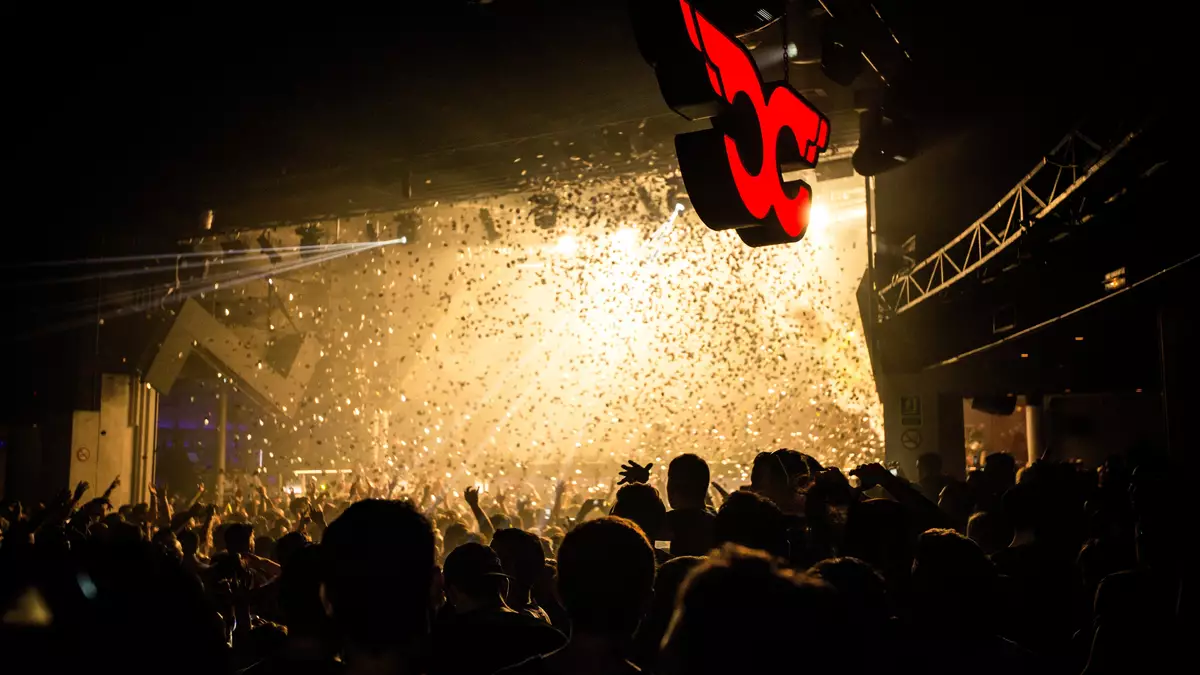
If you’ve scrolled music TikTok or landed in a late?night YouTube rabbit hole lately, you’ve probably noticed something unexpected in between Olivia Rodrigo, Noah Kahan, and Lana edits: the raw, ragged, absolutely unfiltered howl of Janis Joplin. More than 50 years after her death, her name is suddenly back in your algorithm, on new playlists, and in festival rumor threads like it never left.
Explore the world of Janis Joplin on the official site
For a generation raised on hyper?polished pop and Auto?Tune perfection, Janis hits different. She screams. She cracks. She misses notes. And somehow that chaos feels more honest than half the songs sitting at No. 1 right now. Add in new biopic talk, premium vinyl drops, and a wave of Gen Z creators discovering her for the first time, and you’ve got a full?blown Janis Joplin moment brewing in 2026.
The Backstory: Breaking News in Detail
There’s no brand?new Janis Joplin studio album in 2026, obviously. She died in 1970 at just 27. But what is happening right now is a cluster of moves that, together, explain why she’s suddenly back in the wider music conversation.
First, estate?approved projects keep her name active and algorithm?friendly. In the past few years, there’s been a steady push of remastered catalog releases and curatorial playlists on major platforms. Classic albums like Cheap Thrills (1968), I Got Dem Ol’ Kozmic Blues Again Mama! (1969), and Pearl (released posthumously in 1971) have received high?resolution remasters and deluxe digital editions, making them easier to drop into new?school listening habits instead of just living on your parents’ dusty shelves.
On top of that, a fresh biopic rumor cycle refuses to die. For years, Hollywood has circled the idea of a major Janis Joplin film—different directors, different actresses, endless “in development” status updates. In 2026, industry chatter has picked up again around a prestige, music?heavy project centered on her final years, with streaming platforms reportedly sniffing around for rights to performance footage and music licensing packages. Even without final confirmation, that kind of buzz fuels think?pieces, fan casting threads, and renewed curiosity about who she really was beyond the tragic 27 Club headline.
At the same time, the vinyl boom keeps pulling younger listeners backward in time. Record?store kids talk about first?press copies of Pearl like Holy Grails, and labels keep pushing represses with upgraded packaging, colored vinyl variants, and liner?note essays framing Janis through a 2020s lens—mental health, addiction, gender, and stage power. For fans who found her through 10?second TikTok edits, dropping a needle on "Me and Bobby McGee" or "Cry Baby" and hearing that full?body wail is a genuine religious experience.
Then there’s the algorithm. Janis’s biggest hits slot perfectly into the kind of moody, emotionally wrecked playlists that dominate streaming—"late night driving," "sad girl classic rock," "screaming in the car," "feminine rage." Once one of her songs hits a viral edit, the platforms do the rest. People duet her vocals, stitch old Monterey Pop clips into new content, and use her as shorthand for the feeling of being too much in a world that still wants women to shrink.
All of this adds up to a subtle but real shift: Janis Joplin isn’t just a name you memorize for a rock?history exam. She’s re?entering the culture as an artist you feel in real time, in the same emotional group chat as Billie Eilish, Phoebe Bridgers, and Florence + The Machine—just with a lot more cigarette smoke and whiskey in the mix.
The Setlist & Show: What to Expect
Janis Joplin can’t walk onstage in 2026, but her shows are far from gone. Her legacy now lives through archival releases, tribute tours, hologram chatter, and full?album live recreations where younger artists step into her songs—never as impersonators, but as translators.
So what would a modern Janis?coded setlist look like if you walked into a theater or festival slot tonight? Start with the anchors that never leave fan discussions:
- "Piece of My Heart" – The Big Brother & the Holding Company era stomper, originally from Cheap Thrills. This is the track that burns through generations. Every cover band, every tribute show, every bar with a decent PA system treats it like a rite of passage.
- "Cry Baby" – From Pearl. A slow?burning vocal workout that starts tender and ends in full?blown meltdown. Modern singers gravitate to it on talent shows and YouTube because it leaves nowhere to hide.
- "Me and Bobby McGee" – Her only No. 1 single in the US, released after her death. Structurally simple, emotionally wrecked. It tends to close tribute sets, partly because there’s nowhere to go after that final, ragged "La?la?la" outro.
- "Mercedes Benz" – A cappella, sarcastic, and brutally short. In a live context, this is where a crowd drops phones and actually listens.
- "Ball and Chain" – Famously performed at Monterey Pop in 1967. Any tribute show that dares touch this song is asking the audience to feel crushed—in the best way.
Archival live albums give us a strong blueprint for how those nights used to feel. On releases like Janis Joplin In Concert or the expanded Monterey and Woodstock sets, you can hear how she structured an emotional arc: blues standards like "Summertime" or "Down on Me" early on, then deeper cuts and explosive peaks with "Ball and Chain" or "Piece of My Heart" later in the set, all threaded by her rambling, funny, often vulnerable stage banter.
Modern productions built around her music tend to lean into that emotional journey. Expect muted lighting and slow?motion projections of 60s footage during the quieter numbers, then full color overload, strobes, and crowd?wide singalongs on the big choruses. Musically, bands often beef up the arrangements—thicker horns, heavier drums—to meet 2020s volume expectations while keeping that rough bar?band energy alive.
And yes, there’s always the hologram question. In theory, Janis is prime hologram material: iconic visuals, rabid fans, great boots. In reality, her appeal is rooted in unpredictability and imperfections. It’s hard to code that into a pre?rendered digital show. That’s why most current events stick to live human vocalists channeling her songs instead of trying to resurrect her image as a cool tech flex.
If you walk into a Janis?focused night in 2026, here’s the emotional forecast: some laughter as the MC or singer jokes about heartbreak, a lot of head?thrown?back screaming on the big choruses, a few people quietly crying during "Little Girl Blue" or "A Woman Left Lonely," and a wave of strangers hugging it out when the lights come up. It might be marketed as a tribute, but the experience feels more like group therapy with a killer soundtrack.
What the web is saying:
Rumor Mill: What Fans Are Speculating
On Reddit and TikTok, Janis Joplin discourse in 2026 is surprisingly loud for someone who never had a FYP in her lifetime. The speculation breaks into a few big threads.
1. The eternal biopic question. Every few months, a new rumor pops up: this A?list actress is “in talks,” that indie director is "circling," a major streamer has "shown interest." Fans on r/music and r/OldSchoolCool love to fantasy?cast it. Dua Lipa, Miley Cyrus, Lady Gaga, Florence Welch, even unknown theater actors with raspy voices get thrown into the mix. The debate usually splits into two camps: people who want a perfect impersonation versus people who think any attempt to copy Janis is doomed and the film should focus on emotional truth instead.
2. Would Janis have survived the internet? A huge TikTok discussion plays with the idea of Janis as a 2026 artist. Would she get canceled for being messy and unfiltered? Or would she be the blueprint for chaotic, extremely online rock girls? Some creators argue she’d lean straight into it—posting blurry rehearsal videos, turning breakdowns into songs in real time, and ranting on live streams. Others think the pressure of always?on scrutiny might have intensified the struggles she already had with addiction and self?worth. Either way, the question hits because it’s really about today’s artists too.
3. The "too much" girl discourse. On Instagram and TikTok, edits of Janis screaming into a mic are soundtracked by captions like "When they say you’re too emotional" or "For the girls who’ve been told to calm down since birth." She’s being canonized as an early patron saint of maximal emotion—what some users call "feral feminine energy." That framing pulls her into current feminist conversations: how much space women are allowed to take up onstage, how angry they’re allowed to sound, and who gets labeled "unprofessional" versus "rock & roll."
4. Ticket?price drama, legacy?edition. Any time a high?priced heritage or tribute show hits Ticketmaster, someone on Twitter (X) asks, "What would Janis think of this?" Considering she came from bar gigs and hippie festivals without dynamic pricing, fans love to imagine her opinion on $300 nostalgia seats. It’s become a meme reply under ridiculous service?fee screenshots: a grainy Janis pic with a caption like, "Girl, we did not hitchhike to Woodstock for this."
5. Vault dreams. Hardcore collectors fuel another rumor stream: the idea that there’s still a hidden stash of studio demos or board tapes that could be cleaned up and released. While some live recordings and alternate takes have surfaced over the years, fans cling to the hope of a pristine, never?heard?before session where Janis tries a completely different vocal approach, or tears through an unreleased blues cover. Whether that’s realistic or not, the belief that "there’s more out there" keeps the community hunting.
Underneath all the memes and hot takes, there’s a serious through?line: today’s fans see a lot of their own emotional chaos in Janis. They speculate not just to gossip about a dead rock star, but to process their own relationship with fame, mental health, and the pressure cooker of always needing to perform a curated self. Janis—loud, messy, heart?on?sleeve Janis—becomes a kind of avatar for saying, "What if I stopped faking it?"
Key Dates & Facts at a Glance
- Birth: Janis Lyn Joplin was born on January 19, 1943, in Port Arthur, Texas, USA.
- Breakthrough era: Joined Big Brother & the Holding Company in 1966 and exploded onto the wider scene after the Monterey Pop Festival performance in June 1967.
- Classic albums:
- Cheap Thrills – Released August 1968 (credited to Big Brother & the Holding Company featuring Janis Joplin).
- I Got Dem Ol’ Kozmic Blues Again Mama! – Released September 1969 (her first solo album with the Kozmic Blues Band).
- Pearl – Released January 1971 (posthumous album recorded with the Full Tilt Boogie Band).
- Signature songs: "Piece of My Heart," "Me and Bobby McGee," "Cry Baby," "Mercedes Benz," "Ball and Chain," "Summertime," "Down on Me."
- Woodstock: Performed at the Woodstock Music & Art Fair in August 1969.
- Chart success: "Me and Bobby McGee" reached No. 1 on the Billboard Hot 100 in 1971, months after her death.
- Death: Died on October 4, 1970, in Los Angeles, at age 27, becoming one of the central figures in the so?called "27 Club."
- Hall of Fame: Inducted into the Rock and Roll Hall of Fame in 1995.
- Grammy recognition: Received a Grammy Lifetime Achievement Award in 2005.
- Official hub: The estate?curated portal for news, history, and catalog information is available at the official site at janisjoplin.com.
FAQ: Everything You Need to Know About Janis Joplin
Who was Janis Joplin in one sentence?
Janis Joplin was a Texas?born singer who crashed into the late?60s rock scene with a cracked, blues?soaked voice and a vulnerability so intense that it reshaped what a woman on a rock stage was allowed to sound like.
She didn’t fit neat boxes. She loved old blues records, sang like a gospel preacher having a breakdown, dressed in thrift?store layers, and fought hard against the "pretty, quiet girl" expectations of her small hometown. Instead of smoothing out the rough edges, she turned them up and made them her brand.
What made Janis Joplin’s voice so unique?
Technically, Janis did all the "wrong" things your vocal coach warns you about: scream?level belts, gravel, pushed chest voice, pitch that flirted with danger. But emotionally, that’s exactly why people still talk about her in 2026.
She was deeply influenced by blues and soul singers like Bessie Smith and Otis Redding, and you can hear that lineage in the way she drags vowels, bends notes, and turns a single word into a whole collapsing universe. There’s very little separation between her feelings and her sound—if she’s angry, you hear the growl; if she’s broken, you hear the break. Modern vocal production often edits those imperfections out. Janis made them the main event.
That’s why her live recordings hit harder than many polished studio cuts. On songs like "Ball and Chain" from Monterey Pop, there are moments where you can practically hear her voice fraying in real time. Instead of backing off, she leans in. That risk?taking is something a lot of Gen Z alt and indie singers are trying to reclaim now.
Where should a new listener start with Janis Joplin?
If you’re Janis?curious and don’t want to start with deep cuts, this path works for most people:
- Step 1 – The essentials: Queue up "Piece of My Heart," "Me and Bobby McGee," and "Cry Baby." If those three don’t move you even a little, Janis might not be your person—and that’s okay.
- Step 2 – The live fire: Watch a performance of "Ball and Chain" from Monterey Pop on YouTube. Don’t just listen; look at her body language, her eyes, the way she seems to physically wrestle with the song.
- Step 3 – A full album: Spin Pearl front to back. It’s concise, emotionally varied, and sequenced like a proper experience.
- Step 4 – The rougher side: Once you’re in, dive into Cheap Thrills for the louder, scrappier Big Brother era.
Streaming platforms also host curated "This Is Janis Joplin" or "Essential Janis" playlists, which are solid all?killer?no?filler intros.
When did Janis Joplin become a major influence on later artists?
The influence started almost immediately after her death. 70s rock and blues?rock singers took notes from her unpolished power; 80s and 90s alt and grunge artists (think Courtney Love or even Chris Cornell in his most feral moments) inherited that idea that ugly, broken sounds can be beautiful onstage.
By the 2000s and 2010s, Janis became a reference point for talent?show contestants trying to prove they were "real" singers—sometimes to cringe?y effect, but always because she signaled authenticity. Now, in the 2020s, her influence shows up more in attitude than imitation. You can feel her in artists who refuse to sand down their voices, who lean into sobbing?through?the?mic honesty, and who build live shows around emotional extremes instead of flawless choreography.
Why does Janis Joplin resonate so strongly with Gen Z and Millennials?
Two big reasons: emotional transparency and outsider energy.
First, she doesn’t hide how messy she feels. In an era where people post TikToks crying in their cars, a singer who’s openly trembling, shouting, and breaking onstage feels strangely current, not dated. There’s no filter. No pretty?crying. Just pure, blown?out feeling.
Second, Janis grew up as the bullied, weird kid who didn’t fit small?town standards of femininity. She was mocked for her looks, her artiness, her intensity. When she found the San Francisco music scene, she finally saw a world where those exact traits made her powerful. That narrative—of escaping a suffocating environment and reinventing yourself through art—is deeply relatable to kids who leave home, log on, and find their people online instead.
Add in queer and outsider readings of her life, and she becomes a symbol for everyone who’s ever felt like "too much" in the wrong room and "just right" in the right one.
What’s the best way to experience Janis Joplin’s music in 2026?
Honestly: headphones first, then speakers way too loud.
On headphones, you catch the small things—the way she sucks in breath before a huge note, the little cracks when a lyric hits too close, the musicians reacting to her choices in real time. That intimacy makes songs like "A Woman Left Lonely" or "Little Girl Blue" feel like they’re happening inside your chest.
On a good speaker system, you get the physicality. The horns on "Move Over," the drums on "Get It While You Can," the sheer air?moving force of her upper belts. Her music was made for sweaty rooms, not laptop speakers, so if you can run it through a real system—even a mid?range Bluetooth speaker—you’ll feel a different kind of punch.
To go one step further, watch concert footage with friends. There’s something communal about reacting to her performances together, pausing to yell, "HOW is that even her real voice?" half a century later.
Is there an official place to keep up with Janis Joplin projects?
Yes. The official Janis Joplin site, curated in connection with her estate and catalog stakeholders, functions as the main hub for updates on releases, merch, archival projects, and legacy news. You’ll find background on her albums, era?specific photos, and links out to streaming and purchase options.
Pair that with your platform of choice—Spotify, Apple Music, YouTube, or vinyl—and you’re covered on both history and listening. And as new docuseries, biopic news, or special?edition releases surface, that official hub is usually one of the first places to reflect it.
In other words: Janis Joplin might not be "active" in the way today’s stars are, but her world is anything but frozen. In 2026, her voice is still moving, still being discovered, still being argued over—and still, somehow, cutting through the noise like it was recorded yesterday.


