Why James Brown Still Sounds More 2026 Than Ever
07.03.2026 - 17:00:59 | ad-hoc-news.de
You can feel it every time that horn stab drops on a random TikTok edit: James Brown is everywhere again. The Godfather of Soul has been gone since 2006, but in 2026 his voice, his grooves and his DNA are all over the music you love right now. From drill tracks sampling "Funky Drummer" to dancers on Reels trying to nail his footwork, James Brown is having another pop?culture surge — and younger fans are actually digging into the full songs, not just the five?second hooks.
Explore the official James Brown legacy hub
If you’ve only met him through a sample, you’re missing the wildest part: James Brown on stage was chaos, comedy, church, and cardio workout all in one. And that’s exactly why there’s fresh buzz around tribute shows, remastered live albums, and new docs that try to capture what it felt like to be in the room when he shouted "Hit it!" and the band snapped into place.
The Backstory: Breaking News in Detail
Here’s what’s driving the current wave of James Brown hype. Over the past few years, labels and streaming platforms have been quietly rebuilding his catalog for the modern era: remastered albums, expanded live recordings, and curated playlists that show how deeply his music shaped hip?hop, R&B, funk, and even rock. In the last stretch, several high?profile producers and artists have name?checked him again, calling him the blueprint for stage presence and groove.
On top of that, there’s renewed attention on his legendary live recordings. Sets like "Live at the Apollo" and later concert tapes are being pushed into high?resolution audio and featured playlists. The narrative from critics is clear: if you want to understand the energy your favorite artists chase on tour, you study James Brown. Younger fans who grew up on huge LED screens and pyro are discovering a guy who could make a 10?piece band feel like a bomb going off purely with a shout, a spin, and a raised hand.
Music historians and journalists often point to him as a turning point where soul started mutating into funk. It’s not just nostalgia; it’s music education in real time. When artists from Bruno Mars to Anderson .Paak to Kendrick Lamar talk about rehearsal discipline, tight bands, and the value of a killer live show, James Brown’s name keeps coming up. You can hear it in the horns, the call?and?response, and those snare?drum accents that feel like they’re physically pushing you forward.
For fans, the implication is simple: listening to James Brown in 2026 doesn’t feel like homework. It feels like you’re finally meeting the original source for half the sounds that run your playlists. The ongoing reissues and sync placements in movies, series, and ads mean you keep bumping into him without trying. A lot of people discover "I Got You (I Feel Good)" through a mainstream commercial – but then they dig deeper and find "The Payback", "Cold Sweat", "Get Up Offa That Thing", and realize the hits go way beyond the memes.
Behind the scenes, estates and rights holders have been negotiating better visibility for his work and cleaning up older deals. That legal and catalog work doesn’t sound sexy, but the impact is very real: more songs on more platforms, better audio, more licensing, more playlists. That’s why you suddenly notice new cover art popping up on your streaming app and James Brown tracks sneaking into curated editorial playlists labeled things like "Vintage Funk Essentials" or "Roots of Hip?Hop".
All this is pushing listeners toward the same conclusion: James Brown isn’t just old?school. He’s foundational, and once you lock into his groove, a lot of modern music starts making more sense.
The Setlist & Show: What to Expect
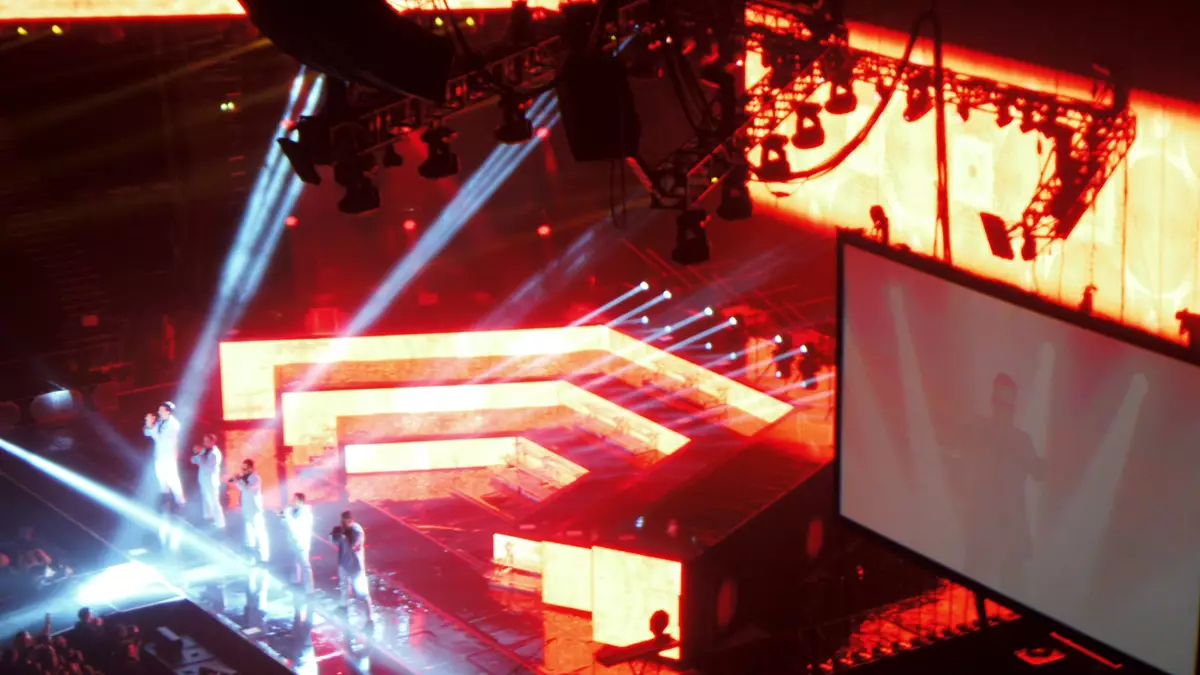
Even though James Brown himself isn’t touring anymore, his live blueprint is alive in tribute shows, all?star concerts, and festival sets dedicated to his catalog. To understand what those nights feel like, you need to look at the classic James Brown show structure — because a lot of current bands still copy the format.
A vintage James Brown setlist was built for constant movement. The band would often kick off with high?energy cuts like "Soul Power" or "Papa’s Got a Brand New Bag", locking into a tight, fast groove that grabbed the room immediately. From there, he’d glide into tracks like "It’s a Man’s Man’s Man’s World" to slow the pace down and milk every ounce of drama out of a ballad. Live recordings from the Apollo and other iconic venues show him stretching those songs with improvised ad?libs, screams, and sudden drops where the band goes silent and the crowd loses its mind.
Then there were the hard?funk workouts. Songs like "Sex Machine", "Get Up (I Feel Like Being a) Sex Machine", "Cold Sweat", "Talkin’ Loud and Sayin’ Nothin’", and "The Payback" would often appear mid?set, used like long, locked?in jams. The drummer would keep that ultra?precise pocket going while the horns stabbed in short bursts. James would ride the groove, barking phrases like "Can we hit it and quit?" or "Give the drummer some!" and cueing solos just by pointing or shouting. It was half musical performance, half athletic competition.
Tribute shows that honor his music today usually copy that arc: a run of bangers and recognizable hits up front, a deep emotional ballad or two in the middle, then a stretch of extended funk cuts that give the band room to explode. Expect to hear anchors like:
- "I Got You (I Feel Good)"
- "Papa’s Got a Brand New Bag"
- "Please, Please, Please"
- "Get Up Offa That Thing"
- "Super Bad"
- "The Payback"
- "Living in America"
Atmosphere?wise, a James Brown?style show isn’t about standing still and politely nodding. Videos and eyewitness accounts talk about non?stop sweat — from the band and the crowd. He used costume changes, cape routines, and fake "I can’t go on" collapses to turn the stage into a mini?theater. Someone would come out and drape a cape over him like he was too exhausted to continue, he’d shuffle toward the wings, then rip the cape off and sprint back to the mic like he’d just been reborn. That ritual shows up in many modern tribute sets, because it never fails to get a roar.
Musically, the key thing to expect is precision. James Brown is famous for fining band members if they missed cues or came in late. That discipline gave his shows a snap that still feels modern. So any band covering his material properly in 2026 is typically loaded with top?tier players who know how to hit hard on the one, keep the groove minimal, and leave space for the vocal to slice through.
In club venues, that energy translates into shoulder?to?shoulder crowds shouting "Hey!" on command and trying to copy his spins and drops. At festivals, his songs often serve as the big communal sing?along moments that reset the vibe between more electronic?heavy acts. Even if half the crowd only knows the chorus to "I Feel Good", the hooks are so strong that everyone’s on board by the second repeat.
What the web is saying:
Rumor Mill: What Fans Are Speculating
Online, the James Brown chatter in 2026 hits a few main threads: samples, biopics, and the eternal debate over who really carries his torch on stage.
On Reddit, especially in music and hip?hop communities, fans keep a running list of modern tracks that borrow from James Brown cuts. "Funky Drummer" remains a giant talking point — producers still flip Clyde Stubblefield’s drum pattern, and every time another artist uses a close variation, someone pops up to say, "James Brown invented this groove." Some users argue that the constant sampling is a tribute; others think younger listeners never get pushed to hear the original full songs, only the chopped loops.
There’s also recurring speculation about new film and documentary projects. After earlier biopics and docs, fans wonder whether a long?form streaming series will dig deeper into the full story: the genius, the controversies, the band politics, the civil?rights era context. Whenever a new music doc goes viral, a fresh thread appears: "Okay, but when are we getting the definitive James Brown series?" Cast?wishlist debates pop off too, with people throwing out names of actors and musicians who could possibly match his intensity on screen.
Then there’s the vibe debate: Who is the modern James Brown? TikTok clips show side?by?side edits of Brown and current performers doing splits, spins, and mic?stand tricks. Some fans argue for Bruno Mars and Anderson .Paak when they perform together, especially around the tight suits and slick choreography. Others point to artists like Beyoncé for sheer discipline and show?running, or to certain rappers who command a stage with call?and?response in a similar way. The comments usually settle on the same truth: nobody fully replaces James Brown, but a lot of artists borrow pieces of his playbook.
Ticket price discourse sneaks in too, especially around big funk or soul revival tours that lean heavily on James Brown’s catalog. Whenever a tribute tour announces premium packages, fans bring up how, in his era, seeing him rip a tiny theater or club didn’t require selling a kidney. At the same time, there’s respect for the size of the bands needed to pull off those horn sections now; a real funk outfit with multiple horns, backup singers, and a full rhythm section isn’t cheap to tour.
On TikTok and Instagram, the rumors tend to be more playful. People post "my granddad said he saw James Brown do this in ’68" storytimes, or share grainy VHS uploads that get treated like rare artifacts. Dance challenges based on his footwork – knee drops, shuffle steps, sudden freezes – bring him to a whole new generation that doesn’t immediately clock who they’re copying. Then somewhere in the comments, someone writes, "You know this is James Brown, right?" and the rabbit hole opens.
There’s also a growing mini?movement of musicians on social platforms doing "Recreating a James Brown groove in 60 seconds" videos. Drummers break down the "on the one" feel, bassists show how simple, repetitive lines can be hypnotic, and horn players explain why those short, sharp hits feel so powerful. All of that content feeds the rumor mill in a good way: people start asking if we might see more official stems, remix projects, or even sanctioned sample packs tied directly to his catalog.
Key Dates & Facts at a Glance
- Birth: James Brown was born on May 3, 1933, in South Carolina, USA.
- Debut recordings: His early breakthrough recordings with The Famous Flames arrived in the mid?1950s, setting up his move into soul stardom.
- "Please, Please, Please" era: Released in 1956, this track became one of his signature early hits and a staple of his live shows for decades.
- "Live at the Apollo": Recorded in 1962 and released in 1963, this live album is often cited as one of the greatest live records in music history.
- Funk revolution: Late 1960s singles like "Cold Sweat" (1967) and "Say It Loud – I’m Black and I’m Proud" (1968) helped define funk and tied his music to social commentary.
- 1970s peak funk era: Tracks such as "Sex Machine", "Super Bad", and "The Payback" cemented his role as the architect of funk grooves that later powered hip?hop.
- Sampling legacy: Drummers Clyde Stubblefield and Jabo Starks, from James Brown’s bands, became some of the most sampled drummers in hip?hop history.
- Rock & Roll Hall of Fame: James Brown was among the very first group of artists inducted into the Rock & Roll Hall of Fame in 1986.
- Later?era hit: "Living in America" became a major hit in the mid?1980s and pulled him into a new MTV?era audience.
- Passing: James Brown died on December 25, 2006, in Atlanta, Georgia, but his catalog and influence continue to expand across genres.
- Global influence: His grooves have been adapted in everything from American hip?hop to British acid jazz and European funk revival scenes.
- Streaming impact: His best?known tracks consistently appear on funk, soul, workout, and "roots of hip?hop" playlists on major platforms.
FAQ: Everything You Need to Know About James Brown
Who was James Brown, in simple terms?
James Brown was a US singer, bandleader, and performer often called the "Godfather of Soul" and a key architect of funk. If you strip away all the titles, he was the guy who turned rhythm into the star of the show. Instead of floating over the beat, he became the beat — shouting, grunting, and slicing through the groove with a voice that felt like a drum hit. He led tight bands that could stop and start on a dime, and he built a decades?long career off raw energy and discipline on stage.
His work sits at the crossroads of soul, gospel, rhythm and blues, and what became modern funk. You hear his influence in hip?hop producers, pop front?people, R&B singers, and even rock acts who chase that sense of urgency and showmanship. To many musicians, he represents the moment when live bands turned into machines built for groove above everything else.
What are James Brown’s essential songs if I’m just starting?
If you’re new to James Brown and want a crash course, start with the tracks that show his range. For pure joy and instant recognition, go with "I Got You (I Feel Good)" and "Papa’s Got a Brand New Bag" — both showcase his punchy phrasing and horn?driven hooks. To hear the shift into funk, hit "Cold Sweat", "Sex Machine", and "Super Bad"; these songs put huge weight on the rhythm and short, repeated riffs.
For emotional depth, play "It’s a Man’s Man’s Man’s World" and "Please, Please, Please", where he leans into dramatic, almost theatrical vocals. If you want to hear the crossover into social commentary, "Say It Loud – I’m Black and I’m Proud" captures the late?1960s energy of empowerment and protest. And if you prefer something more 1980s and polished, "Living in America" gives you his voice in a slick, arena?rock context.
Why do producers and drummers obsess over James Brown’s grooves?
Producers and drummers love James Brown because his records are like masterclasses in rhythm. He pushed his bands to play with laser?sharp timing and stressed hitting "on the one" — the first beat of the bar. That emphasis made his music feel heavier and more grounded, which turned even simple patterns into something that grabbed your body instantly.
Drum breaks from songs tied to his band — especially "Funky Drummer" and parts of "Cold Sweat" and "Give It Up or Turnit a Loose" — became some of the most sampled moments in hip?hop. Those beats are clean, tight, and leave room for rappers or vocalists to move around. Producers keep going back to them because they’re both familiar and endlessly adaptable. For anyone learning to make beats, studying his tracks is like learning the root language of groove.
How did James Brown change live performance?
James Brown treated the stage like both a battlefield and a church. He demanded perfection from his bands, reportedly fining musicians for missed notes or sloppy entrances. That pressure turned his shows into high?stakes events where everyone was locked in. He used tight choreography, matching suits, and rehearsed routines so the band looked as sharp as they sounded.
At the same time, he was fearless about show. He slid across the floor, spun, dropped into splits, and used dramatic cape routines to extend songs and play with the crowd’s emotions. Modern artists who mix choreography, costume changes, call?and?response, and band cues — from stadium pop stars to funk revival acts — all borrow from that approach, whether they admit it or not. He proved that a concert could be more than a recital of songs; it could be a full narrative with peaks, fake endings, and surprise returns.
Where should I start: studio albums or live recordings?
If you care about songwriting and production, studio albums are a great entry point. Records from the late 1960s and 1970s show how he structured grooves and arranged horns, and you can really hear the evolution from soul to funk. But if you want to understand why people who saw him live never stop talking about it, go straight to the live albums.
"Live at the Apollo" is usually the first recommendation because it captures his hunger, his connection with the audience, and how a tight band can amplify a simple idea into something explosive. Later live recordings show longer, harder funk workouts, where songs stretch and morph as he pushes the band. For many fans, once they’ve heard him live on record, the studio versions start to sound like blueprints rather than the final word.
When did James Brown become such a big deal for hip?hop?
His impact on hip?hop really crystallized in the 1980s and 1990s, when early DJs and producers started looping drum breaks from funk and soul records. James Brown’s catalog, especially the grooves played by his drummers and rhythm sections, turned into a goldmine. You can trace a huge percentage of classic rap tracks back to James Brown samples, whether it’s a full break, a horn stab, or a tiny vocal grunt.
As hip?hop grew into a global force, that influence multiplied. New waves of producers discovered the same records and found new ways to chop them. Even now, modern artists either sample him directly or use drum machines and plug?ins designed to mimic the feel of those original breaks. That constant recycling keeps his sound in the culture, even for listeners who don’t realize they’re hearing James Brown’s shadow in a new track.
Why does James Brown still matter in 2026?
James Brown matters in 2026 because the things he obsessed over — groove, timing, energy, crowd control — are still the things that separate a decent track from a classic and a basic show from an unforgettable one. When you watch a modern artist command a festival crowd, lead a chant, cut the band suddenly, and bring them back in on a perfectly timed drop, you’re watching techniques that trace straight back to his era.
On top of that, his music just feels good. In a world flooded with hyper?polished, algorithm?friendly sounds, there’s something refreshing about raw, live band power. Play "Get Up Offa That Thing" or "Super Bad" at a party in 2026, and the reaction is the same as it was decades ago: people move. That durability is why younger listeners keep rediscovering him and why platforms and curators keep resurfacing his work for new generations.