Why James Brown Still Owns Every Dancefloor
Published on 03/08/2026 at 15:00 | Editorial responsibility: Rafael Müller, Editor-in-Chief AD HOC NEWS
You can feel it before you even press play: that itchy, restless energy that makes you want to move. Even decades after his heyday, James Brown is still popping up in TikTok dances, HBO soundtracks, and DJ edits at 3 a.m. warehouse parties. Type "James Brown" into any platform and you fall into a rabbit hole of live clips, breakbeats, and mind-blowing crowd reactions. The Godfather of Soul isn't just a history lesson – he's wired into how you hear pop, rap, and R&B right now.
Explore the official James Brown world
If you've ever hit a club and lost it when a DJ drops a familiar horn stab or a filthy drum break you can't quite place, there's a solid chance you were dancing to a James Brown sample without even knowing it. And that's exactly why the buzz around his legacy, reissues, and never-ending influence feels louder than ever.
The Backstory: Breaking News in Detail
So what's actually happening with James Brown in 2026? While he passed away back in 2006, the business and culture around his catalog haven't slowed down at all. Over the last few years, there's been a steady flow of announcements: new box sets, estate developments, high-profile sync deals, and documentaries that keep reshaping how younger fans discover him.
Several major outlets have recently highlighted how the James Brown estate and label partners are leaning hard into the streaming era. Curated playlists, Dolby Atmos remasters, and short-form video edits of classic performances are being pushed onto platforms where Gen Z actually lives. If you've seen viral clips of Brown dropping into the splits in some grainy 70s footage that suddenly looks crisp and cinematic, that's very intentional. The strategy is simple: make a 1968 performance feel like it dropped yesterday.
On the industry side, insiders keep talking about how James Brown remains one of the most sampled artists ever. Those deals and clearances still matter. Every time a modern rapper or producer flips "Funky Drummer" or "The Payback" on a new track, money moves and Brown's name cycles back into credits and conversations. The business implication: his catalog is not a museum piece. It's an active engine in contemporary hip-hop and pop.
For fans, the biggest impact is emotional. Documentary projects and podcast deep dives have been focusing less on the myth of "James Brown the icon" and more on the actual grind: the brutal touring schedules, the obsessive band rehearsals where a missed cue could cost you money, and the wild contrast between his explosive stage persona and complicated personal life. Writers in legacy music mags and newer digital zines are circling around the same idea: you can't fully understand modern performance culture – from Beyoncé's stadium discipline to Bruno Mars's showmanship – without tracing the line back to Brown.
There's also renewed talk of immersive tribute shows and orchestral events built around his music in major US and UK cities. Promoters love the idea of staging a full James Brown night with a big band, rotating guest vocalists, and deep-cut arrangements. Even when you can't have the man himself, you can build live experiences that center his songs and his relentless energy. For younger fans who only know him from samples or a few Spotify hits, these productions become entry points into a much bigger story.
Put simply: the news around James Brown in 2026 isn't about a comeback tour – it's about how a legacy keeps evolving, monetizing, and emotionally connecting long after the artist is gone. And if you care about performance, groove, or dance culture in any way, that matters directly to you.
The Setlist & Show: What to Expect
When people talk about James Brown, they almost always end up talking about the show. The mythology around a classic James Brown gig is wild: no phones in the air, no one standing still, a band drilled to military precision, and a frontman who treated every stage like it might be his last night on Earth.
So what does a "James Brown setlist" even look like, especially for tribute tours, DJ sets, and orchestral homages happening now? Expect the pillars first, the tracks that still control a room:
- "I Got You (I Feel Good)" – The gateway drug. Even if someone doesn't know James Brown by name, they know this hook. It lands early in most tribute shows because it's instant serotonin.
- "Papa's Got a Brand New Bag" – The pivot into that sharp, stuttering funk that changed everything. Live bands love this because the horn hits and breaks are so tight.
- "Get Up (I Feel Like Being a) Sex Machine" – The stretch-out moment. On classic recordings, you hear Brown talk to the band, build the tension, and work the crowd. Modern bands try to recreate that call-and-response chaos.
- "It's a Man's Man's Man's World" – The big dramatic center. Slower, full of raw vocal power. Tribute vocalists usually circle this as the song where they have to leave everything on the stage.
- "The Payback" – Darker, heavier, a little more menacing. Hip-hop heads in the crowd always clock this one immediately.
- "Funky Drummer" – Often not even played as a full song, but the break will show up somewhere. Drummers and DJs treat it like sacred scripture.
In a modern James Brown-themed show, you'll often see the structure follow his original live philosophy: start hot, never let the crowd settle, and only tease rest with ballads before punching back in even harder. Bands will weave in deep cuts like "Mother Popcorn," "Cold Sweat," and "Try Me" to keep older fans happy while giving younger listeners that "wait, I know this from somewhere" feeling.
The atmosphere? Imagine a room where everyone's outfit is a little too hot for the temperature, the band is in matching suits or color themes, and the brass section moves as hard as the front line singers. Back in the day, Brown would fine band members for missed notes or sloppy clothes. While that intensity isn't literally in play now, you can feel the hangover of that standard when a modern funk band does his material. The expectation is zero slack.
For DJs, a James Brown segment in a set is pure weaponry. They'll drop the intro of "The Boss" under a modern trap beat, or loop part of "Get Up Offa That Thing" to turn a lukewarm dancefloor into instant cardio. Because the grooves are so stripped back and precise, they slide into house, jungle, and hip-hop remarkably easily.
If you walk into a James Brown tribute show or a festival slot built around his catalog in 2026, expect:
- A band of at least eight to ten musicians to really do it justice – drums, bass, guitar, keys, at least three horns, and multiple backing singers.
- Choreographed steps and mic-stand tricks, even from younger performers who never saw him live but studied old footage.
- Long medleys instead of strict start-stop song structures, echoing how Brown would keep the energy flowing without awkward resets.
- At least one moment that feels almost spiritual – usually tied to the ballads or a raw, shouted vamp that just refuses to end.
Brown called himself the hardest working man in show business for a reason. Any show trading on his name in 2026 that doesn't leave you sweaty, hoarse, and slightly stunned simply isn't doing its job.
What the web is saying:
Rumor Mill: What Fans Are Speculating
Fan culture around James Brown in 2026 lives mostly online, and it's loud. On Reddit, especially in subs like r/music and r/hiphopheads, the debates pop up constantly: which live era was peak Brown, which drummer nailed the pocket best, and which modern artist actually carries his spirit without just copying the moves.
One recurring theory you see tossed around: that there's still more unreleased James Brown material sitting in vaults – live tapes, studio jams, and rehearsal recordings from the 60s and 70s. Some fans point to offhand comments from former band members over the years about endless tapes rolling during practice and soundcheck. That's fuel for speculation about a possible "lost sessions" release or another massive anthology box set built around raw, unpolished takes.
On TikTok, the conversation looks different. Younger creators aren't arguing about mono vs stereo mixes; they're building dance trends off loops from "Get Up Offa That Thing" or "Cold Sweat." It's common to find sped-up or pitch-shifted edits of his hooks running underneath fashion clips, gym content, or comedy skits. Comment sections fill up with things like "why does this old track hit so hard?" and "someone put me on to more music like this." In real-time, you can watch another generation realize that the grooves driving their feeds come from a guy their grandparents might have seen in person.
Another topic that surfaces often: who's the true heir to James Brown? Some fans swear it's Bruno Mars and Anderson .Paak when they're in Silk Sonic mode – the suits, the steps, the smiles, the tight band. Others argue for Prince as the clearest spiritual successor in terms of discipline, band leadership, and complete control of the stage. Then there's the Beyoncé camp, pointing out how her live shows borrow Brown's philosophy of precision plus sweat, turning pop concerts into near-martial arts.
Of course, not all the chatter is worshipful. Discussions about Brown's legacy almost always brush against his documented personal issues – reports of volatility, run-ins with the law, and complicated relationships. Some Reddit threads wrestle with the big question: how do you dance to the music and sample the breaks while fully acknowledging the human flaws? Younger fans raised in the cancel-culture era are especially vocal about wanting honesty, not sanitized legend-building.
Then there are the nerdier debates: Which exact bar of "Funky Drummer" is the most sampled? Is Clyde Stubblefield (the drummer on that track) the true unsung hero of modern rhythm? Should playlists highlight band members more clearly, not just the frontman? These discussions reflect a broader shift in music fandom – crediting the full ecosystem around a star, not just the face on the album cover.
What ties all this speculation together is hunger. People aren't done with James Brown yet. They want more context, better audio quality on old footage, clearer credit trails for samples, and smart, respectful ways to bring his music into new spaces without turning it into pure nostalgia merch. When an artist's name keeps sparking arguments, memes, and deep-dive threads long after they're gone, it's a sign that the story is still moving.
Key Dates & Facts at a Glance
- Born: May 3, 1933, in Barnwell, South Carolina, USA.
- Died: December 25, 2006, in Atlanta, Georgia, USA.
- Breakthrough Single: "Please, Please, Please" released in 1956 – his first major R&B hit.
- Shift to Funk: Mid-1960s, with game-changing singles like "Papa's Got a Brand New Bag" (1965) and "I Got You (I Feel Good)" (1965).
- Classic Live Album: "Live at the Apollo" recorded October 24, 1962, released 1963 – often cited as one of the greatest live albums ever.
- Key Funk Era Tracks: "Cold Sweat" (1967), "Mother Popcorn" (1969), "Funky Drummer" (recorded 1969, released 1970), "Get Up (I Feel Like Being a) Sex Machine" (1970), "The Payback" (1973).
- Nickname: "The Godfather of Soul" and "The Hardest Working Man in Show Business."
- Influence on Hip-Hop: His drum breaks and horn stabs are among the most sampled elements in rap history, particularly from tracks like "Funky Drummer" and "The Payback."
- Stage Reputation: Known for intense, sweat-drenched performances, signature spins and splits, and strict expectations for his band.
- Official Hub: The site at jamesbrown.com serves as a central point for catalog info, legacy projects, and official updates.
FAQ: Everything You Need to Know About James Brown
Who was James Brown and why does he still matter?
James Brown was a US singer, bandleader, and performer who started in gospel and R&B and ended up helping invent funk – the stripped-down, rhythm-obsessed sound that still fuels modern pop, dance, and hip-hop. You feel his impact in three big ways: the grooves that get sampled endlessly, the standard he set for live performance, and the way he forced rhythm to the front of the mix. Instead of building everything around pretty melodies or harmonies, Brown made the beat the star.
For you, that means a lot of the music you already love is built on his blueprint, even if you've never intentionally listened to a James Brown album start to finish. Producers you follow on TikTok chopping up dusty vinyl? DJs layering old horn hits over drill beats? Pop stars rehearsing intricate band cues and dance breaks? All of that traces back to Brown's approach.
What kind of music did James Brown actually make?
Early on, Brown was rooted in soul and R&B – big voices, emotional ballads, and gospel-influenced shouts. But as the 60s moved on, he started to strip things down. Chords got simpler, rhythms got sharper, and the focus shifted to interlocking parts. Guitar, bass, drums, and horns stopped floating around the melody and started locking into tight, repetitive patterns that made it impossible not to move.
That shift is what we now call funk. Tracks like "Cold Sweat," "Mother Popcorn," and "Sex Machine" sound almost minimal compared to other soul records of the time, but they're devastatingly effective. Each instrument is a piece of the groove, and Brown's voice is another rhythm instrument – grunts, shouts, and commands to the band shaping how the track breathes.
Where should a new fan start with James Brown's music?
If you're coming in fresh and you're used to streaming playlists, start with a strong greatest-hits collection or an official curated playlist from his camp. That gives you the obvious bangers: "I Got You (I Feel Good)," "Papa's Got a Brand New Bag," "Get Up (I Feel Like Being a) Sex Machine," "The Payback," and "It's a Man's Man's Man's World." Listen once just to vibe, then run it back and pay attention to the drums and bass. That's where the magic lives.
Once you're hooked, go straight to Live at the Apollo. It's not just a concert recording; it's a masterclass in crowd control and pacing. You'll hear how Brown keeps tension high, how the band tracks his every move, and why people walked out of those shows feeling like they'd been hit by a truck made of pure adrenaline.
From there, deep dive into the late 60s and early 70s funk era. Albums and compilations from that period – anything highlighting "Cold Sweat," "Mother Popcorn," "Give It Up or Turnit a Loose," and "The Payback" – will show you exactly how his sound fed directly into hip-hop and dance music.
When did James Brown's influence on hip-hop start showing up?
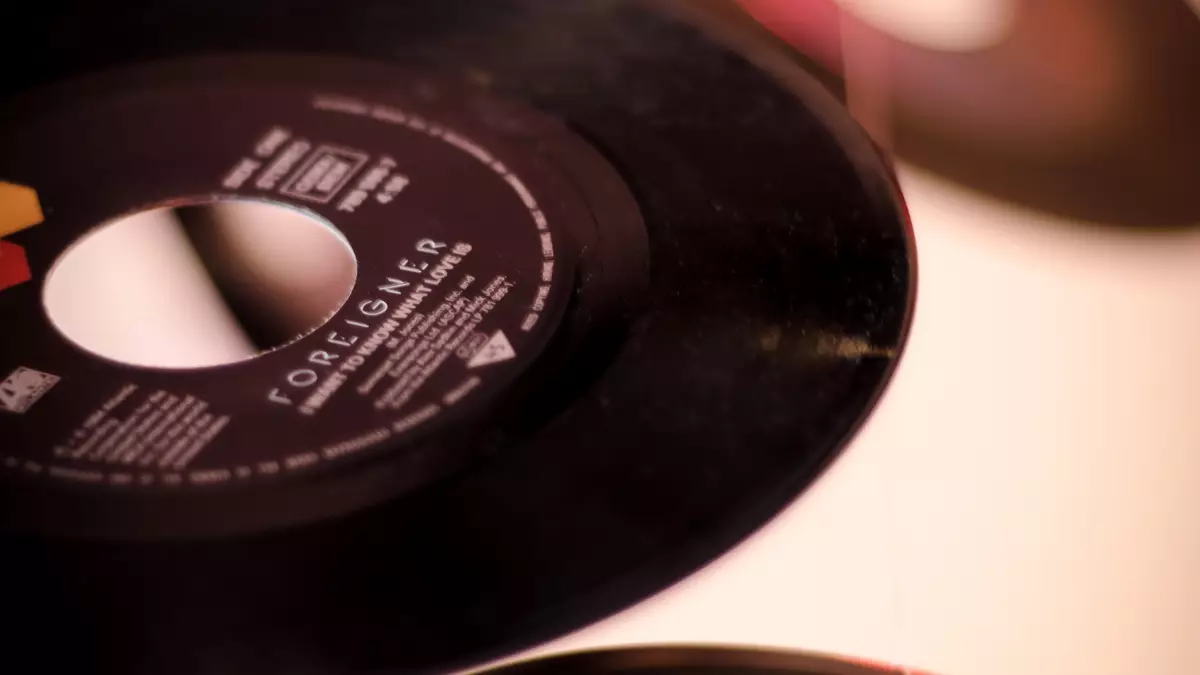
The connection between James Brown and hip-hop kicked in as soon as DJs in the Bronx and beyond started isolating drum breaks from funk records in the 1970s. Those extended percussion sections – especially from tracks like "Funky Drummer" – became the backbone of early rap performances and, later, studio recordings. Producers would loop a few bars of a Brown break and let MCs rap over it.
By the late 80s and early 90s, sampling technology exploded, and James Brown's catalog became a goldmine. His drum hits, vocal shouts, and horn stabs appeared on countless tracks. Even if a modern rap song doesn't literally sample him, you'll feel his fingerprints in the way beats are built: punchy, repetitive, and focused on groove.
Why do people still talk about James Brown as a live performer?
Because he treated the stage like a sport and a sermon at the same time. Brown rehearsed his bands brutally hard. Miss a cue or come in late on a hit and you might get fined on the spot. That intensity translated into shows where everything looked effortless but was actually extremely controlled. Mic tosses, cape routines, dance breaks, and dramatic exits were all part of a choreographed system.
Modern superstars who build full-scale productions – dancers, horns, multiple musical sections, and seamless transitions – are borrowing straight from his playbook. When you watch archival footage of Brown at his peak, it still looks shocking because there's no dead air. No waiting around between songs, no technical sag. Just non-stop energy.
How should fans think about his complicated personal legacy?
Like many groundbreaking artists, James Brown's life was messy. Public records and reporting detail serious issues, including legal problems and troubling behavior in his personal relationships. For a lot of fans, especially younger ones, that creates tension: how do you move to the music and respect the influence while staying honest about the harm?
There isn't one right answer, but the healthiest conversations acknowledge both sides. You can recognize how much he shaped music, dance, and Black cultural pride, while also refusing to romanticize every part of his story. Listening critically – understanding the context and hearing from voices around him, not just his – lets you hold the art and the truth at the same time.
Why is James Brown still all over TikTok, playlists, and movie soundtracks?
Because groove doesn't age. Algorithms reward tracks that make people stop scrolling and start moving, and James Brown records are built exactly for that reaction. Editors, music supervisors, and DJ-creators know that if they drop one of his riffs under a scene or a skit, the energy jumps immediately.
On playlists, his songs act like hinge points – places where curators can shift from old to new, from funk to house, from soul to rap, without losing the thread. In films and series, a Brown track instantly signals attitude, swagger, or emotional weight. Even if viewers don't recognize the artist by name, they feel the shift.
As long as people want music that grabs the body first and the brain second, James Brown stays relevant. The formats and platforms change, but that core instinct – to shout, move, and sweat when the band hits – hasn't gone anywhere.
Disclaimer regarding our articles: No investment advice, no buy or sell recommendation. Information on prices, companies, and markets is provided without guarantee; changes are possible at any time. Stock market transactions can lead to substantial losses. Our articles are created and reviewed in whole or in part automatically with the support of AI.