Why Everyone’s Talking About The Who Right Now
Veröffentlicht am: 28.02.2026 um 07:23 Uhr | Redaktionelle Verantwortung: Rafael Müller, Chefredakteur AD HOC NEWS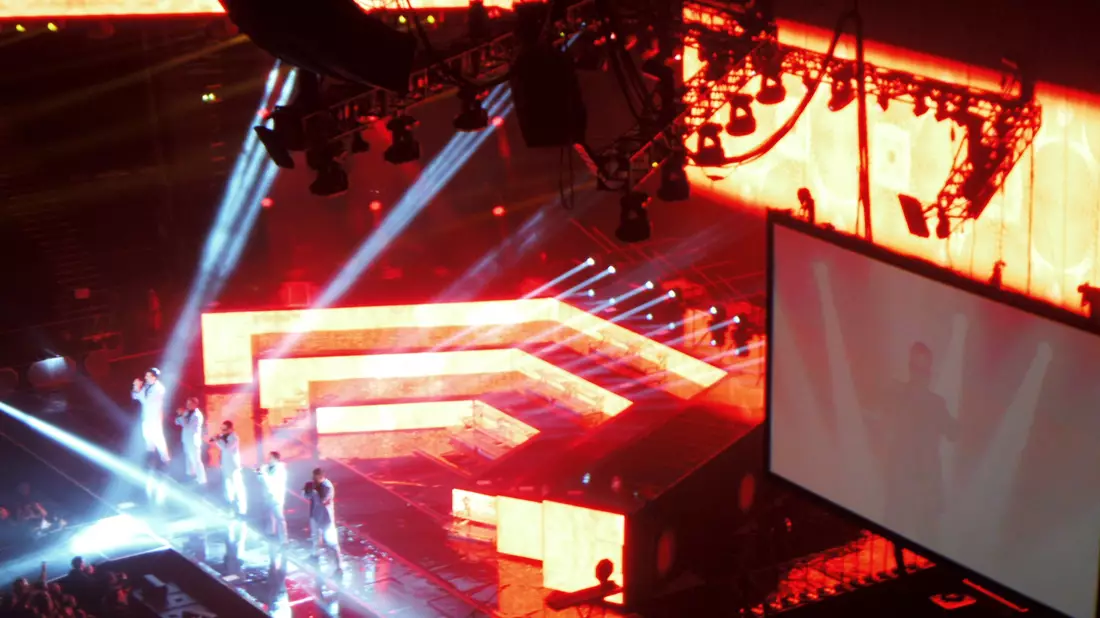
If your feed feels weirdly full of The Who in 2026, you’re not imagining it. A band that helped invent arena rock is suddenly back in the group chat, on TikTok edits, and on wish lists for every classic-rock fan who still hasn’t seen them live. For a lot of people, it’s hitting hard: this could be the last real chance to hear those songs the way they were meant to be heard — loud, huge, and sung by thousands of people at once.
See The Who’s official tour dates and updates
Even without a brand-new studio album on the table, there’s a live buzz building around The Who again — rumored dates, festival whispers, and fans trading screenshots of venue holds and Ticketmaster leaks. Add in anniversary talk around albums like "Who’s Next" and "Tommy", plus younger listeners discovering them through samples, film syncs, and TikTok, and you’ve got the perfect storm: a legacy band suddenly feeling weirdly current.
The Backstory: Breaking News in Detail
So what is actually happening with The Who right now? Officially, the band’s camp has been leaning into the idea of "one more big run" in select territories rather than a never-ending world tour. In recent interviews, Pete Townshend has bounced between saying he’s proud of what they’ve already done and hinting that he still loves the feeling of a real rock show when the band locks in. Roger Daltrey, meanwhile, has been frank about the realities of age and voice, but he’s also said that if the songs can be delivered at the standard fans expect, he’s up for it.
Over the past few years, The Who’s touring model has shifted into two lanes: classic full-band rock shows and those big symphonic nights, where an orchestra plays alongside the group. Recent tours mixed both formats, with shows in major US and UK cities using strings and brass to lift songs like "Baba O’Riley", "Love Reign O’er Me" and "Behind Blue Eyes" into full cinematic moments. Fans who caught those dates have spent months posting clips, and those videos are fuelling a fresh wave of demand.
News-wise, the last stretch has been full of anniversaries and reissues. The massive "Who’s Next/Life House" box set landed recently, pulling back the curtain on Townshend’s abandoned sci?fi concept project, and interviews around that release gave journalists the perfect excuse to ask the big question: are you done, or is there another run? The answers have been careful but not closed. Townshend has said more than once that he doesn’t want to be stuck in the nostalgia business, yet he also acknowledges that people still desperately want to hear these songs played by the people who wrote them.
On the business side, promoters in the US and UK are very aware that the window for a truly authentic Who tour is shrinking. That’s why you’re seeing a spike in rumor posts about arena holds in cities like New York, Los Angeles, Chicago, London, Manchester, and Glasgow. Even if not all of them become real shows, the fact that their name is still in that conversation is significant. A band formed in the early 60s is still able to spark serious promoter interest in 10,000+ capacity rooms — that alone explains why fans are watching every update from the official tour page and from industry insiders on social.
For fans, the implications are emotionally heavy but exciting. If you’ve never seen The Who, any new dates might be your last realistic chance. If you’ve seen them before, you’re already telling yourself you don’t need to go again — while quietly checking flight prices in another tab. And for Gen Z and younger millennials who grew up hearing these songs through their parents or in movie soundtracks, there’s a sense of wanting to tick a cultural box: witness "Won’t Get Fooled Again" live before it fades from the touring world for good.
The Setlist & Show: What to Expect
Setlist-wise, The Who have been surprisingly consistent over the last few touring cycles, with just enough movement to keep hardcore fans happy. If you’re watching the rumors and thinking about grabbing tickets, here’s the reality: you’re not going to get a deep-cut-only night, but you are going to hear the songs that made them legends, loud and in your face.
Recent shows have almost always opened with a hard-hitting run through "Who Are You" or a pair of early?era tracks like "I Can’t Explain" and "The Seeker" to get the room warmed up. The energy jump from the recorded versions to the live ones is still wild. Pete’s guitar tone remains raw and jagged, and even with age in the mix, Roger’s voice brings a dramatic edge, especially when the crowd is pushing the high notes with him.
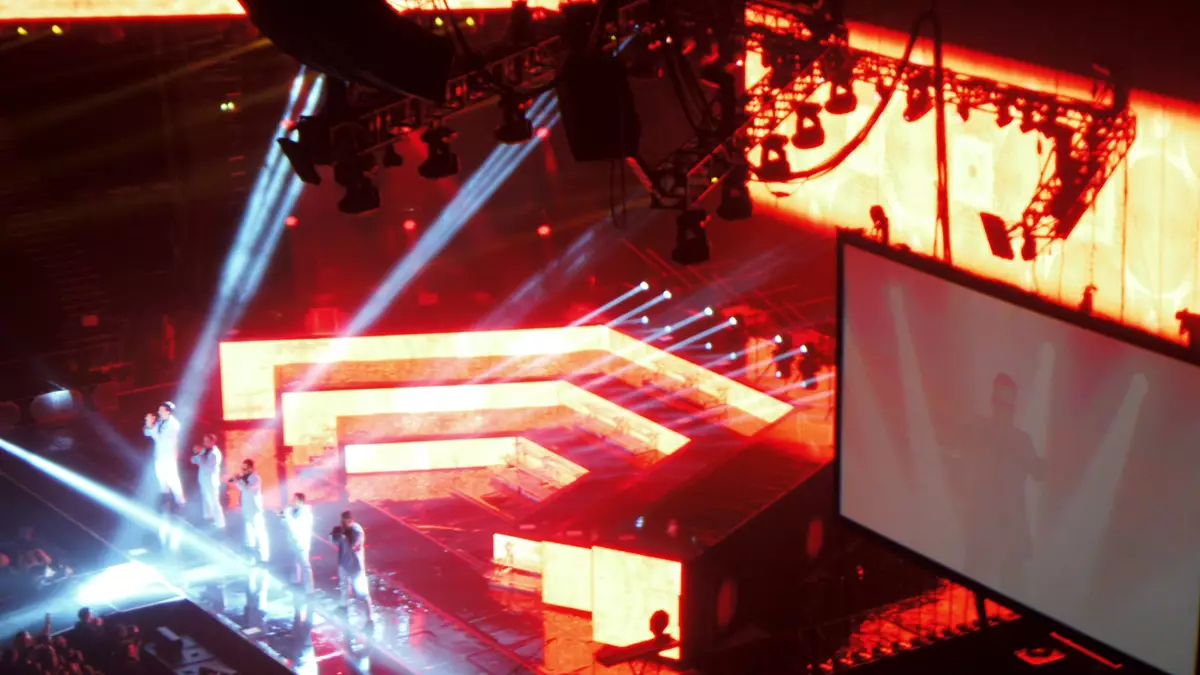
From there, they usually dive into a mini?"Tommy" suite: think "Amazing Journey", "Sparks", "Pinball Wizard" and "We’re Not Gonna Take It". That run turns the show into something closer to rock theatre, with the visuals and lights echoing the album’s story. The orchestra dates amplify this even more — "Sparks" becomes a full-blown epic, with strings sawing away under Townshend’s windmill strums.
The emotional peak for a lot of people comes in the middle of the set, when slower, more introspective tracks slide in. "Behind Blue Eyes" is often placed so the lights can come down and phone flashlights come up, while Daltrey leans into the quieter verses before the band explodes into the heavier middle section. "Love Reign O’er Me" is another centerpiece: recent performances have turned that into a showcase for both vocals and orchestra, with brass stabs and string swells crashing alongside those final sky?high notes.
Of course, the absolute mandatory songs are saved for the back stretch. "Baba O’Riley" — yes, the "teenage wasteland" song — is usually one of the last three tracks, and it hits exactly like you want it to. The synth intro rolls out, the band slams in, and suddenly three generations of fans are screaming the same lines in unison. "Won’t Get Fooled Again" usually closes the main set or the whole night, complete with the famous scream and the power?chord slide that might be the single most satisfying live guitar moment in classic rock.
Setlist nerds have also noticed that The Who still sneak in curveballs. Tracks like "5:15", "The Real Me", "Eminence Front" or even "The Kids Are Alright" rotate in and out depending on the night. Recent tours around the "WHO" album added songs like "Ball and Chain" and "Hero Ground Zero", and if any new run happens, there’s every chance at least one or two of those more recent tracks stay in to remind everyone this isn’t just a heritage jukebox act.
Atmosphere-wise, the shows are a strange, emotional mix of celebration and farewell. You’ll see veterans of 70s arena gigs standing next to teenagers in modern merch, couples who met at a Who show decades ago, and parents pointing out the stage to kids who only know the band from playlists and film soundtracks. When the lights drop and those opening chords hit, the age gap stops mattering. It just becomes a room full of people yelling along to "My Generation", fully aware of the irony — and fully committed to the moment anyway.
What the web is saying:
Rumor Mill: What Fans Are Speculating
While official announcements move slowly, the fan rumor machine is at full speed. On Reddit, especially in rock and vinyl subs, you’ll find whole threads dissecting every offhand quote from Pete or Roger. One recurring theory: that any next run of shows could be branded as a "farewell" or "final" tour in specific regions like North America or Europe. Some fans are convinced that promoters will lean heavily on that messaging to drive demand, even if the band themselves avoid the word "final" in public.
Another hot topic is format. After the success of the orchestral shows, fans are split. One camp wants a stripped?down, loud, guitar?forward rock tour — fewer strings, more sweat. The other group loves the cinematic scale of the orchestra and sees it as the smartest way to adapt the music for older voices and a modern crowd that’s used to big, immersive productions. On social media, you’ll see debates over which songs absolutely need the orchestra ("Love Reign O’er Me", "Baba O’Riley") and which ones feel better raw ("Substitute", "The Kids Are Alright").
Ticket prices are also a sore point in the comments. Recent legacy?act tours have hit eye?watering levels for front?floor seats, and fans fear that The Who’s next run will follow that trend. People are swapping screenshots of price tiers from past shows, speculating on what Platinum pricing could look like, and sharing strategies for grabbing cheaper upper?bowl or side?view seats the second they go on sale. There’s also a running hope that some dates might include reduced?price sections for younger fans, though that’s more wishful thinking than reliable intel right now.
TikTok has added another layer to the conversation. Clips of the "Won’t Get Fooled Again" scream or the "teenage wasteland" chorus are getting re?used in edits that have nothing to do with classic rock — anime scenes, gym PRs, POV edits of people leaving bad jobs. That’s pulled younger listeners into the catalog, and you can see the knock?on effect in comments: "Wait, these guys are still touring?", "My dad loves this band, should I go with him?" and "This sounds like the Stranger Things soundtrack but older." In other words, there’s a new generation quietly building a case for seeing The Who live for reasons that have nothing to do with 60s nostalgia.
There are weirder theories too. Some fans are convinced that a major streaming concert is on the way, maybe around an anniversary of "Tommy" or "Quadrophenia", with special guests from the current indie and alt?rock scenes. Others are reading a lot into Townshend’s occasional studio talk, speculating about one last EP or a quick?strike single tied to a tour campaign. No serious outlet has confirmed fresh studio sessions on the scale of a full album, but the idea of a few new tracks bundled with a live project keeps coming up.
Underneath all of this, there’s one shared vibe: urgency. No one is pretending The Who will still be touring heavily five or ten years from now. The band members themselves have been honest about that. So every vague hint from management, every update to the official site, and every quote about "maybe a few more shows" gets magnified into big news. Fans are trying to read the tea leaves because they know what’s at stake — either you catch them this time, or you probably never will.
Key Dates & Facts at a Glance
- Formation: The Who formed in London in the early 1960s, evolving out of a band called The Detours.
- Classic lineup: Roger Daltrey (vocals), Pete Townshend (guitar, songwriting), John Entwistle (bass), Keith Moon (drums).
- Breakthrough UK singles: Early hits like "I Can’t Explain", "My Generation" and "Substitute" put them on the map in the mid?1960s.
- Key albums: "Tommy" (1969), "Who’s Next" (1971), "Quadrophenia" (1973), "The Who By Numbers" (1975), "Who Are You" (1978).
- Concept milestones: "Tommy" is widely cited as a pioneering rock opera; "Quadrophenia" expanded that approach into a more grounded, youth?culture story.
- "Who’s Next" legacy: Features "Baba O’Riley" and "Won’t Get Fooled Again"; both remain fixtures of rock radio and The Who’s live set.
- Recent studio work: The album "WHO" arrived in 2019, their first new studio album in over a decade at that point.
- Live reputation: Known for destructive 60s sets, massive 70s arena tours, and more refined but still powerful modern productions.
- Orchestral tours: In the late 2010s and early 2020s, The Who toured with a full orchestra in many cities, reimagining key songs.
- US & UK focus: Any new touring activity is expected to revolve around major US arenas and flagship UK venues.
- Fan demographics: Multi?generational crowds, from original 60s fans to teens who discovered them via streaming and social media.
- Official info hub: All confirmed tour dates and band announcements are centralized on the official site’s tour section.
FAQ: Everything You Need to Know About The Who
Who are The Who and why do they still matter in 2026?
The Who are one of the foundational bands of British rock, part of the same historic conversation as The Beatles, The Rolling Stones and Led Zeppelin. But where those bands leaned into different directions — pop craft, blues swagger, heavy riff rock — The Who pushed volume, drama and story. They helped invent what we now think of as the full?scale arena rock show: big lights, narrative arcs, and songs built to be shouted back at the stage.
In 2026, they matter for two big reasons. First, their songs never really left. "Baba O’Riley", "Won’t Get Fooled Again" and "My Generation" are embedded in everything from TV shows and films to sports events and meme culture. Second, they’re one of the last classic?era bands where key original members are still touring those songs themselves. Seeing them live isn’t just about nostalgia; it’s about watching rock history being performed by the people who shaped it.
What kind of show does The Who usually put on?
If you grab tickets for a Who concert, expect a high?production, tightly structured show that still feels surprisingly raw around the edges. Townshend’s guitar style is aggressive and rhythm?heavy, with his signature windmill strums and sudden dynamic shifts. Daltrey, even with an older voice, commands the stage with all those classic mic?swing moves and a presence that’s closer to a theatre actor than a typical rock frontman.
The nights are built like a movie. There’s usually an explosive opening, a narrative middle with songs from "Tommy" and "Quadrophenia", and a final act stacked with the biggest hits. Recent tours have added visual backdrops that nod to the band’s history — footage of London, mod scooters, and abstract graphics that sync to the music. If the run uses an orchestra, you can expect arrangements that lift the drama while the rock band in front keeps the punch intact.
Where do they usually tour — and how can fans keep track?
Modern Who tours focus on key markets rather than trying to hit every possible city. In the US, that usually means major arenas in cities like New York, Boston, Philadelphia, Washington D.C., Chicago, Los Angeles, San Francisco, and sometimes secondary hubs like Denver, Dallas, or Atlanta. In the UK, London is a given, with frequent appearances in cities such as Manchester, Birmingham, Glasgow, Leeds, and Liverpool.
Because rumors and leaks fly around constantly, the safest way to track real information is the official site’s tour page, which lists confirmed dates, venues, and on?sale times. Fans also watch local venue calendars and newsletter pre?announcements, since big rooms often tease major shows before the artist’s own channels go live. If you’re serious about catching them, syncing all three — official site, venue email lists, and your preferred ticket platform — gives you the best shot.
When is the best time to buy tickets for The Who?
With any legacy act the timing question is tricky. For The Who, the pattern on past tours has looked like this: the best seats at face value usually disappear in the first minutes of the general on?sale, while some of the most aggressively priced Platinum or resale tickets can drop closer to show date if demand softens. If you care most about being on the floor or in lower?bowl central sections, you’ll want to be online the minute tickets open.
However, if you’re flexible about location and mainly just want to be in the building, waiting can pay off. Fans trading experiences from previous tours say that upper?tier and side?view seats sometimes appear at more reasonable prices a week or two out, especially in cities with multiple big shows that week. The key is to avoid panic?buying the first overpriced listing you see. Use the official link from the band’s site, compare prices across sections, and check back a few times before committing.
Why are The Who’s tickets often expensive compared to newer acts?
Several factors push those numbers up. First, demand: there are decades of fans competing for a limited number of nights, and many of them are willing to pay more for what they see as a once?in?a?lifetime or last?in?a?lifetime experience. Second, production: large?scale shows with orchestras, custom lighting, big video rigs, and a veteran crew cost serious money to run, especially when you’re moving that whole operation across countries.
Third, the modern ticketing ecosystem affects everyone. Dynamic and Platinum pricing models adjust costs in real time based on demand, and legacy acts are some of the clearest examples of that in action. It’s frustrating, and fans are vocal about it online, but it’s not unique to The Who — it’s the current reality for most big?name tours. That said, there are almost always cheaper seats somewhere in the building; the challenge is spotting them before they’re gone.
What are the must?know songs before you see The Who live?
If you’re going in as a casual fan or as someone tagging along with a parent or partner, a quick crash course will make the night hit harder. At minimum, you’ll want to know "Baba O’Riley", "Won’t Get Fooled Again", "My Generation", "Pinball Wizard", "Behind Blue Eyes", and "Who Are You". Those six alone will cover a big chunk of the signature live moments.
If you’ve got time to go deeper, add "Love Reign O’er Me" and "The Real Me" from "Quadrophenia"; "5:15" and "Eminence Front"; plus early singles like "I Can’t Explain", "Substitute" and "The Kids Are Alright". Streaming services make this easy — most already have curated Who playlists built around the biggest hits and fan favorites. One listen through on headphones, and you’ll recognize half the set when you hear it shaking the arena.
Why do fans talk about The Who shows like they’re a rite of passage?
Part of it is timing. There are fewer and fewer opportunities left to see the bands that built the blueprint for modern rock. Fans feel that, and it adds an emotional weight to the night. You’re not just going to a gig; you’re checking off a chapter of music history while it’s still being performed by the originators.
Another part is how personal the songs feel. Tracks like "My Generation" and "The Kids Are Alright" were written about a very specific 60s youth culture, but the themes — frustration, identity, not wanting to turn into your parents — still land with every new wave of listeners. When thousands of people scream those lines, it doesn’t feel like a dusty classic; it feels like a present?tense release. That’s why older fans call these shows a rite of passage and why younger listeners, even if they didn’t grow up on this music, come out saying the same thing.
Disclaimer zu unseren Artikeln: Keine Anlageberatung, keine Kauf- oder Verkaufsempfehlung. Angaben zu Kursen, Unternehmen und Märkten ohne Gewähr; Änderungen jederzeit möglich. Börsengeschäfte können zu hohen Verlusten führen. Unsere Beiträge werden ganz oder teilweise automatisiert mit Unterstützung von AI erstellt und geprüft.