Why Everyone Is Watching The Cure Right Now
07.03.2026 - 01:00:21 | ad-hoc-news.de
If you feel like The Cure are suddenly everywhere again, you're not imagining it. From sold-out arena dates to fans trading setlists like rare Pokémon on Reddit, the band's current wave has the same emotional pull as your first late-night listen to "Pictures of You." And yes, if you're trying to figure out where they&aposre playing next or whether you can still grab tickets, that window is moving fast.
Check the latest official tour info and dates here
Whether you're a day-one Disintegration kid or you came in through TikTok edits of "Just Like Heaven," this moment feels big. There's tour buzz, there's album talk, there's setlist drama, and there's that classic Cure move of making stadiums feel like your own private emotional breakdown. Let's break down what's actually happening, what's confirmed, and what's just fan wishful thinking.
The Backstory: Breaking News in Detail
Over the past couple of years, The Cure have quietly turned what could've been a nostalgia lap into one of the most closely watched live runs from any legacy band. Recent tours across Europe, the UK, and North America have stretched past the two-and-a-half-hour mark, with rotating deep cuts and an unapologetically fan-first approach to tickets. That combination has kept them in the news cycle long after most bands their age would have faded into safe greatest-hits mode.
When European and US dates resurfaced on fan feeds, what grabbed headlines wasn't just that The Cure were touring again. It was how they did it. Reports from major music outlets highlighted Robert Smith's insistence on battling ticket-fee bloat and resale markups, pushing for more transparent pricing and blocking some forms of dynamic pricing where possible. Fans described it as one of the rare times a huge band actually sided with them instead of just posting a "presale code" and vanishing.
On the music side, the real story is the ongoing tease of a long-rumored new studio album. In interviews with UK and US press over the last few years, Smith has repeatedly hinted that The Cure have material nearly ready, often calling it dark, intense, and emotionally heavy even by their standards. He's suggested there's enough music for more than one release, which has only fueled speculation every time the band announces a new leg of dates. Fans keep asking: are they doing these tours as a victory lap, or are they road-testing songs for what might be the band's last major studio era?
Recent shows have leaned heavily on late-80s and early-90s material, but setlists keep shifting enough that hardcore followers stalk fan forums after every gig to see what changed. Some nights get "Shake Dog Shake" or "A Strange Day." Others get surprise appearances of B-sides or songs that went missing for decades. That unpredictability has turned shows into events, not just comfort-food nostalgia.
Another angle outlets have picked up on is just how many Gen Z fans are now front-row. Whether it's second-generation fandom (inheriting CDs from their parents) or the TikTok effect of moody, reverb-heavy tracks finding new life, the crowd mix is noticeable. Veteran fans in Cure shirts from the early tours stand next to kids who discovered "Pictures of You" through an A24-core playlist. That cross-generational pull isn't just a nice story—it's a big reason why demand for tickets keeps spiking whenever new dates appear.
Put all of this together: a band with a still-mysterious album in the wings, a fiercely loyal fanbase, a public stance against ripoff ticketing, and marathon sets full of emotional gut-punches. That's why any new hint of activity from The Cure is treated like breaking news, not just a routine update from a legacy act.
The Setlist & Show: What to Expect
If you're even thinking about seeing The Cure live, the first question is always: How many songs are we talking? Recent tours have delivered sprawling sets built like full emotional narratives. They usually open with slower, darker tracks that feel almost like a soundcheck for your feelings before gradually tilting into full catharsis.
Fans who tracked recent setlists from US and European dates report that classics like "Pictures of You," "Lovesong," "A Forest," "Just Like Heaven," and "Friday I'm In Love" are near-locks. But that's just the surface. Deep cuts such as "At Night," "Faith," or "A Strange Day" have surfaced on various nights, sending hardcore fans into meltdown in the comments sections. Some shows have leaned into the Disintegration era with runs of "Plainsong," "Prayers for Rain," and "The Same Deep Water as You," turning massive arenas into shared therapy sessions.
The Cure tend to avoid the typical greatest-hits conveyor belt. Instead, they structure the night in phases. The opening stretch can be heavy on atmosphere—tracks like "Alone" or other newer pieces have been used in recent tours to set a murky, slow-burning mood. That middle third swerves between goth, post-punk, and dream-pop, a reminder that this is a band that can sound like three different decades at once. By the time you hit the encores, the vibe flips from internal monologue to full singalong, with songs like "In Between Days," "Boys Don't Cry," and "Why Can't I Be You?" releasing all the tension they've built up.
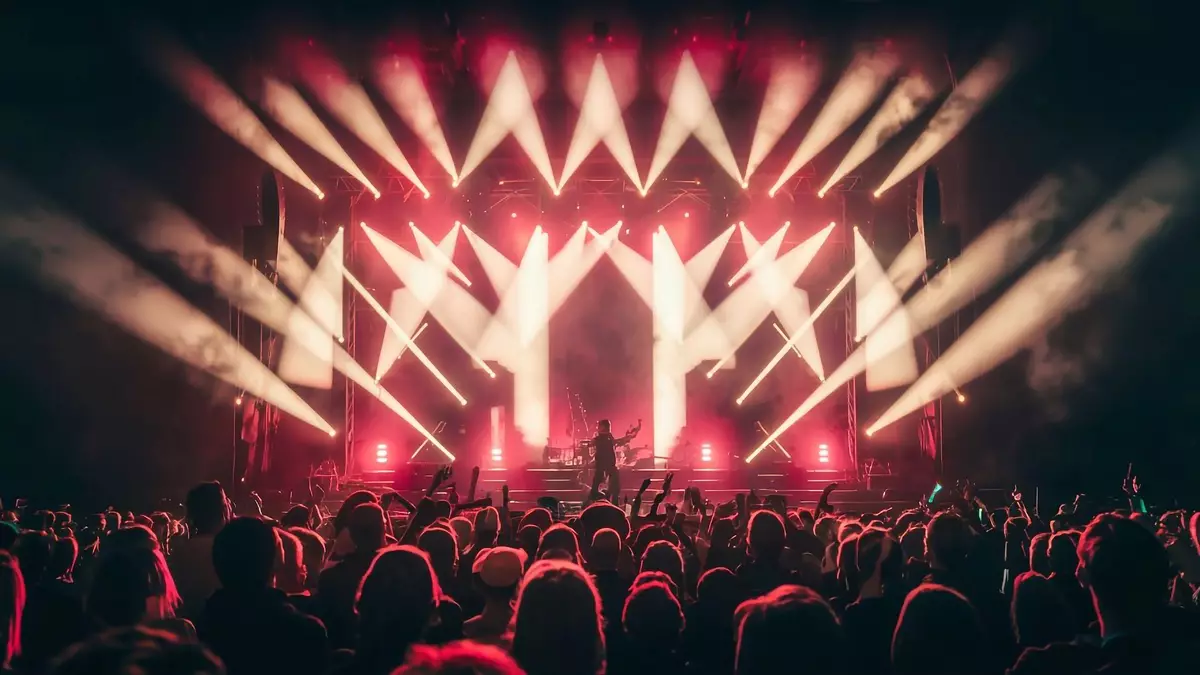
Visually, The Cure are still pretty anti-spectacle by stadium standards. Don't expect pyro or CGI dragons. You get dim, cinematic lighting, colors that move from cold blue to blood red, and camera work that lingers on Smith's face rather than on-the-nose video storylines. That restraint works in their favor; it keeps your focus on the actual songs, and it means the quiet moments—like the held notes in "Pictures of You" or the final fade of "Faith"—land harder.
Fans who've posted clips from recent tours describe the crowd dynamic as unusually locked in. People don't just shout through the ballads; there's this hush that falls over entire arenas when they wheel out longer, gloomier tracks. Then, as soon as one of the big choruses hits—"Lovesong" is a prime example—you suddenly remember you're surrounded by tens of thousands of people who all know every word.
Setlist variation is a big part of the obsession. Reddit threads and fan sites break down each show, comparing how often songs like "Charlotte Sometimes," "Shake Dog Shake," "Burn," or "From the Edge of the Deep Green Sea" appear. That analysis turns into its own game: if you're going to a later date on the run, you're scanning prior nights trying to guess what might be held back for yours. It keeps the energy online in between shows, which is one reason TikTok and YouTube are flooded with full-song uploads from the rail.
Bottom line: if you buy a ticket, plan for a long night. The Cure don't phone it in. You're looking at two-plus hours of a band still obsessed with the details—tempos, intros, extended outros, the way one song bleeds emotionally into the next. It's not a playlist; it's a full arc.
What the web is saying:
Rumor Mill: What Fans Are Speculating
Head to Reddit or TikTok right now and you'll find three main threads of Cure speculation: new album timing, setlist secrets, and ticket war stories.
On the album front, fans are obsessed with every stray quote Robert Smith has given in the last few years. Any mention of finishing vocals, tweaking mixes, or finalizing tracklists becomes a fresh wave of "this is the year" posts. Some fans argue that the band's recent touring intensity is a sign they're ramping up for a proper final statement—one or two albums that close the circle. Others think the tours are a stress test for new material, even if those songs haven't fully surfaced in public yet.
There are also ongoing debates about whether The Cure will lean into their darkest side for this rumored release, or whether we'll get something that echoes the melodic pull of "Just Like Heaven" and "In Between Days" but with older, more reflective lyrics. A recurring fan theory: that the album will mirror Disintegration in mood but speak directly to ageing, grief, and the long shadow of the band's own legacy.
Setlist speculation gets even more granular. On platforms like r/music and dedicated Cure subs, listeners track how often certain songs return after long gaps. When tracks like "Cold" or "Burn" pop up, fans interpret it almost like Easter eggs. Some argue that the return of specific deep cuts hints at themes for the next record; others think it's simply the band keeping themselves interested on the road. Either way, people pore over each night's list as if it's coded communication.
Ticket discourse is its own saga. When new shows go on sale, posts explode with screenshots of queues, price breakdowns, and triumphant "I beat the bots" stories. Smith's stance against dynamic pricing and his public frustration with some ticketing practices have turned him into an unlikely cult hero in the ongoing battle around live-music costs. Fans share tips: buy via official links only, avoid resellers, sign up early, watch for extra batches of seats being quietly released closer to show day.
On TikTok, the vibe is almost the opposite of Reddit's data-brain energy. There it's all about aesthetics and emotion: grainy clips of "Pictures of You" with captions like "this song ruined me (in a good way)," black eyeliner and smudged lipstick GRWMs soundtracked by "Lullaby," couples dancing in their bedrooms to "Lovesong." Some younger fans post about discovering The Cure through movie soundtracks or older siblings' playlists, then working backwards through the discography until they're suddenly pre-ordering tour merch.
Another rumor that never quite dies: the idea of The Cure announcing one massive, globally streamed show or special release that's marketed as their definitive farewell. Right now, that remains pure speculation. Smith has a long history of half-joking about endings that never fully arrive. Still, each new tour announcement sparks threads about whether this is the last time you'll be able to see them in a venue that size.
Underneath all the theories and hot takes, there's a shared feeling: fans sense they're living through the final big chapter of a band that shaped not just goth and alt, but modern sad-pop in general. That urgency is why every hint, leak, or rumor hits so hard.
Key Dates & Facts at a Glance
Here are some core facts and checkpoints to keep straight if you're trying to follow The Cure's current moment:
- Official tour info: The most up-to-date dates, venues, and announcements live on the band's official tours page at thecure.com (always check there before trusting screenshots).
- Show length: Recent tours have routinely seen sets pushing past the 2-hour mark, often closer to 2.5 hours, with multiple encores.
- Setlist staples: Fan-reported regulars include "Pictures of You," "Lovesong," "Just Like Heaven," "A Forest," "In Between Days," "Friday I'm In Love," and "Boys Don't Cry."
- Deep cuts in rotation: Various shows have featured songs like "A Strange Day," "Burn," "Plainsong," "Faith," "From the Edge of the Deep Green Sea," and "Shake Dog Shake" depending on the night.
- Ticket philosophy: Robert Smith has publicly criticized excessive fees and dynamic pricing models, and has pushed for more fan-friendly pricing where possible through official channels.
- New album chatter: In multiple interviews over the past few years, Smith has said that new Cure music is written and largely recorded, often describing it as darker and emotionally heavy.
- Fanbase mix: Recent tours have seen a noticeable blend of longtime fans from the band's early eras and younger listeners who discovered The Cure through streaming playlists, TikTok edits, and film/TV soundtracks.
- Merch and visuals: Tour merch leans hard into classic imagery—disintegrated faces, hand-drawn fonts, and the signature smudged aesthetic that has defined the band's artwork for decades.
- Online presence: Live clips circulate heavily on YouTube and TikTok within hours of each show, often including full-song uploads from the front rows.
FAQ: Everything You Need to Know About The Cure
Who are The Cure, in 2026 terms?
The Cure are no longer just a goth band from the 80s; they're a cross-generational emotional reference point. For older fans, they're the soundtrack to bedrooms lined with posters and stacks of cassettes. For Gen Z, they're the blueprint behind half the moody alt-pop that dominates streaming algorithms. Robert Smith, with his eyeliner, backcombed hair, and unmistakable voice, is now as much a cultural icon as a frontman. In 2026, The Cure operate in that rare space where they can sell out arenas, trend on TikTok, and still feel weirdly personal.
What kind of live experience should you expect if it's your first Cure show?
Think of it less like a party and more like a full-body mood. The first part of the night tends to be slow, dense, and atmospheric, especially if they lean on Disintegration-era material. If you're there only for the big choruses, you might be surprised by how patient the pacing is. But once the hits start dropping—"Just Like Heaven," "In Between Days," "Friday I'm In Love," "Boys Don't Cry"—it turns into a communal release. Expect minimal stage banter, heavy emotional shading, and long instrumental endings that feel like they're trying to stretch time.
Where should you look for reliable updates on tours and potential new music?
Always start with official channels: the band's own site and verified social accounts. The tours page is where new dates, cancellations, and venue changes will show up first, often before third-party ticketing partners finish updating. After that, fan communities on Reddit and dedicated Cure forums are great for real-time reports—setlists, door times, last-minute ticket drops. For new music, keep an eye on major music media and radio interviews; Smith rarely announces huge things via casual tweets, but he will mention them in longer conversations.
When is the rumored new album actually coming?
There's no confirmed public release date as of early 2026. What we do have are years of hints: Smith has spoken repeatedly about finishing lyrics, battling over mixes, and wanting the record to meet his own internal standard before letting it go. Some fans have turned that into frustration memes—"the Cure album is Schrödinger's record, both finished and unfinished"—but others respect the perfectionism. The safest read is that new music exists, but The Cure will release it only when they&aposre convinced it stands alongside their strongest work. Until there's an official date, treat anything else as wishful thinking.
Why are The Cure still so important to younger listeners?
Part of it is sound: their mix of chiming guitars, chorus-soaked bass, and reverb-heavy drums fits perfectly into the dream-pop and indie playlists that dominate Gen Z listening. But the bigger piece is emotional honesty. Songs like "Pictures of You," "Lovesong," and "From the Edge of the Deep Green Sea" talk about obsession, insecurity, and heartbreak in ways that feel both dramatic and weirdly precise. In an era where online life pushes constant self-curation, The Cure's openness about being messy, too intense, and sometimes hopeless hits home. Their influence shows up everywhere from bedroom-pop acts to massive alt-pop stars who cite them as a key reference.
How do you actually get tickets without getting wrecked by resellers?
Your best shot is to live on official info. Follow the band's site and socials for presale announcements, then be ready the second those codes go live. Skip sketchy third-party resellers unless you've exhausted every legitimate option; fans consistently report that more tickets often trickle out later via official channels as production holds are released and sightline checks are finished. If The Cure continue their push against excessive fees, expect some attempts to keep prices reasonable at face value—but the secondary market will always try to cash in on demand, so moving early is key.
What should you listen to if you want to prep for a show?
If you're new, start with Disintegration front to back; it's the emotional center of their catalog and heavily represented live. Then hit the obvious anthems: "Just Like Heaven," "Lovesong," "In Between Days," "A Forest," "Friday I'm In Love," "Boys Don't Cry." After that, dive into deeper cuts that often appear in setlists: "From the Edge of the Deep Green Sea," "Plainsong," "Pictures of You," "The Figurehead," "Faith," "Burn." Building a playlist that mixes the big songs with a few slow-burners will make the live dynamics land harder—you'll recognise the build-ups and know when to brace for the long, devastating outros.
Is this the last big era for The Cure?
No one outside the band can answer that, and even inside the band the answer probably shifts week to week. But the sense of final-chapter energy is real. When you see fans flying across continents to catch multiple dates, or parents taking their kids because "you need to experience this at least once," it's because everyone understands that bands don't stay at this level of intensity forever. Whether or not this is officially the endgame, it feels like a peak worth catching while it's happening.
For now, the best move is simple: stay glued to official updates, keep your playlists stacked, and if The Cure come anywhere near your city, think hard before you skip. These shows aren't just concerts; they're the kind of nights that end up bookmarking entire chapters of your life.