
Why Elvis Presley Still Owns 2026
Veröffentlicht am: 27.02.2026 um 19:44 Uhr | Redaktionelle Verantwortung: Rafael Müller, Chefredakteur AD HOC NEWS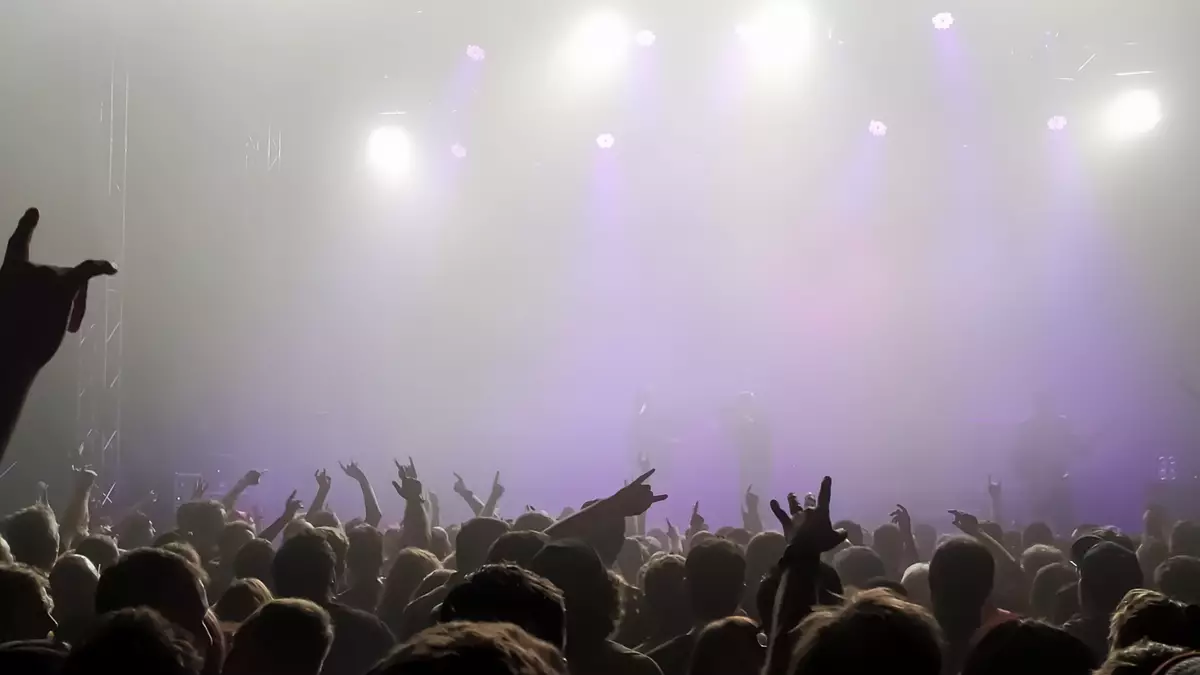
Elvis Presley has been gone for decades, but right now it feels like he never left the building. Between renewed obsession on TikTok, fresh waves of biopics and documentaries, and a new generation discovering "Suspicious Minds" on shuffle, the King is quietly taking over 2026 pop culture. If you’ve caught yourself falling down an Elvis rabbit hole at 2 a.m., you are very much not alone.
Plan your deep dive into Elvis Presley’s world at Graceland
What’s fascinating about this latest Elvis wave is that it isn’t coming from boomers replaying their youth. It’s coming from Gen Z and younger millennials, who grew up on streaming playlists and stan culture, suddenly realizing this guy from your grandparents’ vinyl shelf had ridiculous vocals, chaotic charisma, and a back catalog that could outstream half of today’s charts if it were released now.
The Backstory: Breaking News in Detail
So what’s actually happening with Elvis Presley in 2026 if he’s not physically touring or dropping new albums? The short answer: the Elvis ecosystem is getting louder, smarter, and way more internet-native.
First, Graceland in Memphis keeps leveling up from "heritage museum" to full-on pop destination. Recent coverage in US and UK entertainment press has highlighted new exhibition rotations focusing on Elvis’s recording sessions, his 1968 Comeback Special, and the Vegas years. Reporters who’ve been invited to preview some of the refreshed exhibits talk about remastered performance footage, more studio outtakes, and upgraded immersive audio so you’re not just looking at his jumpsuits – you’re hearing what they sounded like under stage lights.
Second, the Elvis film and TV pipeline refuses to slow down. After the huge cultural aftershocks of the 2022 Baz Luhrmann movie, studios realized there’s real appetite for Elvis-adjacent stories: Priscilla’s perspective, the band’s stories, the producers, the Memphis scene. That momentum has rolled into a wave of documentaries and dramatizations hitting streaming over the last year and continuing into 2026. Entertainment journalists in both the US and UK keep pointing out how each new project spikes Elvis’s streams for weeks.
On streaming platforms, industry trackers have noted recurring surges in core songs like "Can’t Help Falling in Love", "Jailhouse Rock", "Hound Dog", "Suspicious Minds", and "In the Ghetto" whenever they go viral in a soundtrack or trend. The effect is similar to what Kate Bush and Fleetwood Mac saw from TikTok, except Elvis is working with material that’s over 60 years old and still sounds strangely current when it hits a For You page.
Then there’s the live side of things. While Elvis obviously isn’t on tour, his influence is being staged in other ways: tribute shows, orchestral productions built around his original vocals, and Vegas-style residencies fronted by tribute performers or guest vocalists, sometimes backed by footage of the real Elvis. Promoters in the UK and Europe continue to roll out touring tributes, festival slots, and one-off "Elvis nights" where full albums like "From Elvis in Memphis" or classic movie soundtracks are performed front-to-back.
For fans, the implication is clear: Elvis isn’t just nostalgia, he’s active culture again. New releases are more likely to be deluxe reissues, live recordings cleaned up with modern tech, or box sets featuring unheard studio takes. But the energy around them feels fresh, because a new audience is reacting in real time online, breaking down vocal runs and outfits like they would for any modern pop idol.
If you’re into music history, vocal performance, or just bold, messy, larger-than-life pop stars, 2026 is probably the best time in years to be an Elvis fan. There is always something new dropping – even if it’s technically old.
The Setlist & Show: What to Expect
With no physical Elvis Presley tour to track, fans are building a different kind of "setlist" in 2026: part canon, part deep cuts, and part Internet-powered favorites. Whether you’re heading to a tribute show, an orchestral Elvis event, or just crafting your own mega-playlist, there’s a loose structure that keeps coming up in fan communities.
Most Elvis-focused live nights and special events still anchor around the big anthems. Expect to hear:
- "Jailhouse Rock" – usually early, to light the fuse.
- "Hound Dog" – the chaos track that still sounds bratty and loud in 2026.
- "Heartbreak Hotel" – the moody one; younger fans on Reddit often call it "weirdly emo" for a 50s hit.
- "Love Me Tender" – the slow-dance classic, often used to reset the pace.
- "Suspicious Minds" – the dramatic showstopper that almost always closes the main set or the encore.
- "Can’t Help Falling in Love" – frequently the final song, lights down, everyone singing.
Tribute shows and curated playlists usually move through three rough eras:
1. The Early Rock ’n’ Roll Explosion
Songs like "That’s All Right", "Blue Suede Shoes", "Don’t Be Cruel", and "All Shook Up" are the pure adrenaline section. In fan videos from tribute concerts, you’ll see a lot of dancing, phone lights, and general screaming in this era. People who only know Elvis from one or two ballads get stunned by how unhinged and raw his early material feels live.
2. The Movie & Pop Era
Think "Return to Sender", "Viva Las Vegas", "A Little Less Conversation", and "(You’re The) Devil in Disguise". This is the technicolor section, where outfits go brighter, screens show film clips, and the vibe is campy in the best way. Younger fans on TikTok love these tracks because they’re catchy and visually iconic – perfect for edits, fancams, and dance challenges.
3. The Mature, Big-Vocal Era
This is where you get the full drama: "In the Ghetto", "If I Can Dream", "Kentucky Rain", "Burning Love", and deep cuts from "From Elvis in Memphis". Critics and vocal coaches on YouTube keep revisiting this material to talk about his control, tone, and emotion. It’s the part of the show where the audience stops filming and just listens.
Atmosphere-wise, modern Elvis events tend to feel less like stiff nostalgia nights and more like multi-generational stan gatherings. You’ll see older fans in vintage tour jackets next to teens in Elvis graphic tees they bought last week. People cosplay the 50s leather, the 60s movie casual, or the 70s jumpsuits. A lot of shows open with a montage of Elvis clips set to a mashup of tracks like "Trouble", "Burning Love", and "A Little Less Conversation" (the remix that went viral in the 2000s and still lives on playlists today).
Online, fans build their dream "2026 Elvis setlist" using playlists on Spotify, Apple Music, and YouTube. You’ll often see combinations like:
- Opener: "That’s All Right"
- Mid-show emotional hit: "If I Can Dream"
- Encore: "Suspicious Minds" into "Can’t Help Falling in Love"
Because Elvis straddled rock, pop, gospel, country, and even a little soul, his "shows" – whether live tributes or streaming marathons – can feel like a whole mini festival in one artist’s catalog. If you walk into any 2026 Elvis-centered event, expect big vocals, big emotions, and at least one moment where you realize, "Oh, this song I know from a meme was him too."
What the web is saying:
Rumor Mill: What Fans Are Speculating
Even without a living artist feeding the drama, the Elvis fandom refuses to stay quiet. A quick scroll through Reddit music threads and TikTok comments shows a whole universe of speculation and theories.
1. The "Next Big Elvis Drop" Theory
One of the biggest threads right now revolves around the idea that another major Elvis release is coming – possibly a new multi-disc live collection or a modern remix project. Fans reference patterns: big anniversaries of concerts like the 1968 Comeback Special or the Aloha from Hawaii broadcast often trigger deluxe editions. With constant interest around these performances, users on r/music and r/popheads regularly guess when the next cleaned-up, expanded live release might land on streaming.
Some fans also think labels might experiment with contemporary producers reworking select Elvis tracks for a new generation – not in a cheesy EDM-remix way, but in a more tasteful, cinematic way aimed at film and TV syncs. Whether that actually happens is pure speculation, but it shows how fans are already imagining Elvis in conversations alongside current artists.
2. AI Duets & Virtual Performances
Another recurring debate centers on artificial intelligence and hologram-style shows. With AI voice models and virtual performances gaining traction, some TikTok creators are already mocking up fictional Elvis duets with modern stars, or AI-assisted "what if" collaborations. This predictable sparks arguments: some fans are curious, others are absolutely against the idea of AI-Elvis being used commercially.
Threads on Reddit often raise ethical questions: Should labels use Elvis’s voice in AI-generated new songs? Would a fully virtual tour feel like tribute or exploitation? So far, official estates and labels remain cautious, but fans are watching closely, especially as similar tech experiments roll out for other legacy artists.
3. Ticket Price Controversies… Without Elvis
Even though Elvis himself isn’t touring, his name still gets pulled into broader arguments about ticket prices and "legacy acts". Under TikTok clips of expensive reunion tours and residencies, you’ll often see comments like, "Imagine what Elvis tickets would cost in 2026" or "If Elvis were alive, dynamic pricing would be brutal." It’s half-joke, half-genuine point about how massive his draw still is in the cultural imagination.
In spaces where tribute shows or orchestral Elvis events sell out quickly, fans sometimes complain that tickets push into pricing tiers that would’ve made the original Elvis shows look cheap. That fuels a wider conversation about access to music history: should events built on recordings from the 50s–70s be priced like current arena pop tours?
4. The Ongoing Debate: Was Elvis Overrated or Underrated?
This one never dies. Every few weeks, a new hot take drops on X (formerly Twitter) or Reddit claiming "Elvis was just a product" or "Elvis was the original manufactured pop star". That inevitably leads to long replies from younger fans who discovered deeper cuts like "Stranger in My Own Hometown", "Any Day Now", or "Reconsider Baby" and argue he’s actually underrated as a vocalist and interpreter.
Music nerds frequently post vocal breakdowns pointing to the 1968 and 1970s live performances as proof that Elvis had range, texture, and emotional power comparable to modern R&B and soul singers. That ongoing discourse keeps him weirdly current – you’ll see his name trending alongside brand-new releases as people compare stage presence, live authenticity, and longevity.
Underneath all the theories and debates, one thing is consistent: fans talk about Elvis like a present-tense artist. They argue about setlists, releases, ethics, and eras as if they could still influence what happens next. That kind of conversation is usually reserved for active pop stars – the fact that Elvis provokes it in 2026 says a lot about how alive his catalog still feels.
Key Dates & Facts at a Glance
- Birth: Elvis Presley was born on 8 January 1935 in Tupelo, Mississippi, USA.
- Graceland Purchase: He bought Graceland in Memphis in 1957; it later became one of the most visited music-related homes in the world.
- Breakthrough Single: "Heartbreak Hotel" released in 1956 became his first massive US hit, topping charts and cementing him as a national phenomenon.
- Iconic TV Moment: The 1968 Comeback Special (officially titled "Singer Presents…Elvis") aired in December 1968 and rebooted his career with a raw, live feel.
- Las Vegas Era: Elvis opened at the International Hotel in Las Vegas in 1969, starting a run of residencies that defined his 70s stage image.
- Aloha from Hawaii: The "Aloha from Hawaii via Satellite" concert was broadcast in January 1973, reaching an enormous global audience for a single live concert.
- Signature Songs: Core tracks every casual fan should know include "Jailhouse Rock", "Hound Dog", "Can’t Help Falling in Love", "Suspicious Minds", and "Love Me Tender".
- Genre-Blending: Elvis’s catalog spans rock and roll, pop, country, gospel, and rhythm & blues, often within the same era.
- Influence: Artists from The Beatles and Led Zeppelin to modern pop and rock acts frequently cite Elvis as a key influence in interviews.
- Streaming Resurgence: Every new film, documentary, or viral clip tends to trigger a spike in global streams of songs like "If I Can Dream", "In the Ghetto", and "Burning Love".
- Fan Pilgrimage: Graceland remains the central physical hub for Elvis fans, hosting tours, birthday celebrations, and Elvis Week events.
FAQ: Everything You Need to Know About Elvis Presley
Who was Elvis Presley in simple terms?
Elvis Presley was a US singer and performer who exploded in the mid-1950s and became one of the defining figures of modern popular music. If you strip away the myth, he was a working musician who blended Black rhythm and blues, country, gospel, and pop into something that felt dangerous, physical, and new to mainstream white audiences at the time. His image – the hair, the hips, the outfits – made adults panic and teenagers feel seen.
He wasn’t a songwriter in the way some modern artists are; his superpower was interpreting songs, using his voice and physical presence to turn them into emotional events. That’s why so many of his studio tracks still work today and why live performances from the 60s and 70s keep pulling views on YouTube: he sells the story of the song with his phrasing, dynamics, and body language.
Why is Elvis Presley still relevant in 2026?
A few reasons. First, the music holds up. Listen to "Suspicious Minds" next to a 2020s pop ballad – the arrangement may feel retro, but the drama, buildup, and hook are exactly what streaming-era listeners love. Second, content keeps resurfacing. Film and TV soundtracks, biopics, and documentaries continually reintroduce Elvis to new listeners. Every time a director uses "Can’t Help Falling in Love" in a key scene, that song becomes someone’s new emotional core track.
Third, the modern internet loves big personalities and aesthetic eras. Elvis had multiple full eras: the 50s rebel, the 60s film star, the 68 leather-jacket rocker, and the 70s jumpsuit showman. Each of those can be turned into aesthetic boards, TikTok edits, fan art, and cosplay. He fits seamlessly into today’s language of "eras" and "cores" that dominate music fandom.
What are the must-hear Elvis Presley songs if I’m new?
If you’re just starting, you can think in moods:
- For pure energy: "Jailhouse Rock", "Blue Suede Shoes", "All Shook Up".
- For sad/romantic vibes: "Can’t Help Falling in Love", "Love Me Tender", "Always on My Mind".
- For drama and big vocals: "Suspicious Minds", "If I Can Dream", "In the Ghetto", "Burning Love".
- For deeper cuts and cred: "Any Day Now", "Stranger in My Own Hometown", "Reconsider Baby", tracks from "From Elvis in Memphis".
Start with a greatest hits playlist, then branch out into full albums like "Elvis Presley" (1956), "Elvis" (the second album), "From Elvis in Memphis" (1969), and live sets from 1968–1973. That’s where you really hear the growth.
Where does Graceland fit into the Elvis story today?
Graceland isn’t just Elvis’s former home; it’s the core physical location that keeps his world anchored in 2026. For fans in the US and visiting from the UK or Europe, it’s the closest thing to stepping inside a living archive. You see his stage outfits, gold records, cars, home décor, and personal items, but you also get curated exhibits showing his evolution as a performer and recording artist.
Modern coverage makes it clear that Graceland has shifted toward a more immersive, multimedia format: you’re not just walking through rooms, you’re hearing audio clips, watching performance footage, and getting more context about the songs and shows that made him famous. For many fans, a Graceland visit is where the playlist obsession and the real-world history finally collide.
When did Elvis’s most important music era happen?
This is debated, but a lot of critics and hardcore fans point to two main peaks. The first is the mid-1950s breakout period when he brought early rock and roll to a massive mainstream audience. Tracks from this era shaped what rock would become and turned him into a cultural lightning rod.
The second is the late 1960s, especially around the 1968 Comeback Special and the sessions that produced "From Elvis in Memphis". This is where you hear a more mature, powerful voice with better material and arrangements. Songs like "In the Ghetto" and "Suspicious Minds" show him not just as a phenomenon, but as a full-fledged recording artist delivering layered, emotional performances.
Why do some people criticize Elvis, and how do fans respond?
Criticism usually falls into two areas. The first is cultural: Elvis operated in a heavily segregated music industry and became globally famous performing styles deeply rooted in Black American music. Some critics argue he benefitted from structures that sidelined Black artists. Fans and historians often respond by pointing out that Elvis himself repeatedly cited Black musicians as influences and respected them, while also acknowledging that the system around him was unequal.
The second area of criticism is artistic – the idea that he wasn’t a songwriter and that his later Vegas years are over-the-top. Fans counter that interpreting songs is its own art, and that the best 70s performances show a controlled, powerful singer capable of serious emotional range. In 2026, younger listeners tend to approach him like they would a big-voiced pop star who didn’t write every song but owned them in performance.
How can you get into Elvis Presley in 2026 without it feeling like homework?
The easiest way is to treat him exactly like a new artist you’re sampling: hit play on a curated "This Is Elvis Presley"-style playlist on your platform of choice, skip what doesn’t click, and save what does. Let TikTok, YouTube Shorts, or Reels recommend live clips – there are endless uploads of 68–73 era performances where you can see why people lost it over him.
If you want a slightly deeper but still fun route, watch one of the recent Elvis films or documentaries, then immediately go hunt down the real performances you saw reenacted. Compare the dramatized version to the original; you’ll pick up quickly on how much of his power lives in subtle timing, grin, eyebrow raise, or mic movement.
From there, if you feel yourself becoming that person who won’t shut up about "If I Can Dream" or "Bridge Over Troubled Water" live versions, you’ll know you’ve crossed into full fan mode. And in 2026, you’re in good company – thousands of people are doing the exact same thing, discovering that behind all the impersonations and Halloween costumes, there was a seriously intense performer whose work still hits hard.


