
Why Creedence Clearwater Revival Won’t Stay in the Past
Veröffentlicht am: 07.03.2026 um 20:04 Uhr | Redaktionelle Verantwortung: Rafael Müller, Chefredakteur AD HOC NEWS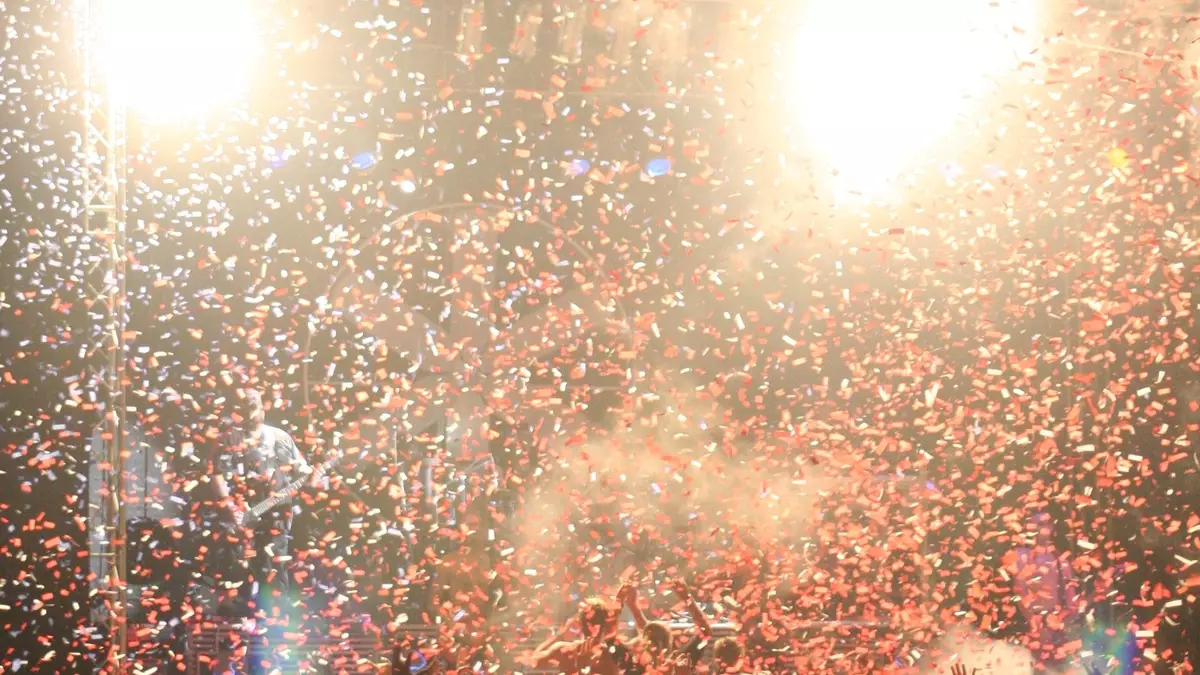
You can feel it in comment sections, on TikTok edits, and in the way classic rock playlists suddenly hit different: Creedence Clearwater Revival
Explore the Creedence legacy, tours & live projects here
Search trends for Creedence Clearwater Revival keep spiking every time a track lands in a new Netflix series, a war movie, or some kid on TikTok uses "Have You Ever Seen the Rain" for a slow?motion montage. And that’s before you even factor in the constant talk around live projects like Creedence Clearwater Revisited, the swirl of reunion fantasies, and anniversary chatter around those monster late?60s albums.
If you’re wondering what exactly is going on, what’s real news and what’s just fan hope, and why this band still hits so hard in 2026, here’s the full breakdown.
The Backstory: Breaking News in Detail
First thing to know: as of early 2026, there is no official full Creedence Clearwater Revival reunion. The band dissolved decades ago, and with Tom Fogerty’s passing in 1990 and long?running legal and personal tensions between John Fogerty and the CCR brand through the years, a classic, all?original CCR lineup on stage is not on the cards.
What is real, and what’s been driving a lot of the fresh buzz, are three overlapping threads:
1. The ongoing Creedence live experience. For years, fans have latched onto associated live projects — including Creedence Clearwater Revisited and various CCR?themed shows — as the closest thing to hearing those songs the way they were meant to be played: loud, raw, and in front of an actual crowd. While lineups and branding have shifted over time, the concept of a dedicated Creedence show built around the original catalog keeps drawing solid audiences, especially in the US and Europe. Every time a new run of dates or festival slot is announced, local media and classic rock radio pile on with coverage, giving the band’s name another boost.
2. A streaming and sync explosion. CCR’s catalog has pretty much become one of Spotify and Apple Music’s default classic rock pillars. When huge movies and series lean on "Fortunate Son" to underscore chaos, or "Run Through the Jungle" to soundtrack a tense scene, younger viewers go straight from the credits to their phones. Industry reports over the last couple of years have pointed out how CCR sit near the top tier of 60s/70s bands in monthly listeners, right up there with Zeppelin, The Doors, and Fleetwood Mac.
Every big sync deal — whether it’s a Vietnam?era flashback, a gritty crime drama, or a nostalgic coming?of?age show — sends another wave of streams to "Fortunate Son", "Bad Moon Rising", and "Have You Ever Seen the Rain". Music business insiders consistently point to CCR as one of the clearest examples of how syncs keep a legacy act not just alive, but culturally loud.
3. Anniversary energy and archival focus. The industry loves a round number, and CCR’s short but absurdly productive career gives labels an excuse for a new box set or remaster every few years. Around big album anniversaries — think milestone years for classics like Bayou Country, Green River, Willy and the Poor Boys, and Cosmo’s Factory — you’ll usually see deluxe editions, cleaned?up live recordings, and tie?in content hit platforms and vinyl racks.
Recent interviews with John Fogerty and archival pieces in outlets like Rolling Stone and MOJO have been circling the same core idea: CCR’s run from 1968–1970 might be one of the most concentrated bursts of hit?songwriting in rock history. That narrative — the band who burned white?hot and then disappeared — fits perfectly with the way online fandom works now. People love a short, legendary story they can binge in a weekend.
Put together, those three elements explain why you’re seeing so much talk about Creedence Clearwater Revival right now. No, the band isn’t secretly about to drop a new studio record. But the music is moving like it belongs to this era, not just your parents’ or grandparents’ generation.
The Setlist & Show: What to Expect
So if you grab tickets for a Creedence?focused show — whether it’s an officially sanctioned Creedence Clearwater Revisited?type project, a festival "plays CCR" special, or a high?end tribute night — what are you actually going to hear?
You’re getting the hits. All of them. Recent fan?shared setlists from CCR?themed shows in the US and Europe basically read like a greatest hits playlist:
- "Fortunate Son"
- "Bad Moon Rising"
- "Proud Mary"
- "Have You Ever Seen the Rain"
- "Born on the Bayou"
- "Green River"
- "Down on the Corner"
- "Who’ll Stop the Rain"
- "Up Around the Bend"
- "Run Through the Jungle"
- "Lookin’ Out My Back Door"
- "Travelin’ Band"
Most shows kick off with something high?impact and swampy like "Born on the Bayou" or "Green River" — songs that feel like the band is dragging a humid Southern night onto the stage even if you’re in a cold arena in Manchester or Munich. "Bad Moon Rising" usually lands early to light the crowd up, because as soon as you hear that clipped guitar riff, people are clapping before the first verse hits.
The emotional core usually sits in the middle stretch. That’s where you get a one?two?three run of songs like "Have You Ever Seen the Rain", "Who’ll Stop the Rain", and "Long as I Can See the Light". Even when a non?original CCR lineup is playing them, something shifts in the room. Phones go up, couples get quiet, and older fans get that "I first heard this on vinyl" look. These aren’t just hits; they’re songs people have lived entire chapters of their lives to.
The closing run is chaos in the best way. Near the end of the set, expect a straight sprint: "Travelin’ Band", "Up Around the Bend", "Down on the Corner", maybe a stretched?out "Suzie Q" or "I Put a Spell on You" jam if the band’s feeling bold. By the time "Fortunate Son" kicks in — usually late?set or as an encore — you’ll see exactly why that song refuses to age out. Its anti?elitist anger still lands, especially with younger crowds who may have first heard it through a meme but quickly realize this isn’t background music; it’s protest energy with a killer riff.
Atmosphere?wise, CCR shows hit a rare sweet spot. You get dads with tour shirts from the 80s, college kids in thrifted denim, and TikTok teens in oversized band tees all losing it to the same songs. People yell the "it ain’t me" lines back at the stage, strangers sing harmonies on "Proud Mary", and there’s this feeling that you’re stepping into rock history without it feeling like a museum piece.
Even at more polished theater venues, the vibe stays ragged in the right ways: crunchy guitars, big drum fills, not a lot of between?song speeches. CCR’s catalog is built for live settings — three to four minutes, punchy choruses, not a ton of fancy tricks, just mood and momentum.
If you walk into a Creedence?driven night expecting a chill nostalgia show where people sit politely and clap, you’re going to be surprised. These songs still move like they were written for crowded rooms and sweaty festivals, not framed posters.
What the web is saying:
Rumor Mill: What Fans Are Speculating
Spend ten minutes on Reddit or TikTok and you’ll see just how active the Creedence Clearwater Revival rumor mill really is. A lot of it falls into three big areas: reunion dreams, tour guesses, and hot takes about how the catalog is being used.
1. The eternal reunion fantasy. On music subs like r/music and classic rock corners of Reddit, threads flare up every few months: "Could CCR ever reunite for one final show?" or "Would John Fogerty ever tour under the CCR name again?" Long?time fans usually step in to explain the deep history — the legal fights over the CCR name, royalty disputes, and decades of distance between Fogerty and the original brand. With Tom Fogerty gone and the past as messy as it is, long?time observers keep expectations grounded: a true, official CCR reunion is basically a myth.
Still, younger fans who mostly know the songs from playlists see artists like Blink?182, My Chemical Romance, and even ABBA (via their avatar show) staging big comebacks and ask: why not Creedence? That cross?generation confusion keeps the theory alive: maybe some special one?off tribute, maybe some hologram concept, maybe a "John Fogerty plays CCR" branded arena run. As of now, those are just wish?lists, not plans.
2. Tour speculation and ticket debates. Whenever a Creedence?related act or a CCR?heavy tour is whispered about, fans immediately dive into location wars: US vs Europe, big arenas vs mid?size theaters, festival stages vs headlining tours. Those who have paid to see Creedence Clearwater Revisited?style shows in the past argue that hearing the catalog live with high production is worth it, even if it’s not the original lineup.
On TikTok, you’ll find clips with captions like "paid $70 to hear Fortunate Son live and I’d do it again" or "these tickets cost more than my dad’s original vinyl collection". Some fans complain that a band which came up as working?class rock now has tickets priced out of reach; others point out that touring costs in 2026 are brutal for everyone, legacy act or not.
3. Sync controversy and meme culture. Another recurring debate: is "Fortunate Son" being overused or misused in film, TV, and memes? You’ll see posts complaining that the song is treated like background music for helicopters and explosions, while the lyrics are openly ripping into privilege and war hypocrisy. Some fans argue that the over?the?top usage actually helps; the more people hear it, the more dig into what it actually says.
Meanwhile, "Have You Ever Seen the Rain" has become full?on emotional meme currency. TikTok edits use it for everything: slow?motion road trips, breakup clips, nostalgia for summers that ended years ago. Older fans occasionally jump into the comments to say "this song is about a band falling apart" and explain the original context, which adds another layer of sadness to all those aesthetic videos.
Put it all together, and the vibe around CCR online is weirdly similar to the vibe around big current artists: heavy speculation, intense feelings, constant debate about money and meaning, and a lot of people arguing in good faith about how to honor the songs without turning them into just another piece of content.
Key Dates & Facts at a Glance
- Band formation: The core of Creedence Clearwater Revival grew out of a California group originally called The Blue Velvets in the late 1950s, before eventually taking on the CCR name in the mid?60s.
- Classic lineup: John Fogerty (lead vocals, lead guitar), Tom Fogerty (rhythm guitar), Stu Cook (bass), Doug Clifford (drums).
- Breakthrough year: 1969 was the insane breakout period, with CCR releasing multiple hit albums and singles within a matter of months.
- Essential studio albums: Bayou Country (1969), Green River (1969), Willy and the Poor Boys (1969), Cosmo’s Factory (1970), plus earlier and later records that round out the catalog.
- Signature songs: "Fortunate Son", "Bad Moon Rising", "Proud Mary", "Have You Ever Seen the Rain", "Born on the Bayou", "Down on the Corner", "Who’ll Stop the Rain", "Green River".
- Band split: Internal tensions and creative disagreements led to CCR officially disbanding in 1972.
- Legacy status: CCR remain one of the most streamed and most?covered rock bands from the late 60s/early 70s, with tracks constantly resurfacing in movies, TV, and viral clips.
- Live experience today: While the original band no longer tours, Creedence?focused projects and tribute shows keep the catalog on stage worldwide.
- Fan entry points in 2026: Streaming platforms, film/TV soundtracks, TikTok edits using "Have You Ever Seen the Rain" and "Fortunate Son", and vinyl reissues of the classic albums.
FAQ: Everything You Need to Know About Creedence Clearwater Revival
Who exactly were Creedence Clearwater Revival?
Creedence Clearwater Revival were a four?piece rock band whose heyday ran from the late 1960s to the very early 70s. Even if you don’t recognize the name right away, you absolutely know the sound: swampy guitar tones, tight drum grooves, and John Fogerty’s unmistakable voice cutting straight through the mix.
The group came out of California, not the American South, which surprises a lot of people because their music feels soaked in bayou humidity and Southern blues. They built their identity around a kind of imagined Americana — small towns, riverboats, backroads, porch?side stories — and fused it with rock & roll, R&B, and a bit of country. They never dressed their music up with psychedelic studio tricks; they kept it raw and direct, which is a big reason it still cuts through today’s crowded playlists.
Why are they such a big deal if they were only around for a few years?
Because almost every album they dropped in that short window hits like a greatest?hits record. Between 1968 and 1970, CCR operated at a speed modern artists rarely match. They released classic?status albums, churned out singles that blasted up the charts, and toured constantly. Tracks like "Fortunate Son", "Bad Moon Rising", and "Proud Mary" didn’t just chart; they became part of how people remember that era.
The band also nailed something few others did at the time: writing songs that were both super catchy and politically sharp. "Fortunate Son" is a protest anthem you can scream along to on first listen. "Who’ll Stop the Rain" and "Have You Ever Seen the Rain" feel simple at the surface, but underneath they’re about disillusionment, war, and a band squeezing itself to pieces under the pressure of success.
Are Creedence Clearwater Revival touring in 2026?
No — not as the original, classic lineup. The band officially ended in the early 70s, and Tom Fogerty passed away in 1990. On top of that, long?running legal and personal issues between John Fogerty and CCR’s old label, plus disputes over the band name, mean that you’re not going to see a fully reunited, properly branded "Creedence Clearwater Revival" tour in 2026.
What you can see are live projects and tribute shows built around the CCR catalog. Different lineups, often involving musicians who have deep roots in the sound or history, play the hits to crowds that are mostly just thrilled to hear "Fortunate Son" and "Proud Mary" blasting out of a real PA system instead of a Bluetooth speaker.
How are Gen Z and younger millennials discovering CCR?
Mostly the same way they find a lot of older music now: algorithms, syncs, and memes. If you watch films or series set during the Vietnam War era, you’ve heard CCR. "Fortunate Son" is practically a shortcut for "we’re in chaos now" in visual media. "Run Through the Jungle" and "Born on the Bayou" show up in games and darker, grittier shows. That visibility pushes people to search the band, and streaming platforms do the rest.
On TikTok, "Have You Ever Seen the Rain" has turned into a universal nostalgia track. People who were born decades after the song came out are syncing it to their own memories and heartbreaks. Once they fall for that one track, the apps start recommending more CCR, and suddenly you’ve got teens vibing to deep cuts their grandparents slow?danced to.
What’s the difference between Creedence Clearwater Revival and Creedence Clearwater Revisited?
Creedence Clearwater Revival is the original band — the one that made all those legendary records. Creedence Clearwater Revisited is (or was, depending on current activity) a separate live project formed years later by original CCR rhythm section members Stu Cook and Doug Clifford. The idea was simple: keep the songs alive on stage for audiences who either missed CCR the first time or just wanted to hear the hits performed with muscle and authenticity.
Because of legal and branding disputes, these projects often walk a tightrope in how they use the CCR name and artwork. For fans, the main thing is managing expectations: you’re not seeing the original late?60s lineup, but you are hearing the original arrangements, played by musicians with a deep connection to the material. For a lot of people, that’s more than enough.
Which Creedence Clearwater Revival songs should you start with?
If you’re new and want the fastest crash course, hit these:
- "Fortunate Son" – pure, loud, anti?privilege rage with a riff that sticks for days.
- "Bad Moon Rising" – deceptively cheerful melody, dark lyrics about trouble coming.
- "Proud Mary" – the original CCR version that later became huge via Tina Turner’s cover.
- "Have You Ever Seen the Rain" – soft, sad, endlessly replayable; the modern entry point for a lot of people.
- "Born on the Bayou" – the mood track; thick, swampy, and cinematic.
- "Down on the Corner" – pure feel?good, front?porch energy.
Once those feel familiar, dive into the albums Green River and Cosmo’s Factory. They’re tight, no?skip records that sound shockingly modern in how efficient and hook?stuffed they are.
Why does Creedence Clearwater Revival still matter in 2026?
Because the things they were singing about never really went away. Songs about rich kids dodging consequences, working people getting squeezed, and the emotional burnout of living through nonstop turmoil feel pretty relevant in the 2020s. CCR wrapped all of that in songs that go straight for your nervous system: riffs you remember after one listen, choruses you can yell with strangers, and lyrics that land even if you only catch every other line.
In a music world where a lot of tracks are built to be background noise for scrolling, CCR’s best songs feel like they demand your full attention. You can throw them on a playlist between modern indie, pop?punk, or alternative tracks and they don’t sound old — they sound focused. That’s why every few years, a new generation claims them, argues about them online, and buys a ticket to hear those riffs echo in a real room all over again.
And if you’re just now tuning in, you’re actually catching them at a perfect moment: the catalog is easy to access, the live tributes are polished and loud, and the internet is full of people ready to overshare their CCR feelings with you in the comments.


