
Why Creedence Clearwater Revival Won’t Stay in the Past
Veröffentlicht am: 03.03.2026 um 23:27 Uhr | Redaktionelle Verantwortung: Rafael Müller, Chefredakteur AD HOC NEWS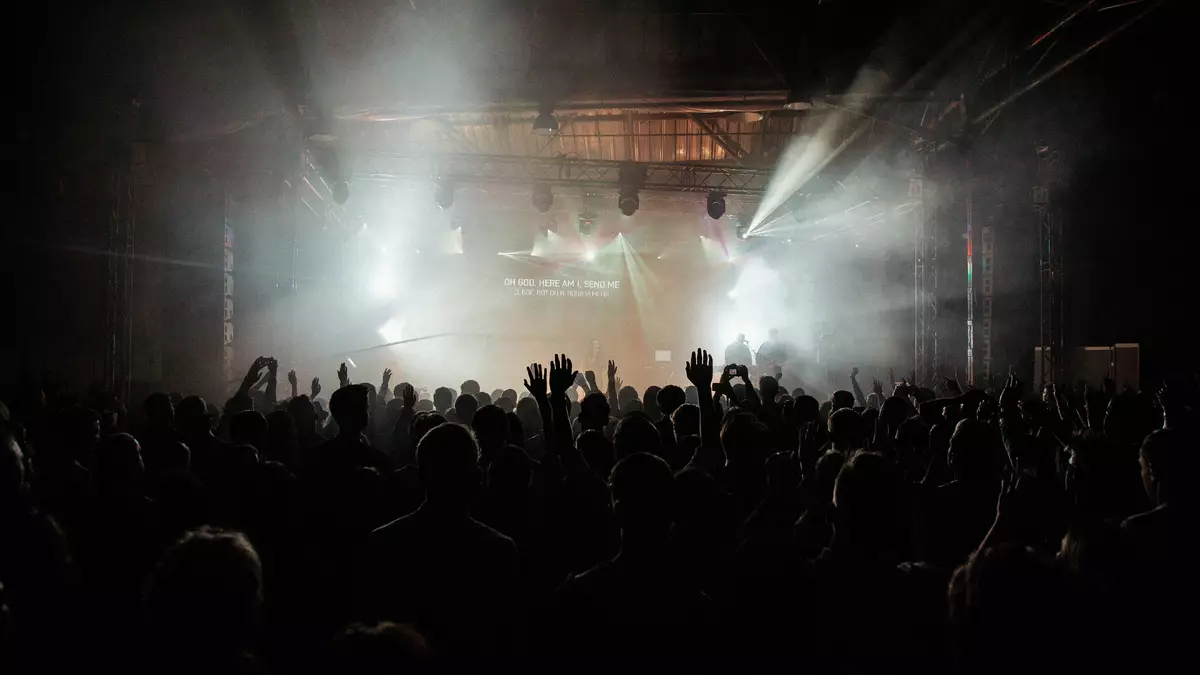
If it feels like Creedence Clearwater Revival are suddenly everywhere again, you’re not imagining it. Their songs are blowing up on TikTok, vinyl pressings keep selling out, and every festival lineup seems to sneak in some kind of CCR tribute or deep-cut cover. For a band that split in the early ’70s, their grip on 2020s music culture is weirdly strong — and still getting stronger.
Part of that new wave of attention is funneling straight into the extended Creedence universe, from official reissues and live-film drops to veteran members touring under the Creedence Clearwater Revisited banner and keeping those swampy riffs loud on stage.
The latest Creedence Clearwater Revival & Revisited updates, tour info and legacy projects
If you’re a newer fan who found them through a Marvel movie or a meme, or a long-time listener wondering what the next chapter looks like, here’s where Creedence Clearwater Revival stand right now — and what you can actually expect in terms of shows, setlists, and future releases.
The Backstory: Breaking News in Detail
In the last year, the Creedence story has shifted from “classic rock history” into something a lot more active. The big catalyst was the renewed focus on live material and archival releases, driven by the stubborn fact that every time the band’s music hits a new platform, a fresh wave of fans shows up.
Industry press has repeatedly pointed out that streams of Creedence Clearwater Revival jumped sharply after high-profile syncs in TV shows, war movies, and prestige dramas. Songs like "Fortunate Son" and "Have You Ever Seen The Rain" became shorthand for a certain cinematic mood, which means directors keep using them — and Gen Z keeps Shazam-ing them. Streaming services then push CCR into algorithmic rock playlists, and suddenly a 1969 single is trading space with new releases from current indie and alt bands.
Behind the scenes, the CCR universe is split between two linked but different realities: the original band’s catalog, and the ongoing live legacy projects built around that catalog. On one side, you have ongoing remasters, live albums, and classic compilations being pushed to DSPs and vinyl shops, often tied to anniversaries of albums like Bayou Country, Green River, and Cosmo’s Factory. On the other side, you have ex-members and top-tier session players touring those songs to packed theaters and festivals under banners like Creedence Clearwater Revisited, giving audiences a way to actually experience this music at volume, in a room, with other people singing along.
Recent press write-ups and fan reports point to a few clear trends. Venues in the US and Europe keep booking Creedence-themed shows because they reliably sell. Summer festival bills love those songs because they cut across age groups: parents know every word, their kids recognize half the hooks from social media, and even casual listeners can shout the choruses by the second repeat. Promoters quietly talk about Creedence-heavy nights as “no-risk nostalgia programming” — but the crowd energy feels a lot more like a proper rock show than a museum piece.
For fans, the main implication is simple: don’t expect a new studio album under the original Creedence Clearwater Revival name any time soon, but do expect the catalog to keep expanding through live releases, documentaries, deluxe editions, and ever more polished tribute and legacy tours. If you care about how you experience these songs — hi-res audio, all-analog pressings, big PA systems instead of phone speakers — the next few years actually look pretty exciting.
There’s also a slow cultural re-evaluation happening. Music writers and podcasters are putting CCR back under the microscope, framing them not just as “dad rock” but as one of the most explosive singles bands of their era, and as a group whose anti-war and working-class themes feel surprisingly current. That narrative shift matters: it pulls them out of the dusty-classic box and puts them right back into the “relevant band with something to say” conversation for a new generation.
The Setlist & Show: What to Expect
If you’ve never seen Creedence songs live and you’re looking at a Creedence Clearwater Revisited or CCR-tribute date on the calendar, the main thing to know is this: you are not getting a casual, once-in-a-while deep-cut set. You are getting a wall-to-wall hits night, with just enough surprises to keep hardcore fans grinning.
Recent setlists shared by fans online tend to follow a similar arc. The show usually kicks off with something immediately recognizable and high-energy like "Born on the Bayou" or "Travelin’ Band" — songs built on that swampy, rolling groove that snaps the whole crowd to attention within the first bar. From there, the set drops into a run of singalongs: "Green River", "Bad Moon Rising", "Lodi", "Down on the Corner". By the time "Up Around the Bend" kicks in, half the room sounds like a drunk choir, and it’s barely halfway through the night.
Mid-set is where things usually stretch out. A slower, emotional cut like "Who’ll Stop the Rain" or "Have You Ever Seen the Rain" gives everyone a breather and a phone-flashlight moment. In fan reviews, these songs often come up as the emotional peak — people connect them to family road trips, parents’ vinyl collections, or political anxiety that weirdly echoes the late ’60s. You can feel the nostalgia mixing with something more present and raw.
Legacy-focused shows often dig a little deeper too. You might hear "Commotion", "Ramble Tamble" or "Wrote a Song for Everyone" in the middle of the set, which is catnip for older fans and a cool education for newer ones who only know the big Spotify numbers. There’s sometimes room for "Suzie Q" as a hypnotic, stretched-out jam, a reminder that Creedence weren’t just single merchants — they could space out and explore a riff like any psychedelic touring monster of their day.
The encore is almost always a sprint through the heaviest hitters: "Fortunate Son" — still spat more than sung, still landing as a protest song whether the band introduces it that way or not — plus "Proud Mary" in full, crowd-led glory. That last song is such a cultural staple that younger fans sometimes only know the Tina Turner version; hearing it in full Creedence mode, with the slow-roll intro exploding into a chugging, river-boat groove, usually locks in a whole new layer of respect.
Sonically, fans talk about a few consistent things at these shows:
- Guitars front and center: That sharp, slightly gritty tone, minimal effects, pure right-hand attack.
- Drums that swing more than they smash, with lots of room in the groove.
- Vocals that lean into character rather than perfection. The goal isn’t karaoke accuracy; it’s selling the story in every song.
The crowd atmosphere skews mixed-age and surprisingly loose. You’ll see teens in vintage-look band tees, older fans who bought the originals, and a whole middle layer who discovered CCR through film soundtracks or classic rock radio. When "Lookin’ Out My Back Door" comes around, people who haven’t danced in months will suddenly start hopping in place. It’s that kind of night.
What the web is saying:
Rumor Mill: What Fans Are Speculating
Whenever a legacy band surges back into the conversation, the rumor mill switches on. Creedence Clearwater Revival are no exception, and fan spaces are buzzing with theories that range from "maybe" to "absolutely not happening".
1. "Will there ever be a full CCR reunion?"
On Reddit and old-school forums, this one refuses to die. Newer fans, especially those who only know the name and not the interpersonal history, keep asking why the original members don’t just "work it out" for one last run. Older fans usually jump in fast to point out the reality: the original band dissolved in the early ’70s, key relationships were deeply damaged, and most of the main players have spent decades making it clear that a proper reunion is off the table. For many, the emotional and legal scars run too deep. The best you’re likely to see are legacy performances and tribute configurations built around the songs, not a formal return of the original Creedence Clearwater Revival lineup.
2. "New studio tracks from the vault?"
Every time a classic rock act drops a "lost" session or unfinished demo, CCR fans start hoping for their turn. TikTok comment sections on viral Creedence edits include people asking if there’s "a secret album" sitting in a label archive somewhere. The more realistic expectation is small: alternate takes, live versions, and cleaned-up recordings from old radio sessions. Creedence worked fast and hard at the time; the sense from archivists is that there aren’t stacks of unknown masterpieces waiting to drop. But the right live tape or session outtake, remastered and properly promoted, can feel new enough to light up the fanbase.
3. "Massive anniversary tours built around full albums"
Another popular theory: a tour where the band (or a legacy project) plays Cosmo’s Factory or Green River front to back. This idea pops up often in r/music threads comparing classic albums. It’s not impossible — album-play tours are a proven draw — but Creedence’s catalog is so stacked with singles that most live projects prefer a "best of everything" approach. Still, don’t be shocked if you start seeing full-album nights advertised by some tribute acts; the demand is clearly there among deep-cut nerds.
4. "Ticket prices and accessibility"
No 2020s music conversation is complete without people arguing about ticket prices. CCR-related shows and tributes are no different. Reddit threads and TikTok stitches regularly compare what fans paid to see current pop stars in arenas versus what a theater-level Creedence tribute charges. The consensus: CCR nights tend to land in a sweet spot. They’re not cheap, but they’re usually more affordable than modern arena pop. Some older fans worry that prices are creeping up as demand rises; younger fans shrug and point out that it’s still cheaper than most tours in the top 40 universe.
5. "Is Creedence the next big ‘resurrected band’ for Gen Z?"
On TikTok, users are already editing cottage-core videos, protest imagery, and road-trip clips to songs like "Have You Ever Seen the Rain" and "Lookin’ Out My Back Door". In comment sections, you’ll see people in their late teens saying things like, "Why does this band from the ’60s understand my anxiety better than current artists?" That vibe has kicked off speculation that Creedence might undergo the same meme-fueled revival that Fleetwood Mac did when "Dreams" went viral. Some fans are flat-out calling them "the next band your friends will pretend they discovered first."
Most of these rumors sit in a fuzzy space between real possibility and wishful thinking, but they all speak to the same truth: Creedence Clearwater Revival aren’t being treated as a closed chapter anymore. They’re an active part of current music fandom, a band people are still arguing about, discovering, and building little fantasy scenarios around.
Key Dates & Facts at a Glance
- Band origins: Creedence Clearwater Revival took shape in El Cerrito, California, evolving out of earlier teenage bands in the late 1950s and early 1960s.
- Breakthrough era: Their core commercial explosion ran from roughly 1968 to 1971, a ridiculously compressed run that produced most of the hits people still sing today.
- Studio albums (classic run): Key releases include Bayou Country (1969), Green River (1969), Willy and the Poor Boys (1969), Cosmo’s Factory (1970), and Pendulum (1970), plus other early and late-period records that rounded out their catalog.
- Signature songs: Fan and chart favorites include "Proud Mary", "Bad Moon Rising", "Fortunate Son", "Have You Ever Seen the Rain", "Down on the Corner", "Up Around the Bend", "Who’ll Stop the Rain", "Green River", "Lodi", "Born on the Bayou", "Lookin’ Out My Back Door", and "Travelin’ Band".
- Chart impact: In the US, Creedence Clearwater Revival racked up multiple Top 10 singles and classic albums that continue to place on all-time lists compiled by critics and streaming platforms.
- Touring legacy: While the original band dissolved in the early ’70s, former members and dedicated players have kept the catalog alive through projects like Creedence Clearwater Revisited, bringing the songs to theaters, casinos, festivals, and fairgrounds across North America and beyond.
- Streaming era boost: Since the mid-2010s, Creedence Clearwater Revival’s monthly listeners on major streaming platforms have consistently placed them among the most-played classic rock acts worldwide.
- Cultural footprint: CCR songs appear in a long list of major films, TV shows, and game soundtracks, especially those dealing with the Vietnam era, small-town America, or road-trip atmospheres.
- Modern fan pathways: New listeners most often report discovering Creedence through movie scenes, viral TikTok audio, curated retro playlists, or through parents and grandparents spinning old vinyl.
- Official & legacy info: Fans looking for current tour activity, projects, and Creedence-adjacent live dates frequently track updates through official and affiliated sites such as the Creedence Clearwater Revisited hub.
FAQ: Everything You Need to Know About Creedence Clearwater Revival
Who exactly are Creedence Clearwater Revival, and why do people still care?
Creedence Clearwater Revival are a late-’60s/early-’70s rock band who somehow combined swamp rock, blues, country, and pop-level hooks into songs that still feel instantly familiar. Instead of long psychedelic jams or over-the-top stadium rock, they built tight, three- to four-minute tracks with massive choruses and sharp storytelling. Their music keyed into the political and emotional tension of their era — the Vietnam War, class frustration, the feeling of being stuck on the wrong side of power — but they wrapped that in riffs you can shout along to on a road trip.
People still care because those themes haven’t gone away. When you hear "Fortunate Son" railing against rich kids dodging the draft, it maps eerily well onto modern conversations about privilege and inequality. When "Who’ll Stop the Rain" plays, it feels like it could be about climate dread or endless bad news as much as it was about the late ’60s. And sonically, their tracks sit perfectly next to modern Americana, heartland rock, indie-folk, and even some alt-pop. For listeners swimming through algorithm playlists, Creedence Clearwater Revival doesn’t sound "old" so much as timeless.
What’s the difference between Creedence Clearwater Revival and Creedence Clearwater Revisited?
This is one of the most common points of confusion for newer fans. Creedence Clearwater Revival is the original recording and touring band whose classic albums and singles built the legend. After the original group split in the early 1970s, there were long stretches of silence, side projects, solo careers, and legal fights.
Decades later, former members and collaborators launched Creedence Clearwater Revisited, a separate live act built around playing the CCR catalog on stage. Think of it as a legacy project: a band dedicated to performing those songs with respect and power, without pretending to be a literal reunion of the exact original lineup. That’s why you’ll see "Revisited" on tour posters, venue calendars, and websites — it signals that you’re getting an officially connected live celebration of the songs, not a time machine back to a 1969 lineup that simply doesn’t exist anymore.
Are Creedence Clearwater Revival touring right now?
The original Creedence Clearwater Revival, as a complete band, are not an active touring unit. Their run ended decades ago, and there’s no realistic scenario where that exact configuration steps back on stage. What is active, and what fans are buying tickets for, are live projects dedicated to the Creedence catalog — often under the Creedence Clearwater Revisited name or via high-end tribute bills that headline classic rock festivals and theater circuits.
These shows function like a touring jukebox of CCR’s biggest songs and cult favorites. Setlists are built to give you the core experience you picture when you think "Creedence concert": the big anthems, the rain songs, the protest bangers, the bayou imagery. If you’re checking a venue calendar and see "Creedence Clearwater" in any form, read the description carefully, but expect a night that leans utterly into the classics.
What songs are absolutely guaranteed to show up in a Creedence-focused set?
No setlist is literally guaranteed, but based on recent fan reports, there’s a cluster of tracks that almost never get left out because the crowd reaction is too strong. That core usually includes:
- "Proud Mary"
- "Fortunate Son"
- "Bad Moon Rising"
- "Have You Ever Seen the Rain"
- "Who’ll Stop the Rain"
- "Down on the Corner"
- "Up Around the Bend"
- "Green River"
- "Born on the Bayou"
- "Lookin’ Out My Back Door"
From there, bands layer in deep cuts depending on how long they have and how hardcore the audience seems. But if you bought a ticket hoping to scream "It ain’t me!" with a few hundred strangers, you can relax — the set is built around exactly that kind of payoff.
Why are Creedence Clearwater Revival suddenly big with Gen Z and younger millennials?
A few reasons have collided at just the right moment. First, the songs are short and hook-heavy, which makes them perfect for TikTok and Reels. A 15-second slice of "Have You Ever Seen the Rain" under a moody bedroom clip or a "leaving my hometown" montage hits hard. The same thing happened to Fleetwood Mac with "Dreams"; Creedence are sliding into that role for a different emotional lane.
Second, streaming has flattened time. A 1969 CCR track and a 2024 indie release can show up right next to each other on an algorithmic playlist if they share a similar tempo, key, or mood. That kills the stigma of "old music" for a lot of younger listeners. They don’t care when it was recorded; they care if it fits their vibe.
Third, the lyrics speak to systems and frustrations that feel current. Songs about unfairness, war, rich kids dodging consequences, or wanting to escape a dead-end town resonate in every era — especially one dealing with economic pressure and political burnout. Younger fans talk about Creedence as "weirdly relatable" in ways they didn’t expect from a band their grandparents might have seen live.
Is there any point in seeing a Creedence-themed show if it’s not the original band?
If you’re the kind of listener who needs the original lineup on stage for an experience to feel "legit", you might hesitate. But for a huge number of fans, the songs themselves are the point — and those songs are built to be played loud in a room full of people. Legacy shows and tribute tours rise or fall based on how well they tap into that energy.
Reports from recent Creedence-focused gigs suggest that, when done right, these nights have more in common with a full-on rock show than with a polite nostalgia revue. People stand up early, they sing badly but loudly, and they treat "Fortunate Son" like it came out last year. If you love this catalog and you’ve only ever heard it through headphones or car speakers, seeing a tight band slam through "Travelin’ Band" and "Proud Mary" back to back can feel weirdly fresh — almost like discovering the music all over again.
How can new fans properly dive into Creedence Clearwater Revival’s music in 2026?
The easiest on-ramp is still a good greatest-hits collection or an official streaming playlist. That gives you all the obvious songs in one place and lets your brain link them together as a coherent sound instead of scattered singles from movies and ads.
After that, try living with full albums. Green River and Cosmo’s Factory are the usual starting points people recommend in music forums: they show how deep the band’s writing went beyond the hits. Spend a week with one record at a time, front to back. Listen in headphones, on speakers, in the car at night. Then, if there’s a Creedence-focused show or tribute within reach of where you live, consider grabbing a ticket. Hearing "Bad Moon Rising" with a drunk stranger’s arm around your shoulders is a very different experience from hearing it in a movie trailer or a TikTok loop — and it’s that live context that’s helping Creedence Clearwater Revival feel new all over again in 2026.


