Why Creedence Clearwater Revival Is Suddenly Everywhere Again
Veröffentlicht am: 23.02.2026 um 22:49 Uhr | Redaktionelle Verantwortung: Rafael Müller, Chefredakteur AD HOC NEWS
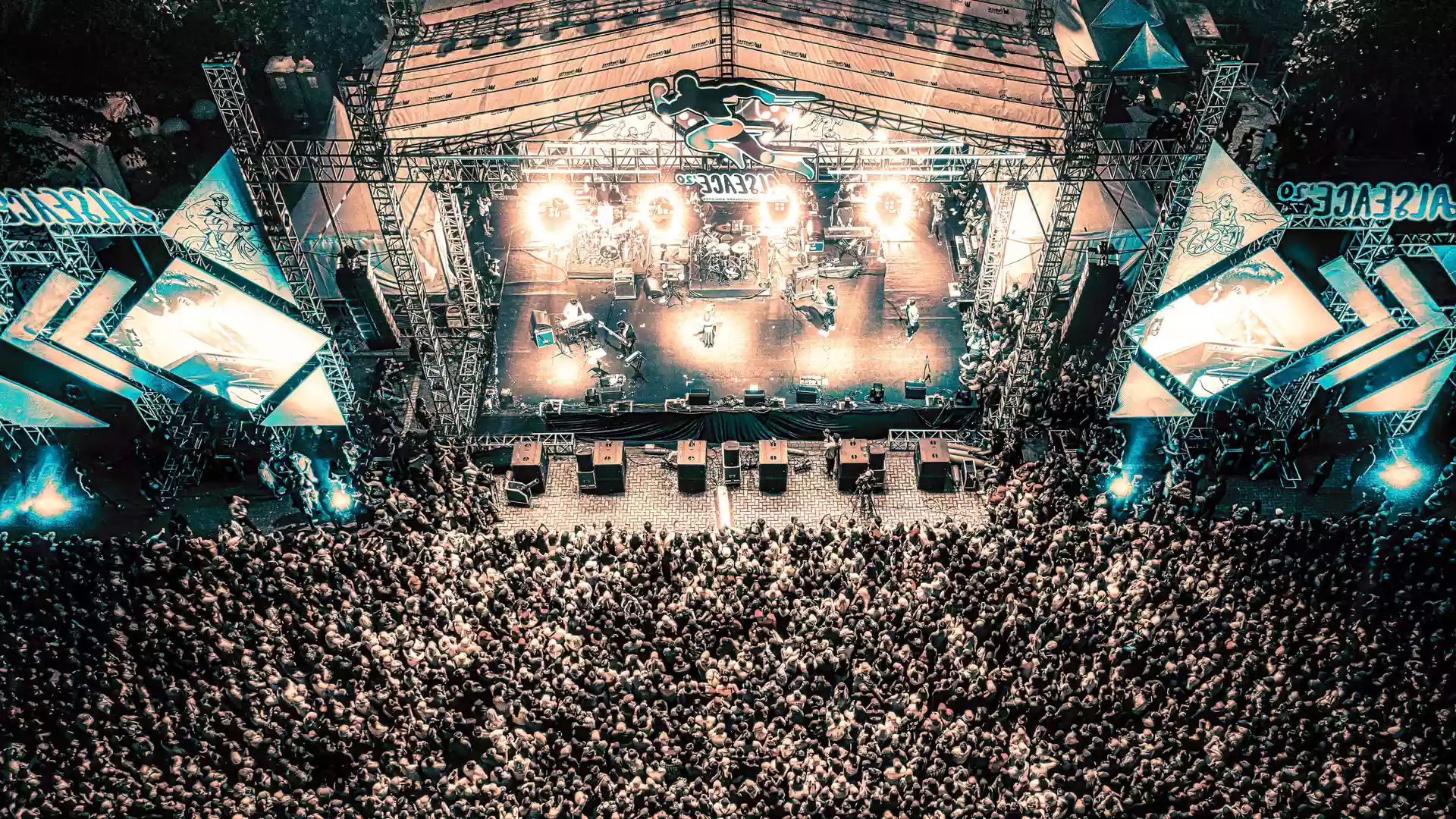
If it feels like Creedence Clearwater Revival is suddenly everywhere again, you’re not imagining it. Their songs are sliding back into TV soundtracks, getting chopped up for TikTok edits, and blasting out of festival speakers from Austin to Glastonbury-style weekenders. For a band that broke up more than 50 years ago, CCR is having a very modern kind of comeback, powered by nostalgia, sync placements, and a new wave of tribute shows that are introducing those swamp-rock hooks to Gen Z in a big way.
Explore the modern Creedence experience and tour news here
You know the songs even if you think you don’t: "Bad Moon Rising", "Fortunate Son", "Proud Mary", "Have You Ever Seen the Rain?". Those riffs are baked into pop culture, and 2026 is turning into another spike year for CCR love. Between anniversary chatter, high-profile soundtrack placements, and the ongoing cult status of Creedence Clearwater Revisited and other tribute outfits, the band’s spirit is firmly back in the chat.
The Backstory: Breaking News in Detail
There isn’t a shiny new Creedence Clearwater Revival studio album dropping in 2026, and that’s exactly what makes the current buzz so fascinating. This is a legacy band punching through the noise era with pure catalog power and clever modern framing.
First, there’s the touring ecosystem around the name. While the original Creedence Clearwater Revival dissolved in the early 1970s, spin-off and tribute projects have kept the flame burning for decades. Creedence Clearwater Revisited, featuring former CCR members Stu Cook and Doug "Cosmo" Clifford, spent years on the road turning those classic songs into a full-scale live ritual for new audiences. Even as that project has wound down, the brand and the sound are alive in 2026 through successor tours, licensed tribute productions, and one-off festival specials that lean heavily into the CCR identity and songbook.
Second, the streaming era has quietly turned CCR into one of those "algorithm-core" rock bands. Their tracks are short, hooky, and instantly recognizable, which means they slot perfectly into curated playlists: road trip rock, Vietnam-era soundtracks, Americana, protest anthems, even "rainy day" lists anchored by "Have You Ever Seen the Rain?". Industry watchers have pointed out that every time a major film, prestige series, or game syncs "Fortunate Son" or "Run Through the Jungle", you can literally see a spike in searches and streams the next week.
That pattern has repeated several times in the last year. A big-budget war series and a couple of viral TikTok edits built on "Fortunate Son" have dragged CCR right back into the center of the For You page. Users cut vintage footage, Call of Duty clips, and meme-y POV videos to that opening riff, which has become shorthand for "incoming chaos" or "someone’s about to get owned by the system". The song’s anti-privilege message hits different when you’re watching it against clips about student debt or unfair bans, and younger fans are responding to that.
Meanwhile, label and rights-holders have been leaning into the moment. Remastered audio, Atmos mixes, and polished live recordings have surfaced on streaming platforms, often promoted as anniversary editions. Whenever another CCR-related milestone hits — like the anniversary of "Willy and the Poor Boys" or "Cosmo's Factory" — it sparks a round of thinkpieces and YouTube deep dives. These cycles are now timed around tour announcements from Creedence-branded tribute acts, creating a loop where nostalgia, live shows, and algorithm pushes cross-feed each other.
For fans, the implications are pretty sweet: more chances to hear these songs live in decent-sized venues instead of dusty bar band settings, better-sounding digital versions of iconic albums, and a cultural context where knowing CCR isn’t just a "dad rock" badge — it’s a kind of retro-cool music literacy that plays alongside indie, alt, and even some emo revival playlists.
In short, the story in 2026 isn’t "CCR is back" as a band. It’s that Creedence Clearwater Revival has quietly become part of the modern music language again, and the ecosystem around their catalog is treating it as current, not just archived.
The Setlist & Show: What to Expect
So what does a Creedence-flavored night out actually look like in 2026? Whether you’re hitting an officially branded Creedence Clearwater Revisited-style show or one of the many high-end CCR tribute tours, the core promise is the same: a front-to-back celebration of the songs that made the band a rock-radio staple.
Typical setlists pull heavily from the late-60s/early-70s peak. Expect an explosive opener like "Born on the Bayou" or "Green River" to set the tone. Those songs drop you straight into the band’s signature swamp-rock mood: guitar tones soaked in reverb, loose but locked-in rhythm section, and that ragged, howling vocal style that defined John Fogerty’s songwriting.
From there, shows tend to move quickly through the biggest hits. You’ll almost always get "Bad Moon Rising", with the whole crowd shouting the chorus and half the room mis-singing the "there’s a bad moon on the rise" line as the infamous "bathroom on the right" mondegreen. "Proud Mary" is a guaranteed centerpiece, often stretched out a bit so the band can lean into the groove, tease a breakdown, and let the crowd handle the "rollin', rollin', rollin' on the river" refrain.
Fan favorites like "Lodi", "Down on the Corner", and "Lookin' Out My Back Door" bring a more laid-back, almost country-rock flavor to the middle of the set. In modern tribute shows, these tracks are where you’ll see multi-generational crowds relaxing into it: younger fans catching the songs they know from playlists, older fans closing their eyes and singing like it’s 1969 again. The vibe is communal rather than precious — people aren’t standing in silence; they’re dancing, clapping, and yelling out requests.
The political edge of CCR’s catalog also comes through live. "Fortunate Son" is usually saved for the back half or the encore, and it still lands like a brick. That opening drum fill rolls out and you can feel the energy in the room shift. The song may have been written about Vietnam-era privilege and avoidance of the draft, but when a band tears into it in 2026, it’s impossible not to connect it to current inequalities. That’s part of why younger fans have latched onto it: it’s angry, catchy, and painfully relevant.
Deep-cut moments vary by tour, but dedicated CCR-centric acts like to flex a bit for the hardcore fans. You might hear "Ramble Tamble", "It Came Out of the Sky", or "Penthouse Pauper" sneak into the set. When those songs show up, the older heads in the crowd light up — it’s a signal that this isn’t just a casual covers gig, it’s a band that actually cares about the full Creedence catalog.
Production-wise, don’t expect a laser-heavy stadium pop spectacle. The magic of a Creedence-style show is in the sound, not the staging. Guitars are pushed loud and raw, drums feel organic, and the arrangements stay fairly close to the original records with just enough room to stretch. The best tribute outfits honor the spirit of the band without trying to cosplay the personalities too hard. They know fans are there for the songs, the groove, and a couple of hours of time travel.
If you’re wondering whether it feels "dated" live, the answer from fan reports is pretty clear: not at all. The groove-first approach and tight song lengths actually line up nicely with modern attention spans. No 20-minute guitar noodling, no indulgent solo marathons — just hook after hook, chorus after chorus, and a shared sense that these songs still mean something.
What the web is saying:
Rumor Mill: What Fans Are Speculating
Whenever a classic band surges back into the feed, the rumor mill starts. Even though the original Creedence Clearwater Revival lineup is long gone as an active unit, that hasn’t stopped fans from theorizing, hoping, and occasionally arguing about what could still happen under the CCR banner.
On Reddit, you’ll find threads debating everything from potential hologram experiences to whether some form of "official" Creedence Clearwater Revisited 2.0 might hit the road again with younger players formally endorsed by the surviving members. Some users argue that the songs are bigger than any one lineup and that a carefully curated, legacy-approved touring band could give new generations a near-definitive live CCR experience without pretending to be something it’s not.
Others push back hard, insisting that slapping the name on yet another project would dilute the brand. For them, the magic of CCR is tied to the tension, chemistry, and even the messy breakup story of the original group. To that crowd, tribute tours and cover bands are fine — fun, even — but they should be clearly labeled as such, not folded into the official Creedence story.
TikTok, meanwhile, is fueling its own set of mini-mythologies. Short clips claiming "this is the song your grandpa protested with" over "Fortunate Son" audio turn into comment wars about what the track actually meant, and whether it’s being "used right" when set against gaming montages or lifestyle content. A smaller but vocal group of users have started pushing for full deep dives into the lyrics of songs like "Who'll Stop the Rain" and "Wrote a Song for Everyone", arguing that these tracks speak to climate anxiety, information overload, and political burnout in ways that weren’t possible when they first dropped.
There’s also ongoing speculation about more archival releases. With streaming and deluxe reissues still driving catalog revenue, fans regularly float wishlists: complete 1970s live shows in high fidelity, a cleaned-up version of every surviving festival set, behind-the-scenes studio chatter, maybe even AI-assisted separation of multitracks for immersive remixes. Every time a label pushes out a new remaster, those rumor threads flare up again: is this the start of a bigger CCR archival campaign?
Another hot-button topic: film and biopic treatment. With every new music biopic that hits theaters, Reddit users pitch their ideal Creedence film. Who would play John Fogerty? How much of the plot would focus on the band’s brutal contract issues and internal conflicts versus the pure creative rush of banging out multiple classic albums in such a short time? Fans want the story told, but there’s division over whether Hollywood would flatten the nuances just to pump up the hits.
At the heart of all these theories is one simple feeling: people aren’t done with Creedence Clearwater Revival yet. Even fans who know a full-blown reunion is impossible still imagine new ways the catalog could live, whether that’s an official tribute roadshow with immersive visuals, a Broadway-style jukebox musical, or a prestige docuseries that finally puts all the pieces together.
Key Dates & Facts at a Glance
- Band origin: Creedence Clearwater Revival emerged from El Cerrito, California, evolving out of a high school band originally known as The Blue Velvets and later The Golliwogs in the early 1960s.
- CCR classic-era run: The core, massively influential run of albums landed between 1968 and 1972, an insanely dense four-year burst of creativity.
- Debut album: The self-titled "Creedence Clearwater Revival" album dropped in 1968 and featured their breakout take on "Suzie Q".
- Signature albums: Key releases include "Bayou Country" (1969), "Green River" (1969), "Willy and the Poor Boys" (1969), "Cosmo's Factory" (1970), and "Pendulum" (1970).
- Chart dominance: CCR famously scored multiple Top 10 singles in the US without ever clinching a No. 1 on the Billboard Hot 100, despite songs like "Bad Moon Rising" and "Proud Mary" feeling omnipresent.
- Iconic singles: Fan and radio staples include "Fortunate Son", "Proud Mary", "Bad Moon Rising", "Down on the Corner", "Green River", "Run Through the Jungle", and "Have You Ever Seen the Rain?".
- Breakup period: Internal tensions, business disputes, and creative control conflicts led to the band’s collapse in the early 1970s, with the final studio album arriving in 1972.
- Creedence Clearwater Revisited: In the mid-1990s, original members Stu Cook and Doug Clifford launched Creedence Clearwater Revisited, a touring project dedicated to performing the CCR catalog live to new audiences.
- Modern legacy activity: Through the 2000s and 2010s into the 2020s, various CCR-focused tours, tributes, and official releases have kept the band’s songs on the road and on streaming platforms.
- Streaming impact: In the 2020s, CCR tracks regularly rack up hundreds of millions of plays across platforms, proving the enduring pull of those compact, riff-driven songs.
- Cultural placements: "Fortunate Son" in particular has become a go-to sync for war scenes, protest montages, and satirical takes on wealth and privilege, driving regular spikes in discovery.
FAQ: Everything You Need to Know About Creedence Clearwater Revival
Who exactly are Creedence Clearwater Revival?
Creedence Clearwater Revival were a California-born rock band who somehow sounded like they crawled out of the Louisiana bayou. The classic lineup featured John Fogerty (lead vocals, lead guitar, primary songwriter), Tom Fogerty (rhythm guitar), Stu Cook (bass), and Doug "Cosmo" Clifford (drums). Between 1968 and 1972 they cranked out a run of albums and singles that turned them into one of the most important American rock bands of their era.
Musically, CCR fused rock and roll, blues, country, and R&B into a lean, swampy sound that cut straight through the late-60s psychedelic haze. While a lot of bands were stretching songs into long jams, CCR doubled down on three-minute punches packed with hooks and gritty vocals. That focus is a big reason their tracks still work in playlists today: they get in, say what they need to say, and get out.
Why are people still obsessed with Creedence Clearwater Revival in 2026?
The short answer: the songs haven’t aged. They’re simple without being shallow, political without being preachy, and catchy without feeling disposable. Tracks like "Fortunate Son" and "Who'll Stop the Rain" hit a generational nerve when they came out, but the themes — inequality, disillusionment, longing for stability — map neatly onto current anxieties.
On top of that, their sound has quietly become a kind of musical shorthand. Film and TV supervisors use CCR to signal a specific feeling or era instantly. Game developers drop those riffs into intense or ironic moments. TikTok creators lean on that instantly recognizable vibe to frame everything from memes to mini-documentaries. With every new placement, another wave of listeners goes, "Wait, what song is this?" and falls down the rabbit hole.
What is Creedence Clearwater Revisited, and how does it connect to CCR?
Creedence Clearwater Revisited is a live project created by original CCR members Stu Cook and Doug Clifford. In the mid-1990s they decided that, even though the original band was long gone, the songs deserved to be heard loud and onstage, not just through old vinyl. They recruited a new lineup of players and toured under the Revisited banner, focusing entirely on the classic Creedence catalog.
For fans, this meant a chance to hear the music performed by at least some of the people who helped build the original groove. Over the years, Revisited became a reliable touring force, crossing North America, Europe, and beyond. Even as that project has slowed and morphed, its existence helped normalize the idea that CCR’s legacy lives on in performance, not just in the history books.
Can you still see Creedence Clearwater Revival live today?
The original Creedence Clearwater Revival as a full band is not active and hasn’t been for decades. There’s no reunion tour, no classic-lineup comeback on the horizon. But the spirit of the band is very much alive on stage through multiple channels.
First, there are legacy-connected projects like Creedence Clearwater Revisited and offshoots or successor acts that continue that blueprint. Second, there’s a thriving scene of dedicated CCR tribute bands, some of which are good enough to headline festivals and theater circuits. These groups build full-set experiences around the Creedence catalog, often recreating deep cuts alongside the obvious hits.
If you want to feel what these songs do to a room, those are your best bets: look for Creedence-branded tributes in mid-size venues, theaters, outdoor summer concert series, and classic-rock festival lineups. You’re not getting a time machine, but you are getting the communal sing-along and that unmistakable groove at high volume.
What are the must-hear Creedence Clearwater Revival songs if you’re new?
If you’re CCR-curious and don’t know where to start, there are a few essential tracks that define the band’s range:
- "Fortunate Son" — the snarling, anti-privilege anthem that refuses to lose relevance.
- "Proud Mary" — a rolling, river-soaked classic that spawned countless covers but hits hardest in its original form.
- "Bad Moon Rising" — upbeat on the surface, ominous in the lyrics, and impossibly catchy.
- "Green River" — rootsy, atmospheric, and packed with that swamp-rock DNA.
- "Down on the Corner" — a street-party groove that shows the band’s lighter side.
- "Have You Ever Seen the Rain?" — melancholic, reflective, and one of their most emotionally direct songs.
Once those are lodged in your head, full albums like "Cosmo's Factory" and "Willy and the Poor Boys" reveal how much depth there is beyond the obvious hits.
How did Creedence Clearwater Revival influence modern music?
CCR’s impact runs deeper than a few borrowed riffs. Their approach to songwriting — concise, hooky, and emotionally blunt — shaped how later rock, heartland rock, alt-country, and Americana artists thought about building songs. You can hear their DNA in everyone from Bruce Springsteen and Tom Petty to indie bands that favor raw groove over slick perfection.
They also proved that you didn’t need to be part of the psychedelic or prog-rock arms race to matter in the late 60s. While others leaned into complex suites and extended jams, CCR doubled down on rhythm, tone, and songwriting clarity. That ethos lines up pretty closely with how a lot of modern bands approach streaming-era attention spans: grab listeners fast, give them something to shout along to, and don’t waste time.
What’s fueling all the Creedence chatter right now?
The current uptick in CCR conversation is the result of several converging forces. Sync placements in shows, films, and games keep the songs freshly visible. Social platforms — especially TikTok and YouTube — reward tracks with strong intros and instantly recognizable vibes, which Creedence songs have in spades. Legacy-related touring projects and tribute acts give fans a physical outlet for that love, filling rooms with multi-generational crowds.
On top of that, younger listeners are increasingly crate-digging back into older music, unbound by genre loyalty. CCR fits perfectly into that shuffle: you can drop "Green River" between modern indie, alt, and even some pop tracks without it feeling out of place. The band sits at that sweet spot of being legendary but not overexplained, so discovering them still feels personal.
Put all of that together, and you get exactly what we’re seeing in 2026: a band that technically ended more than half a century ago, but whose songs are still sparking new conversations, new live experiences, and new fans who weren’t even close to born when those records were pressed.