
Why Arcade Fire Still Resonates with Young Fans Across North America in 2026
Published on 04/26/2026 at 17:03 | Editorial responsibility: Rafael Müller, Editor-in-Chief AD HOC NEWS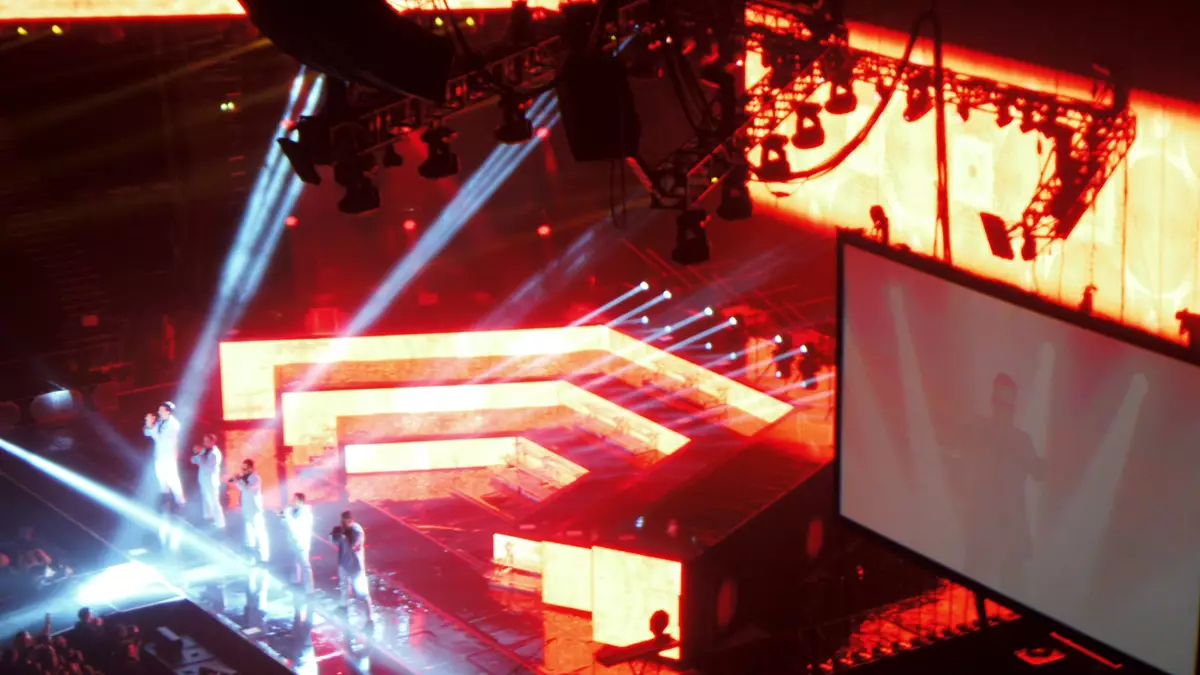
Arcade Fire has been a game-changer in indie rock since the mid-2000s, and their music still hits hard for young fans across North America. Formed in Montreal, Canada, this band mixes rock, art-pop, and electronic sounds into huge anthems that fill stadiums and playlists. For teens and young adults in the US and Canada, Arcade Fire offers more than just catchy tunes—they deliver stories about life, rebellion, and connection that feel personal and powerful.
Why does Arcade Fire matter now in 2026? Indie rock is booming again, and their depth stands out beyond quick social media hits. Songs like 'Wake Up' and 'Rebellion (Lies)' build character, spark deep talks with friends, and soundtrack big moments like graduations or road trips. In North America, where live music festivals and streaming playlists rule, Arcade Fire's energy connects with fans craving something real amid the noise.
The band's story starts in 2001 in Montreal, when brothers Win and Will Butler began jamming with friends. What grew from those sessions was a massive sound—blending punk attitude, orchestral swells, and raw emotion. By 2004, their debut album Funeral exploded onto the scene, earning critical raves for its honest take on loss and growth. That raw start hooked North American listeners who saw their own struggles reflected in the lyrics.
Arcade Fire's breakthrough came with albums that felt like events. Neon Bible, their second record, dropped in 2007—March 5 in Europe, March 6 in North America via Merge Records. Tracks like 'Keep the Car Running' and the title song captured a sense of urgency and hope, perfect for a generation facing big changes. The album's mix of church organs, guitars, and driving beats made it a staple at indie festivals from Coachella to Montreal's own Osheaga.
What sets Arcade Fire apart is their 'oversized' live shows. With 7 to 10 members on stage at times, they bring hurdy-gurdies, violins, and full drum kits for a sound that's both chaotic and precise. Imagine a concert where the whole crowd sings along to anthems that build like waves— that's Arcade Fire magic. Young fans in cities like Toronto, New York, and Los Angeles still chase that feeling through old live footage or vinyl hunts.
Speaking of hits, 'We Exist' from 2013's Reflektor album stands out. Clocking in at 5:44, it's a bold track about identity and standing out, with a video that sparked conversations. Even years later, it resonates with North American youth navigating self-expression in a digital world. Arcade Fire doesn't chase trends; they create moments that last.
For new listeners, start with the essentials. Funeral (2004) is raw grief turned into triumph—songs like 'Neighborhood #1 (Tunnels)' feel like secret adventures. Then hit The Suburbs (2010), their Grammy-winning masterpiece about growing up in cookie-cutter neighborhoods. Tracks like 'Ready to Start' and 'Sprawl II (Mountains Beyond Mountains)' capture suburban boredom and dreams of escape, super relatable for anyone in American or Canadian suburbs.
Arcade Fire's influence spreads wide. They paved the way for bands like The National and Vampire Weekend, showing how indie could go big without selling out. In North America, their success helped indie labels like Merge thrive, bringing more diverse sounds to Spotify and TikTok playlists. Young fans discover them through movie soundtracks, like Her, or viral clips of Win Butler's passionate performances.
Style-wise, Arcade Fire mixes high energy with thoughtful lyrics. Win Butler's voice soars over layers of instruments, creating anthems that demand you move. Their videos and album art—think eerie suburbs or glowing masks—add a visual punch that sticks with Gen Z. It's all about building worlds you want to live in.
Why North America specifically? As a Montreal band, they rep Canada's indie scene while touring the US extensively. Festivals like Lollapalooza and Bonnaroo introduced them to millions, and their music scores American coming-of-age stories. Today, with streaming crossing borders easily, US and Canadian kids share playlists featuring Arcade Fire next to modern acts like boygenius or Fontaines D.C.
Dig deeper into their catalog. Reflektor (2013) brought disco vibes and existential questions, with James Murphy of LCD Soundsystem co-producing. Singles like 'Reflektor' and 'Normal Person' pulse with danceable doubt—ideal for late-night drives or house parties. Then Everything Now (2017) critiqued consumer culture, sparking debates among fans about fame and authenticity.
Recent works like WE (2022) explore division and unity, themes that hit home post-pandemic. Tracks like 'The Lightning I' build tension into release, mirroring life's ups and downs. Arcade Fire keeps evolving, pulling in electronic edges and guest spots that keep things fresh for longtime fans.
For young readers, Arcade Fire teaches that music can be a community. Their shows turn strangers into singers, and albums invite you to reflect. In 2026, as algorithms push shallow tracks, Arcade Fire reminds us of songs that stick—ones that make you feel seen.
Essential playlist for starters:
- 'Wake Up' – Ultimate empowerment anthem.
- 'Rebellion (Lies)' – Punky call to break free.
- 'We Used to Wait' – Nostalgic tech-age lament.
- 'Sprawl II' – Synth-pop gem for dreamers.
- 'Everything Now' – Catchy critique of excess.
These tracks capture Arcade Fire's range: from quiet builds to explosive choruses.
The Butler brothers' chemistry drives it all. Win's lyrics draw from personal stories—family, loss, love—while Will's arrangements add epic scale. Add bandmates like Régine Chassagne on violin and accordion, and you get a family-like unit pouring heart into every note.
North American relevance shines in their roots. Montreal's vibrant scene—think Expositor or Igloofest—influenced their big-stage ambition. They've headlined Montreal Jazz Fest and drawn crowds from Vancouver to Miami, cementing cross-border love.
Influence on pop culture? Huge. The Suburbs won Album of the Year Grammy in 2011, a rare indie feat. Their sound pops up in TV like The Leftovers and games, exposing new gens. TikTok edits of 'Month of May' go viral for chaotic energy fits.
What to watch next? Stream their NPR Tiny Desk or Austin City Limits sets—proof they scale intimacy to epic. Hunt vinyl at local shops; the gatefold art is art itself. Follow for any festival whispers, as their live return always buzzes.
Arcade Fire's staying power? They evolve without losing soul. From punk roots to polished productions, they mirror life's messiness. For young North Americans, they're the band that makes you believe in music's power to unite and uplift.
Let's break down key albums more.
Funeral (2004): Born from real losses, it's intimate yet anthemic. 'Haiti' honors roots with Chassagne's Haitian heritage shining.
Neon Bible (2007): Darker, prophetic vibes. 'Intervention' rips with organ fury.
The Suburbs (2010): Suburban ennui masterpiece. Double album sprawls like the places it critiques.
Reflektor
(2013): Disco-indie hybrid. 'Here Comes the Night Time' grooves deep.Everything Now (2017): Funky satire. Title track mocks hype culture.
WE (2022): Introspective amid chaos. 'Unconditional I' glows with love.
Each builds on the last, rewarding deep dives.
Their visuals amplify. Reflektor's Haiti-shot video for 'We Exist' tackles trans visibility boldly. Art direction by Will Butler adds layers—masks, mirrors, suburbia surreal.
Fan stories abound: Kids at Warped Tour discovering them, or college radio DJs spinning rarities. In North America, they're festival kings—Pitchfork, Sasquatch, you name it.
Why young fans love them: Lyrics like 'We don't want to work for your paychecks' in 'No Cars Go' rebel smartly. It's empowerment without cheese.
In 2026's playlist world, Arcade Fire cuts through. Pair 'Flashbulb Eyes' with modern electronica for fresh mixes.
Band trivia: They've collaborated with David Bowie, who loved Funeral. That endorsement boosted global reach.
Their instruments? Beyond guitars—accordions, xylophones, hurdy-gurdies for otherworldly feels.
Live, they thrive on chaos control. Impromptu encores, crowd singalongs—pure joy.
For North American readers: Check Montreal's influence—bilingual vibes, winter grit in songs like 'Ocean of Noise'.
Next steps: Build a playlist, watch docs like The Reflektor Tapes, explore side projects (Will Butler's solo stuff rocks).
Arcade Fire proves indie can endure. Their anthems rally us through whatever comes.
Expand on songs. 'Wake Up': Graduation staple, lyrics urge living big.
'Ready to Start': Anti-conformity banger.
'The Suburbs': Aching normalcy critique.
'Afterlife': Disco on eternity.
'Put Your Money on Me': Funky gamble.
Each a world. Stream, absorb, share.
Influence chain: Arcade Fire ? Bon Iver ? Hozier ? today's folk-rockers.
They championed indie ethics—DIY tours, label loyalty.
2026 relevance: As AI curates music, human-crafted epics like theirs shine.
Final push: If you haven't, press play. Arcade Fire awaits.


