
Whitney Houston legacy grows with fresh honors
Published on 06/12/2026 at 13:32 | Editorial responsibility: Rafael Müller, Editor-in-Chief AD HOC NEWS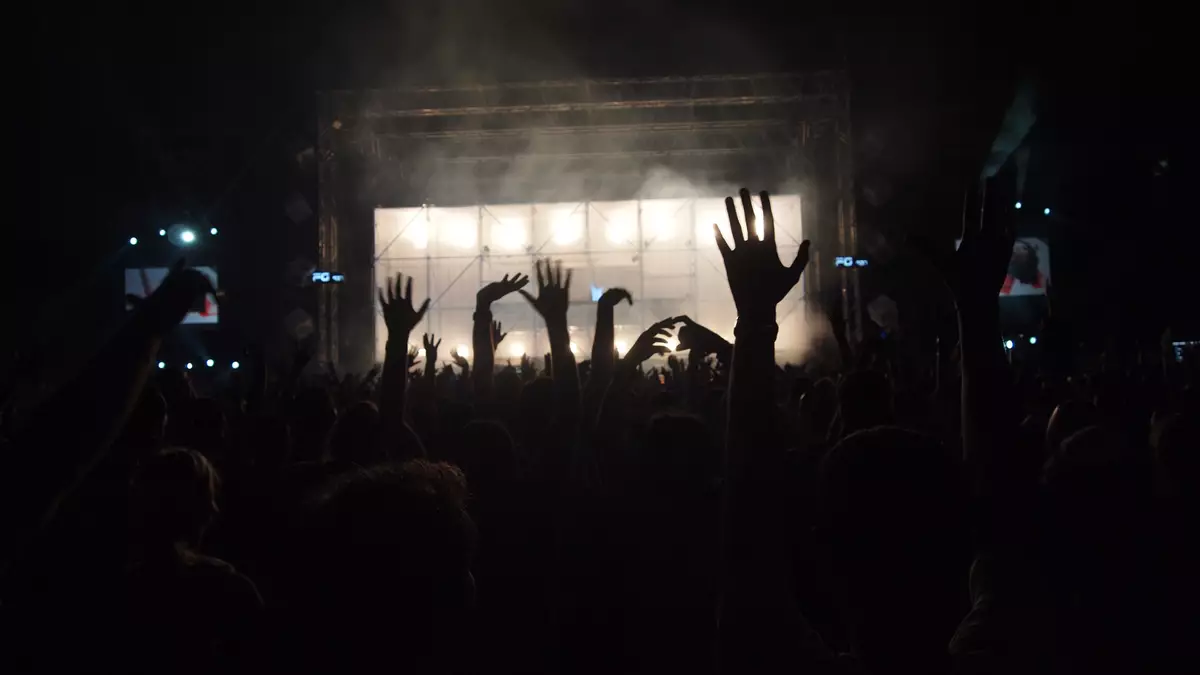
Whitney Houston still feels present every time her voice soars from a radio, playlist, or arena sound system, and in 2026 the singer's catalog continues to pull new listeners into that unmistakable blend of pop, R&B, and gospel power.
Whitney Houston at the heart of festival memories
For many US pop and R&B fans, Whitney Houston is inseparable from the sound of big stages, halftime shows, and outdoor festivals, where her recordings have become part of the shared soundtrack between acts and changeovers. Long after her passing, tracks like I Wanna Dance with Somebody (Who Loves Me) and her definitive reading of The Star Spangled Banner still surge from PA systems at stadiums and summer events, linking generations that never saw her perform live to those who did.
The singer's reputation as a commanding live performer was built on carefully crafted tours and television moments rather than constant road work. Houston headlined arena runs across the United States in support of albums such as Whitney and My Love Is Your Love, bringing a full band, backing vocalists, and arrangements that emphasized her control over dynamics and phrasing. US venues from New York to Los Angeles became stages for extended versions of hits, gospel medleys, and ballads that showcased her range.
As a festival presence, Houston was less about traditional multi-artist outdoor bills and more about one-off event performances that took on a festival-like scale in reach. Televised specials, global benefit concerts, and high-profile televised appearances placed her in front of varied audiences, creating some of the most replayed pop-vocal performances of the late twentieth century. At contemporary US festivals, younger acts frequently cite her as a touchstone from the stage, and DJs fold her hooks into remix sets, underscoring how deeply embedded her songs remain in live culture.
The ongoing circulation of her performances on video platforms has effectively turned classic shows into a perpetual digital tour. For many viewers, watching Houston deliver Greatest Love of All in archival footage is the closest analogue to a festival headliner set, with comment sections filled by fans trading memories and first-time reactions. Those recordings highlight the same qualities that would energize a festival audience today: effortless projection, emotional clarity, and the ability to make massive spaces feel personal.
- Houston's arena tours helped define late 1980s and 1990s pop spectacle
- Her recordings remain staples of stadium and festival playlists
- Archival live clips function as virtual headliner sets for new fans
- Modern artists regularly salute her from US festival stages
Current US live acts across pop, R&B, and even indie scenes still measure their own vocal ambitions against the bar Houston set in these large-scale contexts. When festival vocalists lean into big key changes or extended ad-libs, critics and fans alike frequently reach for her name as a reference point, underlining how strongly her stage history continues to shape expectations of the pop-diva format.
Voice, image, and why Whitney still matters
To understand why Whitney Houston retains such a central place in pop culture, it is necessary to start with the voice itself. Houston bridged the gospel church and the MTV era, combining a technically precise instrument with an intuitive sense of drama. Her phrasing could be clipped and rhythmic on uptempo tracks or luxuriously stretched across ballads, always grounded in an unmistakable tone that cut through dense 1980s and 1990s production styles.
That vocal presence anchored a string of studio albums that became touchstones for pop, R&B, and adult contemporary audiences. Her self-titled debut, Whitney Houston, established her as a crossover force, while its follow-up Whitney cemented her place at the top of the charts with a run of singles that dominated radio. Later releases like I'm Your Baby Tonight and My Love Is Your Love demonstrated her ability to adapt to shifting R&B and hip-hop-influenced production without losing her core identity.
Houston's image was carefully shaped through music videos, magazine covers, and televised performances that framed her as both relatable and aspirational. In the US market, she became a household name whose music crossed generational, racial, and genre boundaries, making her a fixture at weddings, graduations, and major televised events. This broad reach helps explain why her catalog continues to perform strongly on streaming platforms and why each new reissue or biographical project finds an audience.
The singer's importance also lies in the doors she opened for other artists. Later generations of vocalists, including stars across pop, R&B, and gospel-inflected soul, have cited Houston as a model for how to balance technical virtuosity with mainstream accessibility. Her success proved that a Black woman could command the center of the global pop conversation while bringing church-rooted vocal traditions into the pop mainstream.
As new listeners discover her work through film soundtracks, playlists, and social media trends, they encounter an artist whose recordings still feel contemporary in their emotional directness. The combination of vocal power, melodic clarity, and polished production continues to resonate with audiences accustomed to modern pop's mix of digital precision and human imperfection. That ongoing relevance is a key reason Houston remains central to conversations about the greatest vocalists in popular music history.
From Newark roots to global breakout
Whitney Houston's story begins in Newark, New Jersey, and nearby East Orange, where she grew up in a family deeply rooted in music. Her mother, Cissy Houston, was a renowned gospel and soul singer who worked with acts like the Sweet Inspirations, and her cousins Dionne Warwick and Dee Dee Warwick were already established voices in American pop and R&B. This environment exposed Whitney to professional-level singing from an early age, with church providing her first public platform.
As a teenager, Houston began singing backup in her mother's club performances and in studio sessions, gaining experience in harmonies, microphone technique, and stage presence. The church choir remained a central training ground, shaping her approach to dynamics and emotional delivery. She also pursued modeling, appearing in magazines and advertising campaigns, which gave her additional visibility and comfort in front of cameras.
Her path toward a solo recording career accelerated when she attracted the attention of industry executives impressed by her vocal range and poise. Signing with a major label set the stage for a debut that would introduce her to a global audience. The label invested in carefully selected material, pairing her with producers who could frame her voice within the polished pop and R&B production of the mid-1980s while leaving room for her signature crescendos and rich vibrato.
The resulting debut album, Whitney Houston, released in the mid-1980s, was not an immediate dominant force but gradually built momentum as single after single climbed radio playlists and charts. Songs that highlighted her ability to move from tender verses to towering choruses turned listeners into devoted fans. By the time the album's run of singles had concluded, Houston had firmly established herself as one of the era's defining new voices.
Her second album, Whitney, elevated that success to another level, demonstrating that the impact of the debut was no fluke. The project delivered a succession of radio-ready songs tailored to her strengths, balancing ballads with more rhythm-forward tracks suited to dance floors and fitness soundtracks. This era marked her transformation from emerging artist to full-fledged global star, with US and international audiences embracing her as a definitive interpreter of big pop melodies and love songs.
During this rise, Houston navigated the media pressures that come with sudden fame, learning to balance touring, promotion, and recording schedules. She became a regular presence on major US television programs and awards shows, using those platforms to deliver live performances that mirrored or even exceeded the recorded versions. This combination of studio perfection and live consistency set her apart in a crowded pop landscape and laid the groundwork for even larger crossover moments to come.
Sound of an era: key albums and songs
Whitney Houston's catalog is anchored by a sequence of albums that chart both the evolution of mainstream pop and her own artistic development. The debut, Whitney Houston, introduced listeners to a vocalist capable of wrapping seemingly effortless technique around finely crafted pop ballads and midtempo grooves. Its tracks combined synthesizer textures, live instrumentation, and drum machines into arrangements that framed her voice without overwhelming it, a balance that would become a hallmark of her recordings.
The follow-up album, Whitney, pushed further into high-gloss pop, pairing big hooks with key changes that gave Houston room for climactic final choruses. Songs from this era became staples of US radio and television soundtracks, underscoring how deeply her music penetrated everyday life. The record's success demonstrated that she could sustain and even expand her audience across multiple album cycles, a feat that solidified her position at the top of the industry.
One of the most pivotal moments in her discography came with the soundtrack to the film The Bodyguard. Houston's performance of the ballad I Will Always Love You transformed an already respected song into a global standard, reshaping expectations for what a movie soundtrack could achieve commercially and artistically. Her interpretation—beginning with an a cappella introduction and building into a full orchestral climax—showcased dynamic control and emotional intensity that many listeners still regard as the definitive version.
Later releases such as I'm Your Baby Tonight and My Love Is Your Love saw Houston engaging more directly with contemporary R&B and hip-hop production trends. Working with producers attuned to New Jack Swing and late-1990s urban-pop sounds, she embraced edgier rhythms, syncopated beats, and more conversational vocal lines without sacrificing her signature melodic arcs. This adaptability allowed her to remain relevant as musical fashions shifted around her.
Beyond headline singles, album cuts and soundtrack contributions also played a significant role in shaping her legacy. Ballads that were never major singles became fan favorites, while collaborations with other artists and producers expanded her palette. These deeper cuts reveal an artist attentive to phrasing, harmony, and arrangement details, even when the material was not positioned as a centerpiece of a campaign.
Houston's recordings are notable for how they foreground the voice while still reflecting the production aesthetics of their eras. Reverb-heavy drum sounds, lush synthesizers, and carefully layered backing vocals place the tracks within specific decades, yet her tone and interpretive choices keep them from feeling dated. This combination of time-stamped sonics and timeless vocal presence helps explain why her songs continue to be covered, sampled, and remixed by newer generations.
Her signature sound can be described as a fusion of church-honed projection, pop discipline, and R&B feel. On uptempo tracks, she often rides the groove with crisp diction and strategic ad-libs, saving the biggest fireworks for bridges and final choruses. On ballads, she favors long lines that build gradually, using vibrato and dynamic swells to heighten the sense of drama. This approach has influenced countless singers who study her recordings to learn how to structure emotionally impactful performances.
Key songs such as Saving All My Love for You, How Will I Know, So Emotional, and Exhale (Shoop Shoop) highlight different facets of her artistry. From jazz-inflected phrasing to buoyant dance-pop energy and conversational neo-soul phrasing, these tracks illustrate her ability to inhabit varied styles while maintaining a cohesive artistic identity. Each song helped expand her audience and provided future singers with blueprints for navigating similar territory.
Influence, honors, and an enduring legacy
Whitney Houston's impact on popular music extends far beyond radio hits and album sales. She is widely cited by vocalists across genres as a primary influence, with many artists referencing her recordings as templates for breath control, phrasing, and emotional delivery. In the decades since her breakthrough, Houston has become a benchmark against which new powerhouse vocalists are measured, an informal standard for the term pop diva.
Her achievements are reflected in a long list of industry honors, including major music awards and critical accolades. These distinctions recognize not just the commercial success of projects like The Bodyguard soundtrack but also the consistency and range of her performance across multiple album eras. Music publications and critics regularly place her recordings high on lists of all-time greatest songs and albums, underscoring the respect she commands among professionals.
In terms of commercial metrics, Houston's recordings have earned multi-Platinum certifications from bodies such as the Recording Industry Association of America, marking millions of copies sold in the US alone. Her presence on charts like the Billboard Hot 100 and Billboard 200, especially in the late 1980s and early 1990s, helped define what global pop success looked like during that period. These achievements have been documented in chart histories and certification databases that continue to be cited when contextualizing her legacy.
Houston's cultural influence also reaches into film, television, and fashion. Her starring role in The Bodyguard broadened perceptions of what a pop star could do on screen, and the film's success helped pave the way for other musicians to take leading roles in major motion pictures. Her performance style—stage gowns, strong visual silhouettes, and a commanding yet approachable presence—has been echoed in the aesthetics of later pop and R&B performers.
Cover versions and samples of Houston's songs illustrate how her work continues to circulate in contemporary culture. Artists across generations have reinterpreted her ballads, flipped her hooks into new contexts, or paid homage in live performances. These tributes highlight not only respect for her technical skill but also the enduring emotional resonance of her material, which can survive translation into different genres and production styles.
Her influence is particularly pronounced among vocalists who grew up in church or community-music environments and later moved into mainstream pop and R&B careers. Many of these artists describe hearing Houston's records as a formative experience, a moment when they realized that the gospel-inflected techniques they knew could command global attention. This cross-generational connection keeps her legacy active in the creative decisions of current performers.
Houston's catalog has also benefited from the rise of streaming and social media, which allow listeners to explore full albums, live performances, and deep cuts with ease. Viral clips of her most breathtaking vocal moments regularly circulate on platforms dedicated to music discovery and nostalgia, introducing her work to audiences who were not yet born during her chart peaks. As long as new listeners continue to encounter those recordings, the conversation about her place in music history remains alive.
Tribute concerts, documentary projects, and biographical films have further reinforced her status as a central figure in late twentieth-century popular culture. These works often highlight both her artistic triumphs and the pressures of fame, painting a complex portrait that deepens public understanding of her life and work. For fans and newcomers alike, they offer entry points into a discography that rewards close listening.
Questions fans often ask about Whitney Houston
What makes Whitney Houston's voice so distinctive compared with other pop singers?
Whitney Houston's voice stands out for its combination of power, range, and control, all rooted in a church-singing background that gave her a strong foundation in breath support and phrasing. She could move seamlessly from soft, intimate lines to full-throttle belting without losing pitch stability, and her use of melisma and vibrato was carefully measured rather than ornamental for its own sake.
Another key element is her tonal quality, which remains recognizable even in brief snippets. Houston maintained clarity and warmth across her range, allowing her to cut through dense arrangements on uptempo tracks while still sounding tender on ballads. This mix of technical precision and emotional immediacy has made her recordings enduring reference points for singers learning how to balance virtuosity with storytelling.
Which Whitney Houston albums are essential starting points for new listeners?
New listeners often begin with the soundtrack to The Bodyguard, which includes her landmark version of I Will Always Love You alongside other tracks that showcase her dramatic ballad style and pop instincts. This project captures Houston at a commercial and artistic peak, blending cinematic arrangements with big vocal moments that have become part of global pop memory.
From there, the studio albums Whitney Houston and Whitney offer a clear view of her rise, featuring the blend of upbeat pop, adult contemporary ballads, and R&B influences that defined mid-1980s radio. Later, My Love Is Your Love reveals how she adapted to late-1990s production and collaborated with contemporary hitmakers while retaining her core strengths. Together, these releases give a rounded picture of her evolution and the breadth of her material.
How has Whitney Houston influenced today's pop and R&B artists?
Many of today's leading pop and R&B vocalists cite Whitney Houston as a direct influence, often mentioning specific songs they studied to learn about technique, emotion, and stagecraft. Her approach to big ballads—gradual builds, strategic key changes, and climactic final choruses—has become a template that continues to shape how modern artists structure their own songs and live performances.
Houston also helped normalize the idea of a vocalist who could dominate both pop charts and R&B spaces without diluting her musical identity. This model has informed the careers of later artists who move fluidly between different radio formats and streaming playlists. In addition, her success opened doors at labels and in award institutions for more diverse voices, reinforcing the commercial viability of artists whose roots and influences echo her own.
Whitney Houston on platforms and playlists
Today, Whitney Houston's music lives at the center of countless playlists and recommendation algorithms, ensuring that new listeners encounter her alongside current hits and classic peers. Her biggest songs anchor themed collections devoted to power ballads, 1980s and 1990s pop, and vocal icons, while deeper cuts appear in curated collections highlighting R&B history and film soundtracks.
Whitney Houston – moods, reactions, and trends across social media:
More coverage of Whitney Houston at AD HOC NEWS and elsewhere:
Read more about Whitney Houston on the web -> Search all Whitney Houston coverage at AD HOC NEWS ->


