Waters stock trades steady as chromatography and mass spectrometry demand supports earnings outlook
Published on 07/20/2026 at 10:31 | Editorial responsibility: Rafael Müller, Editor-in-Chief AD HOC NEWS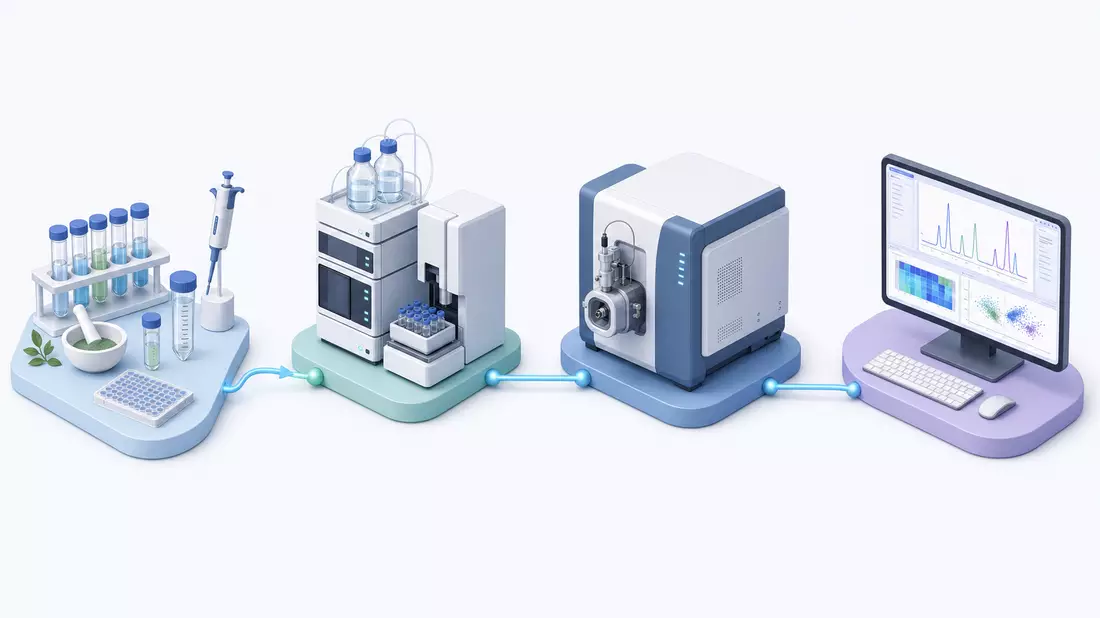
Waters Corp (ISIN US9418481035) is a long-established supplier of analytical instruments and consumables, and Waters stock on Nasdaq reflects the companys position in chromatography and mass spectrometry markets where recurring consumables and service revenue underpin earnings. As of 31 March 2026, the company reported a multi-billion dollar revenue base and profitability metrics that frame investor expectations for the remainder of fiscal 2026.
Q1 2026 revenue profile
In its financial reporting for the quarter ended 31 March 2026, Waters Corp detailed group revenue, operating profit and earnings per share outcomes that show how demand from pharmaceutical, industrial and academic laboratories translates into cash flows. According to the companys investor materials, quarterly revenue reached around the low billions of dollars, supported by instrument systems sales and consumables, while adjusted operating margins remained firmly in double-digit territory. For investors analyzing Waters stock, this earnings mix between equipment and recurring items matters because it influences the resilience of cash generation in periods of softer capital spending.
The life science tools sector tends to exhibit relatively predictable demand in regulated markets, and Waters Corp benefits from customers that depend on validated liquid chromatography and mass spectrometry workflows. In Q1 2026, revenue was supported by orders from pharmaceutical quality control and biopharmaceutical R&D, as well as food safety and environmental testing laboratories. The companys commentary around this period highlighted that recurring consumables, columns and service contracts provided a stabilizing counterweight to variability in new instrument installations.
From a profitability perspective, Waters Corp has historically targeted operating margins that reflect its position as a specialist supplier with a high proportion of owned intellectual property. In the quarter ended 31 March 2026, the companys adjusted operating income converted a significant portion of revenue into profit, with operating margin expressed as a percentage of sales remaining healthy compared with prior years. Investors often compare these margins with peers in the analytical instruments space to assess relative efficiency, but even in isolation a double-digit margin signals disciplined cost control and pricing power in core product categories.
Revenue compared with prior periods
One important lens for interpreting Waters stock is how the companys revenue and profit change over time relative to prior quarters and years. In the Q1 2026 period, the companys reported revenue level and margin profile came against the backdrop of a multi-year revenue base built up through sales of chromatography systems such as ACQUITY and Alliance platforms, and high-resolution mass spectrometers for qualitative and quantitative analysis. While detailed numerical comparisons versus Q1 2025 or Q4 2025 are contained in the companys filings, the direction of change in revenue and margins informs assessment of whether Waters Corp is expanding, stabilizing or experiencing headwinds in particular segments.
For example, when revenue shifts between regions or end markets, it can highlight where demand is strongest. Waters Corp sells into North America, Europe and Asia, with pharmaceutical and industrial customers making up a large share of sales. If revenue growth in one region outpaces another or if pharmaceutical demand grows faster than industrial demand, this mix can influence how investors value Waters stock, particularly if growth is occurring in higher-margin categories such as regulated bioanalysis and quality control. In Q1 2026, the companys narrative focused on solid contributions from pharmaceutical and biopharmaceutical customers which rely on chromatographic separation and mass detection systems for method development and batch release.
Another way investors view comparative metrics is through earnings per share trends. Waters Corp reports diluted earnings per share based on net income attributable to common shareholders, and changes in EPS across quarters can reflect not only operating results but also share repurchases or changes in financing costs. In the 31 March 2026 quarter, management commentary around earnings emphasized the underlying operating performance rather than one-off items. For Waters stock, consistent EPS growth over time is often seen as an indicator that the company is successfully converting laboratory demand into shareholder value.
Margin and cash flow dynamics
Beyond revenue, Waters Corp provides detail on operating income, net income and cash flow from operations that investors factor into their assessment of Waters stock. In fiscal reporting around Q1 2026, the company described a pattern of robust cash generation from operations, supported by recurring revenue streams. This cash flow supports capital expenditure on new product development, investments in capacity and potential shareholder returns through share repurchases.
Operating margin is particularly relevant because Waters Corp competes with other analytical instrument companies that also invest heavily in R&D. A double-digit operating margin suggests that the companys pricing, cost base and product mix allow it to earn returns on invested capital that are attractive compared with general industrial peers. When margins expand or contract compared with prior periods, it often reflects dynamics such as the mix between instruments and consumables, regional pricing and currency effects. For example, higher instrument sales in a quarter may dilute margins if they carry different gross margin profiles than consumables, whereas a quarter with stronger consumables and service revenue could support higher overall margins.
Cash flow metrics support the valuation narrative around Waters stock because they underpin the companys ability to fund research into next-generation chromatography columns, detectors and mass spectrometers. In Q1 2026, the conversion of net income into operating cash flow was an important signal that reported profit was backed by real cash receipts from customers rather than accounting accruals. Investors often look at cash flow relative to capital expenditure on manufacturing and R&D facilities to gauge whether the business is self-funding its growth initiatives. Waters Corp has historically reinvested a portion of operating cash flow into product innovation while balancing returns to shareholders.
Product focus in chromatography and mass spectrometry
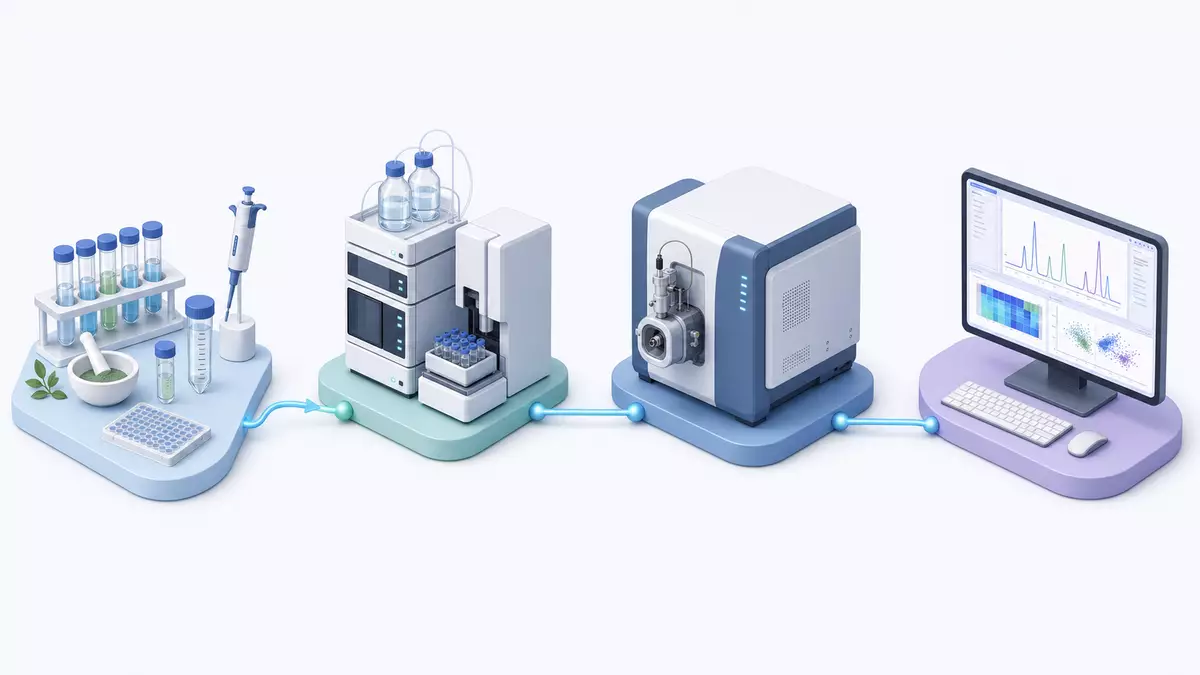
Waters Corp is widely known in the laboratory sector for its liquid chromatography systems and mass spectrometry platforms, which collectively provide customers with the ability to separate, identify and quantify complex mixtures. The companys offerings span high-performance liquid chromatography systems, ultra-performance chromatography platforms and associated columns and consumables used for routine and research applications. In turn, mass spectrometry products allow for precise detection of analytes, supporting pharmaceutical development, clinical research and environmental monitoring.
Chromatography has long been a cornerstone of Waters Corp, with systems designed to provide reliable retention times, resolution and reproducibility for analytical chemists. These instruments are often sold into stringent regulatory environments where method validation and compliance are critical. Recurring revenue from columns and reagents used in these systems forms a significant part of Waters Corp earnings, stabilizing cash flows because customers must regularly replace consumables to maintain analytical performance. For investors, this recurring portion of revenue can make Waters stock attractive as a life science tools holding with some defensive characteristics.
Mass spectrometry complements chromatography by providing mass-to-charge based detection, enabling the identification and quantitation of compounds in complex matrices. Waters Corp offers a range of mass spectrometers, from tandem quadrupole instruments optimized for quantitative analysis to high-resolution systems aimed at discovery and characterization. Demand for these instruments is driven by pharmaceutical research, metabolomics, proteomics and clinical laboratories where sensitivity and specificity are crucial. The companys service and support organization contributes additional revenue through maintenance contracts, software updates and application support.
Waters stock and market valuation metrics
On the equity market side, Waters stock trades on Nasdaq, and the company is commonly associated with broader life science tools indices that include instrumentation, reagents and consumables providers. Investors following the stock monitor valuation metrics such as market capitalization, price-to-earnings ratios and enterprise value to EBITDA multiples, in addition to absolute share price levels. As of early 2026, Waters Corp carried a multi-billion dollar market capitalization that reflected both its current earnings base and growth expectations in areas such as biopharmaceutical analytics.
The share price path for Waters stock over recent months has reflected investor interpretation of quarterly results, guidance commentary and sector-wide sentiment around capital spending in pharmaceutical and industrial laboratories. When the company reports a quarter like Q1 2026 with stable revenue, solid margins and steady cash generation, the market often prices in a continuation of this performance, barring macroeconomic or sector-specific shocks. Conversely, any indication of deferred instrument purchases or funding pressures in customer segments could influence the share price even if recurring consumables and services remain solid.
Technical analysts sometimes examine Waters stock using chart-based measures such as 52-week trading ranges, moving averages and relative strength indicators. A share price trading near the upper end of a 52-week range can signal market confidence in earnings durability, while trading near the lower end may suggest concerns about future growth or valuation. In mid-2026, the stocks trading level sits against the context of several prior quarters of earnings and guidance, and investors weigh whether demand in pharmaceutical and industrial markets will support continued revenue stability and margin resilience.
Investor relations and disclosure practices
Waters Corp manages its investor communications through an established Investor Relations presence, including regular earnings releases, conference calls and presentations. The company uses these channels to explain quarterly and annual financial results, describe demand trends in core markets, and outline strategic priorities such as investment in new product development and acquisitions or partnerships. Detailed numerical tables in these disclosures provide investors with metrics on revenue by geography and end market, gross margin, operating margin, net income and earnings per share.
For Q1 2026, the presentation of revenue and margin metrics helps analysts and institutional investors calibrate their models. They can see, for example, how revenue from pharmaceutical customers compares with industrial or academic customers, and how this mix relates to gross and operating margins. They also gain insight into operating expenses such as R&D and selling, general and administrative costs, which affect operating income. By comparing these metrics with previous quarters, investors can determine whether the company is achieving efficiency gains or investing more heavily in growth initiatives.
Disclosure about capital allocation is another important element for Waters stock. Investors pay attention to whether the company prioritizes share repurchases, dividends, debt reduction or growth investments. While Waters Corp has historically leaned toward share repurchases as a way to return capital to shareholders, the balance between buybacks and internal investment can shift based on market conditions and strategic opportunities. In periods of strong cash generation, the company may have flexibility to do both, while in more constrained environments it may focus on funding essential R&D and capital expenditures.
Sector backdrop and peer comparisons
Waters Corp operates within the broader life science tools and analytical instrumentation sector, which includes companies that supply laboratory equipment, reagents and software. This sector tends to benefit from long-term drivers such as pharmaceutical R&D, biopharmaceutical manufacturing, environmental regulation and food safety requirements. For Waters stock, peer comparisons often focus on revenue growth rates, margin levels and exposure to high-growth subsegments like biologics analytics and clinical diagnostics.
In cross-company analyses, investors may compare Waters Corp revenue growth and margins with those of other instrument makers that sell chromatography systems, mass spectrometers or complementary technologies. A company with similar revenue scale but lower margins might suggest that Waters Corp is relatively efficient, while a peer with faster top-line growth could highlight opportunities or challenges depending on the areas of overlap. Peer comparisons help investors understand whether Waters stock is priced at a premium, discount or in line with sector averages based on relative performance.
The sector backdrop in 2026 includes continued investment in biopharmaceutical workflows, such as characterization of complex biologics and biosimilars, as well as expanding use of mass spectrometry in clinical laboratories. Waters Corp participates in these trends through its portfolio of instruments, consumables and software solutions. If demand in these areas accelerates, it could support revenue growth beyond the stable base observed in recent quarters. Conversely, if macroeconomic uncertainty or budget constraints affect instrument purchasing decisions, recurring consumables and service revenue may become an even more important anchor for earnings.
Chromatography and mass spectrometry as growth drivers
Within Waters Corp product portfolio, chromatography and mass spectrometry have the potential to drive incremental growth as customers adopt new workflows and upgrade existing systems. For chromatography, innovations in column technology, such as smaller particle sizes and advanced stationary phases, allow for faster and more efficient separations. Customers may upgrade to new systems or add capacity to accommodate higher throughput or more complex methods, committing to ongoing consumables purchases in the process. These upgrades can translate into incremental revenue beyond baseline consumables replacement.
Mass spectrometry likewise offers opportunities for growth as new applications emerge. For example, the use of mass spectrometry in clinical settings for targeted quantitation of biomarkers, therapeutic drug monitoring and proteomics can drive demand for instruments and associated software and services. Waters Corp competes by offering instruments with sensitivity, robustness and workflow integration tailored to these applications. As adoption increases, recurring service revenue from maintenance contracts and application support can further bolster earnings.
For Waters stock, investors may focus on how much of the companys revenue comes from these growth-oriented areas versus more mature applications. A higher proportion of revenue from fast-growing segments could justify higher valuation multiples if accompanied by strong margins and cash flow. Conversely, if growth in these areas slows or competition intensifies, it could affect revenue trajectory and margin dynamics. The Q1 2026 reporting period provides data points on sales by product category and end market that help investors gauge these relative contributions.
Waters stock trading context
In the broader trading context, Waters stock is influenced not only by company-specific earnings and guidance but also by macroeconomic factors such as interest rates, inflation and overall equity market sentiment. Life science tools companies are often considered part of the healthcare or industrial sectors in equity indices, and flows into or out of these sectors can affect share prices independently of fundamentals. For instance, if investors rotate into defensive healthcare stocks, Waters Corp might benefit from increased demand for shares, whereas a rotation toward cyclical industries could have the opposite effect.
Institutional investors looking at Waters stock may also consider its beta relative to broader market indices, which indicates how much the stock tends to move in relation to the overall market. A stock with a lower beta can be seen as more defensive, whereas a higher beta suggests greater sensitivity to market swings. The companys stable revenue and margin profile, driven by regulated laboratory demand and recurring consumables, may contribute to a moderate beta compared with more cyclical industrials. However, valuation levels and investor positioning can amplify or dampen the effect of broader market movements.
Liquidity is another factor in trading. Waters Corp shares generally trade with sufficient daily volumes to accommodate institutional buying and selling without extreme price dislocations under normal conditions. Investors analyze bid-ask spreads and order book depth to understand transaction costs and execution quality. For long-term shareholders, these microstructure aspects are less critical than fundamentals, but for active traders and funds they play a role in portfolio management decisions.
Business development and innovation
Beyond current-quarter metrics, Waters Corp invests in innovation and business development to sustain its competitive position. The company allocates a portion of revenue to research and development expenses focused on new instrument architectures, detection technologies and software platforms. This investment supports future product launches that can refresh the installed base and open new application areas. The Q1 2026 financials reflect ongoing R&D spending, which is accounted for in operating expenses and thus influences operating margin.
Strategic initiatives may also include partnerships with academic institutions, consortia or industry collaborators focused on emerging analytical needs. For example, collaborations in metabolomics or proteomics can inform instrument and software development, while engagement with regulatory agencies can help align product specifications with evolving compliance requirements. These activities, while not always directly visible in revenue volumes, contribute to long-term resilience and growth potential, adding nuance to investor interpretation of Waters stock beyond current-quarter numbers.
Waters Corp may pursue targeted acquisitions to complement its technology portfolio or expand into adjacent markets, integrating acquired products and customer relationships into its existing framework. Acquisition spending and subsequent integration costs are reflected in financial statements and can affect short-term margin metrics, but over time successful acquisitions can contribute to revenue growth and scale benefits. Investors monitor such activity to understand the companys use of capital and appetite for inorganic growth.
Regulation and compliance considerations
Because Waters Corp sells instruments and software into regulated environments such as pharmaceutical manufacturing and clinical laboratories, regulatory and compliance considerations form an important backdrop. Customers must validate analytical methods and ensure that laboratory information management systems and data handling comply with regulations. Waters Corp, in turn, designs products and documentation to support these needs, and its reputation for compliance and reliability is part of the value proposition embedded in Waters stock.
Regulatory developments, such as updated guidelines from health authorities or environmental regulators, can influence demand for particular analytical methods or technologies. If new rules require increased testing frequency or more sensitive detection, customers may invest in upgraded chromatography and mass spectrometry systems. Conversely, if regulations are relaxed or enforcement becomes less stringent, demand in certain segments could moderate. Waters Corp monitors these developments and communicates their potential impact in its investor materials, allowing shareholders to understand how regulatory trends intersect with revenue and margin outlooks.
Compliance also extends to the companys own reporting and corporate governance practices. Waters Corp is subject to securities regulation and accounting standards that require accurate and transparent financial statements and disclosures. Investors rely on these frameworks as they interpret Q1 2026 revenue, margin and earnings metrics alongside guidance for subsequent quarters.
Analytical instrument demand patterns
Demand patterns for Waters Corp analytical instruments reflect a blend of routine replacement cycles, capacity expansions and new application-driven installations. Routine replacements occur when instruments reach the end of their useful life or when customers seek performance improvements. Capacity expansions arise when laboratories add more instruments to handle higher workloads, such as increased sample volumes in pharmaceutical manufacturing or environmental monitoring. New application-driven installations happen when laboratories adopt entirely new workflows that require specific instrument capabilities.
In Q1 2026, such patterns likely contributed to the revenue level reported by Waters Corp. Instrument sales would have been accompanied by continued consumables usage for chromatography and mass spectrometry workflows, as well as service revenue from maintenance contracts. Investors consider how sustainable these demand drivers are over multiple years, focusing on whether underlying trends in pharmaceutical development, environmental regulation and industrial quality control support continued instrument and consumables spend.
Seasonality may also play a role in quarterly revenue patterns, with some quarters historically showing stronger instrument demand due to budget cycles in large organizations or timing of regulatory initiatives. Recurring revenue streams from consumables and services help smooth this seasonality, and Waters Corp provides narrative and numerical context in its reporting so investors can distinguish between seasonal fluctuations and structural shifts in demand.
Digital and software components
Waters Corp product portfolio includes not only physical instruments but also software platforms that manage data acquisition, processing, reporting and compliance. Software licenses and upgrades contribute to revenue and can carry attractive margins relative to hardware. In Q1 2026, software-related sales and maintenance contracts would have formed part of the overall revenue mix, supporting the companys margin profile.
Software plays a critical role in ensuring that chromatographic and mass spectrometric data can be integrated into laboratory information management systems and enterprise resource planning environments. Waters Corp invests in software development to support regulatory compliance, audit trails and user-friendly interfaces that facilitate method development and reporting. For investors, the software component adds a dimension to Waters stock that reflects broader trends in digital transformation of laboratories and data analytics in scientific workflows.
The integration of instruments, consumables and software helps Waters Corp maintain customer relationships over long periods, as laboratories often prefer single-vendor solutions for critical workflows. This integration can enhance switching costs and contribute to recurring revenue, shaping how investors perceive the stability and growth potential embedded in Waters stock valuation.
Long-term themes for Waters stock
Looking beyond Q1 2026, Waters stock sits at the intersection of several long-term themes in life science and analytical chemistry. Continued growth in biopharmaceuticals and complex biologics necessitates sophisticated analytical methods, which benefits chromatography and mass spectrometry suppliers. Environmental and food safety testing remains a priority for regulators and consumers, requiring robust analytical capabilities that Waters Corp provides. Advances in omics technologies, including genomics, proteomics and metabolomics, generate demand for high-resolution analytical tools and data processing capabilities.
As these themes evolve, Waters Corp aims to adapt its product offerings and commercialization strategies accordingly. Investment in R&D, partnerships and targeted acquisitions are mechanisms through which the company positions itself to capture emerging opportunities. Investors tracking Waters stock will therefore consider not only current revenue and margin metrics but also the companys alignment with these long-term drivers and its ability to innovate.
At the same time, risks such as intensifying competition, commoditization of certain product categories, macroeconomic volatility and regulatory changes could influence future performance. Waters Corp mitigates these risks through diversification across geographies and end markets, a strong reputation for analytical quality and compliance, and a balanced mix of instrument, consumables and service revenue. The Q1 2026 financial results and accompanying narrative provide a snapshot of how the company is navigating this environment.
Representative product line in chromatography
Within Waters Corp portfolio, its chromatography systems and related consumables stand out as representative products that illustrate how the business model works in practice. Customers purchase liquid chromatography instruments, install columns tailored to specific separation tasks, and then run samples that generate data for quality control, research or regulatory compliance. Over time, columns and certain consumables must be replaced, creating recurring demand that complements the initial instrument sale.
These chromatography products are supported by application notes, method development guidance and customer training, making them integral to laboratory workflows. Waters Corp revenue from these products in periods such as Q1 2026 reflects both new installations and ongoing consumables usage. Investors interpret trends in chromatography revenue alongside mass spectrometry and software revenue to assess how balanced the companys growth drivers are and whether any particular product line is experiencing accelerated or slowing demand.
Waters stock and recent trading level
The trading level of Waters stock as of early Q2 2026 provides a market-based perspective on how investors value the companys Q1 2026 revenue and margin performance, as well as its strategic positioning. The share price, quoted in US dollars on Nasdaq, sits within a 52-week range that captures investor reactions to several quarters of financial results and guidance updates. Market capitalization in the multi-billion dollar range reflects both the current earnings base and expectations for continued demand in chromatography, mass spectrometry and associated services.
For shareholders, the key question is how future quarters will develop relative to Q1 2026. If Waters Corp maintains stable revenue and margins and continues to generate strong operating cash flow, the market may continue to view Waters stock as a relatively defensive life science tools holding with exposure to regulated laboratory demand. If the company can also capture incremental growth from biopharmaceutical analytics, clinical mass spectrometry and digital laboratory solutions, it may sustain or improve valuation metrics such as price-to-earnings and enterprise value to EBITDA multiples. Conversely, any sustained pressure on instrument demand or margin compression could prompt investors to reassess valuation levels.
Key data on Waters stock
- Company: Waters Corp
- ISIN: US9418481035
- Ticker: NASDAQ: WAT
- Trading venue: NASDAQ
- Sector / Industry: Life Sciences Tools / Analytical Instruments
- Index membership: S&P 500
Disclaimer regarding our articles: No investment advice, no buy or sell recommendation. Information on prices, companies, and markets is provided without guarantee; changes are possible at any time. Stock market transactions can lead to substantial losses. Our articles are created and reviewed in whole or in part automatically with the support of AI.