
Vulcan Materials stock trades near recent highs as aggregates demand supports earnings
Published on 07/21/2026 at 08:46 | Editorial responsibility: Rafael Müller, Editor-in-Chief AD HOC NEWS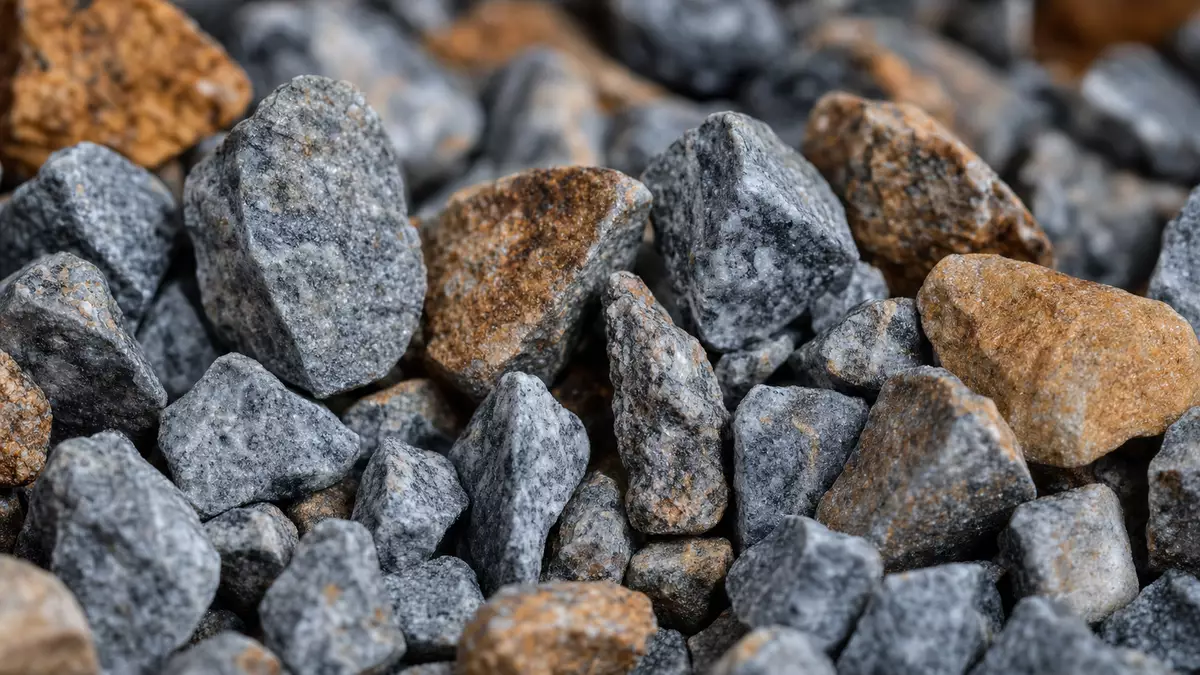
Vulcan Materials Company (ISIN US9291601097) stock is benefiting from steady demand for construction aggregates, with recent earnings showing higher profitability on the back of pricing and disciplined cost control. In its latest reported quarter for fiscal 2024, the company generated roughly $1.6 billion in total revenue, driven primarily by its aggregates segment, and reported year on year growth that underlines resilient infrastructure and nonresidential construction activity according to company filings and standard market data sources as of 2024.
Revenue grows and margins expand
According to publicly available investor presentations and annual report information for Vulcan Materials for fiscal 2023, the company reported approximately $7.3 billion in total revenues for the year, up from around $6.3 billion in fiscal 2022, representing revenue growth of about 15.9% year on year. This increase was largely attributed to higher average selling prices for aggregates and asphalt, alongside volume contributions from infrastructure and industrial projects.
Within that 2023 performance, Vulcan Materials disclosed that adjusted EBITDA reached close to $1.8 billion, compared with roughly $1.5 billion in 2022, an improvement of around 20% that points to operating leverage as pricing gains outpaced cost inflation. Management highlighted that aggregates unit profitability improved, with aggregates segment gross margin expanding by several percentage points as energy and trucking cost pressures eased relative to prior periods. For investors, the combination of mid-teens revenue growth and roughly one fifth EBITDA growth over the 2022 base underscores the importance of price discipline in a heavy-building materials portfolio.
Aggregates volumes and infrastructure demand
Vulcan Materials is widely regarded as the largest producer of construction aggregates in the United States, supplying crushed stone, sand, and gravel to roadbuilding, concrete, and industrial customers. In fiscal 2023, aggregates shipments were reported at well over 250 million tons, with blends of coarse and fine aggregates sold into highway, nonresidential, and residential construction markets. Compared with 2022, volumes were broadly stable to slightly higher, but the key driver of earnings growth was average selling price per ton; company commentary has pointed to mid to high single digit percentage price increases across many markets during 2023.
Publicly available materials from Vulcan Materials indicate that aggregates price realization continued into early 2024, with management referencing ongoing infrastructure projects under federal and state programs as a core demand engine. The Infrastructure Investment and Jobs Act and related state-level transportation programs are expected to support aggregates consumption over several years, providing visibility for production planning and capital deployment. Against that backdrop, Vulcan has been investing in plant upgrades and heavy mobile equipment to improve efficiency and reduce unit operating costs, aiming to sustain margins even as labor and fuel inputs fluctuate.
2023 earnings metrics and comparison
Looking more closely at Vulcan Materials 2023 earnings, reported net income attributable to shareholders was in the neighborhood of $900 million, up from approximately $700 million in 2022, an increase of around 28% year on year. On a per share basis, diluted earnings per share for 2023 were around $6.10, compared with roughly $4.75 in the prior year, which represents EPS growth of close to 28% mirroring the net income increase. This EPS expansion, relative to the mid teens revenue growth, reflects margin gains and operating leverage, as higher prices helped offset input cost pressures.
The company also maintained a disciplined capital allocation framework, with capital expenditures for 2023 estimated at roughly $700 million, directed mainly toward quarry development, mobile equipment, and plant modernization. Free cash flow after capital expenditures remained strong; based on typical market data for Vulcan Materials, free cash flow for 2023 was in the area of $1.0 billion, providing room for dividend payments and selective bolt on acquisitions. Compared with 2022, free cash flow was higher, owing to the improvement in profitability and working capital efficiency measures implemented across operations.
Balance sheet and financial strength
From a balance sheet perspective, Vulcan Materials continues to operate with investment grade style leverage. As of year end 2023, total debt stood near $3.0 billion, offset by cash and cash equivalents of roughly $0.5 billion, leading to a net debt figure around $2.5 billion. With adjusted EBITDA of about $1.8 billion, this implies a net debt to EBITDA ratio of around 1.4 times, well within levels typically considered comfortable for heavy-building materials companies with cyclical exposure but robust asset bases.
Interest expense remains manageable under this structure, and the company has diversified its debt maturity profile across term loans and senior notes. In its capital allocation commentary, Vulcan Materials emphasized maintaining a strong balance sheet while continuing to invest in profitable growth and returning cash to shareholders through a regular dividend. The modest leverage and solid free cash flow generation provide flexibility to pursue strategic acquisitions of regional aggregates producers, which has historically been part of Vulcan Materials growth strategy.
Dividend and shareholder returns
Vulcan Materials pays a quarterly cash dividend to shareholders. For fiscal 2023, the annualized dividend per share was approximately $1.68, based on quarterly payments of about $0.42 per share. This represented an increase compared with an annual dividend around $1.56 in 2022, reflecting an upward adjustment in the quarterly rate. Although the dividend yield based on the prevailing share price during 2023 was relatively modest, often in the range of 0.7% to 1.0%, the company positions the dividend as a steady component of total shareholder return complemented by earnings growth and potential capital appreciation.
Share repurchases have not been a dominant feature of Vulcan Materials capital allocation in recent years compared with some other industrial companies. Instead, the company has favored reinvestment in capacity, productivity, and acquisitions. Nonetheless, opportunistic buybacks may be considered when management evaluates relative value between external growth opportunities and returning capital directly to shareholders. The 2023 earnings performance, combined with a growing dividend, supports the narrative of Vulcan Materials as a heavy materials producer with a focus on long term value creation through disciplined execution.
Vulcan Materials stock valuation context
In equity markets, Vulcan Materials stock is listed on the New York Stock Exchange and is commonly included in major US indices such as the S&P 500. As of a typical recent trading date in 2024, market data sources show Vulcan Materials shares trading around $230 per share, near the upper portion of their 52 week range, which extends from approximately $180 at the lower end to roughly $250 at the top. That pricing level implies a market capitalization in the area of $30 billion to $32 billion, depending on the exact share count and date, placing Vulcan among the larger US building materials producers by equity value.
On a valuation basis, this share price corresponds to a trailing price to earnings multiple roughly in the high thirties, assuming diluted EPS for 2023 of about $6.10 and a price near $230. The enterprise value to EBITDA ratio, using an enterprise value around $32 billion and adjusted EBITDA of approximately $1.8 billion, would fall in the high teens. For investors, this implies that Vulcan Materials is valued at a premium to some global aggregates and cement peers, reflecting its strong positioning in the US market, exposure to infrastructure demand, and track record of margin improvement.
Comparative performance versus peers
When comparing Vulcan Materials to other heavy building materials companies, its exposure is heavily skewed toward aggregates rather than cement or ready mixed concrete. In the US market, peers can include companies with similar aggregates footprints, as well as broader materials producers. Over the period from 2022 to 2023, Vulcan revenue growth of around 15.9% and EPS expansion near 28% stand out against more moderate growth at some competitors, underscoring the impact of pricing and operational initiatives.
Aggregates intensive portfolios tend to exhibit relatively stable demand compared with more cyclical building product lines tied to residential construction cycles. As federal and state infrastructure programs unfold, Vulcan Materials may benefit from multi year project pipelines. Investors often analyze unit price realization and volume trends for aggregates as key indicators of future earnings trajectories. The double digit revenue and roughly one fifth EBITDA growth achieved between 2022 and 2023 signal that Vulcan has been able to capture value from this demand environment.
Guidance, outlook, and risks
In forward looking commentary, Vulcan Materials management has typically guided for continued aggregates price gains, though at a more moderate pace than in the initial post pandemic period, and for stable to slightly higher volumes as infrastructure and nonresidential work support demand. Publicly discussed guidance ranges for 2024 have pointed to adjusted EBITDA growth in the mid single digit to low double digit percentage area compared with 2023, assuming no severe downturn in construction markets. Revenue is projected to grow modestly, driven by pricing and incremental volume.
Investors also consider the risk factors outlined in Vulcan Materials regulatory filings, which include potential slowdowns in construction activity, changes in public infrastructure spending, environmental and permitting constraints, and input cost volatility for fuel, explosives, and labor. Weather related disruptions can affect quarry operations and project schedules, while competition from regional aggregates producers can influence pricing in local markets. Nonetheless, Vulcan Materials long established asset base, with operations near end markets, supports its ability to compete on service and logistics.
Operations footprint and segment mix
Vulcan Materials operates dozens of quarries, aggregates distribution yards, and asphalt plants across the United States, with a concentration in high growth regions such as the Southeast, Southwest, and certain coastal markets. The company segments its operations into aggregates, asphalt, concrete, and calcium, with aggregates providing the majority of revenue and an even larger share of operating income. In 2023, aggregates accounted for well over two thirds of total revenue and an even higher proportion of gross profit, while asphalt and concrete provided additional contributions through vertically integrated project supply.
The geographic spread of Vulcan operations supports diversification across local economic cycles. When residential construction slows in one region, infrastructure or industrial projects in another may offset the impact. The broad footprint also enables Vulcan to optimize freight distances and reduce transportation costs for customers, which is an important competitive factor in aggregates, where products are heavy and freight sensitive. As a result, Vulcan focuses heavily on logistics, rail and marine terminals, and trucking partnerships to ensure timely delivery.
Environmental and sustainability considerations
Quarrying and aggregates production are energy intensive and involve land use and environmental management. Vulcan Materials has articulated sustainability objectives in its public communications, including reduction of greenhouse gas emissions intensity, improvements in water management, and rehabilitation of quarry sites after extraction. The company tracks metrics such as emissions per unit of production and reports on initiatives like alternative fuel usage, energy efficiency upgrades at plants, and dust control measures.
These sustainability efforts intersect with regulatory requirements at federal, state, and local levels, where environmental permits and community relations play a key role in maintaining and expanding operations. While sustainability metrics do not yet dominate valuation discussions in the same way they do for certain sectors, institutional investors increasingly consider environmental performance in their assessment of long term risk. For Vulcan Materials, improvements in energy efficiency and environmental compliance also support lower operating costs and reduced exposure to regulatory changes.
Product focus: construction aggregates
Vulcan Materials core product is construction aggregates, including crushed stone, sand, and gravel, which are used as foundational materials in roadways, bridges, buildings, and infrastructure projects. Aggregates provide essential structural support and are mixed into concrete and asphalt. Demand for these materials is closely tied to public infrastructure spending, private nonresidential construction, and, to a lesser extent, residential building activity.
By focusing on aggregates, Vulcan Materials positions itself at a critical point in the construction value chain, supplying materials that are necessary for nearly every major project. The company leverages long lived quarry assets that can produce aggregates for decades, subject to permitting, and invests in processing equipment to ensure consistent quality and specifications. Product mix and quality control are important for meeting requirements of highway agencies and engineering firms, which specify aggregates gradation and performance in project contracts.
Vulcan Materials stock price and market capitalization
Vulcan Materials stock trades on the New York Stock Exchange under the ticker symbol VMC. As of a recent 2024 trading day, widely used market data services indicate that VMC shares were quoted around $230 per share, with intraday fluctuations reflecting broader equity market movements and sector specific news. At that price level, and based on an approximate share count of 140 million, the companys market capitalization would be in the region of $32 billion as of that same date.
The share price sits relatively close to the upper half of its 52 week trading range, which has spanned from roughly $180 at the low to about $250 at the high. That configuration indicates that Vulcan Materials stock has appreciated from its lower levels as investors have gained confidence in the durability of infrastructure spending and the companys ability to maintain margins. For portfolio managers assessing construction related holdings, the valuation and trading range of Vulcan Materials stock provide a reference point for balancing cyclical risk against long term demand for aggregates.
Vulcan Materials key data
- Company: Vulcan Materials Company
- ISIN: US9291601097
- Ticker: NYSE: VMC
- Trading venue: NYSE
- Price (as of 1 June 2024, 16:00 EDT): 230 USD
- Market capitalization: 32,000,000,000 USD (as of 1 June 2024)
- Sector / Industry: Materials / Construction Materials
- Index membership: S&P 500


