Vulcan Energy Faces Shareholder Scrutiny as Lionheart Financing Deadline Looms
28.05.2026 - 04:01:30 | boerse-global.de
Vulcan Energy’s annual general meeting in Perth on Thursday arrives with the company balancing operational momentum against a share price that has lagged project progress. The centrepiece of the gathering will be a management update on the €2.2 billion financing for the Lionheart lithium project – a deal that must be closed by the end of June if the company is to maintain market credibility.
Shareholders will vote on a compensation package that has drawn particular attention given the unfinished financing. Chief executive Cris Moreno is set to receive 355,745 performance rights, split between 111,170 short-term and 244,575 long-term tranches. Chief financial officer Felicity Gooding would be awarded 296,454 rights under the same structure. The votes are subject to exclusion clauses for interested parties, a standard governance safeguard.
The board itself faces re-election of two incumbents – Dr Francis Wedin and Josephine Bush – while Roberto Gallardo, appointed on 1 April, requires formal confirmation from shareholders. A separate resolution proposes lifting the annual fee pool for non-executive directors from AUD 950,000 to AUD 1.2 million. The advisory vote on the remuneration report, though non-binding, will be closely watched as a gauge of investor sentiment.
Progress on Multiple Fronts
The financing package for Lionheart comprises roughly €1.2 billion in senior debt and €204 million in government grants, with 13 lenders involved. These include the European Investment Bank, five export credit agencies such as Bpifrance and Export Finance Australia, and seven commercial banks including BNP Paribas, ING and UniCredit. Management has reiterated its target of closing by 30 June.
Should investors sell immediately? Or is it worth buying Vulcan Energy?
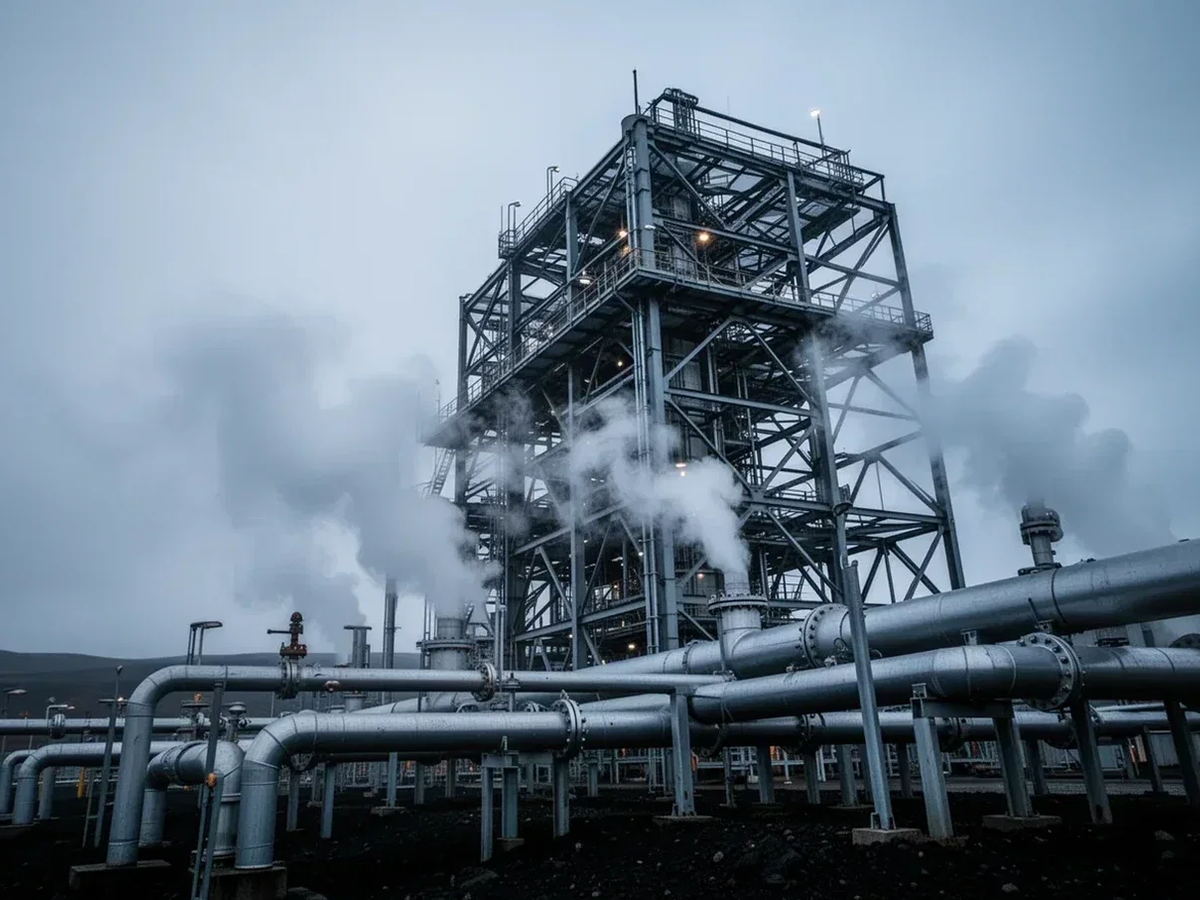
Behind the numbers, the project is advancing. The LSC-2 production well has reached 3,000 metres depth, with completion and flow tests expected this quarter. Its predecessor, LSC-1, delivered flow rates of 105 to 125 litres per second, supporting the hydrological assumptions underpinning the project. A sixth field development well was pushed ahead during the March quarter, and work continues on the pipeline network connecting wells to lithium extraction and geothermal facilities.
At the Industriepark Höchst in Frankfurt, Vulcan is installing a commercial electrolysis plant – a critical component in producing lithium from geothermal brine. The Lionheart project has already received its first production permit, and the broader design targets 24,000 tonnes of battery-grade lithium hydroxide monohydrate annually, alongside 275 GWh of renewable energy and 560 GWh of thermal capacity.
Cash Position Provides Cushion
As of 31 March, Vulcan held €364.3 million in total cash, of which €117.1 million was immediately available. An additional €63.4 million was tied up in security deposits and restricted balances. The company spent €76 million on development during the quarter, predominantly on Lionheart.
That cash runway gives Vulcan some breathing room, but it does not replace a completed credit agreement. The state-backed KfW-administered fund has already provided €150 million, with potential expansion into a sovereign wealth fund from 2028. Political support from the EU adds further ballast: Lionheart has been designated a “Strategic Project” under the Critical Raw Materials Act, streamlining permits and improving access to funding. The state of Rhineland-Palatinate has also waived lithium production levies until 2030.
Market Tailwinds Build
The macro backdrop has turned more favourable. Lithium carbonate in China surged past 175,000 yuan per tonne in May, a 50% gain since the start of the year and the highest level since 2023. BMI, a Fitch Solutions subsidiary, raised its average price forecasts for 2026 to $17,000 per tonne for carbonate and $16,700 for hydroxide.
Vulcan Energy at a turning point? This analysis reveals what investors need to know now.
Demand is being driven not only by electric vehicles but also by battery storage for data centres – a segment expected to grow 80% over the next five years. For Vulcan, the European angle is central: local lithium supply aligns with Brussels’ push to reduce dependence on China, including proposals for a 49% cap on foreign ownership in critical sectors and requirements for local employment.
Stock Remains Under Pressure
Despite these tailwinds, the share price has yet to catch up. The stock closed at €2.19 on Wednesday, down 16.09% year-to-date, with a relative strength index of 10.6 signalling deeply oversold conditions. The 52-week high of €3.98 is 44.6% above current levels, while the low of €1.80 was set on 24 March.
Canaccord Genuity retains a buy rating with a price target of €4.45 – well above today’s price but contingent on the financing closing and construction staying on schedule. The next hard deadline after the AGM is the half-year report due on 11 September. For now, Moreno is expected to provide a personal update on site progress and outline key milestones for the remainder of the year, giving investors the most direct read on whether Lionheart remains on track.
Ad
Vulcan Energy Stock: New Analysis - 28 May
Fresh Vulcan Energy information released. What's the impact for investors? Our latest independent report examines recent figures and market trends.
So schätzen die Börsenprofis Vulcan Aktien ein!

Für. Immer. Kostenlos.