Vonovia stock holds steady as Germany’s largest landlord navigates a changing property market
Veröffentlicht: 16.07.2026 um 08:32 Uhr, Redaktion AD HOC NEWS, Redaktionelle Verantwortung: Rafael Müller (Chefredaktion)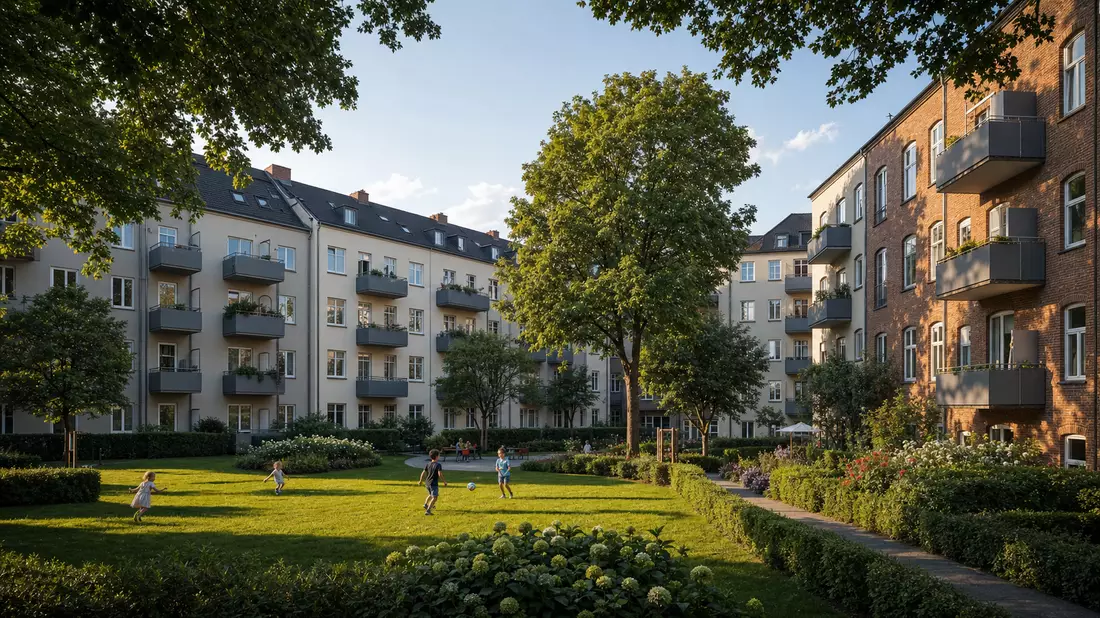
Vonovia stock represents one of Europe’s largest listed residential real estate platforms, with the company managing hundreds of thousands of apartments in Germany and selected neighboring markets. As a major landlord, Vonovia SE (ISIN DE000A1ML7J1) is closely tied to trends in housing demand, interest rates and regulation, factors that continue to shape the stock’s medium-term profile for investors.
Scale and role in European housing
Vonovia SE operates a broad portfolio of residential properties, primarily in Germany, with additional exposure to Austria and other European locations. The group focuses on affordable and mid-market housing in urban regions where demand for rental apartments remains structurally high, supported by demographic developments and limited new construction in many cities.
The company’s size gives it a central role in Germany’s rental market. Vonovia typically holds apartments for the long term rather than pursuing short-term trading, generating most of its revenues from recurring rental income and ancillary services. Its strategy has historically emphasized stable cash flows, even though the valuation of its property portfolio can fluctuate with changing discount rates and market expectations.
Balance sheet discipline and refinancing
For Vonovia stock, balance sheet management is an important theme. As a capital-intensive property company, Vonovia has significant financial liabilities, and management has in recent years focused on lowering leverage through selective disposals, joint ventures and disciplined capital allocation. This approach aims to make the company less sensitive to interest rate cycles and to preserve access to funding markets.
Borrowing costs play a key role in the economics of large real estate groups. When funding costs rise, the spread between rental yields and financing expenses narrows, which can weigh on net income and on the valuation of the portfolio. Conversely, a more stable or declining interest rate environment can support property values and improve the outlook for refinancing. Vonovia’s long-dated debt structure and mix of bank loans and capital-market instruments provide some protection against short-term rate moves, but refinancing remains an ongoing task.
Regulation and political backdrop
Regulation is another structural factor for Vonovia stock. In Germany, housing policy debates frequently focus on rent levels, tenant protections and the need for more affordable housing. As a large landlord, Vonovia is closely watched in discussions about rent caps, modernization rules and potential changes to property taxation. Any additional constraints on rent growth or modernization cost recovery can influence the company’s long-term earnings capacity.
At the same time, the political focus on expanding the housing supply creates opportunities for partners that can deliver new units or upgrade existing stock. Vonovia is active in modernizing apartments, improving energy efficiency and adapting buildings to changing social and environmental standards. Investments in insulation, heating systems and building upgrades not only affect operating costs but also position the portfolio for future regulation on emissions and sustainability.
Portfolio strategy and capital recycling
Vonovia’s business model relies on a portfolio strategy that combines core holdings with selective disposals. The company has in the past acquired large portfolios and integrated them into its platform, taking advantage of economies of scale in maintenance, procurement and administration. When market conditions justify it, the group may sell specific assets, stakes in portfolio companies or interests in joint ventures to recycle capital into higher-yield projects or to reduce debt.
For investors, this capital recycling is a key interpretive angle: a property company that consistently rotates assets while keeping its core rental income stable can potentially improve return on equity compared with a pure buy-and-hold approach. The timing and pricing of disposals, however, matter greatly. In weaker market environments, selling properties may realize lower values, while waiting for more favorable conditions involves funding and opportunity costs.
Demand drivers and urbanization trends
Demand for Vonovia’s apartments is influenced by urbanization, household formation and migration. Many German cities continue to experience strong demand for rental housing, as homeownership rates remain lower than in some other European countries and as new construction has not always kept pace with demand. Vonovia’s focus on metropolitan regions positions the company to benefit from these trends.
Smaller households and aging populations also shape the type of apartments that are sought. The company invests in adapting units to modern standards, improving accessibility and offering ancillary services such as caretaking and digital communication channels for tenants. These measures can support tenant satisfaction and retention, which in turn helps sustain occupancy and cash flows.
Maintenance, modernization and ESG
Maintenance and modernization are central to the Vonovia story. As a large owner of often older buildings, the company must continuously invest in keeping properties attractive and safe. This includes routine repairs and more comprehensive upgrades such as new facades, roofs, elevators or heating systems. Capital expenditure decisions are weighed against potential rent increases within regulatory boundaries and the long-term value of the upgraded buildings.
Environmental, social and governance considerations play a growing role. Energy-efficient buildings can lower utility costs for tenants and reduce emissions, while social measures like community services and neighborhood engagement programs aim to improve living conditions. Governance structures, including clear risk management processes and transparency in reporting, help investors assess how management balances financial returns with social responsibilities.
Dividend policy and cash flow focus
Vonovia stock has historically offered a dividend component that reflects its position as an income-generating real estate company. Dividend decisions depend on funds from operations, leverage targets and the broader macroeconomic environment. In periods of heightened uncertainty or when debt reduction is prioritized, companies may adjust payout policies to preserve balance sheet strength.
For many retail investors, the stability of rental income and the potential for regular dividends are key attractions of listed residential property groups. At the same time, investors need to assess whether current payout levels are sustainable given the mix of rental growth, operating costs, interest expenses and investment needs. Vonovia’s cash flow management and its handling of trade-offs between dividends, capex and deleveraging remain central analytical points.
Relative position among European property peers
Vonovia is part of a broader universe of European property companies with varying focuses on residential, commercial, logistics or mixed portfolios. Compared with companies focused mainly on offices or retail, a residential specialist can have different risk characteristics. Residential demand tends to be more stable through economic cycles, while commercial properties may be more exposed to shifts in employment patterns, e-commerce or hybrid work.
This relative stability is one reason why residential-focused stocks often attract investors seeking defensive exposure. However, the past years have shown that interest rate shocks and valuation adjustments can exert significant pressure across the sector, including on landlords considered relatively defensive. Interpreting Vonovia stock therefore requires a combination of sector-level understanding and company-specific analysis of leverage, governance and strategic direction.
Digitalization and tenant services
Vonovia invests in digitalizing internal processes and tenant interactions. Online portals allow tenants to submit requests, view documents and communicate more efficiently, while internal systems support maintenance planning, data collection and portfolio analysis. These initiatives can reduce administrative costs and improve service quality, which is increasingly important in competitive housing markets.
Digital tools also assist in energy management and building monitoring. By tracking consumption and conditions across the portfolio, the company can identify opportunities for efficiency gains and prioritize modernization efforts. Such measures align economic and ESG objectives, potentially improving long-term asset quality.
Representative product: managed residential units
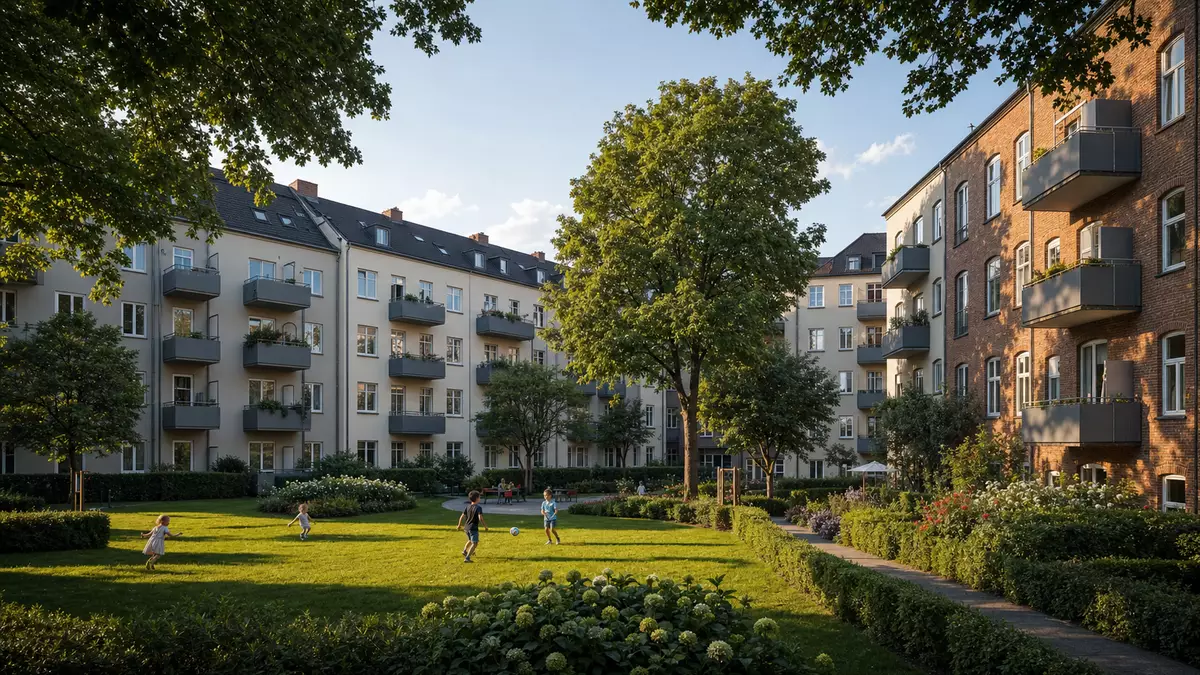
A representative product in Vonovia’s portfolio is the managed rental apartment in a multi-family building. These units are typically positioned in urban or suburban environments with access to transportation, workplaces and social infrastructure. Vonovia provides core services such as property management, maintenance, tenant communication and, where available, modernization programs for individual apartments and common areas.
Vonovia stock and listing context
Vonovia stock is listed on the primary German exchange and trades in the local currency, providing investors with exposure to the domestic residential property market through a regulated, liquid instrument. The listing connects the company with international investors who seek access to European housing trends while benefiting from the transparency and governance standards applicable to major listed issuers.
For investors, Vonovia remains a key name in the European residential real estate space. The company’s trajectory will continue to be shaped by housing demand, regulatory developments, financing conditions and its own strategic choices on portfolio management and modernization. These factors jointly influence both operational performance and how the stock is valued over time.
Vonovia at a glance
- Company: Vonovia SE
- ISIN: DE000A1ML7J1
- Ticker: VNA
- Exchange: Frankfurt Stock Exchange (Xetra)
- Sector / Industry: Real Estate - Residential
Disclaimer zu unseren Artikeln: Keine Anlageberatung, keine Kauf oder Verkaufsempfehlung. Angaben zu Kursen, Unternehmen und Märkten ohne Gewähr; Änderungen jederzeit möglich. Börsengeschäfte können zu hohen Verlusten führen. Unsere Beiträge werden ganz oder teilweise automatisiert mit Unterstützung von AI erstellt und geprüft.