Virgin Galactic Stock Catches SpaceX Fever, But the Delta-Class Engine Must Fire
05.06.2026 - 06:24:47 | boerse-global.de
A quarter of a trillion dollars in implied valuation tends to concentrate the mind. When Goldman Sachs slapped a $1.78 trillion price tag on SpaceX during its IPO roadshow, the gravitational pull rippled through the entire space sector — and Virgin Galactic found itself in the slipstream. The stock jumped nearly 13% on Thursday to close at $4.84, bringing its monthly gain to roughly 98%. Over the past 30 days, the shares have appreciated by more than 80%, though they remain nearly half below the year's peak of $8.90 reached in early June.
The logic is straightforward but powerful. Institutional investors who cannot buy SpaceX directly — because the offering remains tightly held — are hunting for publicly traded proxies. Virgin Galactic is one of the few listed pure plays in space tourism, so the tide lifts its boat. Yet the real catalyst for the latest leg higher is not someone else’s IPO; it is the concrete timeline the company has finally laid out for its next-generation spacecraft.
Delta-Class Takes Center Stage
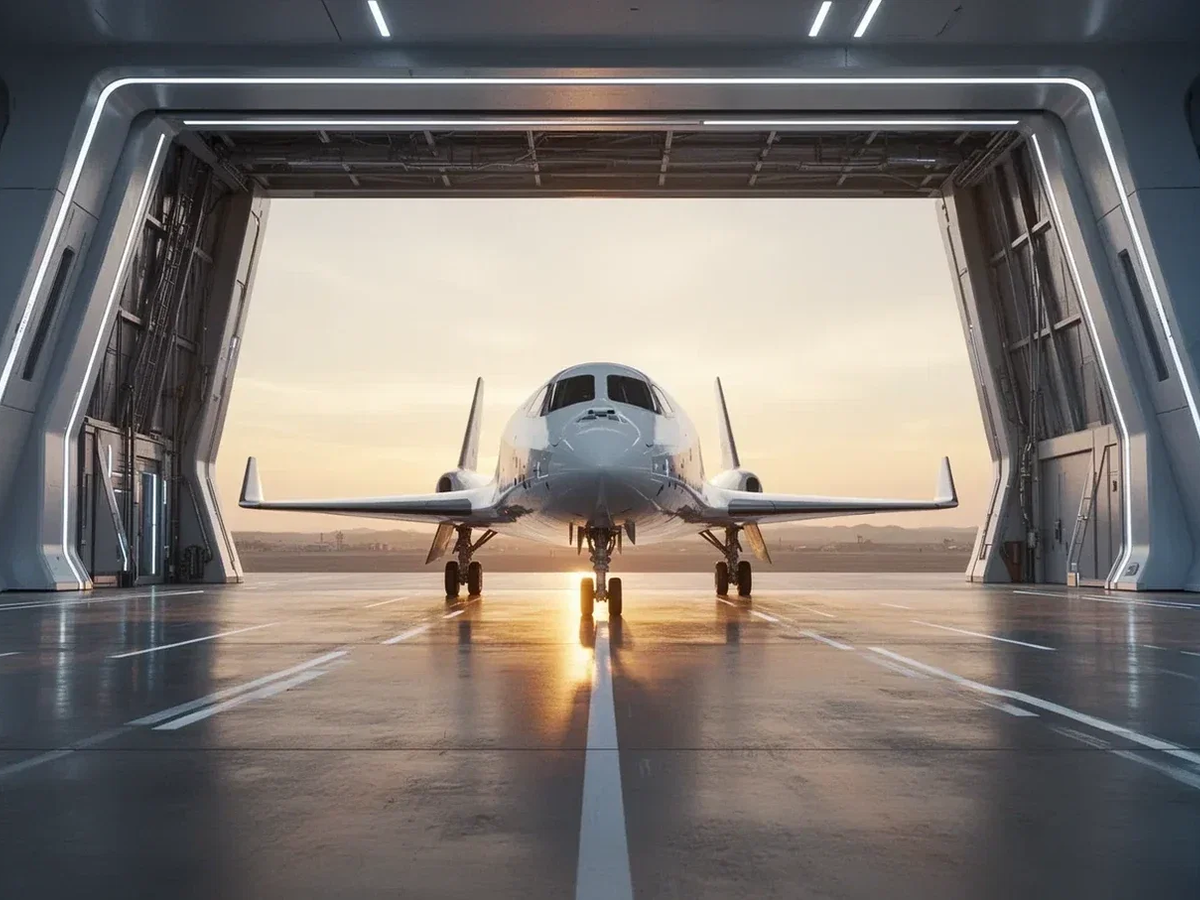
After months of speculation, Virgin Galactic has confirmed that the first Delta-class vehicle has entered ground testing at Spaceport America. The VSS Unity has resumed glide flights over New Mexico, feeding data into the new design. The roadmap is now public and explicit:
- Q3 2026: Airborne glide tests of the Delta-class
- Q4 2026: Start of commercial operations
- Spring 2027: Ramp to four flights per month, eventually reaching eight
To underscore its confidence, the company has reopened ticket sales. Fifty seats are on offer at $750,000 apiece, and several hundred customers have already pre-booked. The Delta-class is designed for a lifespan of more than 500 missions and is slated to launch twice per week at full capacity.
Should investors sell immediately? Or is it worth buying Virgin Galactic?
Costs Are Falling, But So Is the Cash Cushion
The first-quarter 2026 results painted a mixed picture. Operating expenses dropped 26% year-over-year, and the net loss of roughly $65 million came in slightly better than analysts had forecast. Revenue remained thin at about $1.5 million. Liquidity stood at $220 million, enough to fund operations through the critical test phase but not indefinitely.
Jefferies recently reaffirmed its buy rating with a $5 price target, citing the progress on Delta. Meanwhile, Rich Huang of RichRich Capital disclosed a 5.26% stake, providing a floor under the shares. Yet the fundamental math remains harsh: the company must demonstrate that the Delta-class can fly reliably and generate recurring revenue before the market will price in anything beyond speculative fever.
Volatility as the Only Constant
With a 30-day annualized volatility above 200% (208% in the secondary report), Virgin Galactic remains one of the most treacherous names on the exchange. The relative strength index sits at roughly 58 — technically neutral, but given the massive swings, technical indicators offer little comfort.
Virgin Galactic at a turning point? This analysis reveals what investors need to know now.
The trajectory now depends entirely on execution. Glide tests in the third quarter of 2026 will be the first real proof point. If the Delta-class meets its schedule, the commercial launch in the fourth quarter could transform Virgin Galactic from a story stock into a revenue-generating enterprise. If it slips, the cash runway will narrow and the dilution fears that have haunted past rallies will resurface. For now, the market is betting on the former — but the margin for error is razor-thin.
Ad
Virgin Galactic Stock: New Analysis - 5 June
Fresh Virgin Galactic information released. What's the impact for investors? Our latest independent report examines recent figures and market trends.
So schätzen die Börsenprofis Virgin Aktien ein!

Für. Immer. Kostenlos.