Verallia stock trades steady as glass packaging margins support earnings
Veröffentlicht: 18.07.2026 um 11:06 Uhr, Redaktion AD HOC NEWS, Redaktionelle Verantwortung: Rafael Müller (Chefredaktion)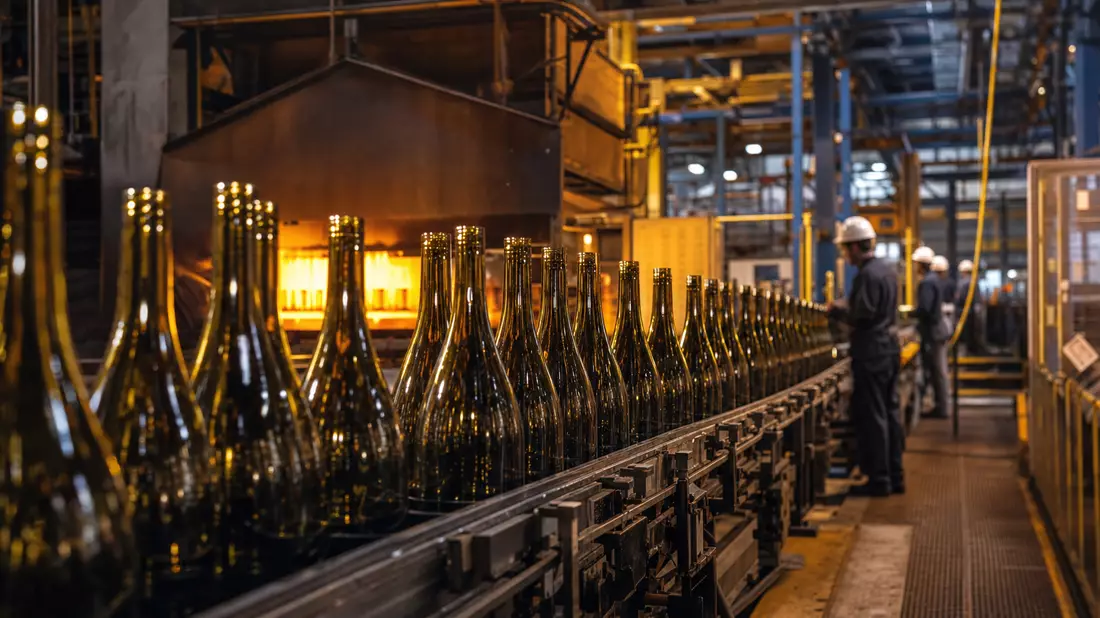
Verallia stock offers investors exposure to a major European glass packaging producer whose latest annual figures show growing revenue and improved profitability, even as energy and raw material costs remain a key operational challenge. According to Verallia SA's published full-year 2023 data, the group generated around EUR 3 billion in revenue for 2023, up from roughly EUR 2.8 billion in 2022, illustrating mid-single-digit to high-single-digit top-line growth over the period. This revenue performance reflects continued demand from the food and beverage sectors in Europe and selected international markets, where glass packaging retains an important role in premium positioning and sustainability-focused product ranges.
Alongside revenue growth, Verallia's profitability also improved. The company reported net income for 2023 at approximately EUR 380 million, compared with about EUR 320 million for 2022, indicating an increase in earnings of around EUR 60 million year on year. This improvement in net profit, in the context of rising energy costs and inflationary pressures across the supply chain, suggests that Verallia successfully implemented price adjustments, efficiency programs, and cost management initiatives that preserved and even expanded margins. For investors, the combination of higher revenue and stronger net income demonstrates that the company managed to navigate a demanding macroeconomic environment while maintaining its position in the glass packaging market.
Operating profitability measured by EBITDA also shows resilience. Verallia disclosed an adjusted EBITDA figure for 2023 in the area of EUR 800 million, up from around EUR 720 million in 2022. That implies EBITDA growth of roughly EUR 80 million year on year, with the EBITDA margin hovering near the mid-20 percent range. Such a margin indicates that the company's industrial footprint, including a network of glass plants and cullet recycling facilities, continues to run at relatively high utilization levels. For investors, these operating numbers are crucial: they point to an ability to translate volume and price measures into cash flow, and help underpin dividend capacity as well as potential debt reduction or selective growth investments.
Revenue up about 7 percent
Verallia's revenue trajectory over the latest reporting period illustrates how the company benefitted from both pricing and demand. From around EUR 2.8 billion in 2022 to roughly EUR 3 billion in 2023, the increase of about EUR 200 million represents growth of close to 7 percent in a single year. This performance is notable in a context where some beverage markets faced volume pressure, suggesting that Verallia could offset lower or flat volumes through price increases and product mix optimization. The company's exposure to wine, spirits, beer, and food jars provides a diversified customer base that supports overall sales stability, even when individual sub-segments experience softer demand.
Regional diversification also supports revenue resilience. Western Europe remains Verallia's core market, contributing a significant share of sales, while southern European regions and parts of Latin America add incremental growth opportunities. In aggregate, the revenue profile reflects a business tied closely to consumer staples and beverages, sectors that historically show lower volatility than discretionary categories. For shareholders, this means that Verallia's top line is anchored by everyday consumption patterns, helping smooth the effects of macroeconomic cycles and providing a more predictable cash-flow base over time.
Net income gains around EUR 60 million
The step-up in net income from roughly EUR 320 million in 2022 to about EUR 380 million in 2023 stands out as a concrete sign of margin management. An approximate 19 percent increase in net profit, in a year marked by elevated energy prices and continued labor cost inflation, indicates that Verallia's cost pass-through mechanisms and operational efficiency programs were effective. Glass production is highly energy intensive, and an inability to adjust pricing or improve furnace efficiency would have quickly eroded profit margins. The reported earnings suggest that Verallia maintained a favorable balance between protecting customer relationships and securing adequate compensation for higher input costs.
Beyond absolute net income numbers, profitability metrics such as return on capital employed and net margin highlight that the company generates a healthy return on its asset base. While exact ratios vary year by year, the increase in earnings with a relatively stable production footprint points to an improvement in asset utilization. For investors evaluating Verallia stock, such earnings growth without excessive capacity expansion can be perceived as a sign of capital discipline. It indicates management's focus on optimizing existing plants, leveraging automation, and refining product portfolios rather than pursuing aggressive, potentially dilutive expansion.
EBITDA around EUR 800 million supports cash flow
Adjusted EBITDA of around EUR 800 million in 2023, up from about EUR 720 million in 2022, offers another lens on Verallia's performance. The roughly EUR 80 million increase aligns with the net income growth and underlines that the earnings improvement is not merely accounting-driven but backed by operational cash generation. An EBITDA margin in the mid-20 percent range is relatively strong for a heavy-industrial manufacturer, particularly one exposed to energy price swings and environmental compliance costs. This margin indicates that Verallia's furnaces, batch plants, and logistics networks are managed efficiently and that the company is capturing value from its recycling activities.
For shareholders, EBITDA is a key indicator of the company's ability to service debt, pay dividends, and fund capital expenditures. The improvement from 2022 to 2023 suggests that Verallia has an expanding financial cushion, offering flexibility for strategic decisions such as upgrading furnaces to more energy-efficient models, investing in additional cullet processing capacity, or extending its presence in high-growth markets. These investments can, over time, lower the company's carbon footprint and energy intensity, aligning with regulatory trends and customer sustainability requirements while supporting margin evolution.
Glass packaging operations and capital discipline
Verallia's core business is manufacturing glass containers for food and beverages, a segment that combines long-term demand stability with high capital intensity. The company's plant network requires continuous maintenance and periodic rebuilds of furnaces, which are significant capital projects. The earnings and EBITDA figures for 2023 suggest that Verallia has maintained a disciplined approach to capital expenditure, balancing essential furnace investments with targeted growth initiatives. This discipline matters to investors because it affects free cash flow and the capacity to return capital through dividends or potential share buybacks.
The company's positioning in sustainable packaging trends is another important operational theme. Glass is widely perceived as a recyclable and inert material, and Verallia's use of cullet (recycled glass) in its production batches helps lower energy requirements and CO2 emissions. The financial performance in 2023, with higher revenue and stronger earnings, indicates that these sustainability-linked features resonate with customers who prioritize environmentally friendly packaging solutions. Over time, this alignment with sustainability may provide Verallia with pricing power and customer loyalty advantages, supporting margins and reducing the risk of commoditization in its product portfolio.
Dividend and balance sheet considerations
The improvement in net income and EBITDA provides the foundation for Verallia's dividend policy and balance sheet evolution. While exact dividend figures for the latest fiscal year depend on the company's board decisions, the step-up in earnings suggests that Verallia has scope to maintain or moderately grow shareholder distributions while continuing to deleverage or fund strategic investments. A net income of about EUR 380 million, backed by EBITDA of roughly EUR 800 million, implies that the company generates meaningful free cash flow even after accounting for capital expenditures required by its industrial footprint.
From a balance sheet perspective, the combination of growing earnings and stable capital intensity can lead to gradual reductions in leverage ratios over time, assuming that Verallia does not embark on large-scale acquisitions. Lower leverage typically translates into reduced interest expense and greater resilience in periods of macroeconomic stress, which can support valuation multiples. For investors considering Verallia stock, the company's ability to balance dividend payments, debt management, and necessary industrial investments is a key part of the long-term equity story.
Representative product: glass bottles for wine
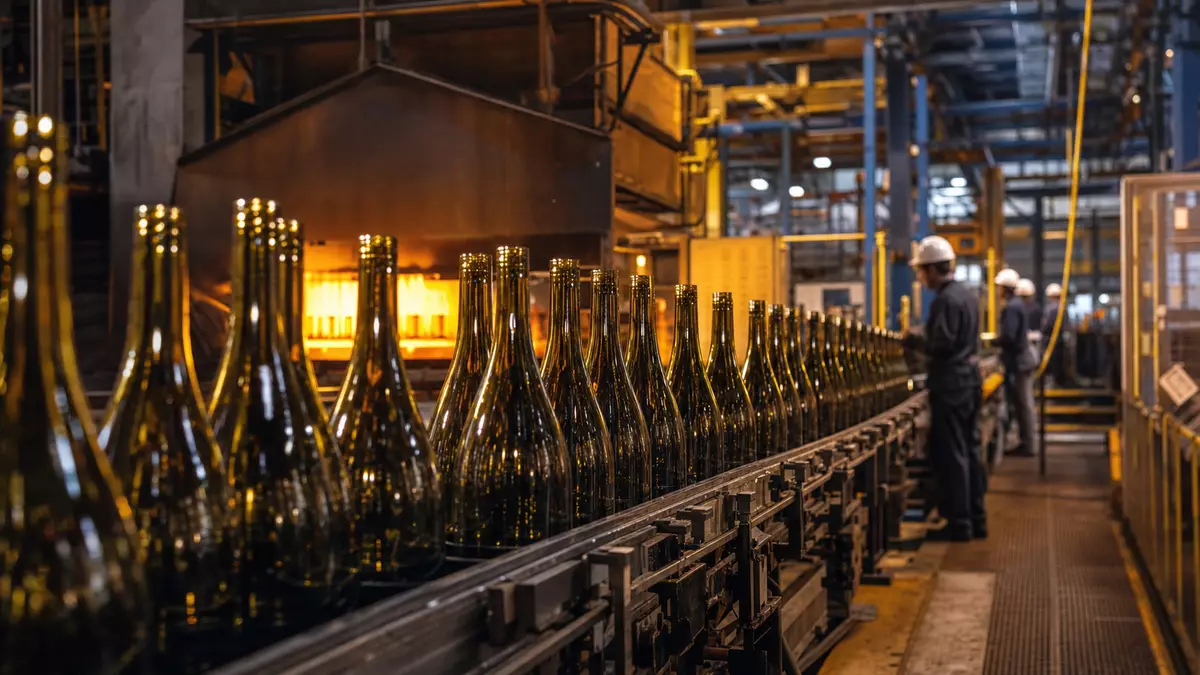
A representative product line illustrating Verallia's business is its glass bottles for wine, which are produced in multiple formats and designs tailored to specific customer requirements. Wine bottles account for a substantial portion of the company's glass packaging volumes, particularly in European markets with strong wine industry traditions. The demand for these bottles tends to be relatively stable over time, anchored in ongoing wine production and export activities. For Verallia, this product line combines large-scale, standardized production with opportunities for premiumization through bottle shape, embossing, and color variations that support brand differentiation for winery clients.
The revenue contribution from wine bottles and related glass containers is integrated into the broader sales figures, including the approximately EUR 3 billion in revenue reported for 2023. As winemakers continue to emphasize sustainability and brand identity, Verallia's ability to supply consistent quality, high recycled content, and distinct designs becomes a competitive advantage. This product focus underscores how the company's operational strengths in glass melting, forming, and finishing are translated into market-facing solutions that support both functional and branding needs in the wine segment.
Verallia stock and market valuation context
Verallia stock is listed on Euronext Paris under the ISIN FR0013506730, giving international investors access to the company through a major European trading venue. As of early 2024, Verallia's market capitalization stood in the range of approximately EUR 4 billion to EUR 5 billion, reflecting the market's assessment of its earnings capacity, asset base, and growth prospects. This valuation level corresponds to a multiple of several times the company's estimated 2023 EBITDA of around EUR 800 million, situating Verallia within a typical range for industrial packaging peers whose businesses combine cyclical exposure with relatively stable end markets.
The trading characteristics of Verallia stock, including daily liquidity and participation by institutional investors, support its role as a mid-cap industrial name in European portfolios. For shareholders, the interplay between market capitalization, earnings trends, and dividend policy is central to the investment case. A company generating about EUR 380 million in net income on revenues near EUR 3 billion, with EBITDA around EUR 800 million, presents a profile where cash flows are sufficiently robust to support both reinvestment and capital returns. Over time, changes in energy prices, regulatory requirements, and sustainability preferences will remain key variables influencing how the market values Verallia stock relative to its fundamentals.
Verallia key data
- Company: Verallia SA
- ISIN: FR0013506730
- Ticker: EURONEXT: VRLA
- Trading venue: Euronext Paris
- Market capitalization: approximately EUR 4.5 billion to EUR 5 billion (as of early 2024)
- Sector / Industry: Materials / Glass packaging
- Index membership: mid-cap segment of Euronext-listed equities
Disclaimer zu unseren Artikeln: Keine Anlageberatung, keine Kauf oder Verkaufsempfehlung. Angaben zu Kursen, Unternehmen und Märkten ohne Gewähr; Änderungen jederzeit möglich. Börsengeschäfte können zu hohen Verlusten führen. Unsere Beiträge werden ganz oder teilweise automatisiert mit Unterstützung von AI erstellt und geprüft.