Veolia industrial water solutions - Veolia Environnement targets US manufacturing demand
Published on 07/04/2026 at 16:34 | Editorial responsibility: Rafael Müller, Editor-in-Chief AD HOC NEWS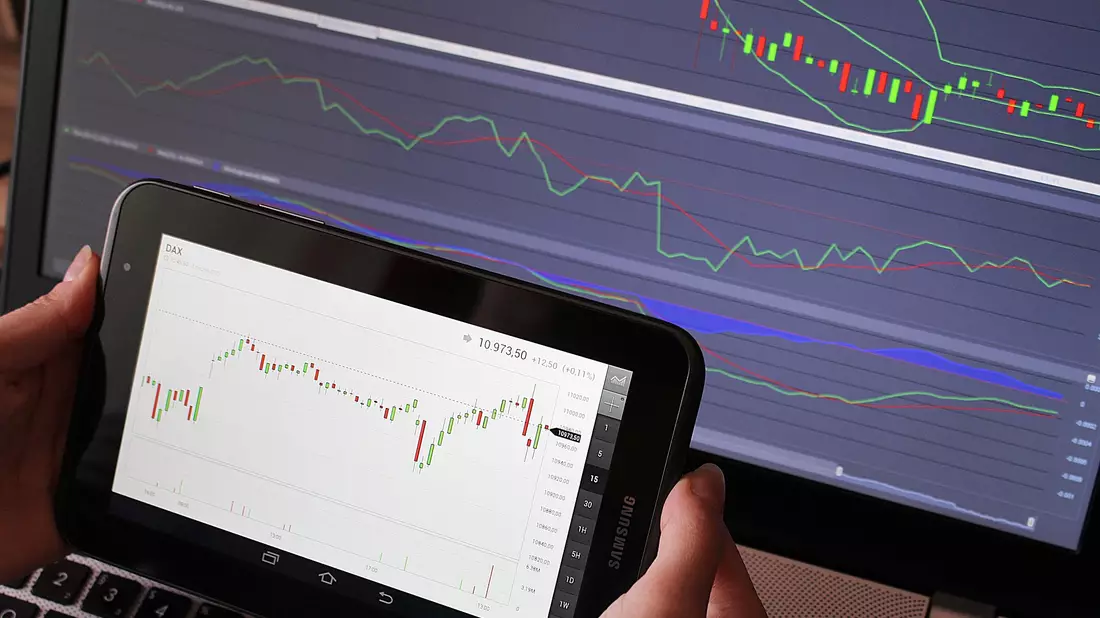
By Julian Reed, ad hoc news B2B & Pro Desk. Reviewed July 04, 2026, 10:34 AM ET. Details in the imprint.
Veolia industrial water solutions sit in a humming Midwestern factory, pipes glinting under fluorescent light as treated process water flows back into production lines instead of down the drain. An engineer in a hard hat wipes condensation off a stainless valve and taps a tablet screen to check live data.
Modular systems for manufacturers
Veolia industrial water solutions are not a single box but a portfolio of modular systems that combine physical, chemical and biological treatment with digital monitoring for industrial customers. Veolia’s own industrial water treatment overview These systems are deployed across food and beverage plants, chemical facilities, data centers and automotive factories that need consistent water quality and often tighter environmental performance.
According to Veolia, the industrial offer can include primary treatment, advanced clarification, membrane filtration, ion exchange, zero liquid discharge solutions and reuse schemes tailored to each site. The company highlights integrated operations and maintenance services that wrap around the hardware, allowing facilities to outsource daily operation of their water plants to Veolia’s specialists while keeping performance guarantees on water quality and compliance. At one US site, a snack manufacturer has Veolia staff on the floor 24/7 supervising dissolved air flotation units and biological reactors that keep effluent within permits before discharge.
Digital monitoring and reuse focus
An important part of Veolia industrial water solutions is the overlay of digital monitoring tools and performance contracts that tie Veolia’s compensation to agreed metrics such as reduced water withdrawal, lower energy use or minimized chemical consumption. In many industrial installations, sensors track turbidity, conductivity, pH and flow at multiple points, feeding a control room where dashboards show real-time trends and alarms. A process engineer can see on her screen how much water is being reused in cleaning cycles versus fresh intake, and how that compares with weekly targets.
Veolia emphasizes water reuse as a core design principle, not an afterthought. Systems are configured so that treated water from one process, such as rinsing, can be looped back into another that requires lower-quality water, reducing overall intake from municipal or groundwater sources. At a US automotive plant, this can mean treated paint-shop water being reused in cooling towers, with hardness and microbiological levels controlled to protect equipment. In some geographies where water stress is higher, Veolia designs zero liquid discharge systems that treat waste streams to a solid residue and distilled water, allowing industrial sites to meet strict regulations and reduce dependence on external supplies.
Industrial water and Veolia Environnement stock
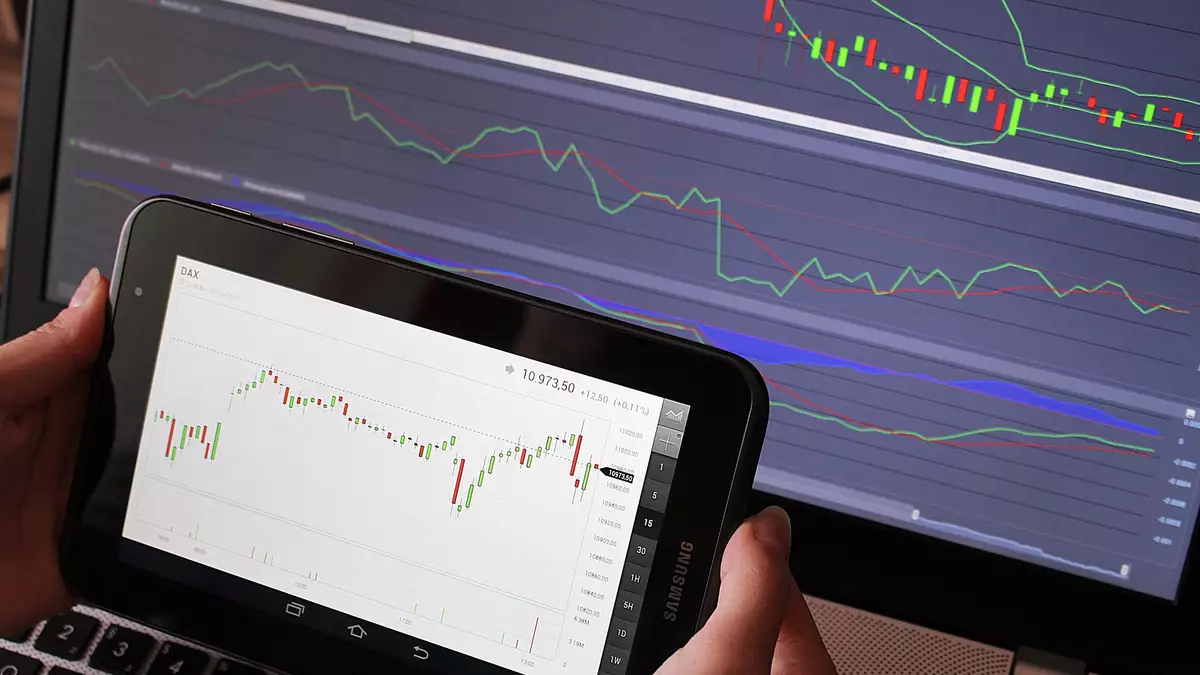
For US investors and industrial customers, Veolia’s water solutions are a key part of the group’s global revenue mix.
US industrial demand and regulations
For US industrial customers, water solutions like Veolia’s sit at the intersection of operational cost control, environmental regulation and local community expectations. Many large manufacturers face stricter discharge permits and pressure to reduce water use, especially in states where long-term supply is constrained. At one facility in the Southwest, plant managers describe how community concerns about groundwater withdrawal push them to explore greater reuse of process water. Systems that can reliably reduce intake while keeping product quality constant have direct value for industrial operations.
Regulatory frameworks in the US require industrial sites to meet defined standards for effluent and sometimes specific targets on water conservation, depending on sector and location. Industrial water solutions must therefore be engineered both to meet current rules and to stay adaptable as regulations evolve. Veolia’s portfolio is often presented as scalable, allowing additional modules such as tertiary filtration or advanced oxidation to be added when discharge limits tighten. Industry consultants note that US manufacturers increasingly make capital decisions on water systems with a view to future regulation, not just current permits, and expect their partners to help model different scenarios over the life of an installation.
Energy, chemicals and cost structure
Industrial water treatment is not just about compliance; it sits firmly in the energy and chemicals cost structure of a plant. Pumps, blowers, aeration systems and filtration units all consume electricity, and chemical dosing is a recurring line item. Veolia industrial water solutions are marketed with an eye to optimizing these inputs through process design and digital control. Engineers aim to design treatment trains that consume less energy per cubic meter treated, and to fine-tune chemical dosing so that performance is achieved with minimal waste.
Some industrial customers report that a key differentiator among suppliers is the ability to deliver predictable long-term operating costs. That is where performance-based contracts and remote monitoring become central. With live data from sensors and periodic audits, Veolia and similar providers adjust process settings to respond to changes in influent quality or production volumes. At a brewery, an increase in seasonal production can alter the load on biological treatment units, requiring adjustments to aeration or nutrient dosing. Providers that can manage these dynamics without unexpected cost spikes earn favor among plant managers who need stable budgets.
Integration with production lines
Water treatment systems may sit physically apart from production lines, but they are functionally integrated. Downtime in a critical filtration unit or failure of a disinfection step can halt production, particularly in industries with strict hygiene requirements such as food, pharmaceuticals or electronics. Veolia’s industrial water solutions are therefore designed with redundancy and automation to minimize such risks. Twin pumps, parallel treatment trains and bypass options can allow maintenance without full shutdowns, while programmable logic controllers handle routine control logic.
In practice, integration also means coordination with production planning. When a factory plans a maintenance shutdown, water treatment operations may shift to cleaning and inspections. Engineers will take advantage of reduced load to pull membranes for inspection, clean tanks or recalibrate sensors. This choreography between production and utility functions is part of what industrial water specialists offer as a service. Some US sites describe monthly coordination meetings where water and production teams align on upcoming changes and review performance metrics, including any deviations in water quality that might have affected product output.
Industrial sectors served
Veolia’s industrial water solutions serve a wide range of sectors, and that breadth matters for investors and customers alike. Food and beverage plants often need pre-treatment for municipal supply, process water quality assurance and treatment of organic-rich effluent. Breweries, dairies and snack manufacturers rely on systems that handle variability in production volume and composition while avoiding odors and maintaining stable biological communities in treatment reactors.
Chemical manufacturers have different concerns. Their waste streams may contain hazardous compounds, variable pH and complex mixtures that require advanced oxidation, neutralization and careful handling. Water solutions for such plants must be tailored closely to process chemistry and regulatory conditions. Automotive plants combine paint shops, metal finishing and assembly operations, generating diverse water and wastewater streams that call for specialized pre-treatment, recycling and safe disposal steps. Electronic component manufacturers may require ultra-pure water for rinsing and cleaning, pushing treatment systems into higher-end technologies such as reverse osmosis, deionization and advanced polishing.
US angle for investors and customers
For US investors looking at Veolia Environnement stock, the industrial water solutions portfolio is part of the broader environmental services business that spans water, waste and energy. Though Veolia is headquartered in France and its primary listings are in Europe, the group maintains operations in the US market with industrial customers. This means that contract wins in US manufacturing, energy and data center segments contribute to overall revenue and can influence perceptions of the stock’s exposure to industrial trends.
Industrial customers in the US evaluate suppliers not only on technical capabilities but also on local presence. Having technicians nearby for rapid response, spare parts inventories and an understanding of local regulations are practical factors. Veolia’s multiregional footprint, with teams deployed in North America, allows it to offer these services. For investors, that presence can translate into recurring revenue from operations and maintenance contracts, not just one-off equipment sales. Industrial water solutions, by their nature, tie customers into long-term service relationships that can be valuable for a company’s earnings profile.
Company context and stock
Veolia Environnement is a global environmental services group, best known for water treatment, waste management and energy services. Its industrial water solutions business sits within the broader water division and connects directly to industrial demand trends across manufacturing, energy and data centers. For US readers, understanding this portfolio helps contextualize Veolia’s exposure to industrial capital spending cycles and regulatory developments.
Veolia Environnement stock trades in the US over the counter as an ADR (OTC: VEOEY), giving US investors a way to gain exposure to its global environmental services operations, including industrial water solutions, via dollar-denominated securities.
Key facts on Veolia industrial water solutions
- Product: Veolia industrial water solutions
- Manufacturer: Veolia Environnement SA
- Category: B2B and professional water treatment and services
- Launch: Portfolio developed over multiple years; industrial service contracts ongoing
- MSRP / Price: Project-based pricing; costs vary by installation size and technology
- Availability: Offered to industrial customers in the US and globally through Veolia’s water division
- Target audience: Large industrial manufacturers, food and beverage plants, chemical companies, automotive producers, data centers
- Standout / USP: Integrated treatment and reuse systems paired with long-term performance-based service contracts for industrial sites
This article was AI-assisted and editorially reviewed. Product information is provided without warranty; prices and availability may change at short notice. Not investment advice and not a buy or sell recommendation. Securities trading carries risks up to total loss.
Disclaimer regarding our articles: No investment advice, no buy or sell recommendation. Information on prices, companies, and markets is provided without guarantee; changes are possible at any time. Stock market transactions can lead to substantial losses. Our articles are created and reviewed in whole or in part automatically with the support of AI.