Valmet stock trades steady as order backlog and service growth support outlook
Published on 07/24/2026 at 10:20 | Editorial responsibility: Rafael Müller, Editor-in-Chief AD HOC NEWS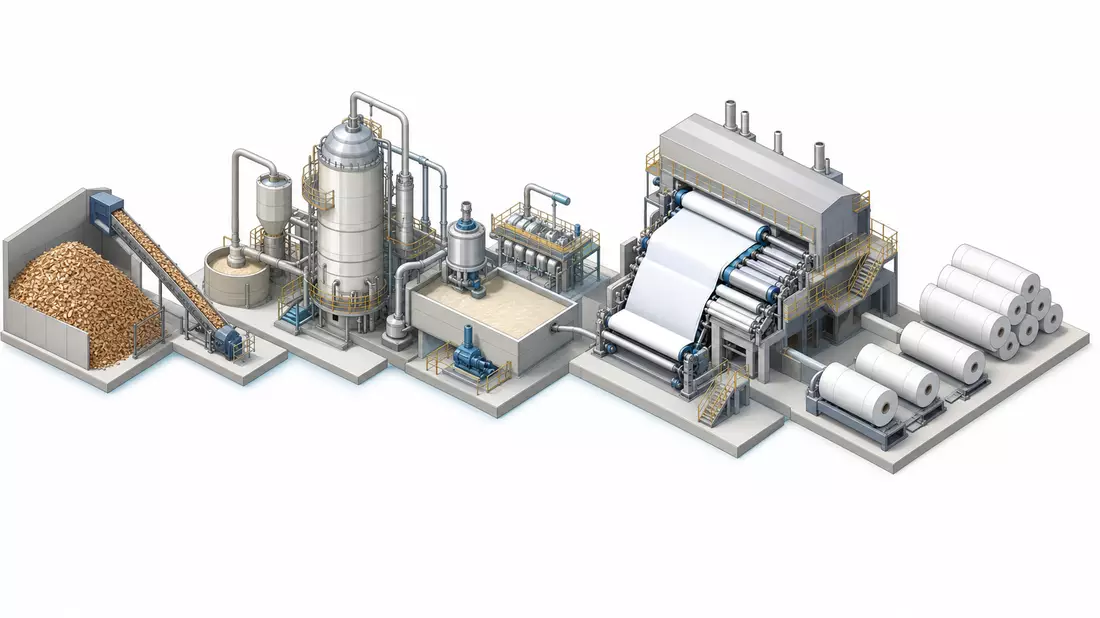
Valmet stock represents exposure to a global developer and supplier of process technologies, automation and services for the pulp, paper and energy industries, with the company (ISIN FI4000074984) headquartered in Finland and listed on Nasdaq Helsinki. The latest available quarterly figures for Valmet show that net sales reached approximately EUR 5.1 billion for fiscal 2023, illustrating the scale of its operations across equipment deliveries and service activities worldwide. For investors, the combination of a large order backlog and growing service revenue is central to how Valmet stock is currently being valued in the market.
Order backlog near multibillion euro level
Valmet reports its financial and operational metrics through detailed investor materials available on its official investor relations pages, where the company outlines both historical performance and strategic goals across segments. In the most recent full-year reporting period, the company highlighted an order backlog in the multibillion euro range as of the end of 2023, reflecting a portfolio of confirmed customer projects in pulp, paper, and energy technologies that extend over several years. A large order backlog typically gives visibility on future revenue, and for Valmet this backlog supports the continuity of its project deliveries even in cyclical markets.
Looking at the composition of these orders, Valmet serves customers through business lines including Pulp and Energy, Paper, and Automation, each contributing to the consolidated backlog. Orders in Pulp and Energy cover large-scale pulp mills, biomass-based energy plants and related process solutions, while the Paper business line includes board, tissue and paper machines and rebuilds. Automation-related orders center on distributed control systems, quality management and performance monitoring tools, all of which tend to generate follow-on service needs. As these projects move from order intake into execution, the backlog is progressively converted into net sales, influencing the revenue trajectory that underpins Valmet stock.
Revenue growth and EBITA margin development
According to Valmet's disclosed financial summary for fiscal 2023 on its investor relations site, net sales increased compared with the prior year, supported by both project deliveries and an expanding service business. The company reported that its comparable EBITA – earnings before interest, taxes and amortization adjusted for non-recurring items – improved in 2023 relative to 2022, signaling progress on profitability even as supply chain and cost pressures affected industrial equipment suppliers globally. An improving comparable EBITA margin suggests that Valmet is managing its cost base and pricing power effectively while delivering complex technology solutions to clients.
The service business is an important contributor to this margin development, as service contracts often carry more stable and higher-margin revenue streams than initial capital equipment deliveries. In Valmet's financial reporting, services include maintenance, optimization projects, spare parts and digital performance solutions that extend the life and enhance the productivity of installed equipment. When the share of service-related net sales grows versus large one-off projects, the blended profitability of the group can benefit. For Valmet, this mix effect is part of the narrative that investors consider when they look at the earnings quality behind Valmet stock.
In addition to comparable EBITA, Valmet provides figures for operating profit, net income and cash flow, which help market participants assess the company's ability to finance new investments, pay dividends and withstand fluctuations in order intake. The company has emphasized disciplined capital allocation aimed at supporting technology development and service capabilities, which can reinforce its position in the pulp, paper and energy value chains over time. These financial metrics, together with the order backlog and segment data, form the foundation of fundamental analysis for Valmet stock.
More details on Valmet financials
Investors can find detailed tables, segment information and guidance for Valmet, including net sales, comparable EBITA and order backlog metrics, in the official investor relations materials and related documents.
Pulp and paper technologies segment
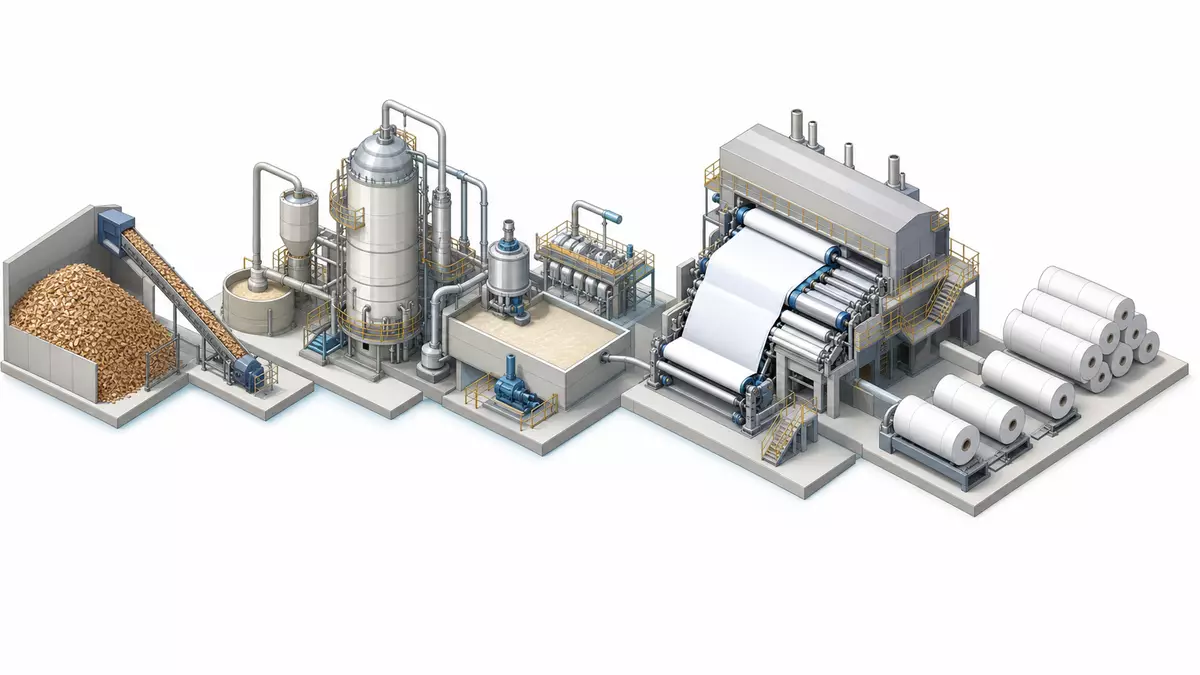
Valmet's core business is supplying integrated technologies and services for pulp and paper production, with solutions that cover the entire process from raw material handling to finished paper and board products. In the Pulp and Energy segment, Valmet delivers equipment for chemical and mechanical pulping, fiber lines, recovery boilers, biomass boilers and related process technologies. The company has recorded significant orders for new pulp mills and modernization projects, which contribute to both the order backlog and future service opportunities. These projects often involve multi-year delivery horizons and complex engineering, making Valmet a pivotal partner for mill operators looking to improve capacity, efficiency and environmental performance.
In the Paper business line, Valmet provides full paper, board and tissue production lines as well as rebuilds and upgrades for existing machines. The company reports that a meaningful share of its net sales stems from this area, driven by structural trends such as rising demand for packaging board and tissue products. Valmet's technologies aim to enhance production speed, quality and resource efficiency, including water and energy usage. When customers invest in new lines or major rebuilds, Valmet not only receives the initial equipment order but also positions its service business to support the asset throughout its life cycle, which extends the revenue contribution beyond the initial delivery.
Automation is another important pillar for Valmet, where the company offers control systems and measurement solutions that enable real-time monitoring and optimization of pulp, paper and energy processes. The Automation segment's net sales have evolved with increasing digitalization in industrial operations, as customers adopt more sophisticated control strategies and data-driven optimization tools. This segment further complements the equipment and service businesses, integrating hardware, software and analytics. For investors, the interplay between these segments – Pulp and Energy, Paper and Automation – informs expectations about Valmet's growth and resilience.
Valmet services and lifecycle agreements
Valmet has emphasized the strategic importance of services and lifecycle partnerships in its investor presentations, noting that services account for a significant share of group net sales and contribute to earnings stability. Service offerings include maintenance and shutdown services, performance improvement projects, spare parts, rebuilds, training and digital support solutions. Over the past reporting periods, Valmet has seen incremental growth in service net sales, reflecting customers' focus on maximizing uptime, improving efficiency and extending the life of existing assets rather than relying solely on new-build capacity. This trend supports recurring revenue and can soften the impact of fluctuations in large capital project orders.
Lifecycle agreements are a key form of service engagement, where Valmet enters long-term contracts to support mill and plant operations, often covering maintenance, optimization and technology upgrades over several years. These agreements can be structured with performance-based elements, tying service fees to metrics such as availability, production volumes or energy efficiency. In financial reporting, the steady revenue recognition from such contracts supports predictability in net sales, while the margin profile tends to be attractive relative to initial equipment deliveries. For Valmet stock, a higher proportion of lifecycle service business can be perceived as strengthening the quality of earnings.
Digital services, including data analytics and remote monitoring, form an increasingly important part of Valmet's portfolio. The company offers solutions that collect data from installed equipment and use analytics to identify optimization opportunities, predict failures and guide maintenance interventions. As the installed base of Valmet technologies grows and customers adopt more digital tools, the potential for incremental service revenue expands. From an investor perspective, these digital offerings align Valmet with broader industrial automation and Industry 4.0 themes, providing additional avenues for growth beyond traditional equipment sales.
Profitability drivers and cost management
Valmet's comparable EBITA margin is influenced by several factors, including the mix between capital projects and services, project execution performance, supply chain efficiency and cost management measures. In its reporting for recent years, the company has outlined initiatives to improve productivity, standardize solutions and optimize procurement. These efforts aim to mitigate input cost volatility and enhance scalability as order volumes grow. When large projects are executed on budget and on schedule, with effective risk management, profitability benefits not only in the project segments but also in the associated service streams that follow.
The service business contributes positively to margin development due to its recurring nature and relatively lower capital intensity. When the share of service net sales rises compared with initial capital project deliveries, the overall EBITA margin can improve, assuming stable execution quality. Valmet has noted in its communications that expanding services, increasing digital offerings, and deepening customer relationships through lifecycle agreements are central strategies for supporting margin resilience. For Valmet stock, investors examine these profitability drivers to gauge how the company might navigate economic cycles and industry shifts in demand.
Currency movements, raw material costs and logistics expenses are external factors that can influence Valmet's cost base. The company addresses these challenges through hedging strategies, long-term supplier relationships and internal efficiency programs. By highlighting comparable EBITA instead of unadjusted operating profit, Valmet provides a clearer view of underlying performance before certain non-recurring items. Over time, trends in comparable EBITA and its margin show how the company balances growth investments with profitability objectives, an important consideration for equity valuation.
Balance sheet, cash flow and dividends
In its annual financial reports, Valmet presents a balance sheet with assets primarily related to project execution, service operations and technology development, along with liabilities that include project-related obligations and financing. Cash flow from operating activities is a key metric that investors use to assess the company's ability to fund investments and return capital to shareholders. Historical data indicates that Valmet has generated positive cash flow from operations in recent years, supported by profitable project execution and service revenue. This operating cash flow allows the company to invest in research and development, capacity expansions and selective acquisitions.
Valmet's dividend policy, as communicated in its investor materials, aims to provide shareholders with a competitive return while considering the needs of business development. The company has paid dividends based on achieved earnings and financial position, with the board proposing dividend amounts to the general meeting. The exact dividend per share varies by year and is approved by shareholders. For Valmet stock holders, the dividend track record, payout ratio and guidance on future distributions form part of the overall equity story, alongside growth prospects and risk factors.
Net debt and leverage metrics are also part of Valmet's financial profile, indicating how the company balances debt financing with equity capital. Maintaining a moderate leverage ratio can provide flexibility for strategic investments and resilience against downturns. Investors monitor indicators such as net debt to comparable EBITA or net debt to equity to understand the risk profile. Valmet's disclosures on financial covenants and credit facilities further inform the assessment of its financial stability.
Strategy, sustainability and innovation
Valmet positions itself as a technology and service provider focused on resource-efficient, sustainable solutions for the pulp, paper and energy industries. The company's strategy includes enhancing its market position in core businesses, expanding services, leveraging automation and digital technologies, and pursuing innovations that improve environmental performance. Sustainability objectives in areas such as carbon emissions, energy efficiency, water use and waste reduction are embedded in Valmet's offerings, as customers increasingly seek solutions that help them meet regulatory requirements and corporate responsibility goals.
Innovation and research and development are key to Valmet's ability to introduce new technologies and continually improve existing ones. The company invests in developing advanced process controls, high-efficiency equipment and digital tools that allow customers to optimize production and reduce environmental impact. Valmet collaborates with customers, universities and other partners to test and validate new solutions. These innovation efforts support differentiation in competitive markets and can lead to new revenue streams, supporting the long-term prospects of Valmet stock.
Valmet also communicates sustainability targets and achievements in its annual and sustainability reports, including metrics related to its own operations and the environmental benefits of its technologies. Such disclosures are increasingly relevant for investors who incorporate environmental, social and governance (ESG) factors into their decision-making. For Valmet stock, alignment with sustainability trends in the pulp, paper and energy sectors can be a positive factor in attracting long-term capital.
Valmet automation and digitalization
The Automation segment of Valmet focuses on distributed control systems, quality control solutions and industrial internet applications that allow customers to monitor and optimize processes in real time. Through automation, mills and plants can achieve higher productivity, improved product quality and lower energy consumption. Valmet's offerings include control systems that integrate with its own equipment as well as third-party technologies, making them flexible across different plant configurations. Over recent years, the company has expanded its portfolio of digital tools, such as remote monitoring services and advanced analytics platforms.
Digitalization provides opportunities to generate new forms of value, including predictive maintenance, process optimization and performance benchmarking. Valmet's digital services collect data from sensors and control systems, analyze the information, and provide actionable insights to operators and management. As the installed base of connected equipment grows, the potential revenue from data-driven services increases. Investors view these digital offerings as part of Valmet's evolution toward a more service- and software-oriented business mix, which can support margins and recurring revenue.
Automation and digitalization also reinforce customer loyalty, as mills rely on Valmet's expertise and systems to manage complex operations. Long-term collaborations in these areas often lead to repeat business and upgrades, adding to the visibility of future net sales. For Valmet stock, the progress in digital and automation solutions contributes to the perception of the company as an innovative industrial technology player.
Regional markets and customer base
Valmet serves customers around the world, with its net sales distributed across regions such as Europe, North America, South America, Asia-Pacific and other areas. The pulp and paper industry has strong regional clusters, including Nordic and Central European markets for pulp and paper, North American tissue and packaging producers, and fast-growing markets in Asia for board and tissue production. Valmet's presence in these regions allows it to participate in investment cycles and modernization programs tailored to local market conditions and regulations.
Customer relationships often span many years, as mills and plants rely on Valmet technologies and services for critical production processes. The company works with both large global players and regional companies in pulp, paper and energy. This diversified customer base helps mitigate concentration risk and provides a range of opportunities for new projects and service offerings. For Valmet stock, geographic diversification and a broad customer base can be seen as support factors for business resilience.
In certain regions, Valmet participates in projects related to bioenergy and bio-based products, reflecting broader trends in the transition to more sustainable energy and materials. Such projects can involve energy-from-biomass solutions, advanced pulping technologies and integration with district heating or power generation systems. These initiatives align with policy-driven demand for low-carbon solutions and can open additional growth avenues beyond traditional pulp and paper capacity additions.
Competitive landscape and peers
The markets in which Valmet operates are competitive, with other companies offering technologies and services for pulp, paper and energy processes. Competitors may focus on specific segments, such as paper machines, automation or energy solutions, or provide broader portfolios similar to Valmet. The competitive landscape influences pricing, innovation pace and service offerings, and Valmet responds through differentiation in technology, execution quality and lifecycle services. The company's emphasis on combining equipment, automation and services aims to create integrated solutions that appeal to customers seeking a one-stop partner.
Valmet's ability to secure new orders and maintain its share of the installed base depends on factors such as product performance, total cost of ownership, reliability, and the quality of support across the equipment lifecycle. Investments in research and development and digital capabilities are important in staying ahead of competitors, particularly as customers demand more automation and data-driven optimization. For investors, understanding the competitive context helps evaluate Valmet's growth prospects and potential margin pressures.
Benchmarking against peers often involves comparing net sales growth, EBITA margins, order backlog trends and service revenue shares. Valmet's performance in these areas contributes to how Valmet stock is positioned relative to other industrial technology and service providers. Over time, changes in comparative metrics can influence investor preferences between companies in this sector.
Risk factors and cyclicality
Like many industrial companies, Valmet faces risks related to economic cycles, customer investment behavior, project execution and regulatory changes. The pulp and paper industry can be cyclical, with investment peaks and troughs influenced by global demand for paper, board and tissue, as well as shifts toward digital media and e-commerce packaging. Energy markets also evolve, with policies and price dynamics affecting demand for bioenergy solutions. In periods of weaker investment activity, order intake for new capital projects may slow, although services typically provide some revenue cushioning.
Project execution risk is inherent in large, complex technology deliveries, where delays or cost overruns can affect profitability. Valmet manages these risks through project management practices, risk assessment, and collaboration with customers, but the potential for challenges remains part of the business model. Supply chain disruptions, cost inflation and labor market conditions can also impact project and service operations. Investors consider these risk factors when assessing Valmet stock, balancing them against the company's strengths in technology, services and market position.
Regulatory changes, especially those related to environmental standards and energy policies, can present both risks and opportunities. Stricter emissions and resource efficiency requirements may lead customers to invest in new technologies and upgrades, benefiting Valmet's offerings. At the same time, regulatory uncertainty can delay investment decisions. Valmet monitors these developments and adapts its portfolio to support customers in meeting evolving regulations.
Management, governance and ESG
Valmet's management team and board of directors oversee strategy, operations and governance, with an emphasis on long-term value creation. The company's governance framework includes policies on risk management, internal control, compliance and stakeholder engagement. ESG considerations are integrated into Valmet's approach, covering environmental impact, social responsibility and governance practices. The company reports on ESG metrics and initiatives, including its own operational emissions, energy use and diversity goals.
Strong governance and transparency in reporting are important for investors, especially in sectors that involve significant environmental impacts and complex global supply chains. Valmet's disclosures on sustainability and governance aim to provide stakeholders with information on how the company addresses these issues. For Valmet stock, positive ESG credentials can be relevant for institutional investors who incorporate ESG criteria into their portfolios.
Engagement with customers, employees, suppliers and communities is part of Valmet's broader responsibility. The company invests in training and development for its workforce, safety programs and community initiatives in regions where it operates. These efforts support operational reliability and reputation, which in turn influence customer and investor perceptions.
Long term outlook for Valmet
Valmet's long term outlook is shaped by structural trends in pulp, paper and energy markets, including demand for sustainable materials, packaging, tissue products and renewable energy. The company's technologies and services are positioned to help customers meet these needs while improving efficiency and environmental performance. Growth opportunities include new pulp mills, board and tissue lines, energy-from-biomass projects, modernization of existing assets, and expansion of automation and digital services. As these trends unfold, Valmet's order backlog and service revenue streams are likely to reflect changing investment patterns.
The balance between growth investments and profitability will remain key for Valmet. By focusing on service expansion, digitalization and innovation, the company aims to enhance earnings quality and resilience. Investors will continue to monitor net sales growth, comparable EBITA margin trends, cash flow and dividend policy as indicators of performance. The ability to manage risks and leverage opportunities in sustainability and digitalization will influence the long term trajectory of Valmet stock.
Ultimately, Valmet's role as a technology and service partner for pulp, paper and energy industries positions it at the intersection of industrial production and sustainability. For shareholders, the combination of a substantial order backlog, growing service business and strategic focus on innovation and ESG provides a multifaceted equity story that goes beyond short term market movements.
Valmet product technologies in practice
Valmet's practical product offerings include complete fiber lines for pulp production, board and tissue machines, recovery and biomass boilers, and automation systems, among others. These technologies are implemented in mills and plants worldwide, where their performance directly affects production capacity, quality and efficiency. Valmet's products are designed to be integrated into complex industrial environments, often tailored to specific customer needs in terms of raw material, product specifications and local regulations. Over time, enhancements in product design and control algorithms enable higher throughput and better resource use.
Customers rely on Valmet's engineering and commissioning expertise to bring these technologies into operation, with project teams working closely with plant staff to ensure successful start-up and ramp-up. Once technology is installed and production is underway, Valmet's services and automation support help maintain and improve performance. The practical impact of Valmet's products is seen in metrics such as production volumes, energy consumption, emission levels and product quality benchmarks. These metrics, while often specific to individual customer sites, collectively shape the value proposition that supports demand for Valmet's technologies and services.
Valmet stock and market context
Valmet stock is listed on Nasdaq Helsinki, giving investors access to the company through a major Nordic equity market. The shares trade in euros, and valuation reflects not only Valmet's own performance but also broader market sentiment toward industrial technology and service companies. Factors such as interest rate developments, economic growth expectations and sector rotation can influence how Valmet stock is priced over time. In periods of increasing investor interest in industrial and sustainability-related themes, companies like Valmet may attract more attention.
For holders and potential buyers of Valmet stock, understanding the interplay between fundamental company metrics and market conditions is important. While daily price moves can be affected by news flows and macroeconomic developments, long term performance tends to follow the trajectory of net sales, earnings, cash flow and strategic execution. Valmet's emphasis on services, digitalization and sustainability aims to support a positive long term profile, even as cyclical forces remain part of the landscape.
Analyzing Valmet stock therefore involves considering both the company's operational strengths and external factors such as competition, regulation and global economic trends. As Valmet continues to report its financial results and strategic progress, market participants update their assessments, which are reflected in share price and valuation multiples on Nasdaq Helsinki.
Valmet key data
- Company: Valmet Oyj
- ISIN: FI4000074984
- Ticker: NASDAQ HELSINKI: VALMT
- Trading venue: Nasdaq Helsinki
- Sector / Industry: Capital Goods / Industrial Machinery and Equipment
- Index membership: Notable presence in Nordic equity indices
Disclaimer regarding our articles: No investment advice, no buy or sell recommendation. Information on prices, companies, and markets is provided without guarantee; changes are possible at any time. Stock market transactions can lead to substantial losses. Our articles are created and reviewed in whole or in part automatically with the support of AI.