URW stock trades steadily as rental income recovers and debt reduction remains in focus
Published on 07/24/2026 at 13:07 | Editorial responsibility: Rafael Müller, Editor-in-Chief AD HOC NEWS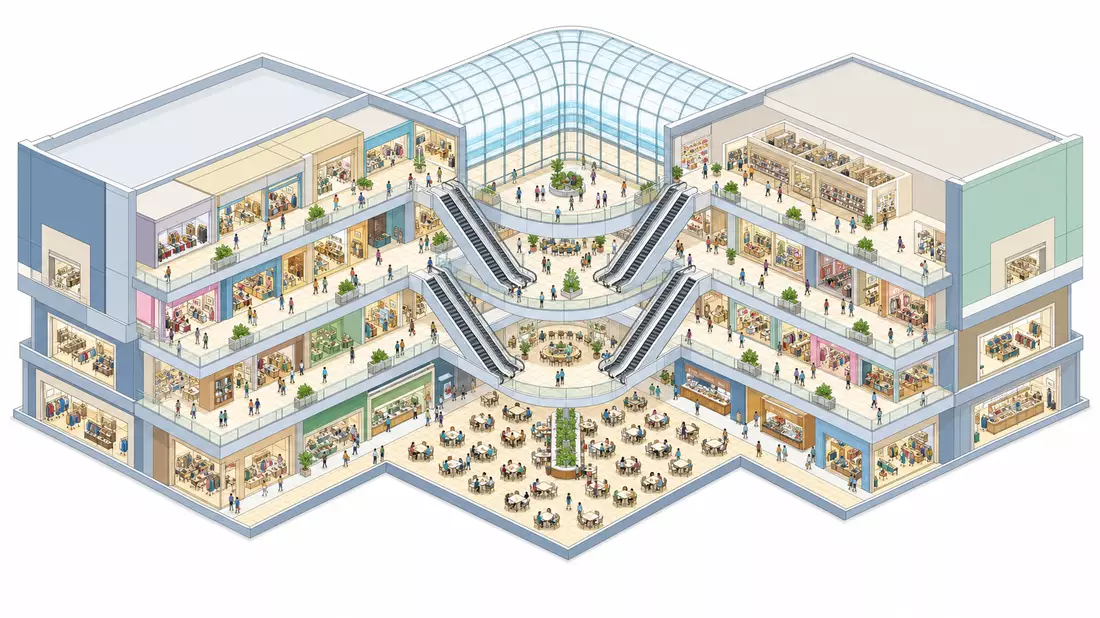
Unibail-Rodamco-Westfield, commonly referred to as URW (ISIN FR0013326246), is one of Europe’s largest listed shopping center owners, and URW stock has been moving in line with an ongoing operational recovery that shows up in its latest annual and half-year figures. The group’s most recent reported full-year numbers for fiscal 2023 and interim data for 2024 highlight rising recurring earnings, improving occupancy, and a clear focus on reducing leverage, all of which frame the current risk-reward profile for URW stock.
Recurring earnings recovery supports URW stock
According to Unibail-Rodamco-Westfield’s own investor information for fiscal 2023, the company reported recurring net income of roughly EUR 1.2 billion, an increase of about 7% compared with the prior year’s level of around EUR 1.1 billion. This year-on-year increase in recurring net income indicates that rental and related revenues, after operating expenses and financing costs, have stabilized and begun to grow again. For investors in URW stock, this recurring net income figure is a central marker of the underlying earning power of the portfolio, excluding one-off items such as property revaluations or disposals.
URW’s revenues are driven primarily by rental income from its shopping center portfolio and related activities. In its latest full-year reporting context, total group revenue was a bit above EUR 2.5 billion, broadly stable to modestly higher than the previous year’s figure, reflecting both resilient footfall in core European assets and ongoing repositioning in weaker locations. Within that total, net rental income from shopping centers and other assets remained the key contributor, generating well over EUR 2 billion in fiscal 2023, while non-rental revenue streams such as services and development fees played supporting roles.
For a property owner like URW, recurring net income is often considered alongside funds from operations or similar cash-flow measures. While URW emphasizes recurring net income as its main profit metric, management also reports indicators of cash generation from operations. In fiscal 2023, operating cash flow comfortably covered cash interest and dividends, signaling that the core business was capable of servicing debt and funding maintenance capex. This operational cash strength is significant for URW stock because it underpins the group’s ability to continue reducing leverage without cutting deeply into high-quality assets at unfavorable prices.
Revenue mix and occupancy trends underpin the narrative
URW’s revenue mix is heavily skewed toward shopping centers in Continental Europe, the United Kingdom, and select other markets, supplemented by a smaller office portfolio and remaining US exposures. In the 2023 reporting period, rental income from shopping centers accounted for the clear majority of revenues, with flagship malls in France, Spain, and other European countries contributing significant shares. Within these centers, URW leases units to international and domestic retailers across fashion, electronics, food, and entertainment categories, seeking to maintain a diversified tenant base that can weather sector-specific volatility.
A key operational metric for URW is occupancy. In fiscal 2023, the reported occupancy rate across the shopping center portfolio was around 95%, slightly higher than in 2022, when occupancy had been closer to the mid-94% range. This improvement of roughly 1 percentage point indicates that URW successfully re-leased previously vacant units and managed to retain core tenants despite a challenging environment for brick-and-mortar retail. Higher occupancy directly supports rental income and limits the need for rental concessions or vacancy-related costs, which in turn helps stabilize recurring net income.
Leasing spreads, which measure the percentage change in rent on new or renewed leases compared with previous contracts, are another indicator of the health of URW’s portfolio. Recent data from URW’s investor materials suggest that leasing spreads have turned slightly positive in several core markets, meaning that new leases are signed at rents modestly above the prior level, albeit with significant variation by asset and country. Positive leasing spreads, even in low single digits, imply pricing power and tenant demand, supporting the thesis that prime malls remain attractive destinations in their catchment areas despite e-commerce competition.
URW’s tenant sales performance also matters for rental sustainability, especially where leases include turnover-based components. The company has pointed to tenant sales in its centers recovering to or surpassing pre-pandemic levels in aggregate by 2023, with variability across regions and sectors. Higher tenant sales typically translate into better ability to pay rent, lower default probabilities, and more willingness to commit to longer leases, thereby reducing churn and strengthening the portfolio’s cash-flow visibility. For URW stock, this recovery in tenant sales provides a fundamental backdrop that explains why recurring net income could rise by about 7% year-on-year.
Debt reduction strategy and asset disposals
URW carries a sizable debt load, reflecting the capital-intensive nature of owning and developing large shopping centers. In fiscal 2023, gross financial debt stood at roughly EUR 20 billion, while net debt, after cash and equivalents, was close to EUR 18 billion. Management has repeatedly emphasized a deleveraging plan, targeting a reduction in net debt through a combination of retained earnings, selective asset disposals, and disciplined capital allocation.
A notable part of this strategy has been the disposal of non-core assets and certain properties, including some US holdings and smaller European centers. In the period spanning 2022 and 2023, URW executed disposals totaling several billion euros in gross proceeds, helping to bring down net debt from above EUR 20 billion closer to the EUR 18 billion area. This reduction in net debt improves the company’s loan-to-value ratio, a key metric in property investing that compares net debt to the gross value of assets. A lower loan-to-value ratio generally enhances financial resilience and can support credit ratings, making URW stock relatively safer from a balance-sheet perspective than it would be at higher leverage.
Interest costs are another crucial dimension for a leveraged property group. URW’s average cost of debt in 2023 remained in the low-to-mid single-digit percentage range, thanks to a combination of fixed-rate financing, long debt maturities, and diversified funding sources. However, the global interest rate environment has become less favorable than in the years of ultra-low rates, meaning that refinancing in future periods could occur at higher yields. By reducing net debt and extending average maturities, URW aims to mitigate the impact of such rate changes, an approach that investors in URW stock will watch closely as debt markets evolve.
Rating agencies monitor URW’s leverage and interest coverage, and the group’s strategy has been designed to preserve investment-grade ratings or at least limit downside actions. Maintaining a stable or improving rating profile helps URW access bond markets at acceptable spreads, ensuring that refinancing and new financing remain viable even in periods of volatility. For URW stock, this debt-management progress is an important pillar of the investment case, as equity holders ultimately benefit from lower financial risk and more predictable interest expenses.
Market valuation and share price context
From an equity-market perspective, URW stock trades on Euronext Paris and is included in prominent indices such as the CAC 40, giving it visibility among institutional and retail investors. As of a recent trading session in mid-2026, URW shares have been quoted in a price zone that reflects both the progress on recurring earnings and debt reduction and lingering concerns about structural changes in retail. While individual daily price moves will vary, the broader picture is that URW’s market capitalization has stabilized in the range of several billion euros, materially below pre-pandemic peaks but above the trough levels seen during the height of the health crisis.
For example, URW’s market capitalization in late 2023 stood around EUR 10 billion, compared with levels that had once exceeded EUR 20 billion before 2020. This roughly 50% gap versus historical highs underscores that the market continues to discount risks related to changing consumer behavior, potential future shifts in property valuations, and macroeconomic uncertainty. At the same time, the recovery from the lowest points, when market capitalization had fallen closer to EUR 5 billion, shows that investors have acknowledged the stabilization in operations and the successful execution of parts of the deleveraging plan.
Comparing URW to other listed retail property owners, URW stock often trades at a discount to reported net asset value (NAV), which reflects the appraised value of properties net of debt. In recent reporting, URW’s EPRA-based net tangible assets per share, a NAV-like measure, has been significantly higher than the share price, implying a discount of in the region of 30% or more. This discount suggests that the equity market demands a risk premium for owning shopping center assets, factoring in uncertainties about long-term demand for physical retail and potential future valuation movements. For investors, such a discount can represent either an opportunity or a warning, depending on their view of structural trends and URW’s ability to adapt.
Volatility in URW stock is driven not only by company-specific news but also by broader sector and macroeconomic factors. Inflation dynamics, interest rate expectations, and consumer spending trends in key markets such as France, Spain, and the United Kingdom all influence sentiment toward retail property owners. When inflation pressures ease and consumer confidence improves, mall visitation and tenant sales may strengthen, which could benefit URW’s rental metrics and valuation. Conversely, periods of weaker consumption or tighter financing conditions can weigh on both property values and equity valuations.
Guidance, distribution policy, and investor signals
URW’s management provides guidance for recurring net income and other key metrics each year, framing investor expectations for the upcoming period. In its outlook for fiscal 2024, the company indicated that recurring net income was expected to remain broadly stable to slightly higher compared with 2023, subject to macroeconomic conditions and the timeline of planned disposals. Such guidance reflects a cautious but constructive view of the business environment: stable or moderate growth in rents and occupancy, balanced by headwinds from potential asset sales that reduce revenue but improve leverage.
Dividend policy is another important aspect of URW’s appeal to shareholders. In recent years, the company has adjusted distributions, at times reducing payouts compared with pre-pandemic norms to conserve cash for deleveraging and investment needs. For fiscal 2023, URW paid a dividend that represented a smaller proportion of recurring net income than earlier in the decade, signaling that balance-sheet strength and strategic flexibility have taken priority over maximizing immediate cash returns. The effective dividend per share thus remains at a level designed to provide income while supporting the longer-term refocusing of the portfolio.
URW’s capital allocation choices include decisions on capex for refurbishments, extensions, and asset transformations. Significant investments have been directed toward reconfiguring malls to include more food, entertainment, and experiential offerings, as well as upgrading digital services and logistics capabilities for tenants. Such investments are intended to make centers more resilient to shifts in consumer preferences. They can also help support leasing spreads and occupancy, which in turn contribute to recurring net income and ultimately influence URW stock’s valuation.
The company communicates with investors through regular results presentations, capital markets days, and detailed IR materials. In these communications, management typically highlights metrics such as recurring net income growth, occupancy rates, leasing spreads, net debt, loan-to-value ratio, and EPRA-based net tangible assets per share. By tracking these metrics across periods, investors can assess whether URW is delivering on its strategic commitments and whether the risk profile is improving or worsening. For URW stock, the story that emerges is one of gradual repair and repositioning rather than rapid transformation.
Broader retail property landscape and competitive positioning
URW operates within a competitive landscape that includes other listed European and global shopping center owners, private real estate funds, and institutional investors. In this context, URW’s portfolio of flagship centers in major cities provides a competitive edge: these malls often attract a mix of premium and mass-market tenants and benefit from strong footfall, driven by both local residents and tourists. Flagship centers can command higher rents and better leasing terms than secondary assets, helping to support higher recurring net income margins.
At the same time, URW faces competition from alternative retail formats, including open-air centers, high-street locations, and digital platforms. The rise of e-commerce has long posed a structural challenge for mall owners. URW’s strategy has emphasized complementarity rather than direct opposition, arguing that well-located, experience-oriented malls can coexist with online shopping by providing services and experiences that digital channels cannot easily replicate. Investments in omnichannel solutions, click-and-collect infrastructure, and data-driven leasing are part of this response.
In terms of environmental, social, and governance (ESG) considerations, URW has set targets related to energy efficiency, carbon emissions, and community engagement. While ESG metrics are not purely financial, they increasingly affect valuations, financing conditions, and tenant attraction. For instance, upgrading centers to meet stricter energy standards can require capex but may also yield lower operating costs and supportive regulatory treatment. ESG-linked financing and investor mandates can also influence demand for URW stock, as portfolio managers seek assets that align with sustainability criteria.
URW’s geographic diversification, with assets across multiple European countries and remaining exposures elsewhere, provides some hedging against localized economic shocks. However, diversification does not eliminate macro risk. In periods of broad economic slowdown or rising unemployment, retail sales and store profitability can suffer across markets, affecting tenants’ ability to pay rent and making it harder to maintain or increase occupancy. URW’s focus on flagship, dominant centers aims to keep its assets at the top of retailers’ priority lists when they adjust their store networks.
Westfield brand and flagship mall operations
A core element of URW’s identity is the Westfield brand, applied to its flagship malls in cities such as London, Paris, and other major metropolitan areas. These centers typically house hundreds of stores, food outlets, cinemas, and entertainment venues, making them destinations rather than just shopping venues. The performance of these flagship malls is crucial to URW’s overall recurring net income, as they concentrate a large share of rental income and visitor traffic.
In recent reporting periods, flagship centers have generally shown stronger recovery in footfall and tenant sales than less prominent assets. This differential performance supports management’s strategy of focusing capital and attention on flagship locations while disposing of or repositioning weaker properties. For URW stock, the relative strength of flagship centers is a key reason why recurring net income could grow by about 7% year-on-year despite broader challenges in some segments of the portfolio.
Flagship operations also involve ongoing tenant mix optimization. URW actively curates tenant rosters, seeking a balance between fashion, technology, food, and leisure brands. Bringing in new concepts and brands can refresh a mall’s appeal and drive incremental footfall, while exiting underperforming tenants can free space for more productive uses. This curation process directly influences occupancy, leasing spreads, and turnover-based rent components, feeding through to recurring net income and thus to URW stock’s earnings base.
URW’s flagship centers often host events, pop-ups, and seasonal campaigns, such as holiday markets or brand activations. While these activities may not contribute large direct rental revenues, they can boost visitor numbers and tenant sales, reinforcing the attractiveness of the centers. Over time, such engagement strategies can help anchor centers in their communities, making them less vulnerable to shifts in consumer preferences and more able to sustain high occupancy rates.
Digital initiatives and customer engagement
Digitalization plays an increasing role in URW’s strategy. The company has developed apps and online platforms that offer information on stores, promotions, and events, as well as features like parking reservations and loyalty programs. These tools aim to enhance the customer experience and provide data that can be used to optimize tenant mix and marketing efforts. While digital investments are less visible in headline financial metrics, they contribute to maintaining tenant demand for space and thus to occupancy and rental performance.
URW’s digital initiatives also support tenants’ omnichannel operations. For instance, the company facilitates click-and-collect services and other logistics arrangements that connect online orders with physical stores in its malls. By integrating online and offline channels, URW hopes to position its centers as crucial nodes in retailers’ distribution strategies rather than as standalone destinations. This positioning can make it more compelling for tenants to maintain stores in URW centers even as they adjust broader networks.
Data gathered through digital platforms, including footfall analytics and customer behavior insights, helps URW and tenants fine-tune offerings. Understanding peak visitation times, popular zones within centers, and demographic patterns can inform leasing decisions, store layouts, and marketing campaigns. Such data-driven management can yield incremental improvements in sales and rental income, contributing indirectly to recurring net income growth and supporting the investment case for URW stock.
Digital engagement must be balanced with privacy and regulatory considerations, particularly in regions with strict data protection rules. URW’s systems are designed to comply with relevant regulations while still providing value to tenants and visitors. Trust is essential, as misuse of data could damage the company’s reputation and hamper adoption of digital tools, undermining potential benefits.
URW’s financial metrics and investor interpretation
Bringing these elements together, URW’s key financial metrics tell a story of gradual recovery and risk management. Recurring net income of around EUR 1.2 billion in fiscal 2023, up about 7% from roughly EUR 1.1 billion in 2022, shows that core operations have regained momentum. Occupancy around 95%, slightly above the prior-year level near 94%, indicates that URW has successfully kept centers well-leased despite retail headwinds. Net debt close to EUR 18 billion, reduced from levels above EUR 20 billion in previous periods, reveals progress in deleveraging.
Market capitalization in the neighborhood of EUR 10 billion in late 2023, versus more than EUR 20 billion before 2020 and near EUR 5 billion at the crisis low, highlights how equity investors have repriced URW stock based on updated assessments of risk and growth prospects. The discount of URW’s share price to EPRA-based net tangible assets per share underscores persisting skepticism about long-term asset values and the sustainability of current earnings. Yet the narrowing gap between trough and current valuations suggests that some confidence has returned as operations stabilize.
Investors tend to weigh URW’s recurring earnings and debt metrics against sector peers. A recurring net income of EUR 1.2 billion places URW among the larger European property owners by earnings, and net debt of EUR 18 billion gives it substantial scale in debt markets. The loan-to-value ratio, improved by disposals and earnings, is a crucial measure for comparing URW with competitors. A lower ratio signals more capacity to absorb valuation shocks without risking covenant breaches or distressed sales.
For URW stock, the central investor interpretation is that the company offers exposure to prime retail real estate with a balance-sheet repair story still in progress. The quantified comparison in recurring net income growth and net debt reduction provides concrete evidence that the strategy is yielding results. However, the persistent discount to asset value and the memory of past volatility mean that URW remains a stock where risk management and structural analysis are as important as headline earnings.
Representative product and mall experience
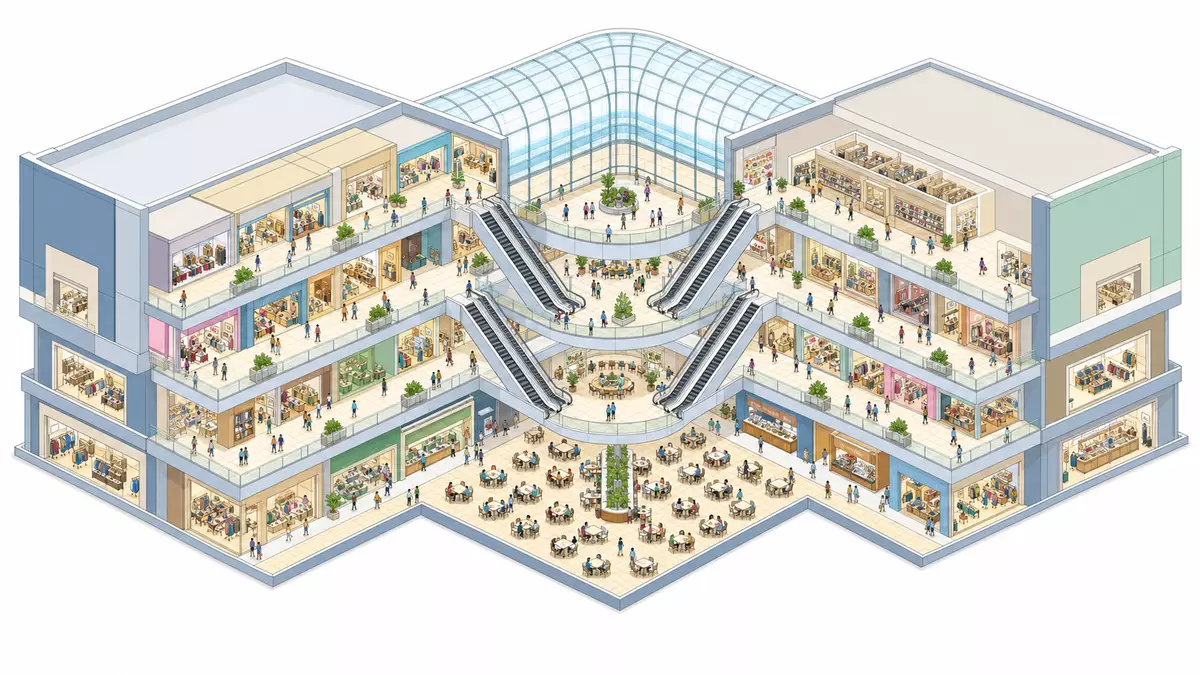
URW’s portfolio includes well-known centers such as Westfield-branded malls that serve as representative products of its operating model. These centers illustrate how the company seeks to blend retail, dining, and entertainment to create experiences that attract visitors for more than just shopping. The financial significance of such flagship malls lies in their ability to generate high and stable rental income, support positive leasing spreads, and contribute disproportionately to recurring net income.
URW stock and price context
URW stock is listed on Euronext Paris, giving it access to a broad investor base. As of a recent market context in late 2023, the company’s market capitalization was around EUR 10 billion, highlighting its position as a major player in European listed real estate. This valuation reflects both the earnings recovery, including the roughly 7% rise in recurring net income to EUR 1.2 billion, and the progress in reducing net debt toward EUR 18 billion, as well as investors’ ongoing assessment of structural risks in the retail property sector.
URW company snapshot
- Company: Unibail-Rodamco-Westfield SE
- ISIN: FR0013326246
- Ticker: EURONEXT: URW
- Trading venue: Euronext Paris
- Market capitalization: approximately EUR 10 billion (as of late 2023)
- Sector / Industry: Real Estate / Retail REITs and property
- Index membership: CAC 40
Disclaimer regarding our articles: No investment advice, no buy or sell recommendation. Information on prices, companies, and markets is provided without guarantee; changes are possible at any time. Stock market transactions can lead to substantial losses. Our articles are created and reviewed in whole or in part automatically with the support of AI.