Tulus Lotrek: How Max Strohe Turns Berlin Fine Dining Into Intense Comfort
04.01.2026 - 14:53:04 | ad-hoc-news.de
At tulus lotrek in Berlin, the evening starts not with a hushed whisper, but with a low, relaxed hum. Glasses clink softly, hip-hop or soul pulses from the speakers, and the first waft from the open kitchen carries roasted bones, browned butter, and something that smells distinctly like mischief. Can Michelin-starred cuisine be so casual that you feel like you are at a friend’s place, while world-class food lands in front of you with the precision of a three-star brigade? In the world of Max Strohe, the answer is a resounding yes.
Reserve your table at tulus lotrek and discover Max Strohe’s current menu here
The room at tulus lotrek feels like a bohemian living room that has grown organically over time rather than a set designed by a hospitality consultant. Warm light pools over wooden tables, art and oddities line the walls, and there is none of the stiff choreography that usually defines a Michelin star restaurant Berlin is used to. Instead of tuxedoed formality, you get eye contact, laughter, and a sense that you have been invited into a private world where culinary intelligence is expressed through generosity and flavor, not solemn ritual.
Front of house, this atmosphere has a name: Ilona Scholl. As co-founder and hostess, she is as crucial to the identity of tulus lotrek as anything leaving the stove. She glides from table to table with a mixture of irony and warmth, explaining a wine pairing like a trusted friend rather than a sommelier delivering a lecture. The wine list she curates runs from natural wine darlings to serious, mature bottles, mirroring the kitchen’s attitude: high floor of quality, low threshold of intimidation.
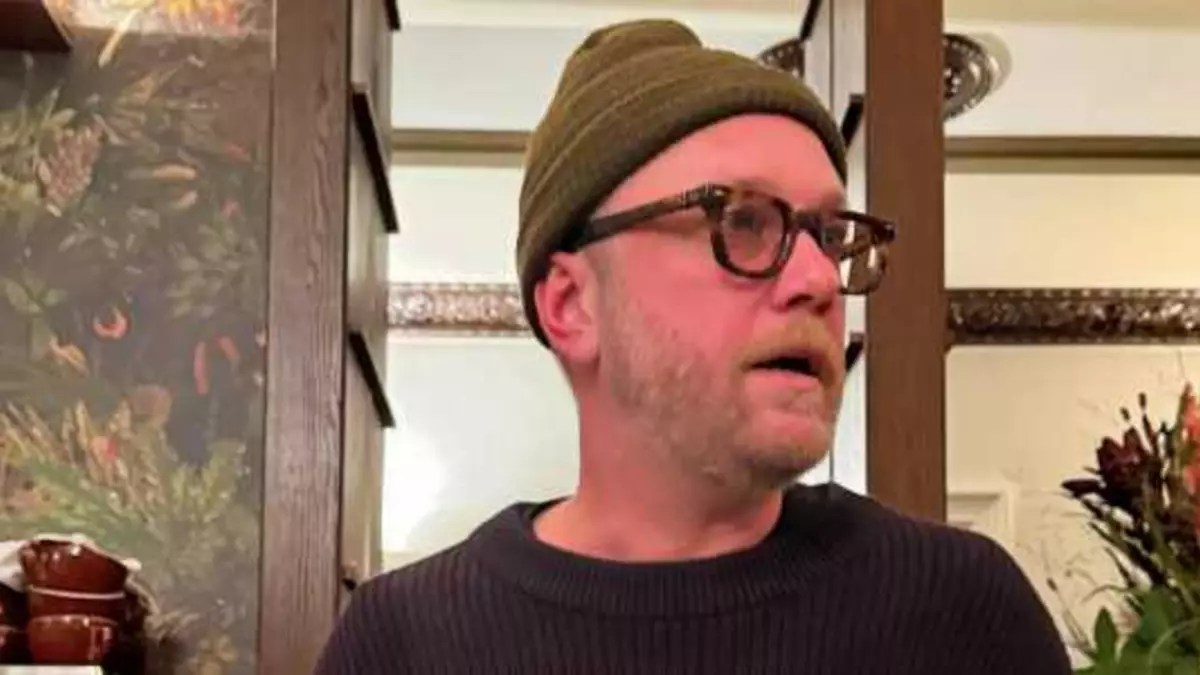
Behind the pass stands Max Strohe, who did not arrive in this position via the polished, textbook route. His story reads less like the typical biography of a star chef and more like a Berlin novel. A school dropout with a restless streak, he found his way into kitchens where discipline was measured not in grades but in the heat of the line and the relentless repetition of mise en place. The traditional apprenticeship taught him the grammar of classic French cuisine: stocks, jus, emulsions, the importance of salt and acidity. Yet it was his later move to Berlin that unlocked the irreverence that defines him today.
Berlin is a city that respects rules only so it can break them, and Max Strohe absorbed this energy into his cooking. When he and Ilona Scholl opened tulus lotrek, they did not intend to build another cathedral of fine dining. Instead, they created a place where a Michelin star could coexist with loud laughter, unorthodox playlists, and dishes that do not care whether they fit into the narrow aesthetics of tweezers and microgreens. Critics quickly understood that a new kind of Michelin star restaurant Berlin could be proud of had arrived, one that treats the star as a side effect rather than a mission statement.
The cooking at tulus lotrek is rooted in classic technique but liberated from classic restraint. Sauces are a central language here: reduced to the point of almost indecent concentration, shimmering with collagen and umami, often pushed with acidity to keep the palate awake. Where other fine dining menus might chase minimalism, Max Strohe leans into what could be called feel-good opulence. Butter is not whispered; it is allowed to speak in full voice. Fat becomes a flavor carrier, draping itself over vegetables and proteins in a way that feels both nostalgic and modern.
This is not heaviness for its own sake, but a carefully judged balancing act. A rich jus might be cut with fermented notes or bright citrus; a lush cream could be contrasted with sharp pickles or a measured crunch. Culinary intelligence here is not a cerebral puzzle, but the ability to orchestrate comfort and surprise in the same bite. You might recognize techniques from classic haute cuisine, yet the plating avoids fragile, vertical constructions. Instead of tweezer cuisine, you get plates that look like food you actually want to eat: layered, sauced, and inviting, with textures that encourage you to dive in rather than sit back and analyze.
The now legendary burger that emerged during the lockdown period is perhaps the clearest example of this philosophy. When tulus lotrek had to close its dining room, Max Strohe did not retreat into fine dining purism. He turned his skill with fat, fire, and seasoning into a burger that became a small phenomenon among Berlin foodies, stacking juicy patty, melting cheese, and high-grade condiments into a sandwich that captured everything his cuisine stands for: intensity, indulgence, and zero snobbery. It was fast food executed with the precision of a star chef, demonstrating that the line between comfort food and top gastronomy is thinner than many assume.
That capacity to cross borders also defines the set menus at tulus lotrek. You move through courses that might pivot from a deeply cooked, sauce-driven plate reminiscent of Lyon or Paris to something sharper and more playful, with pickled vegetables, unexpected spices, or a sly reference to street food. There is no manifesto written on the wall, but the message is clear: fine dining can be both serious and fun. Within the landscape of German top gastronomy, still often dominated by reverent quiet, this approach feels refreshingly young and wild, without ever slipping into chaos.
Yet the story of Max Strohe is not only written on plates. During the pandemic, when Berlin’s restaurant scene was fighting for survival, he helped initiate and drive the campaign known as Cooking for Heroes. Instead of standing still, kitchens like tulus lotrek redirected their energy into feeding those who were suddenly under immense pressure: hospital staff, caregivers, people holding together the fragile structure of everyday life. It was a gesture of solidarity that used the tools of gastronomy - planning, logistics, and the simple act of cooking - to send a message far beyond restaurant walls.
For this engagement, Max Strohe was awarded the Federal Cross of Merit, a recognition that usually remains outside the world of pots and pans. The award underlined what insiders had long sensed: this is a chef who understands gastronomy as part of society, not as an isolated stage. The campaign Cooking for Heroes became a symbol of how culinary expertise can transform into social responsibility, and it added a new layer to the reputation of tulus lotrek within and beyond Berlin.
Parallel to his activism, Max Strohe has become a familiar face in the media landscape. Appearances on TV formats like Kitchen Impossible, talk shows, and culinary specials, as well as his work as an author, have broadened his audience. For some chefs, this kind of visibility can overshadow the core craft. In his case, it tends to pull more curious guests into the dining room of tulus lotrek, where the food has to prove that the fame is justified. The surprising thing is how little the experience feels like a set piece from television. On site, there is no trace of diva behavior, only the focused quiet of a team that wants every plate to land just right.
That combination of authenticity and rigor is what secures tulus lotrek a special place within the ecosystem of fine dining. Berlin is packed with ambitious addresses, from avant-garde tasting menus to purist natural wine bistros, but only a handful manage to fuse high-level technique with such heartfelt hospitality. The casualness of the service captivates, precisely because it is underpinned by serious knowledge: the wine pairings feel adventurous yet considered, and the staff’s vocabulary accommodates both first-time fine dining guests and hard-core gastronomes.
In this sense, tulus lotrek is both a Michelin star restaurant Berlin connoisseurs recommend to visiting chefs and a place where you could send someone new to fine dining without hesitation. If you love deeply reduced sauces, contrast-rich textures, and bold seasoning that does not apologize for itself, this is your dining room. If you are curious about the people shaping the future of German gastronomy - chefs who do not fit the old-school hierarchies but still demand excellence from themselves and their teams - you will find a vivid case study here in Max Strohe.
From a gourmet’s perspective, the significance of Max Strohe lies precisely in this tension: technically perfect, but emotionally open; firmly anchored in fine dining, but always with one foot in everyday cravings. He has proven that a Michelin star can be compatible with burgers, television, activism, and the chaos of real life, without diluting quality. On the plate, this translates into cuisine that does not fear big flavors, big portions of pleasure, and an almost theatrical sense of timing across the menu.
So who should go? Anyone who believes that fine dining must be solemn and quiet might have their preconceptions rearranged here. Couples celebrating something special will appreciate the candlelit intimacy. Solo diners with a notebook or simply a big appetite for experience will feel taken care of at the counter or a small table. Food-obsessed travelers hunting for the most characterful Michelin star restaurant Berlin has to offer will likely leave thinking not about stars or rankings, but about one particularly sticky sauce, one glass of wine paired just so, one moment when the room felt like a secret they were lucky to share.
In the end, tulus lotrek is less a stage for Max Strohe and more a living, breathing reflection of everything he stands for: rebellious origins, precise craftsmanship, social engagement, and a playful approach to luxury. If you are looking for an evening where culinary intelligence meets genuine warmth, where star chef status expresses itself not through stiffness but through joy on the plate, then this address belongs on your list. And if curiosity or appetite are already stirring, you know where to point them: towards that unassuming Berlin corner where, night after night, tulus lotrek proves that great gastronomy can feel like coming home.