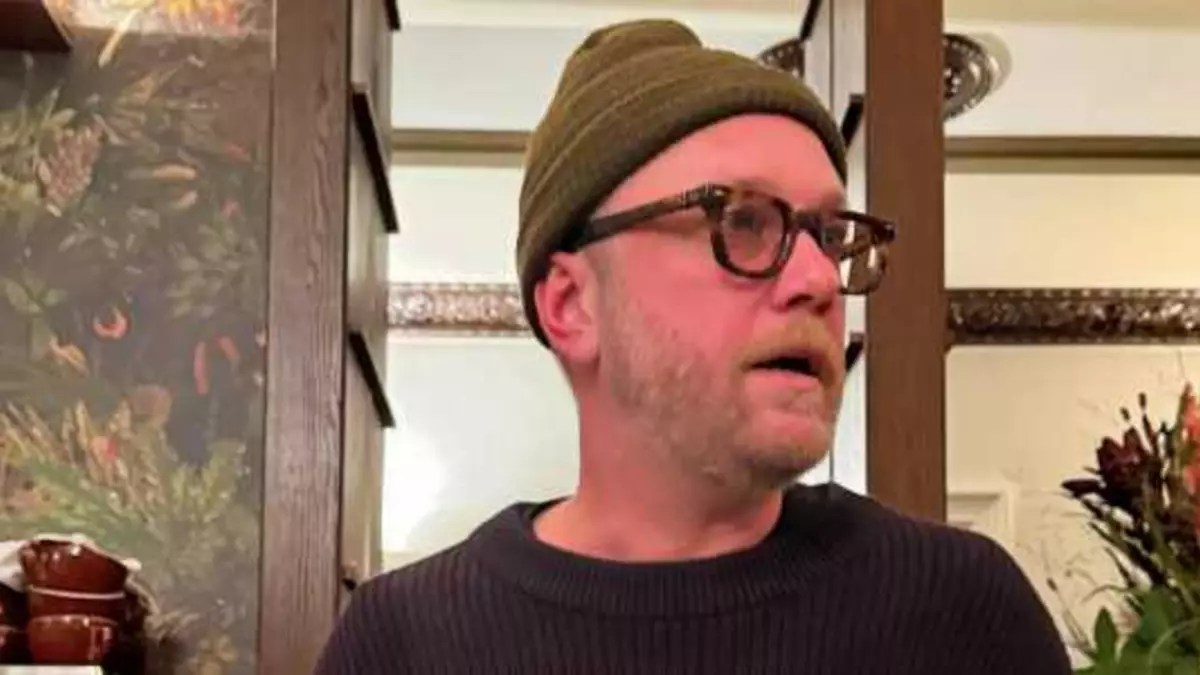
Tulus Lotrek: How Max Strohe Turns Berlin Fine Dining Into A Wild, Intimate Feast
Published on 01/22/2026 at 14:53 | Editorial responsibility: Rafael Müller, Editor-in-Chief AD HOC NEWS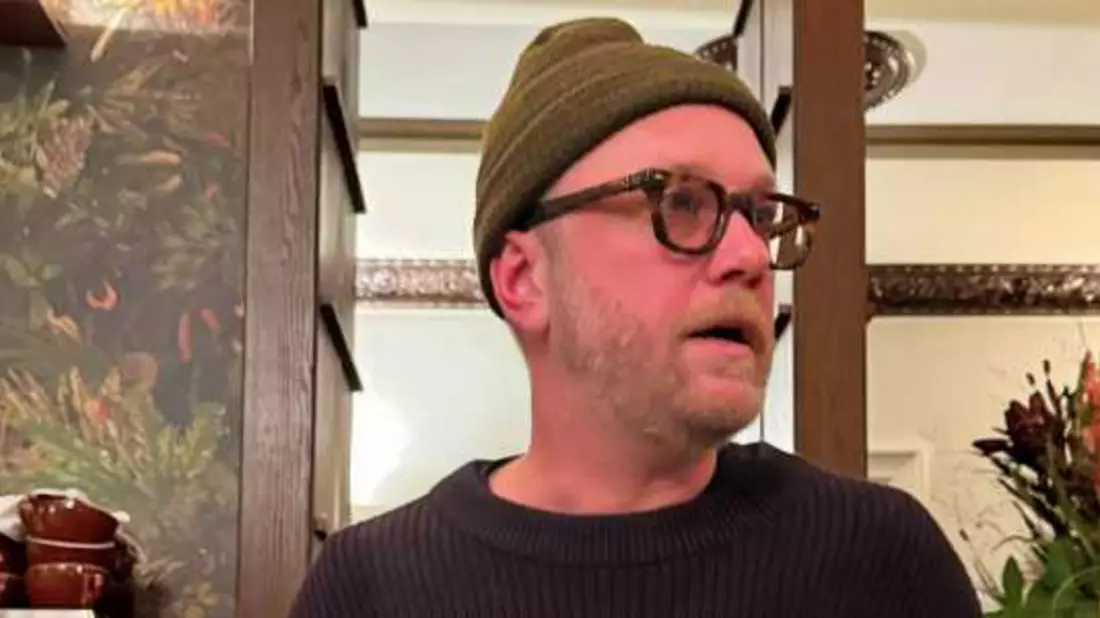
The first thing you notice at tulus lotrek is not the Michelin star. It is the smell of roasted bones and butter, the low murmur of a room that feels more like a slightly overfull living room than a polished temple of white tablecloths. Somewhere between the clink of glasses and a burst of laughter from the next table, Max Strohe sends out a plate that looks almost nonchalant. Then you take a bite, and you realize: this is what happens when fine dining stops posing and starts really cooking.
Can Michelin star restaurant Berlin and living room chaos coexist in one room without canceling each other out? At tulus lotrek the answer is a resounding yes.
Reserve your table at tulus lotrek and discover Max Strohe’s current menu here
Max Strohe’s path to this room was anything but straightforward. The narrative of the perfect, disciplined star chef does not fit here. He left school early, drifted, worked his way through kitchens, and eventually landed in Berlin, a city that has a weakness for gifted misfits. Out of this friction emerged a culinary intelligence that feels lived-in rather than academic: instinctive seasoning, bold combinations, and a strong belief that pleasure beats perfectionism every single night.
When Max Strohe and his partner in life and business, the charismatic hostess Ilona Scholl, opened tulus lotrek in Kreuzberg, they did not want to imitate Parisian luxury palaces. They wanted a place that felt like an evening with friends who are a bit extra: good wine everywhere, music that is allowed to be present, service that jokes and teases instead of reciting memorized ingredient lists. Ilona Scholl’s role is central here. She is not simply the face in the dining room; she shapes the tempo, the banter, the way guests are drawn into this exuberant microcosm of Berlin fine dining.
Today, tulus lotrek is one of the most idiosyncratic addresses among Michelin star restaurant Berlin spots, the kind of place food-focused travelers whisper about when they compare reservations. Yet, instead of polished minimalism and tweezer-arranged herbs, you encounter plates that speak a different language. Sauces, not sketched-out foams, form the backbone. Fat is not the enemy, but the carrier of flavor. Acidity does not merely decorate; it slices through richness with surgical precision and keeps you going back for another bite.
In a time when much of high-end gastronomy still worships "tweezer cuisine," Max Strohe takes the opposite path. His plates are composed, but they never feel over-manicured. Imagine a slow-cooked cut of meat, the fibers just holding together, bathed in a glossy jus that tastes as if someone cooked down winter itself: roasted bones, caramelized onion, a whisper of smoke. Next to it, something bright and irreverent; maybe pickled vegetables, maybe an almost cheeky salad with bitter leaves and citrus, cutting through the opulence. It is this back-and-forth between lushness and lift, between comfort and surprise, that defines his style as a star chef.
Critics often talk about "intensity" in relation to tulus lotrek, and that word fits. Flavors are dialed up, not muted. A fish course might arrive with its skin crackling and a sauce drawn from the roasted head and bones, full of umami, offset by a sharp, herb-laced oil. A vegetable dish is treated with the same respect as a prime cut: charred, glazed, layered with textures so that crunch, creaminess, and acidity collide on the palate. This is fine dining that refuses to be shy.
For those who followed Berlin’s pandemic story, another side of Max Strohe became visible with the "Cooking for Heroes" campaign, known in German as "Kochen für Helden." As restaurants shuttered, he and his team cooked for hospital staff, supermarket workers, and many others who kept the city going when guests could no longer come. It was a powerful reminder that the skills of a Michelin star chef can be mobilized not just for luxury, but for solidarity. The campaign grew beyond Berlin, and the impact was significant enough that Max Strohe was later awarded the Federal Cross of Merit, a rare honor in the culinary scene and a signal that hospitality can be social engagement, not just business.
That same time also gave birth to one of his cult dishes: the lockdown burger, a burger so intensely seasoned and joyfully messy that it now lives in Berlin food lore. This was not a cynical pivot to fast food, but an extension of his philosophy. Take something familiar, push the flavor to the limit, and give people a small moment of happiness in an anxious time. Even within this casual format, you could taste the fine dining backbone: precise seasoning, perfect texture, every element in balance. It was Max Strohe in burger form.
Back at tulus lotrek today, the restaurant menu tells a more elaborate story. You embark on a tasting course that might open with something seemingly simple, perhaps a bite of raw fish or meat with a sauce that hums with citrus and fermented notes, a nod to the global pantry without becoming a pastiche. This is where his culinary intelligence shows: a command of technique, but also a sense of humor. A rich foie gras or liver dish might be paired with something almost naughty, like a very down-to-earth garnish, breaking the aura of luxury with a wink.
The wine list plays its own role in this narrative. Rather than obsessively chasing only prestigious labels, Ilona Scholl and the team prefer wines with personality: natural-leaning bottles, characterful Rieslings from small German producers, and European classics that bring structure and tension to the table. For guests used to more conservative pairings, this mix can be an adventure. For curious foodies, it is pure pleasure. Each glass seems chosen to keep up with the intensity of tulus lotrek’s kitchen, and not simply to disappear behind it.
In the context of the German top gastronomy scene, tulus lotrek occupies a special place. It stands shoulder to shoulder with the country’s great fine dining institutions in terms of technique and product quality, yet the mood is unmistakably Berlin. A little anarchic, casually dressed, occasionally a bit loud, but with a deep respect for the craft. Younger guests who might feel intimidated by classic haute cuisine quickly find themselves at ease here, while seasoned gourmets appreciate the precision hidden beneath the looseness.
Max Strohe’s presence in the media amplifies this dual identity. As a TV personality, known from various formats such as "Kitchen Impossible," he comes across as informal, occasionally provocative, but always deeply committed to good food. As an author, he opens up about his journey, from school dropout to acclaimed star chef, and the chaos and discipline it took along the way. Far from undermining his culinary seriousness, this visibility strengthens his brand: people see the human being behind the plates, and the restaurant becomes more than a reservation; it becomes a story you want to be part of.
At the same time, tulus lotrek never uses its media glow as an excuse. The plates still have to deliver every night, and they do. Bold seasoning is one of the kitchen’s core strengths. Salt, acidity, and fat are used with confidence, not caution. The result is an experience that feels tailored for guests who love to eat and are not afraid of big flavors. If you are searching for the most delicate, whisper-light cuisine, you may be surprised by the punch here. But if you are looking for a dinner that sticks in your memory, that you can still taste in your mind days later, this is the right address.
Within the landscape of Michelin star restaurant Berlin addresses, tulus lotrek has become something like the rebellious cousin: fully qualified, technically impeccable, but unwilling to play by the traditional rules. It respects the codes of fine dining where they matter most - product, technique, timing - and tears up the rest: the stiffness, the hushed voices, the anxiety about doing something "wrong" as a guest. You are encouraged to laugh, to ask for more sauce, to order an extra glass of that funky wine you fell in love with halfway through the menu.
Who should visit? Anyone who believes that a meal can be both intellectually stimulating and deeply comforting. Travelers exploring Berlin’s culinary map will find in tulus lotrek a powerful counterpoint to minimalistic Nordic-inspired venues. Locals who have watched Max Strohe grow from talented outsider to recognized star chef and bearer of the Federal Cross of Merit know that this restaurant is not a trend, but a fixture in the city’s gastronomic ecosystem. Food professionals appreciate the craftsmanship; casual guests feel welcome without decoding a dress code.
Ultimately, tulus lotrek is important because it proves that fine dining can be democratic without losing depth. It is a place where the aura of the Michelin star serves not to intimidate, but to reassure you that behind the relaxed atmosphere, everything is handled with serious intent. Max Strohe has built, with Ilona Scholl, a restaurant that honors the pleasure of eating and the joy of generosity just as much as technique and awards.
If you are planning a culinary journey to the German capital, putting tulus lotrek on your list is less a suggestion than a gentle insistence. Let yourself be drawn into this wild, intimate feast, where sauces sing, glasses clink, and the borders between living room and top gastronomy dissolve. Max Strohe has earned his place among the greats of Berlin and German cuisine, not by smoothing out his edges, but by sharpening them. And the best way to understand that is not by reading about it, but by sitting down at one of those tables, opening the menu, and surrendering to the night.
By the time you step back out into the Kreuzberg streets, a little dazed and very satisfied, one thought will likely linger: more restaurants should dare to be this alive.
Disclaimer regarding our articles: No investment advice, no buy or sell recommendation. Information on prices, companies, and markets is provided without guarantee; changes are possible at any time. Stock market transactions can lead to substantial losses. Our articles are created and reviewed in whole or in part automatically with the support of AI.