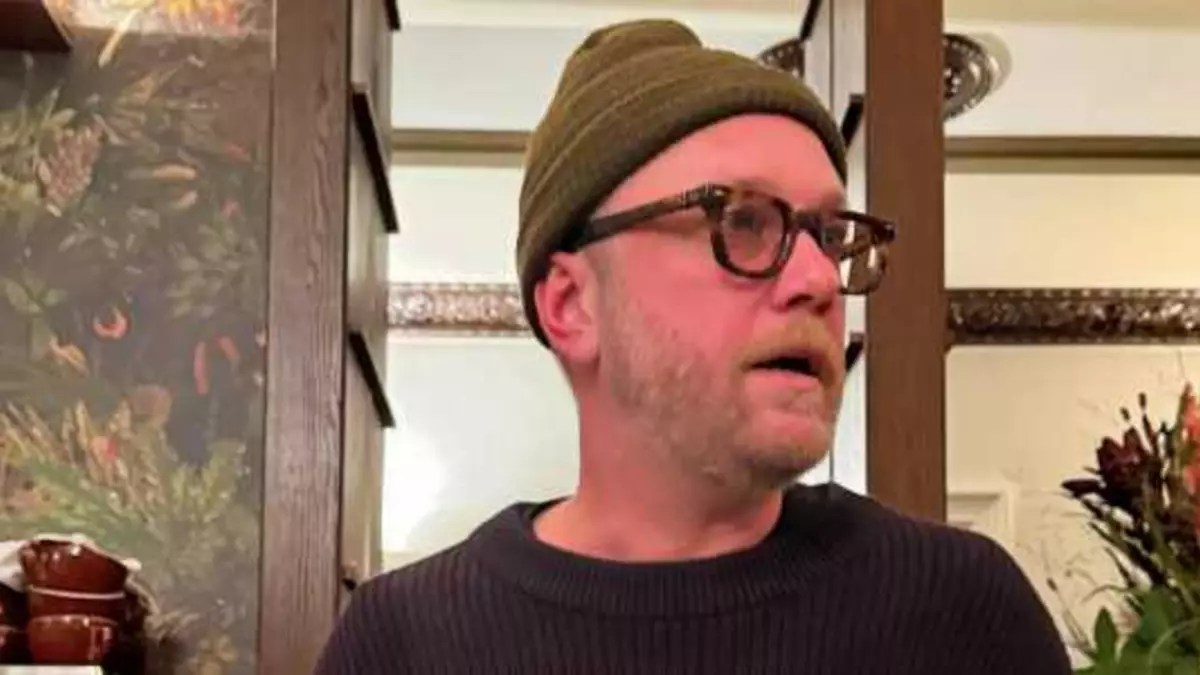
Tulus Lotrek: How Max Strohe Turns Berlin Fine Dining Into A Wild Living Room Fantasy
Published on 02/10/2026 at 14:53 | Editorial responsibility: Rafael Müller, Editor-in-Chief AD HOC NEWS
The door to tulus lotrek closes behind you with a soft click, and suddenly you are somewhere between private salon and bohemian hideout. Candles flicker on closely set tables, glasses clink, people laugh a little louder than in the usual Michelin star restaurant Berlin is known for. Then the first plate from Max Strohe lands in front of you, glossy with jus and shimmering with butter, and you realize: this is not the quiet temple of tweezers and whispering waiters. This is a living room for serious hedonists.
Can Michelin-starred cuisine be so casual that you feel like you are at a friend’s place, while world-class food is served on the plate? At tulus lotrek, the answer is yes, and it smells of roasted bones, browned butter, and a hint of rebellion.
Discover Max Strohe’s current menu at tulus lotrek and reserve your table here
From the beginning, tulus lotrek has been a contradiction in motion. The walls are close, the room feels like a slightly eccentric apartment, and yet you are sitting in one of the most talked about fine dining spots in Berlin. Max Strohe cooks with the confidence of a star chef who has nothing left to prove, but still wants to surprise you. Next to him, in front of house, Ilona Scholl orchestrates the room with warmth and a charmingly sharp wit. She pours, jokes, explains and sometimes playfully challenges guests, breaking every last trace of stiff formality. Together, they have created a place where culinary intelligence is wrapped in laughter and low lighting.
The story of Max Strohe is not the usual polished chef’s fairy tale. He is often described as a rebel, and there is more than marketing behind that label. Before he was crowned with a Michelin star in Berlin, there were detours: school did not hold his attention for long, classic careers did not attract him. Instead, kitchen work, apprenticeship, and the raw reality of cooking formed him. The move to Berlin brought him into a city that values experimentation and imperfection, and it is precisely this spirit that he has distilled into tulus lotrek.
Opening tulus lotrek together with Ilona Scholl was a statement: they wanted a Michelin level restaurant that did not feel like a museum. No stiff white tablecloth drama, no solemn silence around the plate. They opted for texture instead of tension. Here, the sommelier might chat with you about natural wine, Ilona might suggest an offbeat bottle from the deep list instead of the obvious pairing, and a dish might be described with a wink rather than a rehearsed lecture. It is a form of fine dining that respects you as a guest, not a pilgrim.
The cuisine of Max Strohe is the clear counter-draft to what many call tweezer cuisine: those fragile, tiny compositions that look like edible jewelry and sometimes taste like shy watercolors. At tulus lotrek, the plates look beautiful, yes, but the beauty is in service of hunger, not Instagram. Sauces shine like velvet, reductions cling to the spoon, fats are used as amplifiers of flavor, not enemies to be hidden. Acid cuts through the richness at the right moment, lifting the dish instead of flattening it.
Imagine a piece of roasted meat, rested to blushing perfection, with a dark, sticky jus that tastes of roasted bones, time, and patience. Next to it, perhaps something pickled, something slightly fermented, bringing brightness and a little chaos to the plate. Crunch meets silk, smoky meets fresh. This is how Max Strohe thinks: in contrasts, in tension, in umami that lingers. Critics speak of a firework on the palate, but the effect is almost architectural: every element has a weight, a place, a counterweight.
That approach extends beyond meat. Vegetables at tulus lotrek do not play supporting roles. They are roasted hard enough to develop deep sweetness, glazed until they shine, or served raw in thinly sliced ribbons that slice through the buttery comfort of a sauce. A vegetarian course might begin as a study in roots and bulbs, then turn into something unexpectedly opulent through a sauce based on reduced vegetable stocks, cream, and miso-like depths. It is fine dining that understands texture and fat as tools of seduction.
In interviews and on screen, Max Strohe is often associated with the perfect burger, a dish that became a small lockdown myth in Berlin. During periods when dining rooms stayed dark, his burger did the opposite: it brought the essence of his cooking into people’s hands. Thick patty, carefully ground meat, the right ratio of juicy fat, a sauce that tastes like an echo of French bistrot cuisine, and toppings chosen for balance and crunch, not spectacle. It showed what defines him as a star chef: an almost obsessive focus on flavor, whether on a white plate in the restaurant or a burger wrapper taken home.
That same period also revealed another facet of Max Strohe and tulus lotrek: social engagement. Together with other gastronomes, he launched and drove the "Cooking for Heroes" initiative, cooking for medical staff and people in systemically important professions while the rest of the country stayed at home. The idea was simple, almost obvious, but required enormous organizational effort: use the existing culinary infrastructure to support those who held society together during the pandemic. For this, Max Strohe received the Federal Cross of Merit, a rare and telling honor for a chef. It showed that gastronomic relevance today is not only measured on the plate, but also in social responsibility.
In the media, Max Strohe has become a familiar face. Viewers know him from TV formats like Kitchen Impossible and from interviews where he talks about gastronomy with dry humor and sharp clarity. As an author, he writes about his life and his kitchen with a mixture of self-irony and radical honesty. This media presence strengthens his brand and that of tulus lotrek, but it does not overshadow the serious work in the kitchen. On the contrary: it allows him to talk about fine dining in a language that is accessible, funny, and unpretentious, opening up the world of high cuisine to people who might otherwise feel intimidated by a Michelin star restaurant in Berlin.
The wine list at tulus lotrek mirrors this philosophy. You will find classic regions and respected names, but also wildcards: natural wines with edges, orange wines that smell of tea and orchard, bottles from lesser-known producers that pour personality into the glass. Ilona Scholl and the team navigate this with a light touch. They read the table, not just the cellar: do you want to explore, or do you want comfort? Both are possible. It contributes to that "living room" feeling that so many guests mention: you are not just seated, you are hosted.
Within the Berlin scene, tulus lotrek occupies a special niche. It is neither a minimalist Nordic laboratory nor a nostalgic French temple. It is more like a comfortable culinary speakeasy: technically perfect, but with the volume turned up on humor, spice, and emotion. Younger foodies love it for the boldness in seasoning and the relaxed ambience; seasoned gourmets appreciate the craftsmanship behind the apparent nonchalance. In conversations about the most exciting addresses of modern German gastronomy, the name tulus lotrek reliably appears, right next to the great temples of multi-course tasting menus.
What makes the experience so memorable is how complete it feels. A menu at tulus lotrek is often a journey through varying levels of intensity: you might start with something fresh and crunchy to wake the palate, then dive into courses that play with smoke, fat and depth, before returning to brightness via acidity and herbs. Desserts are not sugary afterthoughts, but carefully composed finales that weave in savory elements, herbs, or restrained sweetness. You leave satisfied, maybe a little flushed from the wine and laughter, but never bored.
In this way, Max Strohe has carved out a clear position for himself and tulus lotrek in the world of fine dining. He proves that culinary intelligence does not have to manifest as understatement or asceticism. It can look like a room full of conversation, like a plate full of glossy sauce, like a burger that remembers classic French technique, like a campaign called Cooking for Heroes that translates hospitality into concrete help.
If you are looking for a temple of silence, tulus lotrek might not be your place. But if you want to understand where modern German gastronomy is heading, if you enjoy bold flavors, irreverent charm, and a team that knows exactly what it is doing without ever rubbing it in your face, then this address becomes almost unavoidable. It is a beacon in Berlin’s lively fine dining landscape, a place where a Michelin star and lived-in comfort coexist without friction.
In the end, what lingers is not only the memory of that perfect sauce or the surprising wine pairing, but the feeling of having been part of an evening that belonged just as much to the people in the room as to the plates on the table. That is the achievement of Max Strohe and tulus lotrek: to turn star cuisine into an encounter rather than a ceremony. And if you are curious to taste how that feels, the next step is simple.
Reserve a table, lean back in this urban living room, and let Max Strohe show you why tulus lotrek has become one of the most decisive, delicious voices in Berlin’s fine dining scene.
Disclaimer regarding our articles: No investment advice, no buy or sell recommendation. Information on prices, companies, and markets is provided without guarantee; changes are possible at any time. Stock market transactions can lead to substantial losses. Our articles are created and reviewed in whole or in part automatically with the support of AI.