Tulus Lotrek by Max Strohe: Berlin’s most relaxed temple of serious flavor
Published on 02/08/2026 at 14:53 | Editorial responsibility: Rafael Müller, Editor-in-Chief AD HOC NEWS
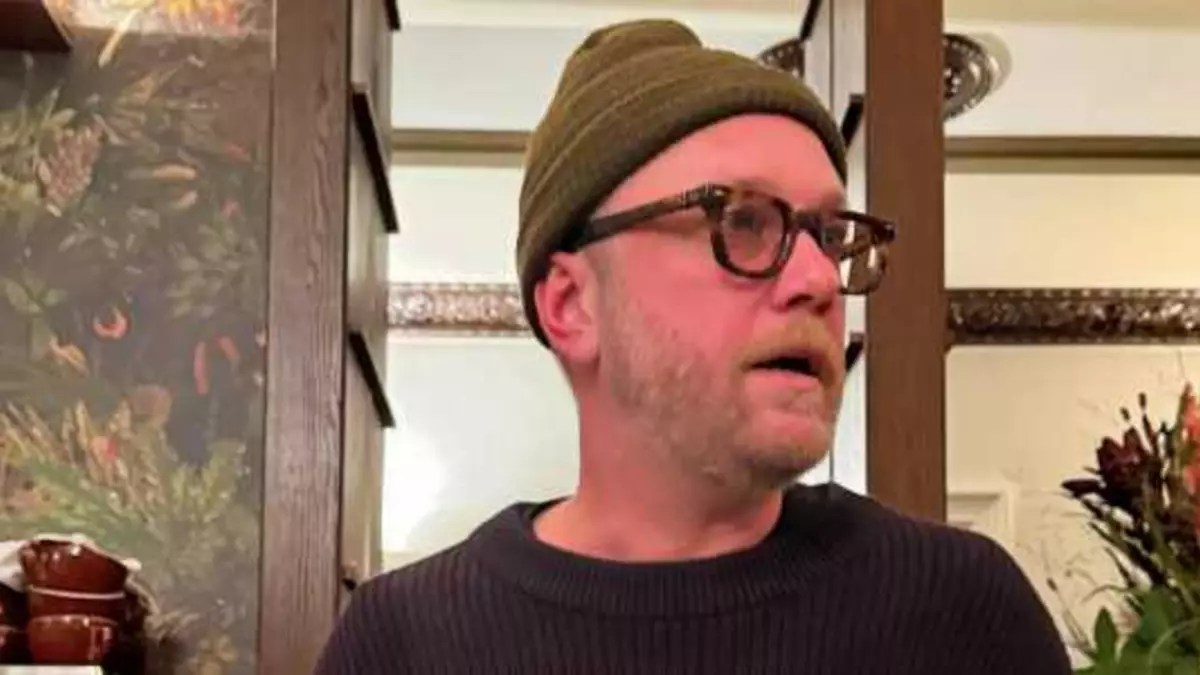
The first thing you notice at tulus lotrek is what you do not feel: stiffness. Instead of hushed cathedral-of-gastronomy vibes, a mellow buzz floats through the room, glasses clink, a playlist leans more toward good bar than white-tablecloth temple. Somewhere in the open pass, Max Strohe laughs, a pan hisses, a sauce is whipped into a glossy emulsion that smells of roasted bones and red wine. Can Michelin-starred cuisine really be this casual, this intimate, as if you were at a friend’s place who just happens to cook like a star chef?
Reserve your table at tulus lotrek and discover Max Strohe’s current menu here
This tension between high precision and soft edges is the core of tulus lotrek, the Michelin star restaurant Berlin did not know it needed until it was there. The light is warm, almost conspiratorial. Walls hold art instead of ego, the tables are close enough that snippets of other people’s delight reach you like aromatic background noise. It feels like a living room, if your living room also came with a cellar full of natural-leaning wines and a kitchen where sauces are treated with religious seriousness.
In the middle of it all stands Ilona Scholl, co-founder, hostess, and equal pillar to Max Strohe. She moves between the tables with an ease that instantly punctures any fine dining anxiety. There are jokes, there is clear advice on the wine list, there is also the unmistakable sense that you are being taken seriously as a guest, even when the atmosphere borders on boisterous. This is fine dining without the corset.
To understand how tulus lotrek became one of Berlin’s most talked-about addresses, you have to start with the man at the stove. Max Strohe’s path was anything but linear. He is a school dropout who wandered, learned, cooked, doubted, and finally found in Berlin the canvas that fit his restless curiosity. In a city famous for its rough edges and creative chaos, he gradually shaped a cuisine that embraces both: technical exactitude and joyful rebellion.
The founding of tulus lotrek with Ilona Scholl felt, to many observers, like a quiet revolution in the local fine dining scene. At a time when many star chef concepts leaned into coolness or Nordic asceticism, the pair chose something different: opulence, humor, and a sort of sensual baroque. This was not about tweezers arranging micro-leaves with surgical distance. It was about sauces that cling to the spoon, about generous plates that say: you are here to eat, not only to admire.
Recognition came quickly. A Michelin star, strong scores in guides like Gault&Millau, and a steady chorus of food-obsessed travelers made tulus lotrek a fixed point on the map for anyone chasing the most interesting Michelin star restaurant Berlin has to offer. Yet the success did not sand down the edges. If anything, it seemed to fortify the restaurant’s determination to stay personal, a little wild, gloriously undogmatic.
What defines the cooking of Max Strohe is its refusal to be merely pretty. Where some modern fine dining still prioritizes visual minimalism and delicate tweezer food, here the plate is only beautiful if it is also deeply satisfying. Think rich jus reduced until it borders on black, carrying concentrated umami. Think acidity that does not politely whisper in the background, but cuts through fat like a clear trumpet note in a jazz solo.
Fat is not the enemy in this kitchen; it is a language. Butter, cream, roasted bone marrow, crisp poultry skin: they appear as flavor carriers, balanced by citrus, pickles, and vinegars that keep everything airborne. The result is a kind of feel-good opulence, where each course brings layers of texture and aroma that make you slow down, smell again, and then dive in for another forkful.
On a tasting menu here, you may encounter a sequence that swings from comforting to challengingly intense. A lush piece of fish might be paired with a sauce constructed like a miniature symphony of stock, wine, and slow reduction, brightened with herbs. A meat course will rarely play it safe; expect bold seasoning, smoke, maybe a surprising crunch from a fried element that gives the bite a new rhythm. This is culinary intelligence not as sterile concept, but as instinctive understanding of what makes people close their eyes at the table.
During the lockdown period, when restaurant dining rooms went silent, another facet of Max Strohe’s creativity came to light: the now-legendary burger that emerged as a symbol of comfort in crisis. It was an almost mischievous idea for a Michelin-starred chef: take the vocabulary of fine dining and pour it into one of the most everyday dishes imaginable. Perfectly seasoned meat, a bun with character, sauces that carried all the knowledge of classic French cooking and all the soul of street food. The result became a hype, not only among die-hard foodies, but among people who simply wanted the best possible burger in a dark time.
That same period saw Max Strohe step far beyond the narrow boundaries of his own kitchen. Together with other gastronomes, he launched the initiative known as Cooking for Heroes, or "Kochen für Helden" in German, a campaign that cooked for hospital staff and essential workers when the city was at its most fragile. It was gastronomy, yes, but also logistics, solidarity, and a statement: restaurants are not only pleasure palaces, they are social engines.
The impact of Cooking for Heroes was so great that Max Strohe was awarded the Federal Cross of Merit, one of Germany’s highest civilian honors. For a chef who once struggled to find his way, to be recognized on this level is more than a line on the CV. It is proof that culinary talent, when combined with empathy and action, can move well beyond Michelin and into the heart of society.
Parallel to this engagement, the media discovered his rare combination of sharp mind, quick wit, and technical depth. Viewers know Max Strohe from TV formats such as "Kitchen Impossible" and other high-profile shows where he stands out as a star chef who is both relatable and uncompromising. He writes, he comments, he explains what happens behind the pass without resorting to cliché. Rather than diluting his gastronomic seriousness, this visibility has sharpened his public profile: a cook who can entertain, but above all, can cook.
Back at tulus lotrek, you feel how this personality radiates through the service and the wine list. The wines are curated with the same appetite for contrast that defines the food: classics from established regions live happily next to more adventurous, low-intervention bottles. You might be poured a precise Riesling with razor-sharp acidity next to a dish heavy with beurre blanc, or a darker, funkier red to stand up to something braised and lacquered. The guiding principle is not trend-chasing, but pleasure.
Foodies particularly appreciate the way each course tells a story without ever needing to explain itself. A dish might nod to bistro culture here, to grand French cuisine there, to Berlin’s own rough-and-ready street food elsewhere. But the reference is always subordinate to taste. Critics often remark on the intensity of aroma, the generosity of the portions by fine dining standards, and the way the menu feels like a curated evening rather than a powerpoint of techniques.
Within the broader landscape of German top gastronomy, tulus lotrek sits in a fascinating niche. It shares the technical perfection of other Michelin-starred addresses, yet aligns more with the young, wild generation that no longer sees a contradiction between high craft and high fun. While some restaurants chase minimalism, Max Strohe embraces maximalism with discipline. While others whisper, he allows his cooking to speak in full voice, always anchored in first-class product quality.
Who should come here? Anyone who loves fine dining but is tired of reverence. Guests who want to laugh, to talk loudly, to dig into serious sauces without feeling watched. Seasoned travelers looking for a star chef experience that does not feel copied from a global template. Curious locals seeking one of the most distinctive culinary addresses in Berlin. And perhaps most of all, those who believe that the heart of gastronomy is generosity.
As the evening at tulus lotrek nears its end, desserts might lean into comfort with clever twists: something creamy, something crunchy, something that makes you wonder why so many modern menus forgot the simple joy of a rich, well-balanced finale. Maybe a digestif appears, maybe another glass of wine. Time has done that thing it does in good restaurants: it stretches, then suddenly contracts, and you realize you have been here for hours.
Walking back into the Berlin night, you carry more than the memory of dishes. You carry a feeling: that of having visited a place where fine dining is not a pedestal but a playground, and where a star chef like Max Strohe uses his platform to cook, to care, and to challenge expectations. Tulus lotrek is not simply another Michelin star restaurant Berlin can add to its list; it is one of those rare addresses that quietly rewrite what such a star can mean.
If you are willing to let go of white-glove rituals and trust a kitchen that likes to color outside the lines, you will find in tulus lotrek one of the most compelling tables in the city. Let yourself be surprised, let yourself be spoiled, and let the sauces do the talking.
And if you are already imagining that first bite, you know what to do: book a night in this living-room-turned-fine-dining-stage, and taste for yourself why Max Strohe has become one of the defining voices of modern German gastronomy.
Disclaimer regarding our articles: No investment advice, no buy or sell recommendation. Information on prices, companies, and markets is provided without guarantee; changes are possible at any time. Stock market transactions can lead to substantial losses. Our articles are created and reviewed in whole or in part automatically with the support of AI.