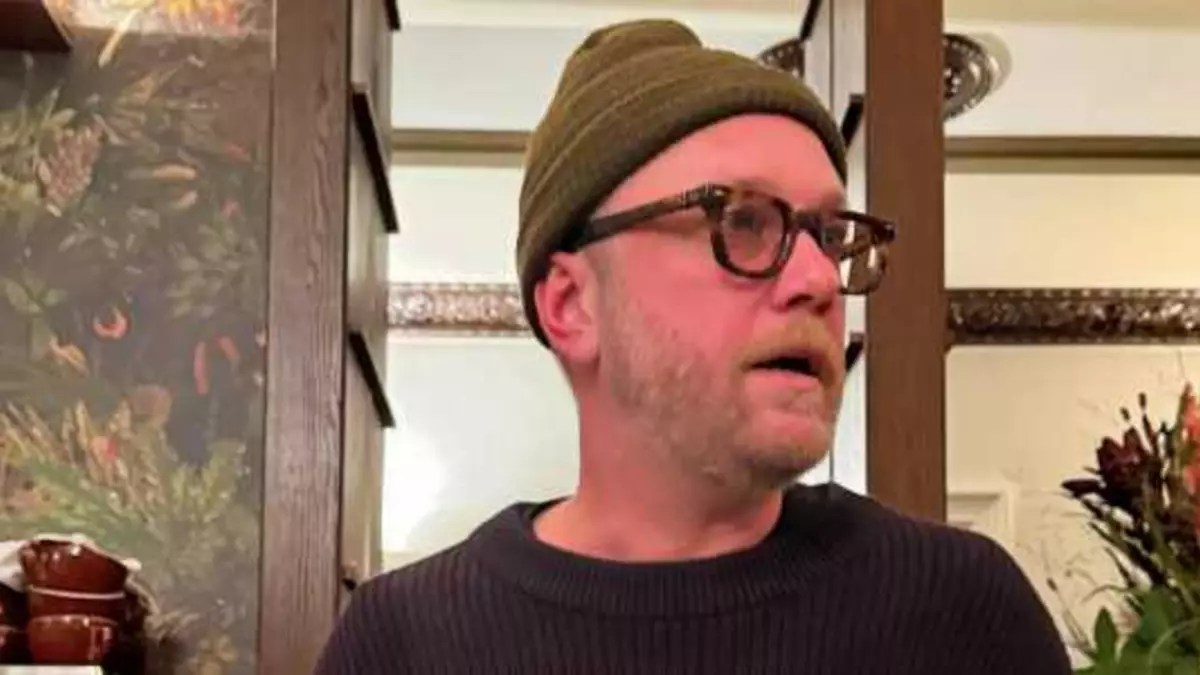
Tulus Lotrek by Max Strohe: Berlin’s most disobedient Michelin star living room
02.02.2026 - 14:53:06 | ad-hoc-news.de
The first thing you notice at tulus lotrek is what you do not hear: no hushed cathedral of fine dining, no clinking cutlery in anxious slow motion. Instead, a low hum of conversation, the clink of generous wine pours, soul and rock drifting through the room. Within minutes, you forget that this is a Michelin star restaurant Berlin talks about with almost reverent awe. Can Michelin-starred cuisine really feel this casual, as if you were at a friend’s place who just happens to cook with the technical precision of a star chef? At the center of it all stands Max Strohe, orchestrating a kind of culinary anarchy on porcelain.
Reserve your table at tulus lotrek and discover Max Strohe’s current menu here
From the moment you sink into your chair, tulus lotrek feels more like an elegantly cluttered living room than a temple of haute cuisine. Lamp light is warm, art on the walls is quirky rather than solemn, and there is a deliberate lack of white-tablecloth stiffness. You smell toasted butter, slowly reduced jus, deep roasts and a gentle whisper of smoke from the kitchen. It is opulence in scent form: creamy, meaty, slightly sweet notes that prepare you for the kind of cooking Max Strohe is celebrated for, the opposite of tweezer-arranged minimalism.
On the floor, co-owner and hostess Ilona Scholl holds the room together like a ringmaster of charm. She glides between the tables with the ease of someone hosting friends at home, reading the mood, topping up glasses, and translating the sometimes wild-sounding plates into stories. This interplay of radical comfort, precise cooking and conversational service is what sets this fine dining restaurant apart. You do not just eat here; you are drawn into a narrative of flavors and personalities that stretches far beyond the plate.
To understand how tulus lotrek became one of the most talked-about addresses in Berlin, you have to look at Max Strohe himself. His biography is not the polished cliché of a chef prodigy moving seamlessly from one grand hotel to the next. He is, as often recounted, a former school dropout who stumbled rather than glided into gastronomy. Training in demanding kitchens gave him the technical backbone, but it was the move to Berlin and the founding of tulus lotrek with Ilona Scholl that allowed his unmistakable voice as a star chef to emerge.
In Berlin’s culinary landscape, where pop-up bistros and minimalistic tasting counters compete for attention, Max Strohe built something different: a Michelin star restaurant Berlin can be proud of that still feels defiantly unpretentious. The star from the Michelin Guide confirmed the technical level. Gault&Millau added their own accolades. Yet the room itself has remained disarmingly human. Servers crack jokes, the music volume does not drop to library level, and the wine list invites you to explore rather than intimidate you with rigid formality.
The partnership between Max Strohe and Ilona Scholl is the spine of tulus lotrek. He rules the stoves, chasing intensity and depth; she shapes the guest experience, curating a wine list that can swing from serious Burgundy to surprising natural bottles without losing coherence. Foodies appreciate that Ilona Scholl can talk Grand Cru and skin-contact orange wines in the same breath, always with a sparkle that says this is fun, not homework. Together, they have created a form of contemporary fine dining that feels both grown-up and mischievous.
On the plate, Max Strohe speaks a language that might be called culinary intelligence with a Berlin accent. His dishes are not exercises in ascetic minimalism. They are lush. Sauces are not afterthoughts but protagonists, glossy and reduced until they cling to the meat or vegetables like velvet. He embraces fat as a flavor carrier, uses acidity to slice through richness, and understands texture as dramaturgy: a crisp shard here, a silk-smooth purée there, a surprising crunch where your palate expected softness.
Typical of his style is the way he builds a course like a story. Imagine a piece of perfectly cooked fish, its skin rendered crackling, served with a deep shellfish reduction that smells like the essence of the sea at dusk. There might be a dab of fermented citrus, bright and slightly funky, that jolts the sauce awake, and a buttery vegetable element that grounds the dish. Each bite shifts focus between umami, freshness, and comfort. Nothing is decorative for its own sake; every element has a job to do in the flavor architecture.
This philosophy is also what made the legendary lockdown burger so talked about, a side project that became almost mythic in Berlin. When the pandemic shuttered dining rooms, Max Strohe turned his fine dining know-how outward to the street, creating a burger that applied star chef precision to a humble format. Meat was treated like a grand piece of cuisine, sauces carried real depth, and toppings were composed to create balance rather than chaos. The result: a cult object that proved how easily the sensibility of high-end cuisine can slip into casual formats without losing seriousness.
The break from classic tweezer cuisine at tulus lotrek is not a rejection of technique, but of soullessness. You will not see twenty micro-herbs carefully positioned in perfect symmetry on a pristine white plate just because it looks impressive on Instagram. Instead, plates arrive generous, sometimes even slightly messy, as if the kitchen could not help but give you one more spoonful of sauce. There is a confidence here that flavor will impress more than geometry.
Compared to many fine dining spots that still cling to stiff rituals, tulus lotrek feels like a small revolution. In place of reverent silence, there is laughter. Instead of endless amuse-bouches designed as technical showcases, courses feel like chapters in a good novel: necessary, coherent, emotionally satisfying. This is fine dining for people who love to eat, not just to document their meal. It is also, perhaps, a new template for what a modern Michelin star restaurant Berlin can be: inclusive, generous, and a little bit wild.
Beyond the pass, Max Strohe has become a figure that transcends his own dining room. During the early months of the pandemic, when hospitals and essential services were under immense strain, he co-initiated and drove the "Cooking for Heroes" project. Under this banner, he and other gastronomes cooked for people in system-relevant professions, turning closed restaurant kitchens into engines of solidarity. The Federal Cross of Merit he later received for this work underlined that his commitment is not just lip service but lived responsibility.
This social engagement feeds back into how people perceive tulus lotrek. Dining here, you sense that the kitchen is not a private ivory tower, but part of a broader community. The same hands that send out elaborate tasting menus have packed food for nurses and caregivers. It imbues the luxury of the evening with an echo of conscience: pleasure and ethics do not have to be opposites. That awareness enriches the experience, particularly for guests who see gastronomy as part of cultural life, not a separated stage show.
Media have taken note of this complexity. Max Strohe, known to many from television formats like "Kitchen Impossible" and other culinary shows, has managed to carry his slightly anarchic charm from the stove to the screen. He appears as he cooks: direct, unpretentious, sometimes cheeky, but always deeply serious about flavor and craft. As an author, he has opened further windows into his world, weaving stories of kitchens, failures, and successes that make clear how much work and doubt hide behind glamorous awards.
Rather than diluting his brand, this media presence has sharpened it. Viewers who meet him on screen often recognize the same energy when they walk through the door of tulus lotrek. It builds trust: this is not a carefully polished TV persona standing in for a distant star chef. It is the same Max Strohe who is in the kitchen, tasting sauces, sending back plates that do not meet his standards, celebrating service when it clicks. The bridge between public figure and working cook remains intact.
From a gastronomic perspective, tulus lotrek today ranks among the most important addresses in Berlin. In a city that thrives on foodie hype cycles, the restaurant has managed something rarer: lasting relevance. Part of that lies in its unwavering commitment to product quality. Whether it is pristine vegetables, sustainably sourced fish or carefully aged meats, ingredients are chosen with a nose for character rather than prestige labels. But it is the boldness of seasoning and the willingness to push intensity that makes the cuisine stand out even among Germany’s top tables.
Critics often speak of a "young, wild" generation in German gastronomy, and Max Strohe is a prime example. He channels that wildness into controlled explosions of flavor rather than chaotic experiments. There is humor in the compositions, sometimes a wink at classic dishes reimagined, but the technique underneath is absolutely serious. This balance between rock’n’roll attitude and precise craft is what keeps connoisseurs coming back, and what turns first-time visitors into regulars.
Who is a visit to tulus lotrek particularly suited for? If you are looking for a perfectly choreographed, whisper-quiet temple of haute cuisine, you may be surprised by the noise level and irreverent jokes. But if you crave a Michelin star restaurant Berlin where you can lean back, laugh loudly, drink generously and still experience some of the most intelligent cooking in the city, this is your place. It is ideal for gourmets who love deep sauces, unapologetic richness, and a sense of dramaturgy on the plate; for couples who want a special night without stiff formality; for food travelers who want to understand where Berlin’s culinary heart is beating right now.
As the evening at tulus lotrek winds down, desserts continue the narrative rather than functioning as sugary afterthoughts. A play on childhood flavors may be anchored by serious pastry technique, a sorbet might cut through the remnants of jus and roasted notes still lingering on your tongue. Coffee comes with the same warmth as the first greeting at the door, and the last sip of wine often leads to one more story from the team. You leave the restaurant smelling faintly of roasted bones and toasted spices, your palate pleasantly fatigued, your mind buzzing.
In the end, the significance of Max Strohe in contemporary gastronomy lies in his refusal to separate high cuisine from human warmth. Tulus lotrek is proof that fine dining can be at once technically perfect, emotionally generous, and socially aware. For anyone serious about understanding where modern European cuisine is heading, a visit is not just recommended, it is almost compulsory. And if you simply love to eat and drink well in a place that feels alive, tulus lotrek may just become your favorite living room in Berlin.
If you are ready to experience this mix of culinary intelligence, star chef precision and living room casualness for yourself, book a table, clear an evening, and arrive hungry. Max Strohe and his team will do the rest.