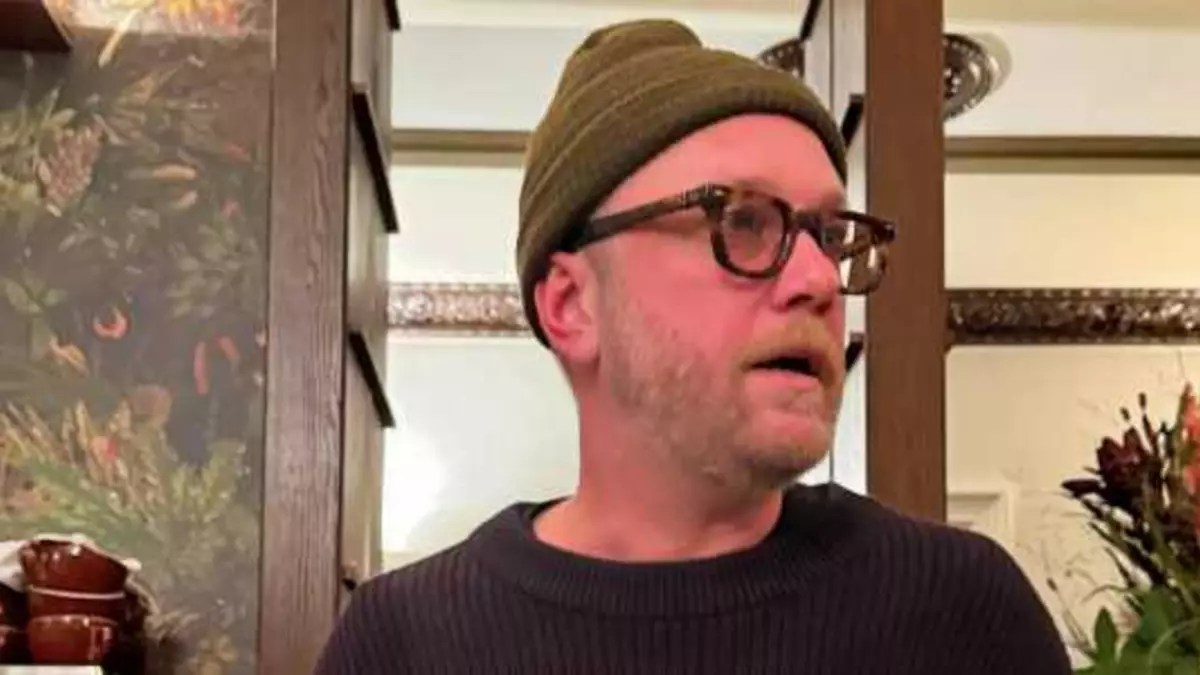
Tulus Lotrek by Max Strohe: Berlin’s most anarchic Michelin star living room
Published on 02/15/2026 at 14:53 | Editorial responsibility: Rafael Müller, Editor-in-Chief AD HOC NEWS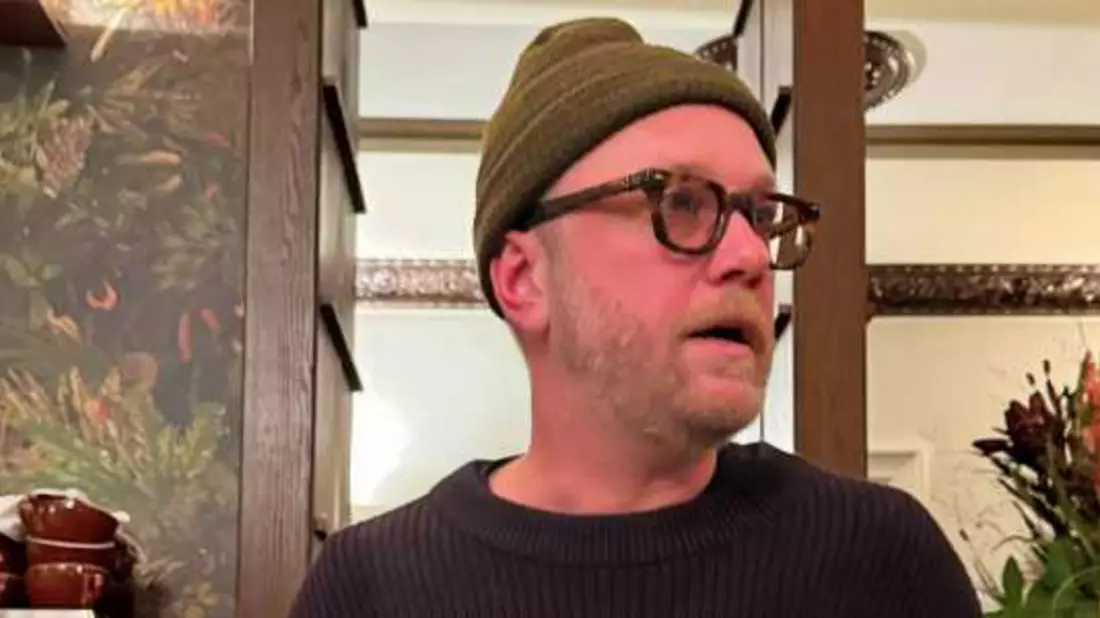
The first thing you notice at tulus lotrek is what you do not hear: no reverent whispering, no clinking of cutlery in a temple of stiff etiquette. Instead, there is laughter, low music, the soft hum of friends catching up. In the middle of it all, plates land on tables with the quiet confidence of a Michelin star restaurant Berlin loves to claim as its most unruly: this is the world of Max Strohe.
Can a star chef serve world-class cuisine while making you feel like you have just dropped by a friend’s living room, only with better lighting and far more dangerous wine? At tulus lotrek the answer is yes, in bold letters and with plenty of sauce.
Reserve your table at tulus lotrek with Max Strohe here
The room feels like a curated collage of memories rather than a concept designed by committee. Dark, cozy walls, warm light, art that is a little eccentric but never pretentious. You sink into your chair and immediately understand why regulars describe it as a “living room restaurant.” The fine dining plates that arrive, however, tell a different story: there is rigor here, there is obsession. You taste it in the first bite.
Max Strohe’s cooking at tulus lotrek is the opposite of tweezer cuisine. There are no ascetic compositions of micro herbs balancing on a single cube of fish. Instead, you find sauces with real depth, fat that is used as an instrument of flavor rather than a guilty pleasure, acidity sharpened like a blade to cut through richness. If classic haute cuisine often aims for ballet, this is more like a jazz set: tight in technique, loose in attitude, always searching for intensity.
That tension between precision and punk runs through every course. A piece of fish might arrive under a glossy, almost lacquered jus that smells of roasted bones and sea-spray, framed by something bright and slightly feral with acidity. A meat dish could lean into unapologetic umami, built with confit, reduction, perhaps a sly crunch for contrast. This is culinary intelligence expressed not through minimalism, but through generosity and layering.
To understand how tulus lotrek became one of the most talked-about addresses in Berlin, you have to trace the path of Max Strohe himself. His story is the opposite of a straight line: a school dropout, detours, a life that did not begin in the classic grand hotels and palace kitchens that shape many Michelin careers. He trained, he cooked, he burned his fingers in real kitchens, then ultimately found his way to Berlin, the city that loves beautiful misfits.
It was here that he and his partner, the charismatic hostess and co-owner Ilona Scholl, opened tulus lotrek. She is far more than the person who guides you to your table. Ilona Scholl has shaped the soul of the room: the playlist, the body language of the service team, the way the wine list speaks to you like an old friend rather than a Latin exam. Together, they created a place where fine dining is not choreographed reverence but a shared evening, messy in the best way.
Their success did not go unnoticed. tulus lotrek quickly joined the small league of Michelin star restaurant Berlin addresses that set the tone for a younger, freer fine dining scene. For critics, the message was clear: here is a star chef who does not worship at the altar of perfection for perfection’s sake, but uses technique as a weapon in the service of pleasure. The plates might look wild at first glance, but under the surface the work is meticulous.
Consider, for example, how a menu sequence at tulus lotrek is often composed. You rarely move from fragile to fragile. Instead, the evening builds like a story arc. There might be a first dish that surprises you with crunch and temperature play, something that wakes the mouth, prepares it. Then follows a course that leans into silkiness and depth, a sauce that coats the tongue, a piece of protein cooked with the kind of accuracy only years on the stove can teach. The final savory notes often flirt with comfort food memories, but twisted and reimagined: the kind of plate that makes a food obsessive smile because it is both familiar and entirely new.
During the lockdowns, Max Strohe and tulus lotrek earned a different kind of fame with a dish that eventually took on cult status: the burger. In a city already saturated with smash burgers and food trucks, his version cut through the noise. The bun deeply toasted, the patty seasoned with the fearless hand of a star chef who trusts his palate, sauces that taste like they belong in a Michelin-starred kitchen, not a late-night snack bar. It was the burger as comfort, but also as statement: even in crisis, flavor comes first.
This same spirit defined the now legendary “Cooking for Heroes” initiative, or Kochen für Helden. At a time when restaurants were emptied and anxiety filled the streets, Max Strohe helped transform tulus lotrek into a hub of solidarity. Together with colleagues, he cooked for hospital staff, essential workers, people who kept the city running while everyone else stayed home. Thousands of portions left the kitchen not for critics, but for those who had no choice but to keep going.
The response was enormous. Beyond the social media applause and press coverage, this campaign crystallized something essential about Max Strohe’s place in German gastronomy: he is not only a star chef behind a pass, but a citizen at the stove. The Federal Cross of Merit he later received for Cooking for Heroes was more than a medal; it was institutional recognition that gastronomy, when it wants to be, can be a social force.
At the same time, his media presence grew. Viewers discovered Max Strohe on television formats that celebrate culinary competition and culinary travel, such as the widely known Kitchen Impossible. There, his mix of Berlin cheekiness, technical skill and disarming honesty quickly became a trademark. He showed that a Michelin star restaurant Berlin can export to screens worldwide is not necessarily wrapped in white linen and whispered commentary. It can be loud, funny, emotional, and still utterly serious about the plate.
He also emerged as an author, bringing his stories, opinions and kitchen anecdotes to print. This extension into books and television does something interesting for the brand of tulus lotrek: it makes it feel larger than its rooms, yet does not undermine its credibility. The same guy you see wrestling with a dish on TV is the one who obsesses over acidity in your sauce. Fame here is not a distraction, but a megaphone for a very grounded idea of hospitality.
Inside the restaurant, this attitude is mirrored by the service. The team glides between tables in a way that feels almost conspiratorial, more like co-conspirators in a good night out than waiters executing a script. They know how to decode the wine list for you, whether you are the sort of guest who wants a volcanic orange wine with structured funk, or a silky, classic Burgundy that murmurs instead of shouts. The list is wide-open, playful, and has made tulus lotrek a reference point for wine lovers as much as for foodies.
From a gastronomic perspective, what makes tulus lotrek so relevant within German top gastronomy is its refusal to choose between comfort and ambition. Many fine dining places decide: either you get rigor, or you get warmth. Max Strohe chooses both. The plates are technically perfect enough to impress any inspection, but they are built on flavors that speak directly to the gut: roasted, reduced, fermented, pickled, smoked, crisped. Fat is never shy. Acidity is not an accent; it is a protagonist. Every dish seems to say: you are supposed to eat this, not just look at it.
Against this background, tulus lotrek occupies a special position in the city. Among Michelin star restaurant Berlin addresses, it may be the one that least behaves like a “star restaurant.” There is no cold formality, no ritual that distances guest from kitchen. Instead, there is a certain young-wild energy, as if someone had taken the discipline of French haute cuisine and spiked it with Kreuzberg irreverence. The result is a style that resonates far beyond the capital and helps reshape what fine dining in Germany can be.
Who should visit tulus lotrek? Anyone who believes that fine dining has become too mannered, too quiet, too thin on actual flavor. If you like sauces reduced until they almost hum, if you are curious about how a star chef handles the humble idea of a burger, if you want to see what culinary intelligence looks like when it takes off its tie, this address belongs on your list. It is also a place for those who see gastronomy as culture, not just consumption: people who followed Cooking for Heroes, who appreciate that their dinner money supports a team that thinks about the world outside the pass.
In the broader panorama of German gastronomy, Max Strohe stands as an important voice of a new generation: technically uncompromising, emotionally open, socially engaged. tulus lotrek is his clearest statement so far, a restaurant that treats you as an equal participant in the evening, not a supplicant at the altar of the chef. You come here to laugh, to taste, to be surprised, to have your expectations of what a Michelin star restaurant Berlin can be gently but definitively broken.
When you step back out into the Berlin night after dinner at tulus lotrek, the aromas of roasted bones and citrus, smoke and butter, still cling to your memory. You might recall stories of Cooking for Heroes, flashes of Max Strohe on screen, the easy charm of Ilona Scholl at the door. More than anything, you remember a feeling: that rare combination of being deeply cared for and thoroughly entertained. It is this balance that makes Max Strohe one of the most significant figures in contemporary German fine dining, and tulus lotrek a must-visit for anyone serious about taste.
If you are planning a trip to the capital or looking for a new favorite among Berlin’s top tables, do not hesitate too long. The living room fills quickly, and the pots in Max Strohe’s kitchen will not wait. Book a night, clear your schedule, and let tulus lotrek show you how profound, playful and human modern fine dining can be.
Disclaimer regarding our articles: No investment advice, no buy or sell recommendation. Information on prices, companies, and markets is provided without guarantee; changes are possible at any time. Stock market transactions can lead to substantial losses. Our articles are created and reviewed in whole or in part automatically with the support of AI.