TUI’s Late-Summer Booking Surge Offers Lifeline After Iran Crisis, But Stock Remains Under Pressure
08.06.2026 - 16:56:08 | boerse-global.de
Europe’s largest tour operator is feeling a shift in momentum after months of disruption. The Iran conflict had hammered spring demand, forcing TUI to repatriate thousands of guests and absorb hefty one-off costs. Now, a renewed wave of last-minute bookings is lifting the summer outlook — though the financial hangover from the crisis still weighs on the full-year picture.
Since the start of June, the group has reported a clear pickup in summer 2026 reservations, with Greece, Turkey and Cyprus leading the recovery. After weeks of hesitation, travellers are snapping up short-notice packages. That swing back to spontaneous holiday decisions — a pattern TUI had seen fading in favour of early winter planning — is now helping to fill the gap left by the earlier slump. Total summer bookings stand at 7.9 million, though the volume of booked revenue in the Markets & Airline division remains 7% below last year’s level. The shortfall is more pronounced in the UK (minus 10%) and more modest in Germany (minus 3%).
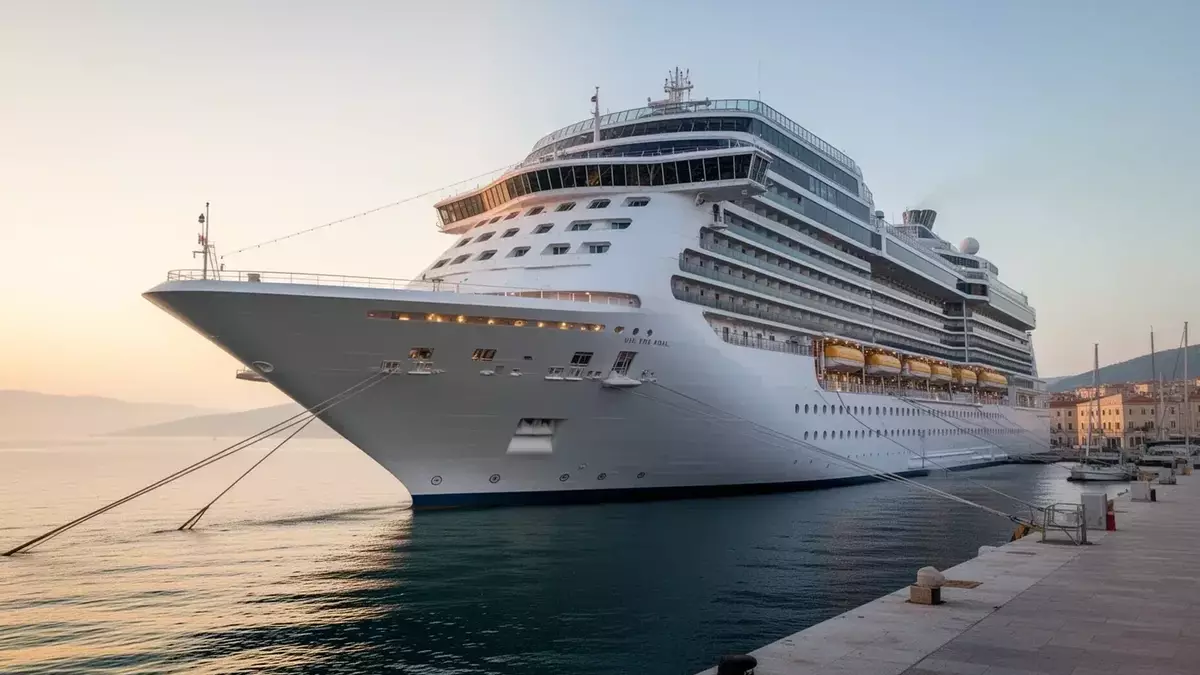
The late recovery is critical because the first half of the financial year was marred by the Iran crisis. TUI spent an estimated €40 million on repatriation efforts after the conflict escalated in March, bringing home roughly 10,000 guests. Around half were on cruises — the Mein Schiff 4 and Mein Schiff 5 were stranded in Abu Dhabi and Doha, and all sailings were cancelled until mid-May. An additional €5 million hit came from a hurricane in Jamaica. Despite those charges, the group managed to narrow its second-quarter adjusted EBIT loss by €14 million to minus €192.7 million. That helped produce the best-ever first-half result: an adjusted EBIT loss of €115.6 million, an improvement of roughly €30 million year-on-year. Revenue held nearly flat at €8.56 billion, while net debt remained stable at €3.0 billion.
Should investors sell immediately? Or is it worth buying TUI?
The bottom line, however, forced TUI to cut its full-year guidance. The initial target of 7?10% adjusted EBIT growth over last year’s €1.41 billion has been scrapped. The new, currency-adjusted forecast calls for €1.1?1.4 billion. Management has also suspended its revenue outlook until the geopolitical environment stabilises.
Cruise operations, perennially a bright spot, delivered the strongest divisional performance. First-half adjusted EBIT from the cruise segment leapt almost 26%, with average ship occupancy hitting 93%. TUI will add another vessel, Mein Schiff Flow, to its fleet in summer 2026. On costs, the group has hedged 83% of its jet fuel needs for the summer season and over 80% of energy costs for cruises for the full financial year. That insulation from spot-price volatility is a crucial buffer if kerosene prices rise further.
At the stock market, investors remain unimpressed. The shares are trading around €6.80 — roughly 24% below the start of 2026 and 28% beneath the February peak of €9.50. The 200?day moving average is still more than 12% above the current price, a gap that suggests technical headwinds persist. Whether the late booking recovery can lift the stock will depend heavily on how the geopolitical situation in the Persian Gulf evolves through the peak summer months — and whether TUI can convert its remaining discounted inventory into higher-margin sales as daily prices rise.
Ad
TUI Stock: New Analysis - 8 June
Fresh TUI information released. What's the impact for investors? Our latest independent report examines recent figures and market trends.
So schätzen die Börsenprofis TUI’s Aktien ein!

Für. Immer. Kostenlos.