Tomra stock trades near recent highs as recycling revenues grow and margins hold
Published on 07/18/2026 at 15:59 | Editorial responsibility: Rafael Müller, Editor-in-Chief AD HOC NEWS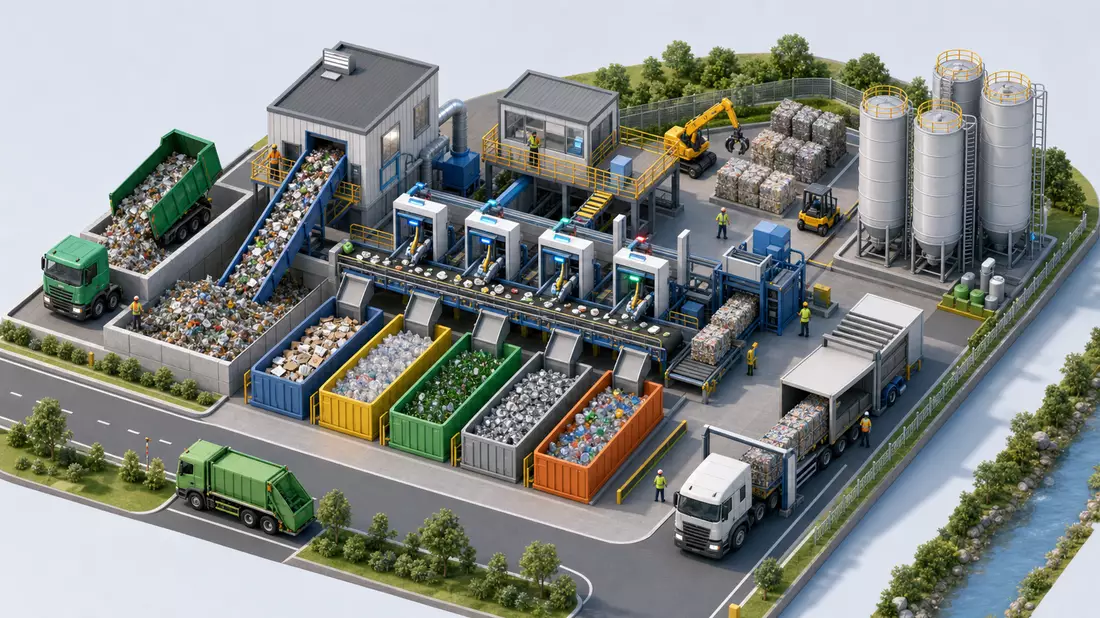
Tomra stock has drawn sustained attention from investors in 2026 as the Norwegian sensor-based sorting specialist (ISIN NO0005668905) continues to leverage long term growth in recycling and resource efficiency markets. The company, listed on the Oslo Stock Exchange, combines a strong position in collection and sorting technology with recurring demand from deposit systems and industrial customers, making its earnings profile a key focus for equity markets. For investors, the interaction between revenue growth, margins, and cash generation now matters most for assessing Tomra stock over the medium term.
Revenue growth underpins Tomra stock
Tomra Systems ASA operates globally in the business of sensor-based solutions for optimal resource productivity, with its core activities in collection systems for beverage containers and sorting systems for food, recycling, and mining. According to Tomra Systems ASA’s published annual figures for fiscal 2025, the company generated group revenues in the range of NOK billions, reflecting several years of consistent top line expansion across its main segments. In that period, Tomra’s business mix was characterized by a large installed base of reverse vending machines in markets with deposit schemes and an expanding footprint in recycling and food sorting solutions, which together provide a blend of equipment sales and recurring service revenues.
Segment data from Tomra’s recent reporting highlights that the Collection segment continues to represent a major share of group revenues, supported by stable demand in established deposit markets and expansion in newer geographies. At the same time, the Recycling/Mining segment has benefited from stricter regulatory requirements on waste handling and resource recovery, which drive investments in advanced sorting systems. The Food segment, which offers sorting technologies for fruits, vegetables, and other food products, contributes additional growth through quality and efficiency gains for producers. Across these segments, Tomra’s revenue profile is tied to long term structural trends rather than short term cycles, which supports investor interest in Tomra stock.
In its recent financial communications, Tomra has emphasized that revenue growth has been supplemented by a steady flow of orders from both public and private customers. Contract wins for large scale recycling and sorting facilities as well as rollouts of reverse vending machines in new or existing deposit markets have added to the order backlog and provide visibility on future revenues. This visibility is a factor that many investors consider when evaluating Tomra stock, as it helps to balance the cyclical elements of capital spending in some end markets.
Margins and earnings support valuation
Profitability metrics are a second pillar of the Tomra investment case. In recent years, Tomra has reported operating margins in the mid to high single digit range, depending on segment mix and cost dynamics. Earnings before interest and taxes (EBIT) has been supported by scale efficiencies and a mix of higher margin service revenues alongside equipment sales. The company’s ability to maintain stable margins in an environment of input cost fluctuations and supply chain challenges is seen as a key indicator of operational resilience.
Tomra’s net income has tracked the evolution of operating profit, with the company reporting positive net results in its latest published full year accounts. These earnings figures have allowed Tomra to sustain dividend payments to shareholders, typically in the form of a cash dividend denominated in NOK, and have contributed to the stock’s appeal for investors seeking a combination of growth and income. The level of dividend payout relative to earnings and cash flow is part of the valuation discussion around Tomra stock, particularly for investors who focus on total shareholder return.
Beyond earnings and dividends, Tomra’s cash flow generation has been an important metric, especially free cash flow after investments. The company has continued to invest in research and development, manufacturing capacity, and geographic expansion, while aiming to keep leverage at a prudent level. Balance sheet indicators such as net debt to EBITDA provide additional context for investors, with Tomra generally seen as maintaining a moderate leverage profile. This financial discipline makes it easier for the company to weather potential downturns in individual end markets and helps underpin confidence in Tomra stock.
Market environment and Tomra stock performance
Tomra stock trades on the Oslo Stock Exchange and reflects both company specific developments and the broader performance of Nordic equities. Over the past year, Tomra’s share price has moved within a range that is typical for a mid to large cap industrial and technology hybrid, with the valuation influenced by earnings trends, macroeconomic conditions, interest rate expectations, and ESG focused investing. Investors often look at Tomra’s price relative to its recent highs and lows, as well as multiples such as price to earnings and enterprise value to EBITDA, when determining whether the stock offers attractive risk adjusted returns.
In chart terms, Tomra shares have at times approached the upper end of their 52 week range, reflecting periods of strong sentiment around recycling and circular economy themes. At other times, the stock has consolidated or pulled back as markets reassessed growth expectations or rotated between sectors. This pattern underscores that while Tomra benefits from structural growth drivers, its share price is still subject to normal market volatility. For long term investors, the focus often lies more on multi year revenue and margin trajectories than on short term price moves.
Another factor influencing Tomra’s market performance has been the evolution of environmental and regulatory frameworks across its key regions. Government decisions on deposit return schemes, recycling targets, and waste management regulations can create new opportunities for Tomra’s technologies and, by extension, for Tomra stock. Conversely, delays or changes in regulatory initiatives may shift the timing of projects. As a result, policy developments are closely monitored by investors who view Tomra as a beneficiary of the global shift toward more sustainable resource use.
Tomra’s operating segments and growth drivers
Tomra’s business is organized into segments that each address specific markets and customer needs. The Collection segment focuses primarily on reverse vending machines and related systems for collecting beverage containers in deposit return schemes. These solutions allow consumers to return bottles and cans and receive refunds, while enabling efficient handling and sorting for recyclers. With millions of containers processed daily through Tomra’s systems worldwide, this segment provides a robust base of installed equipment and associated service revenues.
The Recycling segment offers sensor based sorting solutions for waste streams such as plastics, metals, paper, and mixed waste. These systems help recyclers and waste management companies to separate materials efficiently and achieve higher purity levels, which are critical for subsequent use in manufacturing and for meeting regulatory standards. The Mining segment applies similar technologies to ore sorting, enabling more efficient extraction and processing of minerals. Together, these activities position Tomra at the intersection of environmental sustainability and industrial productivity.
Tomra’s Food segment provides sorting and grading solutions for fruits, vegetables, nuts, and other food products. These systems use optical sorting and other sensor technologies to identify and remove defective or foreign items, improving food quality and reducing waste. In recent reporting periods, the Food segment has contributed a growing share of Tomra’s revenues, reflecting demand from food producers who seek to enhance quality, comply with standards, and optimize processing efficiency.
Across all segments, Tomra invests in research and development to improve its sensor technologies, software, and system integration capabilities. Advancements in machine learning, data analytics, and automation are increasingly applied to its solutions, allowing customers to achieve higher throughput, accuracy, and flexibility. This ongoing innovation supports Tomra’s competitive position and can justify premium pricing, which in turn affects revenue growth and margin dynamics. For investors evaluating Tomra stock, understanding the technological edge in each segment is part of assessing the company’s long term prospects.
Strategy, sustainability, and investor perception
Tomra’s strategic focus on resource productivity and circular economy principles resonates with investors who prioritize environmental, social, and governance factors. The company’s solutions directly address global challenges such as plastic waste, efficient use of raw materials, and food loss. As a result, Tomra is often included in ESG oriented portfolios and indices, which can influence the demand for Tomra stock beyond purely financial considerations.
From a strategic perspective, Tomra aims to expand its footprint in existing markets by deepening relationships with customers and enhancing service offerings, while also entering new markets where deposit schemes and advanced sorting solutions are emerging. Partnerships with retailers, recyclers, and industrial companies are central to this expansion, as they enable Tomra to tailor solutions to specific needs and regulatory contexts. The company’s geographic diversification across Europe, North America, and other regions helps balance regional opportunities and risks.
Tomra’s sustainability reporting and transparency on environmental impact are also part of its appeal. The company provides data on metrics such as the number of beverage containers collected through its systems and the volume of materials sorted for recycling. These metrics help illustrate the tangible impact of Tomra’s technologies and reinforce its positioning as a contributor to sustainable development. For investors who integrate ESG considerations into their investment decisions, such information can support a favorable view of Tomra stock.
Capital allocation, dividends, and balance sheet
Capital allocation is a key topic for Tomra’s shareholders. The company balances investments in organic growth and innovation with returns to shareholders through dividends. Historically, Tomra has paid regular dividends, typically once per year, reflecting its confidence in the stability of its cash flows. The level of dividend per share and the payout ratio are monitored closely by investors, as they provide insight into management’s assessment of future earnings and cash needs.
On the balance sheet, Tomra maintains a mix of equity and debt financing that aims to support growth while preserving financial flexibility. Leverage metrics such as net debt to EBITDA are kept within ranges that are generally considered moderate for an industrial technology company, providing room to fund investments and navigate market fluctuations. The company’s liquidity profile, including available cash and committed credit facilities, further underpins its ability to finance operations and strategic initiatives.
Tomra’s approach to acquisitions has been measured, with a focus on complementary technologies or market positions that can strengthen its offerings. Any potential future transactions would be evaluated in terms of strategic fit, financial impact, and integration risks. For Tomra stock, the prospect of value accretive acquisitions can be a positive factor, while investors remain attentive to the discipline applied in such decisions.
Product focus: reverse vending and sorting systems
At the heart of Tomra’s business are its reverse vending machines and sensor based sorting systems. Reverse vending machines installed in supermarkets, convenience stores, and dedicated collection points allow consumers to return beverage containers, such as plastic bottles and aluminum cans, in return for deposit refunds. These machines identify, sort, and compact containers, enabling efficient handling and preparation for recycling. The widespread use of such systems in markets with deposit schemes, including several European countries and parts of North America, is a visible expression of Tomra’s role in everyday recycling infrastructure.
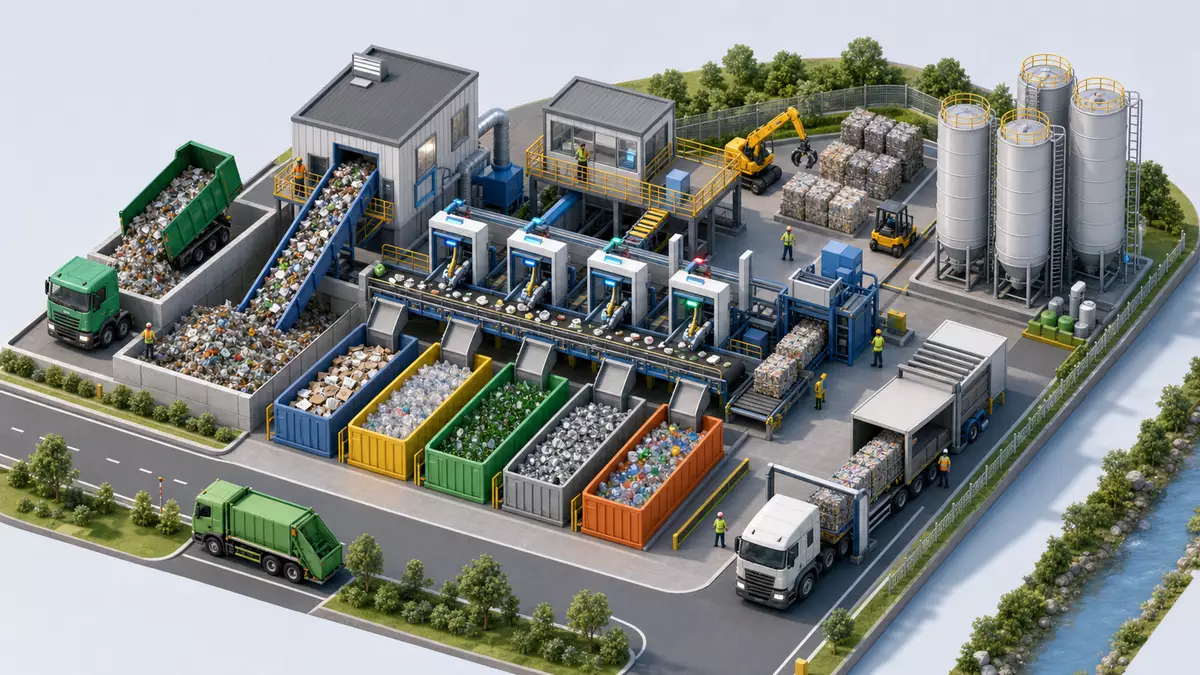
Tomra’s recycling sorting systems, deployed at materials recovery facilities and specialized recycling plants, use sensors to distinguish between different types of materials based on properties such as color, shape, composition, and density. By automating the sorting process, these systems improve efficiency and material purity, which are essential for producing high quality recycled feedstock. In mining and food applications, similar sensor technologies are adapted to the specific characteristics of ores and food products, supporting higher yield and quality.
Tomra stock and market positioning
Tomra stock represents exposure to a company that combines industrial technology, environmental solutions, and a focus on recurring revenue streams. Its listing on the Oslo Stock Exchange provides access for domestic and international investors who are interested in the intersection of sustainability and industrial innovation. The stock’s valuation reflects expectations about future revenue growth, margin stability, cash generation, and the broader regulatory and market environment for recycling and resource productivity solutions.
Tomra at a glance
- Company: Tomra Systems ASA
- ISIN: NO0005668905
- Ticker: OSE: TOM
- Trading venue: Oslo Stock Exchange
- Sector / Industry: Industrials / Machinery and Environmental Services
- Index membership: Nordic indices with industrial and sustainability focus
Disclaimer regarding our articles: No investment advice, no buy or sell recommendation. Information on prices, companies, and markets is provided without guarantee; changes are possible at any time. Stock market transactions can lead to substantial losses. Our articles are created and reviewed in whole or in part automatically with the support of AI.