Thyssenkrupp Faces a Pivotal June With Three Major Catalysts in Play
03.06.2026 - 14:42:17 | boerse-global.de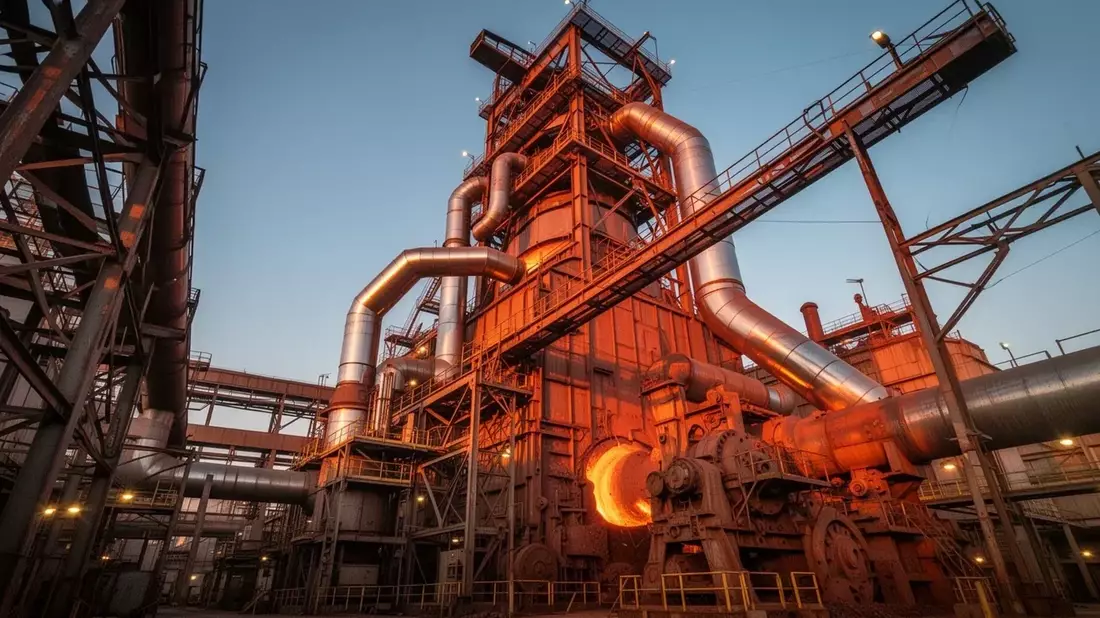
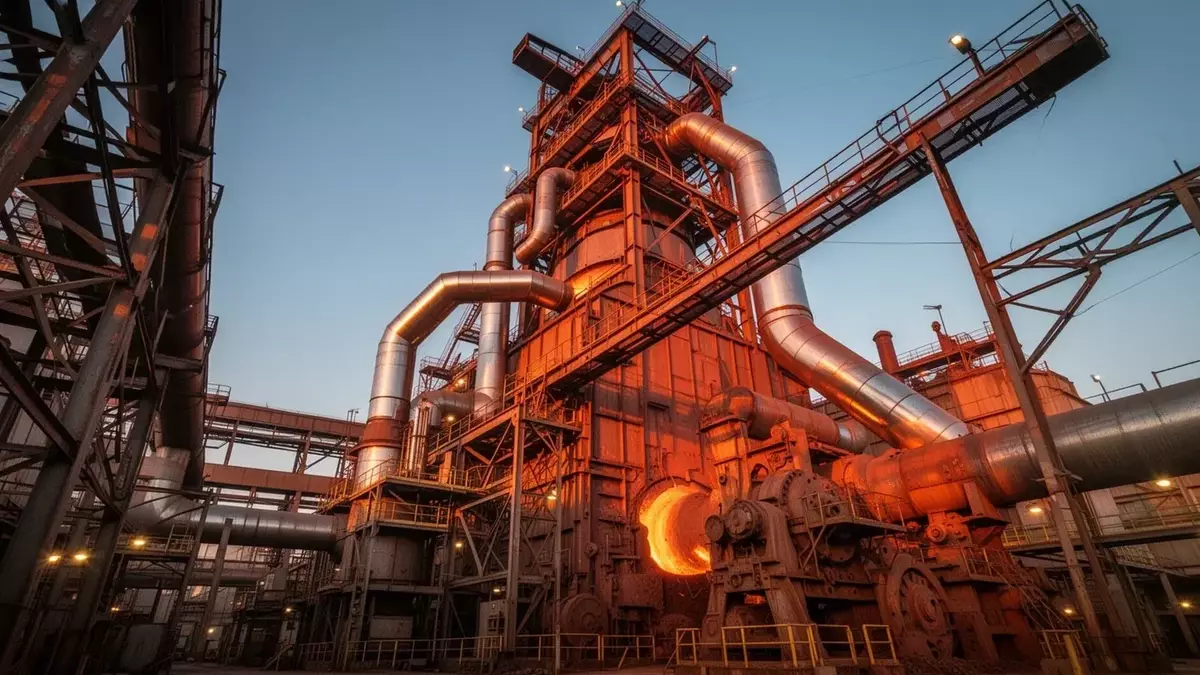
Thyssenkrupp has already ticked one box on its June to-do list. On the first day of the month, its steel division handed over its 50% stake in Hüttenwerke Krupp Mannesmann (HKM) to Salzgitter, severing a joint venture that supplies semi-finished slabs for steel production. Supply agreements will keep the Duisburg-Huckingen plant running until 2028, but the ownership change marks a clean break from an asset that had become a financial drag. The move thins the steel portfolio — but two bigger decisions still hang over the company, one in Canada and one inside its own boardroom.
The Canadian market could deliver the year’s most dramatic contract. Ottawa plans to award an order for up to twelve arctic-capable submarines before the end of June. Thyssenkrupp Marine Systems (TKMS) has entered the competition with its 212CD class, a design built for operations under ice, and is up against South Korea’s Hanwha Ocean. TKMS chief Oliver Burkhard expects a decision in the first half, and the German government has thrown its weight behind the bid. A win would add to an already stellar order book: TKMS booked a record 20.6 billion euros in backlog as of March 31, after the second quarter brought two additional 212CD boats for Norway and fresh contracts in marine electronics. The submarine pipeline alone demonstrates the gulf between Thyssenkrupp’s growth engine and its ailing steel legacy.
That contrast is sharpest when the company turns to its largest division by revenue. Materials Services, the materials trading and services unit, generated 11.4 billion euros in sales in fiscal 2024/25 and employs more than 15,000 people. A separation — whether via spin-off, IPO or outright sale — would be the biggest carve-out in Thyssenkrupp’s history. The supervisory board is set to decide its fate in June, but the path forward is tangled in a fight over governance. Management is pushing for a Kommanditgesellschaft auf Aktien (KGaA), a legal structure that would let Thyssenkrupp retain operating control even with a minority stake. Labour representatives, led by IG Metall, have reacted with fury, arguing that a KGaA would effectively strip workers of co-determination rights. Insiders describe the CEO’s approach as “increasingly radical.”
Should investors sell immediately? Or is it worth buying Thyssenkrupp?
Miguel López, the chief executive, is sticking to his playbook. He aims to turn Thyssenkrupp into a financial holding company that owns stakes in separately managed businesses rather than a sprawling conglomerate rolling its own steel. The TKMS spin-off in October 2025 — where the parent kept 51% — serves as the template for Materials Services. Reuters has reported that the company is weighing an extraordinary general meeting in the summer, with invitations possibly sent in June and the meeting itself in late July or early August. The board’s decision this month will test whether López can push through the restructuring without alienating the works council, and whether the internal standoff caps the stock’s potential.
The operational backdrop offers reason for optimism. In the second quarter of fiscal 2025/26, adjusted EBIT surged to 198 million euros from 19 million a year earlier, while order intake rose 32% to 10.6 billion euros. Available liquidity stood at 4.6 billion euros at the end of March, and net cash came in at 2.8 billion. Marine Systems accounted for much of the order growth, but even Materials Services posted a near-tripling of adjusted profit to 81 million euros on a 5% revenue increase. The conglomerate discount that has weighed on the stock could narrow if the separation plans succeed, and the improved earnings give López more room to manoeuvre.
Yet the steel division remains an open wound. The HKM exit helps, but the bigger prize — a majority stake sale to Jindal Steel International — has stalled. Negotiations broke down over disagreements on pension liabilities, investment commitments and future energy cost protections. Until those issues are resolved, any new suitor will face the same hurdles. The Thyssenkrupp Steel Europe unit is still on a transformation path: construction of a direct-reduction plant in Duisburg continues despite a difficult environment. But the pension overhang and the energy transition costs keep the segment a drag on free cash flow. Management has guided for a negative free cash flow before M&A of no more than 600 million euros.
The stock reflects the competing narratives. At 11.56 euros on Wednesday, it has risen 19.5% since the start of the year but sits about 13% below its 52-week high of 13.24 euros. The June events — the Canada submarine award, the Materials Services board verdict, and the underlying steel negotiations — will determine whether Thyssenkrupp can punch through that ceiling or whether the governance disputes keep it in a range. The HKM handover was the easy part. The rest requires a boardroom breakthrough, a transatlantic contract, and a resolution with labour that has so far proved elusive.
Ad
Thyssenkrupp Stock: New Analysis - 3 June
Fresh Thyssenkrupp information released. What's the impact for investors? Our latest independent report examines recent figures and market trends.