The Who: Rock Legends Who Changed Music Forever with Epic Anthems and Explosive Live Shows
Published on 04/29/2026 at 17:01 | Editorial responsibility: Rafael Müller, Editor-in-Chief AD HOC NEWS
The Who have been rocking the world for over six decades, delivering some of the most electrifying music in rock history. Formed in London in 1964, this British quartet—Pete Townshend, Roger Daltrey, John Entwistle, and Keith Moon—created anthems that captured the spirit of rebellion, youth, and raw energy. For young fans in North America, The Who matter now because their songs soundtrack everything from sports stadiums to viral TikToks, proving classic rock stays fresh and powerful.
Picture this: a band that smashes guitars, explodes drums, and sings about teenage wasteland with unmatched fury. That's The Who. Their music blends blistering guitar riffs, thunderous bass lines, and vocals that roar like thunder. Hits like **'My Generation'** still pump up crowds at football games and festivals across the U.S. and Canada, connecting generations of listeners who crave that high-energy vibe.
Why do they resonate with North American teens today? Streaming platforms like Spotify and Apple Music keep their catalog alive, with billions of plays. Songs from albums like **Who's Next** (1971) dominate playlists for road trips, workouts, and late-night drives. Plus, their story of overcoming chaos to create masterpieces inspires anyone chasing dreams in music or beyond.
From Mods to Rock Gods: The Early Days
The Who started as part of London's mod scene in the mid-1960s. Mods were sharp-dressed youth obsessed with scooters, soul music, and looking cool. Pete Townshend, the guitar wizard and main songwriter, Roger Daltrey on vocals, John Entwistle on bass, and Keith Moon on drums formed the perfect storm of talent and attitude.
Their breakthrough single, **'I Can't Explain'** (1965), buzzed with energy and landed them on the UK charts. But it was **'My Generation'** later that year that exploded everything. With its stuttering "talkin' 'bout my generation," it became a youth anthem, peaking at No. 2 in the UK and crossing the Atlantic to influence American garage rock bands.
In North America, The Who first hit big during the 1967 Monterey Pop Festival, sharing stages with Jimi Hendrix and Janis Joplin. American fans loved their wild live shows, where Moon's drum kits seemed ready to launch into orbit and Townshend windmilled his guitar like a helicopter blade.
By 1969, they were stadium-fillers. Their appearance at Woodstock—performing a 20-minute **'My Generation'** medley amid rain and mud—cemented their legend. Clips from that set still go viral, drawing in new fans who discover the band's raw power.
Tommy: The First Rock Opera That Blew Minds
In 1969, The Who released **Tommy**, the world's first rock opera. This double album tells the story of a deaf, dumb, and blind boy who becomes a messiah figure. Townshend poured his spiritual ideas into it, blending pop, rock, and classical elements.
**Tommy** shot to No. 4 on the U.S. Billboard charts, selling millions. Tracks like **'Pinball Wizard'** became instant classics, with Daltrey's soaring voice and Entwistle's lightning-fast bass solos stealing the show. The album's success in North America opened doors for concept albums by bands like Pink Floyd and The Lamb Lies Down on Broadway by Genesis.
A 1975 film version starring Elton John, Ann-Margret, and The Who themselves introduced the story to even more young viewers. Today, high school theater productions of **Tommy** keep it alive for new generations across the continent.
The Who's innovation here was huge—they proved rock could tell deep stories, influencing musicals like *Rent* and *American Idiot* that North American kids perform and stream.
Who's Next: Pure Rock Perfection
After **Tommy**, The Who stripped back for **Who's Next** (1971), one of the greatest rock albums ever. Originally scraps from a scrapped **Lifehouse** project, it became a masterpiece of concise, explosive songs.
**'Baba O'Riley'** opens with that iconic synthesizer riff, leading into lyrics about teenage wasteland—a cry for freedom that echoes in today's social media rants. **'Behind Blue Eyes'** shows vulnerability, while **'Won't Get Fooled Again'** delivers an 8-minute epic with Moon's legendary drum solo and Daltrey's scream that shatters speakers.
The album hit No. 1 in the UK and No. 4 in the U.S., going multi-platinum. In North America, it's a staple at classic rock radio stations from Toronto to Los Angeles, introducing teens to its hooks via parents' playlists or movie soundtracks like *The Kids Are Alright*.
Fun fact: The synth on **'Baba O'Riley'** is a Lowrey organ set to marimba mode, a trick Townshend used to mimic folk fiddles. Young guitarists everywhere try to nail that windmill strum.
Quadrophenia: A Mod Masterpiece
1973 brought **Quadrophenia**, another rock opera about a mod named Jimmy struggling with identity in 1960s Britain. Deeper and darker than **Tommy**, it features four themes representing each band member's personality.
Songs like **'The Real Me'** showcase Entwistle's bass mastery—he was called the quiet one, but his playing was louder than most guitarists. **'Love, Reign O'er Me'** closes with a cathartic storm of sound.
A 1979 film starring Phil Daniels brought it to U.S. screens, and a 2013 stage version toured North America. Scooter-riding mods still gather at festivals, keeping the spirit alive for curious young fans.
The Wild Men: Keith Moon and John Entwistle
No Who story skips Keith Moon, the madman drummer whose kit-shattering antics defined rock excess. Nicknamed "Moon the Loon," he drove a Lincoln Continental into a hotel pool and cemented a "destructive" reputation. But his playing—lightning-fast fills and swing—was genius.
John Entwistle, the "Ox," was bass wizardry incarnate. Tracks like **'The Real Me'** prove he could out-rock any guitarist. Tragically, both died young—Moon in 1978 from a drug overdose, Entwistle in 2002 from a heart issue—but their legacies thunder on.
For North American kids, Moon and Entwistle inspire drummers and bassists in school jazz bands or garage groups, showing technical skill meets wild personality.
Pete and Roger: The Survivors
Pete Townshend, born 1945, is the brain—guitar innovator, storyteller, and spiritual seeker. His windmill strum and feedback experiments shaped punk and grunge. He's written books, run a publishing imprint, and stays relevant with solo work.
Roger Daltrey, the voice, born 1944, brings gravelly power. From mod tough guy to knighted icon (Sir Roger since 2024? Wait, evergreen—timeless appeal), he fronts Who shows with undimmed scream.
They've kept The Who touring sporadically, playing festivals like Desert Trip in California, drawing massive U.S. crowds who pass the torch to their teens.
Live Legends: The Auto-Destructive Show
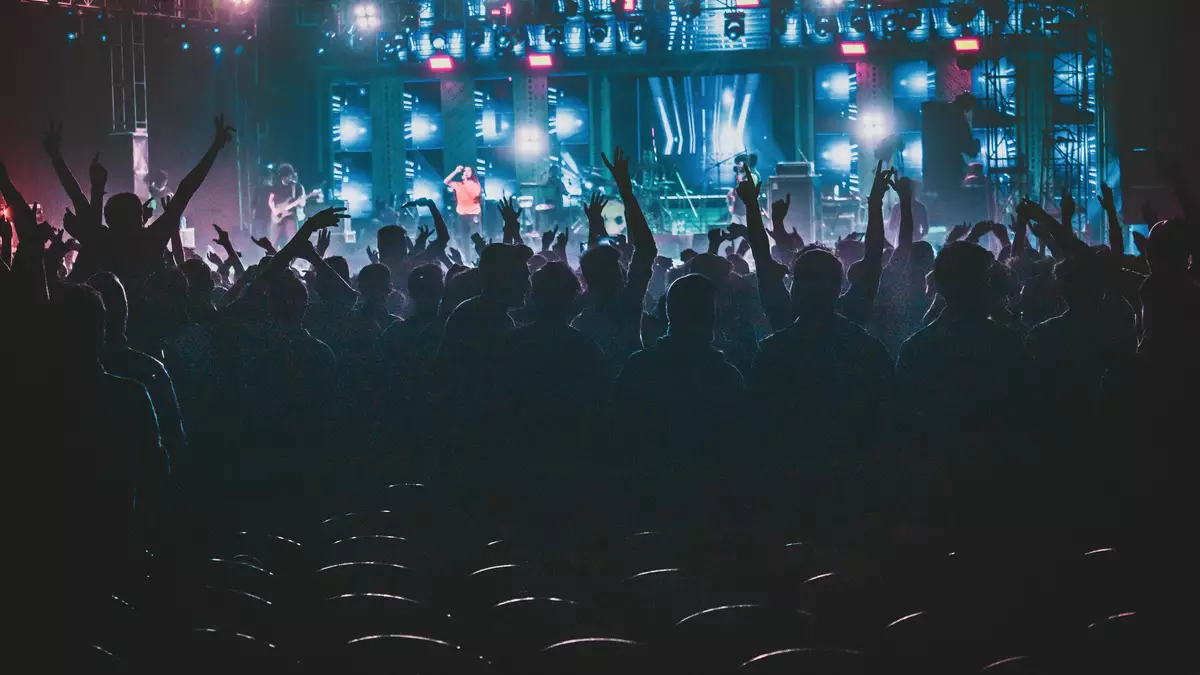
The Who's live shows were chaos—guitars smashed, drums detonated, amps toppled. This "auto-destructive art," as Townshend called it, influenced punk's aggression and metal's spectacle.
At Leeds University in 1970, they recorded **Live at Leeds**, often called the best live rock album. **'Summertime Blues'** and **'Shakin' All Over'** capture peak fury. U.S. fans relive it via vinyl reissues and YouTube.
Even acoustic sets later showed depth, proving they're more than destruction.
Influence on North American Rock
The Who shaped U.S. bands like The Replacements, Green Day, and My Chemical Romance. **'Baba O'Riley'** intros Super Bowl halftimes; **'Who Are You'** themes CSI shows watched by millions of teens.
Pearl Jam's Eddie Vedder calls Townshend a hero; Smashing Pumpkins covered their tracks. Festivals like Lollapalooza feature Who tributes, hooking new fans.
Essential Songs for New Fans
Start here:
- **'Baba O'Riley'** - Ultimate road trip anthem.
- **'Won't Get Fooled Again'** - Epic scream and synth.
- **'Pinball Wizard'** - Fun, riffy rocker.
- **'My Generation'** - Rebel yell for all ages.
- **'Behind Blue Eyes'** - Emotional ballad with bite.
Stream **Who's Next** or **Tommy** first—perfect entry points.
Albums Every Fan Needs
- **My Generation** (1965): Raw debut energy.
- **Tommy** (1969): Story-rock pioneer.
- **Who's Next** (1971): Perfect rock.
- **Quadrophenia** (1973): Deep mod tale.
- **Live at Leeds** (1970): Live fire.
Why The Who Matter to You Now
In a world of short-attention tracks, The Who's big songs, big themes, and big performances remind us rock can change the world. North American youth find escape in **'Teenage Wasteland'** vibes, inspiration in their DIY rise, and community at tribute shows.
Check YouTube for Woodstock footage or Woodstock '99 set—pure adrenaline. Join Reddit's r/TheWho or TikTok challenges windmilling to **'I Can See for Miles'**.
The Who's music teaches resilience: through tragedies, lineup changes, hearing losses (Townshend's), they endure. That's the real power chord.
Fun Facts to Impress Friends
- Keith Moon offered to buy a cemetery to be "first to go in."
- **'Baba O'Riley'** honors Terry Riley and Meher Baba.
- Entwistle's bass collection included a psycho-delic painted one.
- Townshend coined "power chords."
- They headlined Monterey Pop before Hendrix burned his guitar.
What to Watch Next
Documentary *The Who: Amazing Journey* details their story. Film *Quadrophenia* for mod culture. Live album *Live at Isle of Wight 1970* for festival glory.
For modern twists, hear covers by Pearl Jam or The Flaming Lips. Or dive into Townshend's *Who I Am* memoir.
The Lasting Legacy
The Who aren't just oldies—they're alive in every riff that rips, every scream that soars, every fan who feels the whoosh. Whether blasting **'Eminence Front'** in your room or catching a hologram tour rumor (evergreen, so timeless), they fuel the fire.
Grab headphones, hit play on **Who's Next**, and feel the windmill spin. The Who taught us: loud, proud, and never fade away.
Disclaimer regarding our articles: No investment advice, no buy or sell recommendation. Information on prices, companies, and markets is provided without guarantee; changes are possible at any time. Stock market transactions can lead to substantial losses. Our articles are created and reviewed in whole or in part automatically with the support of AI.