The Truth About DoorDash Inc: Is This Delivery Giant Still Worth Your Money?
01.02.2026 - 09:43:06 | ad-hoc-news.de
The internet is losing it over DoorDash Inc – but is it actually worth your money, your data, and those wild delivery fees? You use it to survive late-night cravings, but investors use it to bet on the future of on-demand everything. So here’s the real talk: is DoorDash still a must-have, or has the hype peaked?
The Hype is Real: DoorDash Inc on TikTok and Beyond
DoorDash isn’t just an app on your phone anymore – it’s basically background infrastructure for your life. People are posting their order hacks, driver horror stories, and receipt shock on loop. The clout is loud, but it’s also divided.
On TikTok, you’ll find everything from viral “$0 delivery fee” hacks to creators exposing insane markups between the restaurant menu and the DoorDash price. Some users treat DashPass like a life subscription; others are calling it a “luxury tax on laziness.”
Here’s the twist: that drama is actually fuel. The more people complain, flex, and share, the more DoorDash stays glued to the top of the food-delivery pyramid. Love it or hate it, you’re still tapping it when you’re hungry and tired.
Want to see the receipts? Check the latest reviews here:
Top or Flop? What You Need to Know
Strip away the hype for a second. Here are the three biggest things that actually matter for you:
1. Convenience that low-key owns your schedule
DoorDash makes it dangerously easy to never leave your couch. We are past just restaurant delivery – in many areas you can get groceries, snacks, convenience store runs, and random essentials dropped at your door. That “I’m not going out” lifestyle? DoorDash is building it in real time.
For users, that’s a legit game-changer. When it works, it feels like magic: tap, scroll, pay, done. But that convenience comes at a price, and that’s where the flop potential creeps in.
2. Fees that can turn a burger into a budget crisis
Here’s the pain point everyone is yelling about: fees. Service fee, delivery fee, small order fee, plus tip, plus restaurant markups. The total can jump way past what you’d pay in person. That’s where the question hits: is it worth the hype when your $12 meal turns into a $30 checkout?
DoorDash tries to smooth this over with DashPass, its subscription that cuts delivery fees and lowers service fees on eligible orders. If you order multiple times a month, DashPass can feel like a no-brainer. If you only order occasionally, it’s probably a pass.
3. Reliability that’s good, but not drama-proof
DoorDash has scaled hard, which means more restaurants, more drivers, and more delivery zones. When it works, it’s smooth: solid ETAs, tracking that’s mostly accurate, and quick refunds when things go south. But you’ve seen the videos: cold food, missing items, drivers getting stuck, or orders randomly canceled.
The real talk: if you live in a big metro area, the experience is usually solid. In smaller or more spread-out zones, the quality depends heavily on how many Dashers are actually nearby and how slammed restaurants are. The app is powerful, but it’s only as good as the last mile.
DoorDash Inc vs. The Competition
So who’s really winning the clout war: DoorDash or everyone else?
DoorDash’s main rival in the U.S. is Uber Eats, with Grubhub hanging on as the third player. All of them deliver food. All of them charge fees. All of them get roasted online. But they are not equal.
Market presence: DoorDash controls a massive chunk of the U.S. food-delivery market, especially in the suburbs and smaller cities. In a lot of places, it’s the default. Uber Eats hits harder in dense cities and globally, helped by the Uber ride-sharing ecosystem.
App experience: DoorDash’s app is clean and familiar. Filters, ratings, and tracking feel dialed in. Uber Eats leans on tighter integration with your Uber account and solid promos in some markets. For most users, the experience difference isn’t huge – you’ll gravitate to whichever one has your favorite spots and better deals that week.
Deals and promos: This is where the winner changes day to day. DoorDash pushes DashPass, bundle deals, and occasional “$0 delivery” promos. Uber Eats counters with rotating discounts and membership perks through its Uber One program. Real talk: the smart move is to keep both apps on your phone and chase whichever one gives you the best price drop on that specific order.
Clout winner? In pure visibility and daily use in the U.S., DoorDash still feels like the main character. But if you factor in ride-sharing, travel, and international reach, Uber as a whole ecosystem has a louder global presence. For now, if we are talking about ordering food from your couch in the U.S., DoorDash edges out the competition on cultural saturation and sheer availability.
Final Verdict: Cop or Drop?
Let’s keep it simple.
If you are all about convenience: DoorDash is a must-have. The app is fast, the selection is huge, and the ability to get everything from tacos to toothpaste without moving is peak modern laziness – in a good way.
If you are on a tight budget: This can be a total flop for your wallet if you are not careful. Fees stack up fast. You need to play the game: watch for promos, use DashPass only if you order often, and always compare in-store prices to the app total.
If you care about hype vs. reality: DoorDash absolutely deserves some of the hype, but not all of it. It is a game-changer for convenience, but it is not a game-changer for your bank account unless you are strategic. The internet is obsessed because it makes life easier, not because it is cheap.
Overall verdict: For everyday users, DoorDash is a conditional cop. Cop it if you value time more than money or you are willing to optimize with deals. Hard drop if you are trying to save aggressively or you are already annoyed by hidden fees.
The Business Side: DASH
Now let’s talk about DoorDash Inc as a stock, traded under the ticker DASH with ISIN US2358511028. This is where the vibes shift from “I need fries now” to “Is this a growth play or a risk trap?”
Stock data note: Live market data can change minute to minute. As of the most recent available information from major financial sources on the day this was written, DoorDash’s share price and daily move reflected normal trading volatility for a high-growth tech-enabled platform. If you want exact numbers, you should check a real-time quote on a trusted finance site like Yahoo Finance or Reuters and make sure you are looking at the latest timestamp.
Here’s the bigger picture you actually care about:
1. Growth story vs. reality check
Investors look at DoorDash as more than a food-delivery app. The bull case: it is building the logistics rails for anything local – food, groceries, convenience items, and potentially more categories over time. The platform, the drivers, the data: that is the long-term play.
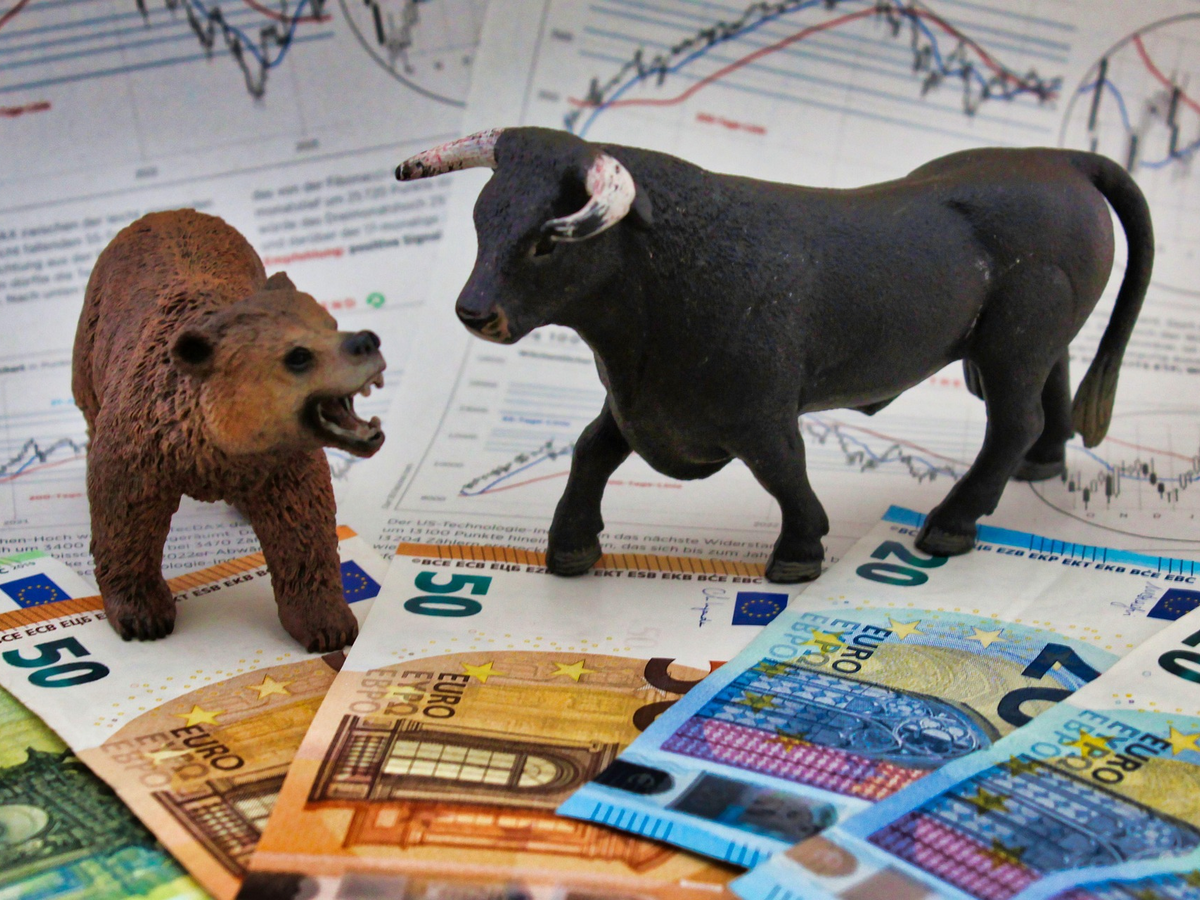
The bear case: margins are thin, competition is brutal, and regulators are circling around gig worker pay and fees. That means profit is not guaranteed just because everyone you know orders takeout.
2. Volatility is part of the package
DASH trades like a classic high-growth, high-expectation stock. That means big swings when earnings drop, when guidance changes, or when interest rates move. If you are expecting a chill, stable dividend stock, this is not it.
3. Is DASH a no-brainer buy?
For long-term investors, DASH is not a no-brainer – it is a high-conviction, high-risk kind of move. You have to believe that DoorDash can keep scaling, improve profitability, and survive whatever regulators and competitors throw at it.
For casual traders, DASH is more of a “know what you are doing” ticker. You are betting on the future of delivery culture and local logistics, not just on how many burritos get ordered tonight.
Real talk: do not buy DASH just because you use the app a lot. Use real research, check multiple financial news sources, and understand that this stock can move fast in both directions.
Bottom line
As a service, DoorDash is a convenience-first, budget-second tool that can absolutely be a must-have if you use it smart. As a stock, DoorDash (DASH, ISIN US2358511028) is a volatile, growth-focused play that is only “worth the hype” if you are ready for the risk that comes with it.
You can love using DoorDash and still pass on the stock – or skip the app and ride the market hype. Either way, now you know what you are really tapping into.
So schätzen die Börsenprofis Aktien ein!

Für. Immer. Kostenlos.